
Action
Adventure
Animation
Comedy
Crime
Documentary
Drama
Family
Fantasy
History
Horror
Music
Mystery
Romance
Science Fiction
Thriller
War
Western
Found 25 movies, 2 TV shows, and 0 people
Can't find what you're looking for?

I am Kepler, an exile from the planet Guarding. A long time ago, I asked myself a question: "What am I?" Since then, I began a long search for the meaning of my existence. When I finally got the answer, the day of exile was approaching...
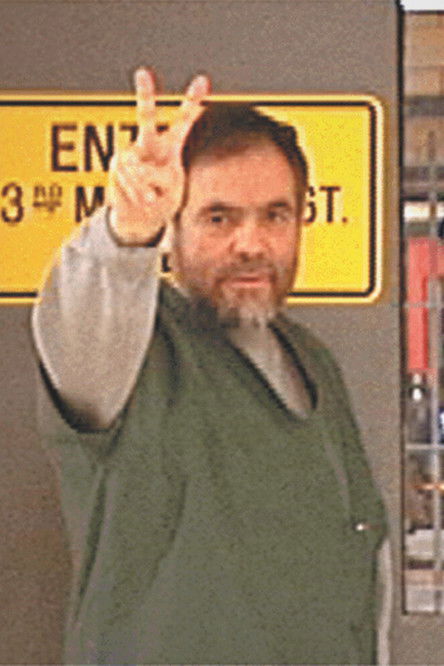
The late Farouk Abdel-Muhti was born in Ramallah, Palestine in 1947. His mother died when Israeli Occupation forces refused to let his family through a checkpoint to reach a hospital. He came to the U.S. in the late 1970s. A well-known figure in the activist community who has worked hard for the cause of human rights, Farouk was one of several Palestinian activists across the country who have found themselves in immigrant detention after protesting Israel's military operations in the West Bank and Gaza. Farouk was arrested April 26, 2002 by a team of task force officers as a result of a January 2002 Justice Department initiative directing agents to arrest immigrants with outstanding deportation orders, specifically targeting those from the Middle East and Pakistan.

Memories of a Dreamer is a first person account of the hardship suffered by a political prisoner from Chile's 1973 cruel dictatorship. Felix Mora recounts shocking details of the torture he endured, his escape from the dictatorship and the challenges he has faced as an exile in Italy and Canada. The question is has Felix allowed torture and exile to shatter his dreams of obtaining justice and being able to return to Chile? Or has he used that suffering as a force to accomplish that dream?
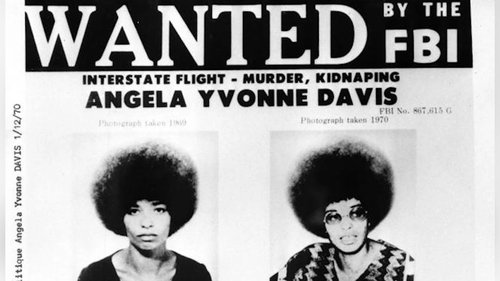
The story of how, in 1970, the social activism of young UCLA philosophy professor Angela Davis led her to become involved in a failed kidnapping attempt that ended in a shootout, four deaths, and her name on the FBI's Ten Most Wanted list.
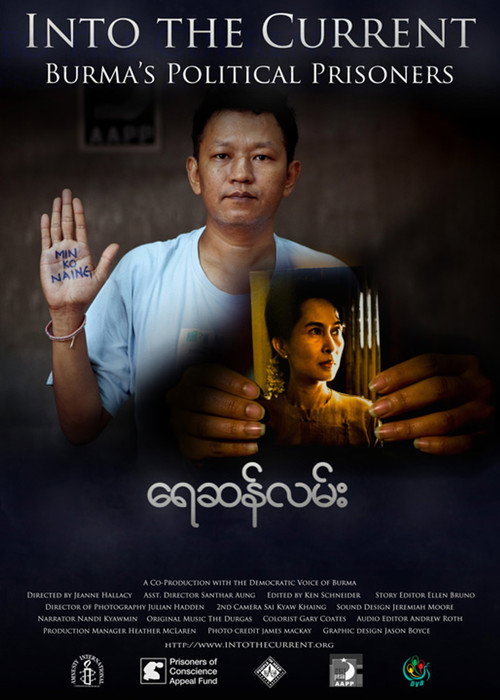
Into the Current: Burma’s Political Prisoners is about Bo Kyi, a former political prisoner who works to free his colleagues in Burma against the backdrop of the country’s non-violent political movement.
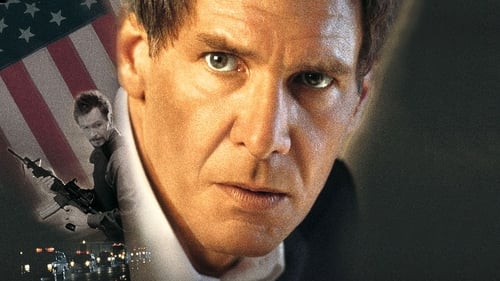
When Russian neo-nationalists hijack Air Force One, the world's most secure and extraordinary aircraft, the President is faced with a nearly impossible decision to give in to terrorist demands or sacrifice not only the country's dignity, but the lives of his wife and daughter.
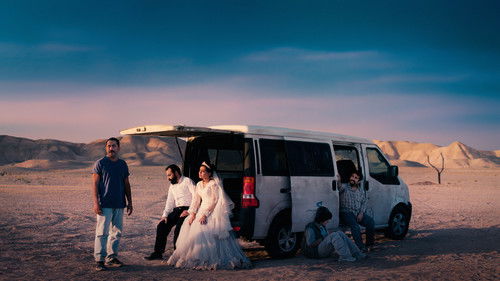
An unassuming mechanic is reminded of his time in an Iranian prison when he encounters a man he suspects to be his sadistic jailhouse captor.
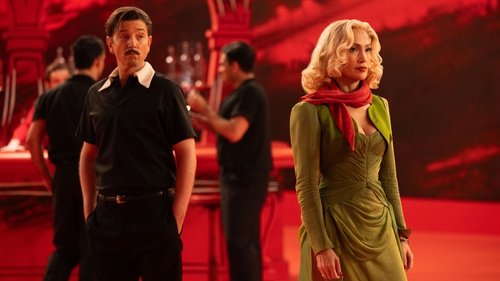
Valentín, a political prisoner, shares a cell with Molina, a window dresser convicted of public indecency. The two form an unlikely bond as Molina recounts the plot of a Hollywood musical starring his favorite silver screen diva, Ingrid Luna.

In this adaptation of the critically acclaimed debut novel by Iranian American author Dalia Sofer, a secular Jewish family is caught up in the maelstrom of the 1979 Iranian Revolution.
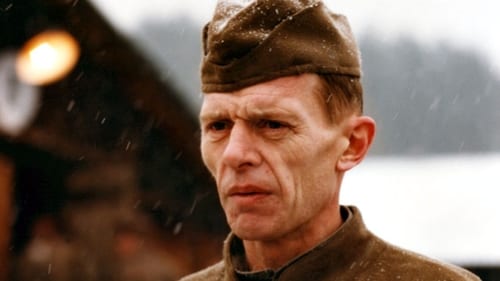
The story, written by former George Stransky former political prisoners and today's chairman Pen Club is situated to 50 years and uranium camp of political prisoners in Pribram, where after the fall of the Stalinist cult comes at the end of 1958 as a prisoner of the former Chief of Main Administration of correctional facilities Colonel Good. Former chief topic of coexistence, "a guard" and political prisoners in the Bolshevik camp served timeless makers to reflect on the possibility (or impossibility) of forgiveness and a sense of justice. The film, unfortunately, below expectations - mainly because of its rarity and lack syžetovou arching dramatic arc of the story, including natural gradation. Nice camera and vice versa are cast, formed literally myriad of top Czech actors. A representative of one of the main roles - Jiri Schmitzer in 1997 was awarded the Czech Lion.
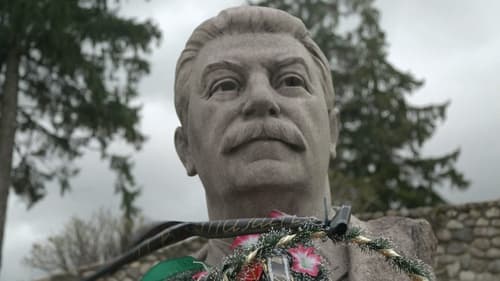
It’s the last dictatorship of Europe, caught in a Soviet time-warp, where the secret police is still called the KGB and the president rules by fear. Disappearances, political assassinations, waves of repression and mass arrests are all regular occurances. But while half of Belarus moves closer to Russia, the other half is trying to resist…
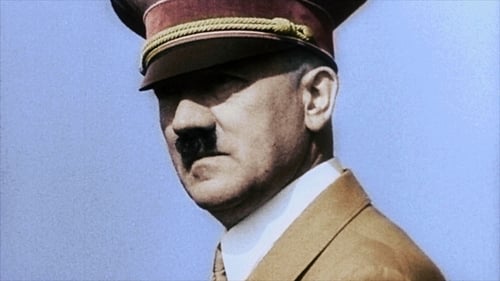
How Germany was when its people entered the nightmare of World War II? Despair and fear lead a hungry population to follow the chilling call of just one man to world domination. A real-life horror story, an ominous tale of violence and deception, which takes place from 1919 to 1934. (Entirely made up of restored, colorized archival footage.)
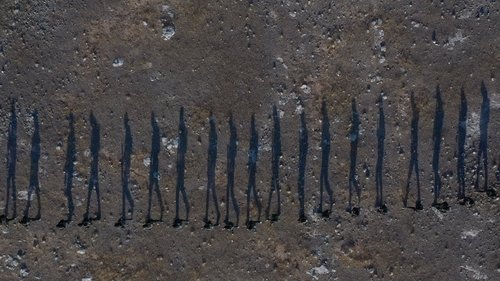
After the impressive Gulistan, Land of Roses (VdR 2016), the Kurdish filmmaker Zaynê Akyol returns with these conversations with imprisoned members of the Islamic State, alternating their words with aerial views of the countryside. An unexpected look at a far-reaching current political issue and a film whose subject matter and rhythm create an impressive cinematic object.
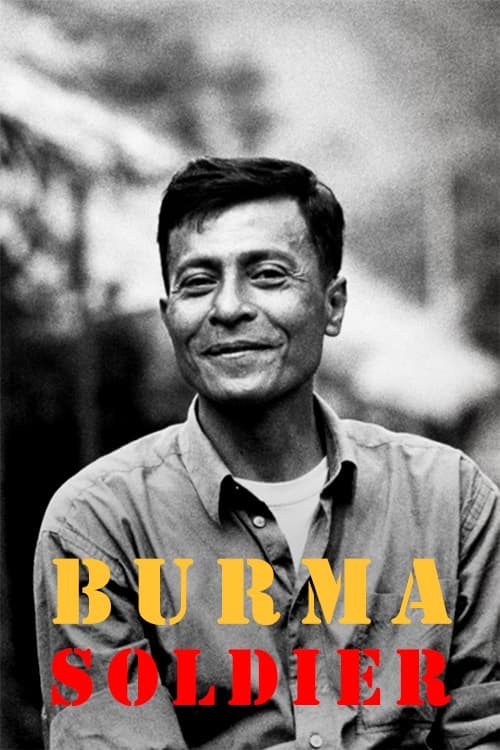
The story of Myo Myint, a political prisoner, who made the transformation from being a soldier in Burma's junta to a pro-democracy activist.
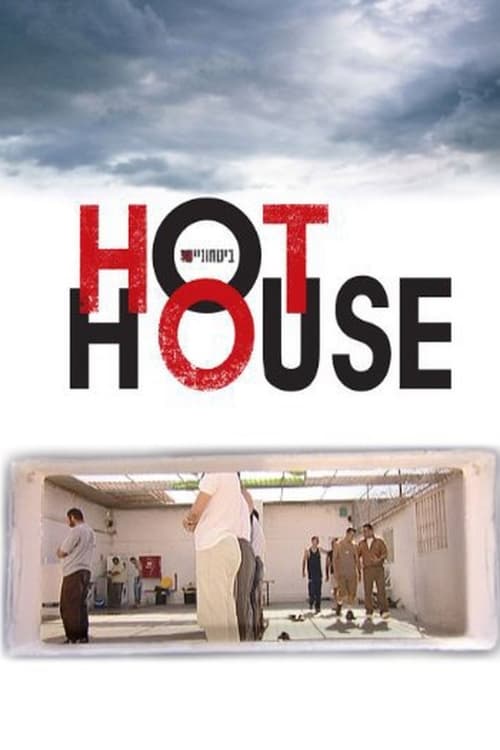
In a candid and unflinching portrait of Palestinian prisoners, Shimon Dotan takes viewers inside the highest security prisons in Israel where thousands of Palestinians fill these detention facilities.
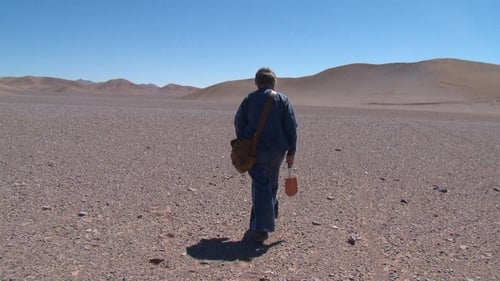
In Chile's Atacama Desert, astronomers peer deep into the cosmos in search for answers concerning the origins of life. Nearby, a group of women sift through the sand searching for body parts of loved ones, dumped unceremoniously by Pinochet's regime.
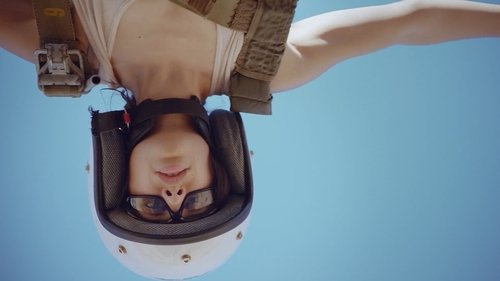
Follows filmmaker and actress, Maryam Zaree, on her quest to find out the violent circumstances surrounding her birth inside one of the most notorious political prisons in the world.
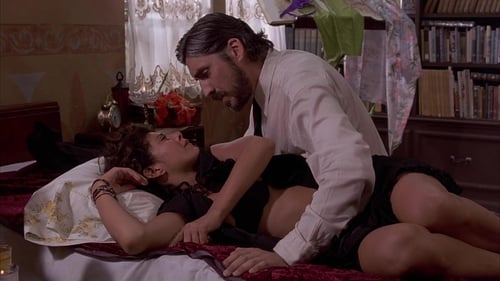
In the midst of the Mariel boat lift -- a hurried exodus of refugees from Cuba going to America -- an immigration clerk accidentally presumes that dissident Juan Raul Perez and Dorita Evita Perez are married. United by their last name and a mutual resolve to emigrate, Dorita and Juan agree to play along. But it gets complicated when the two begin falling for each other just as Juan reunites with his wife, Carmela, whom he hasn't seen in decades.
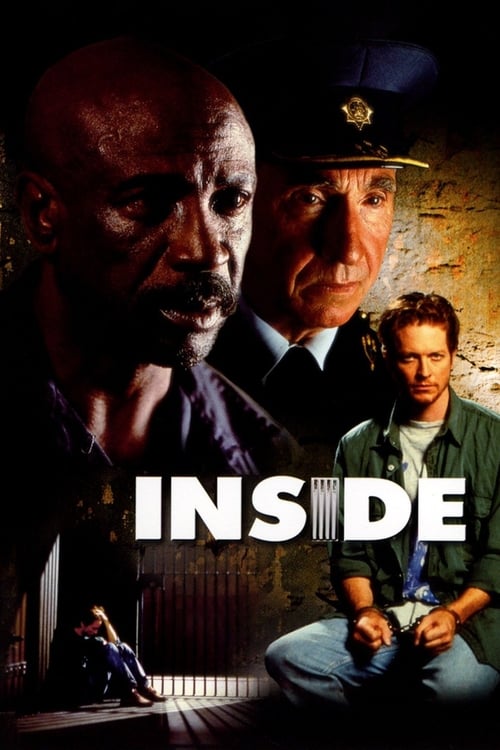
A South African political prisoner is tortured to obtain information on apartheid conspirators. Ten years later, the head officer in charge of the questioning is similarly held as prisoner and questioned about his past offenses.
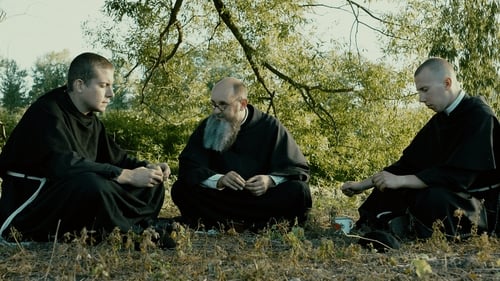
Recreation of facts and stories of both experts and people who met Maximilian Kolbe and were shocked by his words and actions.
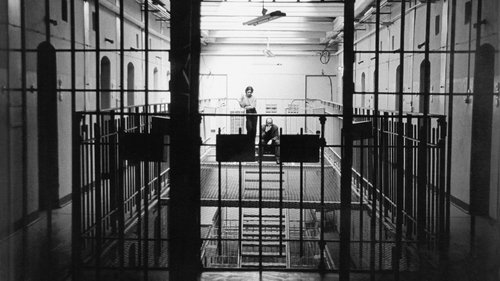
Filmmaker Sibylle Schoenemann, imprisoned by the GDR in 1984, was released to the FRG after having West Germany literally buy her freedom. In 1990 she went back and questioned those responsible.
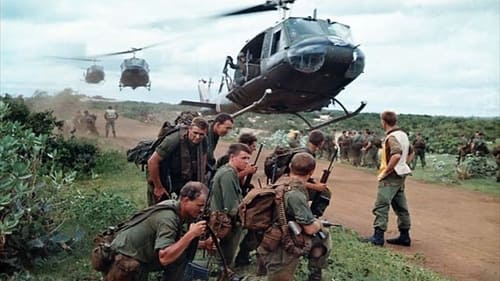
Many times during his presidency, Lyndon B. Johnson said that ultimate victory in the Vietnam War depended upon the U.S. military winning the "hearts and minds" of the Vietnamese people. Filmmaker Peter Davis uses Johnson's phrase in an ironic context in this anti-war documentary, filmed and released while the Vietnam War was still under way, juxtaposing interviews with military figures like U.S. Army Chief of Staff William C. Westmoreland with shocking scenes of violence and brutality.
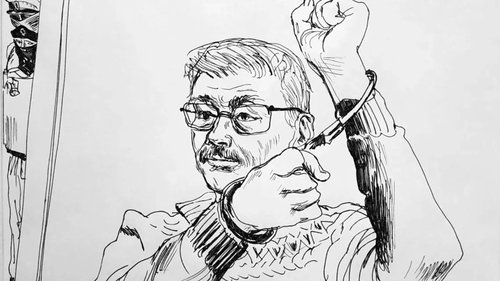
In Russia, criticizing the war in Ukraine or Vladimir Putin’s regime has become a crime. Thousands of ordinary citizens are being arrested, tried, and imprisoned. They are called “Politzek”: political prisoners. Filmed clandestinely over the course of more than a year, Politzek gives a platform to those who, despite the fear, continue to speak out against Putin’s repressive Russia. Through the intersecting stories of a teenager sentenced to five years in prison for criticizing the government on social media, a young artist jailed for placing anti-war stickers, a human rights activist, and two theater directors facing Kafkaesque trials, the film unveils the machinery of state repression in Russia. With rare footage, broken yet unyielding voices, this is a story of silenced resistance.
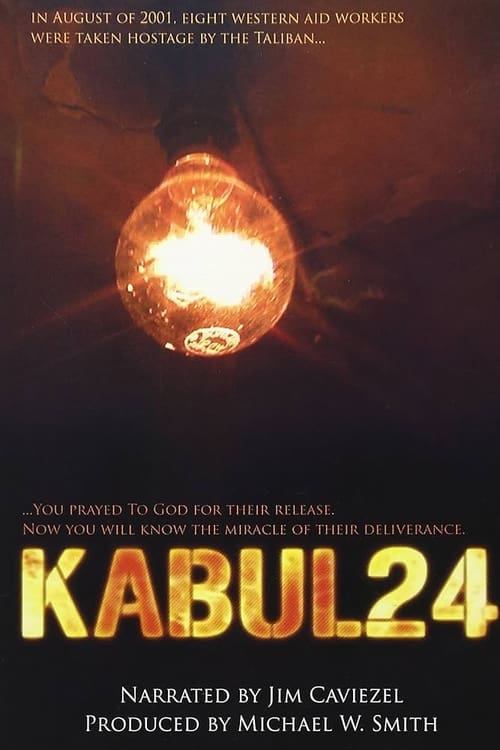
In the summer of 2001 the Taliban strategically captured 24 Shelter Now International Aid hostages that captured the attention of the world for more than three months. With representatives from the United States, Australia, Germany and Afghanistan, the Taliban set out to create an insurance policy against the pending attacks of September 11th. What transpired through their story was an overwhelming journey of faith, grace and endurance. Based on the true story as told by the captives, Kabul 24 captures the gantlet of their 105 days in captivity and the cruel treatment of the Muslim co-workers at the hands of the Taliban who accused them of converting to Christianity. Revisit their journey from the grueling interrogation to their sham "trial" before the Taliban Supreme Court, to the dangers endured during the bombing of Kabul and a crushing sense that the world had abandoned them.
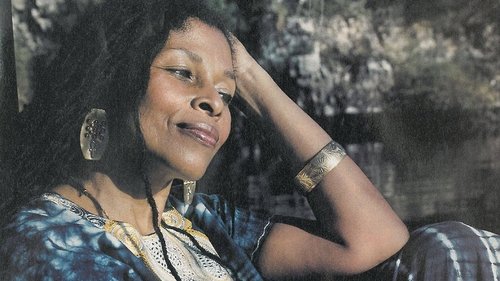
"Eyes of the Rainbow" deals with the life of Assata Shakur, the Black Panther and Black Liberation Army leader who escaped from prison and was given political asylum in Cuba, where she has lived for close to 15 years. In it we visit with Assata in Havana and she tells us about her history and her life in Cuba. This film is also about Assata's AfroCuban context, including the Yoruba Orisha Oya, goddess of the ancestors, of war, of the cemetery and of the rainbow.