
Action
Adventure
Animation
Comedy
Crime
Documentary
Drama
Family
Fantasy
History
Horror
Music
Mystery
Romance
Science Fiction
Thriller
War
Western
Found 32 movies, 4 TV shows, and 2 people
Can't find what you're looking for?

Short documentary about Holy Week in Ayacucho, an old colonial city in the Andes of Peru.
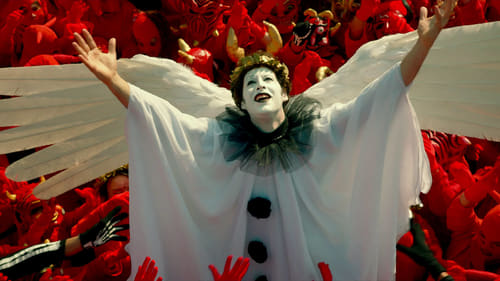
A portrait of the director’s young adulthood, set in the 1940s–1950s, in the electric capital city of Santiago. There, he decides to become a poet and is introduced, by destiny, into the foremost bohemian and artistic circle of the time.
Poetry. Food of pure-souled beings.
No description available for this movie.
No description available for this movie.
Diary Film by Birgit Hein in Cuba.
100 years after the birth of Idea Vilariño we review the life, work and validity of one of the most attractive poets in our literature. Her wisdom and the beauty of her work, the historical and cultural moment in which she lived. Program 100 years: Special television program about her life and her work: «My poetry is me», and illustrated poems on social networks: «Collection idea»
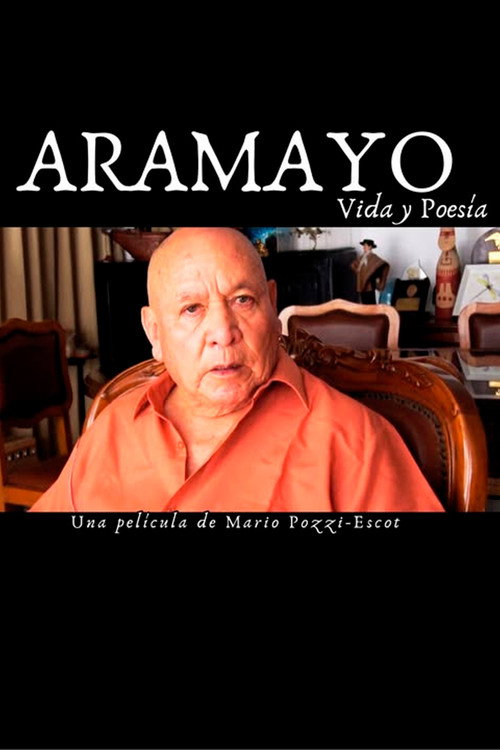
This documentary invites us to discover the life and work of Omar Aramayo, a prominent Peruvian writer, researcher and poet. Testimonial that reflects/documents his prolific career, marked by his tireless exploration of culture and his commitment to the word as a vehicle of memory and identity.
Two years together by Le Nemesiache with the psychiatric patients of the former 'Frullone' hospital in Naples. This experience of music and dance had a profound impact on those who took part in it. This film is a testimony that indicates possible alternatives to the inhuman marginalization of the mental hospital institution. The director of the hospital Sergio Piro, operators and nurses from the 6th women's division and the Department for Youth Problems of Naples collaborated in the making of the film.
No description available for this movie.
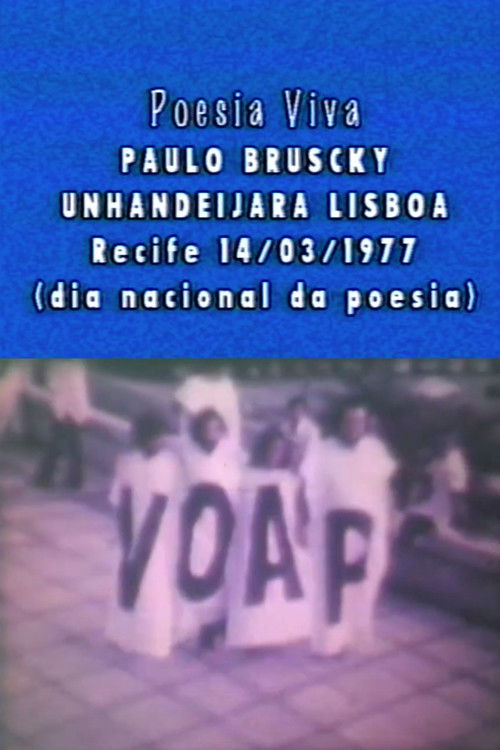
A film about Poesia Viva, an idealized street art happening/event directed by Paulo Bruscky and Unhandeijara Lisboa, on March 14 (National Day of Poetry in Brazil), where people were dressed as letters and the surface of the floor was the pages.

No description available for this movie.
An essay on contemporary Italian poetry with the works of Dario Bellezza and Amelia Rosselli.
Valentina seeks refuge from the incessant waves of her mind in the pages of her upcoming poetry book Lapislazuli, trying to keep her life from slipping away like sand through her fingers. With words from her poem Citrino, we journey through a range of emotions and feel the ups and downs of her Borderline Personality Disorder.
Images of arid landscapes, volcanic rocks, and a wild sea accompany six poems narrated by Oswald Specht: 'Sekura' by Enrique Goilo, 'Keho' by Elis Juliana, 'Laman' by Pieters Kwiers, 'Te Awora Laman' by Luis Daal, and 'Atardi' by Joseph Sickman Corsen.

Three film students filmed the residents of the building Poetry Plaza for a week. The building is located in the richest zone of Rio de Janeiro. On the last day of filming, the building manager confiscated almost all of the memory cards used in the recordings. The film is an edit made from the remaining footage.
No description available for this movie.
The life and legacy of Marco Martos Carrera, an emblematic academic and artistic figure whose influence in the fields of writing, philosophy, and literature has left a profound mark on contemporary culture in the country. Through an intimate, immersive, and realistic audiovisual narrative, this documentary takes us on a journey to explore Martos's creative and poetic work in diverse contexts and activities, offering a unique and enriching perspective on him.
Aspects of the life and work of Julia of Burgos, first socialist poetess from Puerto Rico.
No description available for this movie.
No description available for this movie.

Cecilia arrives in Guadalajara for the first time to study at the Faculty of Literature and become a writer. There she meets Nicolás and Aristeo, young men who claim to be the founders—though in reality the only members—of the Underground Ultraism, a literary movement that aims to change Mexican literature. Through them, she meets Pita, an irreverent and openly bisexual poet with whom she forms a genuine bond. Cecilia finds a new sense of belonging in this group, until the friendship holding it together begins to fracture under the weight of envy.
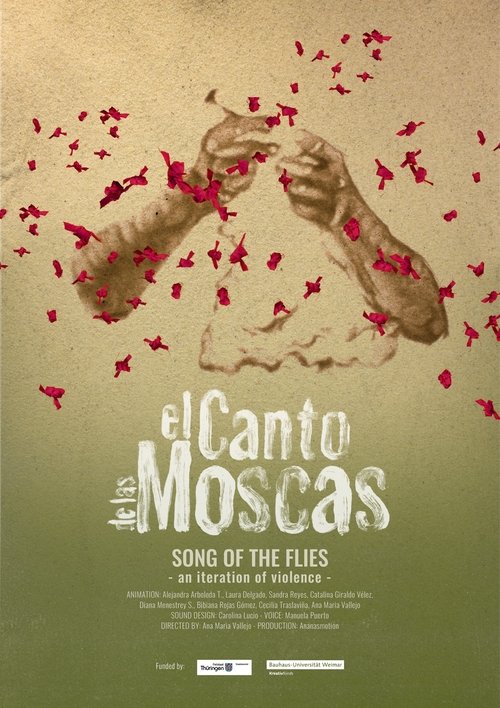
The experimental animated film Song of the Flies (El Canto de las Moscas), translates the desolation caused by the violence of the Colombian armed conflict through the poetic voice of Maria Mercedes Carranza (1945–2003) and the audiovisual dialogue between 9 Colombian women. In 24 places, as a transit over the course of a day (Morning, Day, Night) a map of terror is drawn where massacres took place in Colombia in the 1990s. Archival images, the artists’ personal memories and the use of loops and analogue materials bring to life the landscapes ravaged by violence and build a polyphony of memory and mourning, a universal song of pain.
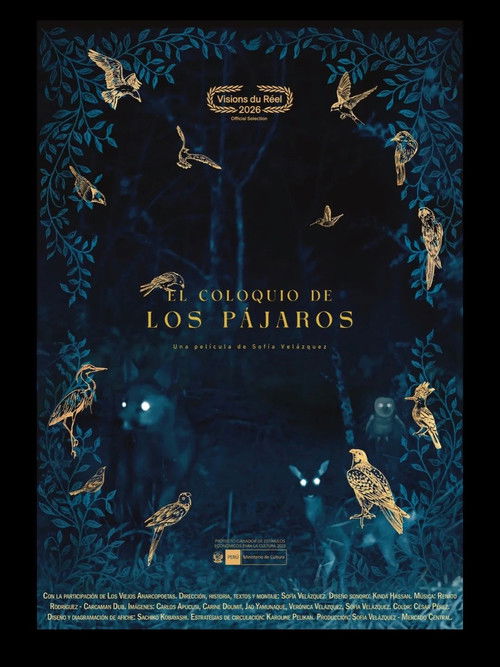
There was once a group of Peruvian anarchist poets forced into hiding who, during their secret meetings, sought to assume a non-human identity. Drawing on the famous Persian fable of the same name, the filmmaker translates the power of poetry and friendship into images and sound, serving as def iant stances against the established order.
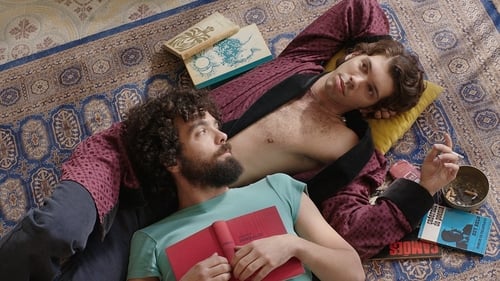
Portugal, 1975. A time of rough changes. A young gay artist trapped in a small seaside town ran by communist winds. Al Berto, the writer, embodies an entire moving generation. He and his friends exude youth, eccentricity and hope for the future - but right after the fall of Portugal's dictatorship system, the country is not yet ready for his love story.
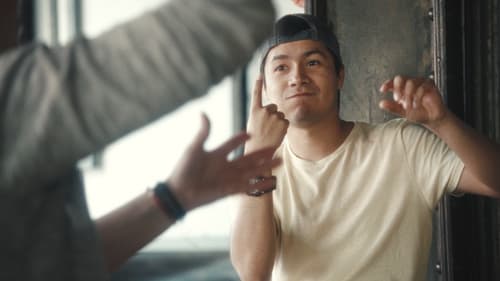
“I love poetry because it makes me feel like my mind expands.” In Regard Silence, that's the very first sentence expressed—in sign language of course. Watching the poems signed by deaf people in this film has a similarly mind-expanding effect. That’s because sign language—the Mexican version in this case—is a very different means of communication than written or spoken language.
No description available for this movie.
Pedro is Mallorcan, born to a mother from Burgos and a father from Mallorca. Due to his distant relationship with his father, Pedro doesn't fully master Mallorcan as a language. He turns to the works of Damià Huguet to remember his father, as only his poems can fill the void left by his death. The poet's words transport Pedro to his childhood and his roots, even though many of the words are unknown to him, despite them belonging to his language. This becomes the driving force behind the protagonist's search for his own identity, his origins, what it means to be a man, father-son relationships, collective identity, and "mallorquinness". Pedro constantly questions the emotions stirred by Huguet's poetry, and, most importantly, who he is and where he belongs.
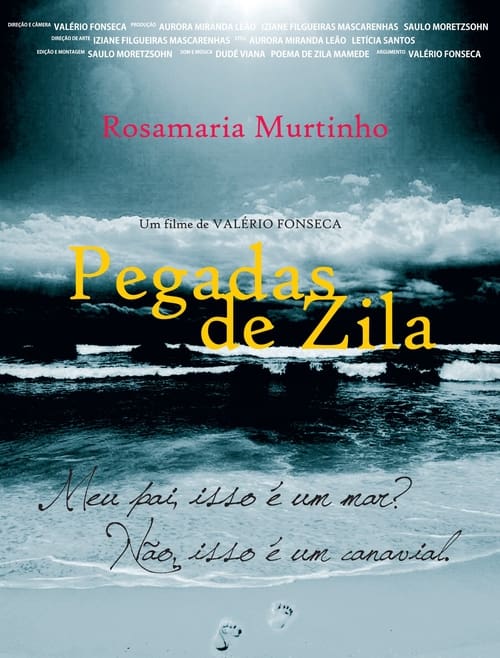
No description available for this movie.
No description available for this movie.
No description available for this movie.
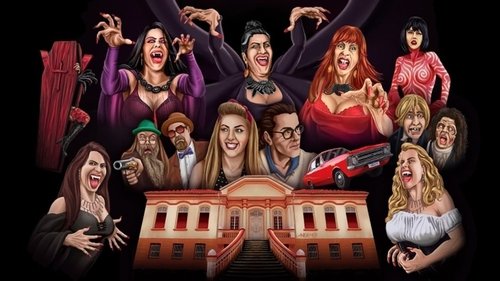
Justine, is a famous TV commercial actress raised by adoptive parents. She is invited to meet her biological family at a party that celebrates her blood parents' successful business: a butcher shop. Thus, the plot unfolds with a series of bizarre and sinister events surrounding these new familiars and the secret of their success.