
Action
Adventure
Animation
Comedy
Crime
Documentary
Drama
Family
Fantasy
History
Horror
Music
Mystery
Romance
Science Fiction
Thriller
War
Western
Found 16 movies, 1 TV show, and 0 people
Can't find what you're looking for?

In this fifth part, Norman McLaren deals not with motion (if motion is defined as a change of location in two- or three-dimensional space) but with change--change in the amount and color of light within an otherwise static screen. Normally, the animator combines such change with motion, but here it is studied in isolation.
The third in a series of five colour films that offer an introduction to the basic techniques of film animation. McLaren explains and demonstrates different aspects of movement that are essential to the animator’s art. In this case it is the pause and irregular movement.
The first part of this series by Norman McLaren deals only with tempo. It starts by showing the disc travelling in one move (1/24 of a second) from A to B, and progressively demonstrates slower and slower tempos.
In this short animation film, Norman McLaren presents the first 3 of the 5 categories of motion: constant, accelerated and decelerated. Various types of acceleration and deceleration are demonstrated, and examples are shown of how these types of motion may be applied in regard to gesture, gravity and perspective.
In this fourth film, Norman McLaren explains and illustrates composite motion, where two of the categories of motion occur simultaneously in one action, such as the motions of jointed or pivoted parts (as occur in animal and human movements). Also shown is a human gesture with increasing amounts of emotion; and finally, the phenomenon of 'strobing' in animation is examined.

Animals partake in various Olympic sporting events. The film features everything from an opening ceremony to an announcer, commentating the events.
Pilař made the two surviving reels of animation experiments after his return from the 1963 Paris Biennale. The gestural brush painting over the surface of the originally black and white puppet film which he almost completely removed from the stock falls at the beginning of his programme works of expressive collage and assemblage. He returned to it repeatedly, as he did to the material he later reworked for Pink Floyd (ca. 1984) and Colours 1965 (ca. 1991).
Pilař made the two surviving reels of animation experiments after his return from the 1963 Paris Biennale. The gestural brush painting over the surface of the originally black and white puppet film which he almost completely removed from the stock falls at the beginning of his programme works of expressive collage and assemblage. He returned to it repeatedly, as he did to the material he later reworked for Pink Floyd (ca. 1984) and Colours 1965 (ca. 1991).
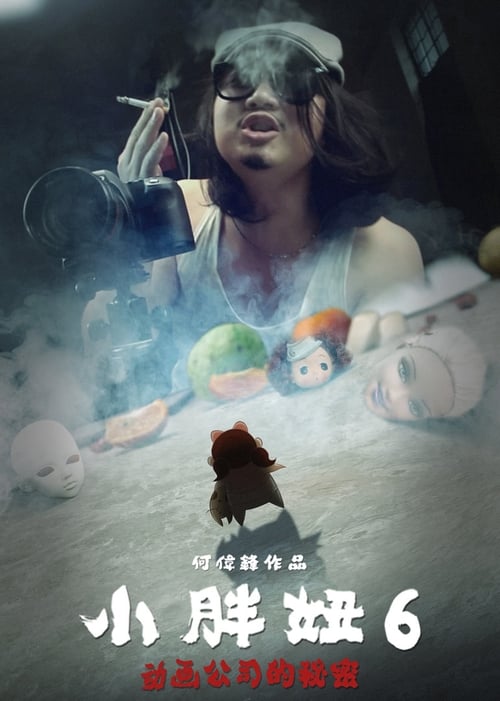
The prince and the Devil seek a doctor for the princess, but end up breaking into an animation studio where characters like them are being forced to act in a thousand-episode series.
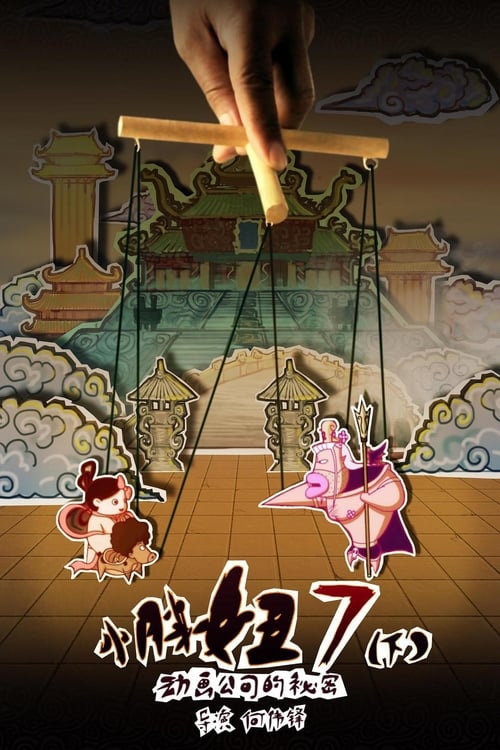
The princess, the Devil and the prince take part in one of the animation director's lacklustre cartoons.

Give children a rich emotional education! This animal video was born out of this desire.
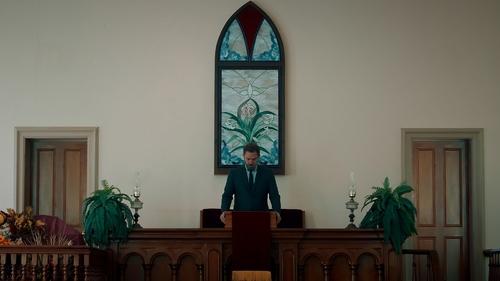
After the passing of his wife, a lonely newspaper editor discovers Berenalin: a medication that promises to put an end to his grief. Its effects begin to drive a wedge between him and his daughter, who needs him more than ever.
A short comedy directed by Ron Dyens.
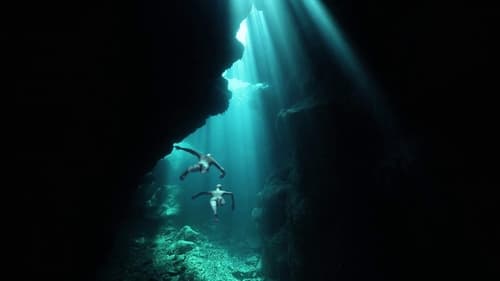
A sequel to the 2011 "Going to the Store" and 2013 "Late for Meeting" animated short films, which feature a silly, disjointed journey in the traditions of dadaism and surreal humor in film.
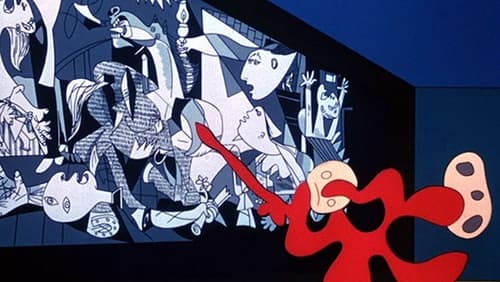
A San Francisco couple travels to France in search of Pablo Picasso.

Kevin Delavan wants only one thing for his fifteenth birthday: a Polaroid Sun 660. There’s something wrong with his gift, though. No matter where Kevin Delevan aims the camera, it produces a photograph of an enormous, vicious dog. Based on "The Sun Dog" novella by Stephen King.