
Action
Adventure
Animation
Comedy
Crime
Documentary
Drama
Family
Fantasy
History
Horror
Music
Mystery
Romance
Science Fiction
Thriller
War
Western
Found 48 movies, 19 TV shows, and 5 people
Can't find what you're looking for?

Year 1936. As villages across Palestine rise against British colonial rule, Yusuf drifts between his rural home and the restless energy of Jerusalem, longing for a future beyond the growing unrest. But history is relentless. With rising numbers of Jewish immigrants escaping antisemitism in Europe and some arriving with nefarious Zionist-colonial ambitions, and the Palestinian population uniting in the largest and longest uprising against Britain’s 30-year dominion, all sides spiral towards inevitable collision in a decisive moment for the British Empire and the future of the entire region.
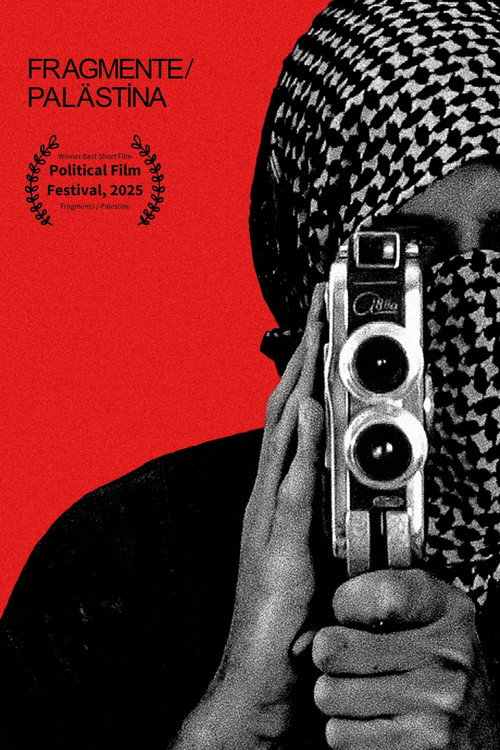
Produced whilst the genocide in Gaza was being broadcast live, the essay film Fragments/Palestine uses a montage of historical archive footage, television broadcasts and photographs to take a stand on the responsibility of Western media, thereby formulating its arguments into a militant manifesto in solidarity with the Palestinian struggle for liberation.
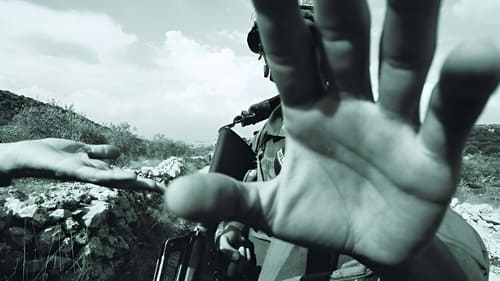
Follows the repercussions of the Israeli Security Wall and Settlement expansion in the engulfed/annexed Palestinian farming communities of the West Bank and the Gaza Strip, examining the grassroots resistance movement that sprang up against it. An interminable road trip across hard and liquid borders, across a terrain that is being erased as it is being traversed.

Somewhere in the West Bank, Chaim, an Israeli soldier is injured during an accident, losing his memory as a result. When the young man is found wandering lost by a Palestinian villager, he is mistaken for Nasim, a young Palestinian man who has long been disappeared in an Israeli prison.
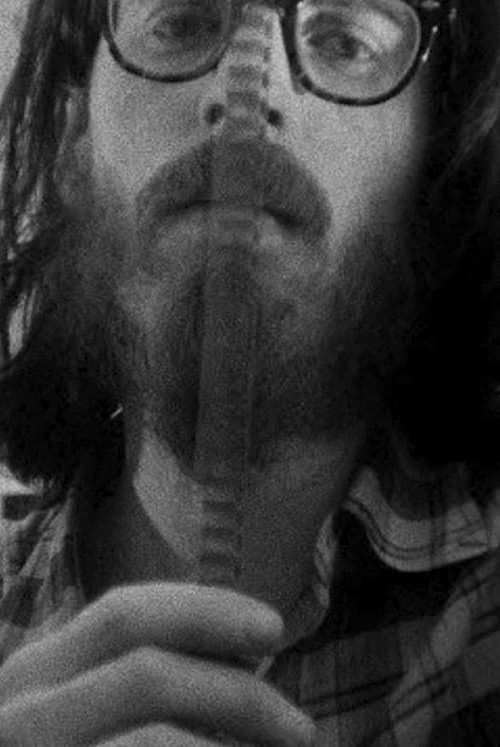
A personal take on Palestine and the creation of Israel, from the Arab perspective. Admittedly a presentation of only one side of the story, done in order to provide some balance to the issue for American audiences. The filmmaker uses a narrative voice over photos as well as metaphoric images and skits, rather than relying on documentary footage.

Produced by award-winning Platform Films, this documentary examines how the truth is being censored in the mainstream and social media, in education and education and entertainment and how terrorism law is being used to silence dissent. With contributions from Ken Loach, Peter Oborne and Sarah Wilkinson.
Long before the first Intifada drew international media to focus on Palestinian life under Israeli rule, David Koff produced this in-depth portrait of the daily conflict being waged in Israel/Palestine. It was recently rediscovered. With a combination of candid interviews and remarkable historic footage, Occupied Palestine unpicks the strategic and ideological motors of Israeli rule in Palestine, powerfully depicting that the roots of today's crises were firmly planted in the ground decades ago. Met with bomb threats and censorship on its initial release in the US in 1981, Occupied Palestine remains a singular work of engaged filmmaking and a unique record of an overlooked chapter in the course of the conflict.
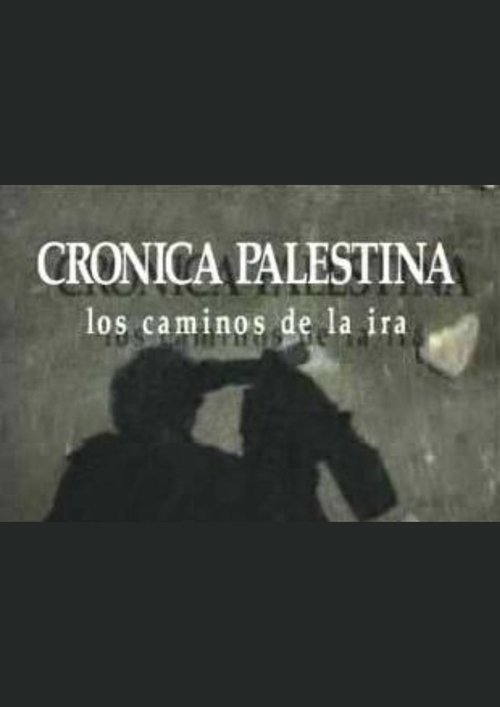
During May 2001, Chilean filmmaker Miguel Littin traveled through historic Palestine, documenting everyday life amid the war—more precisely, the existential distance between a child throwing stones with a slingshot and tanks filled with artillery.
In a country that has been occupied for decades, a couple of puppeteers continue to bring a little joy from village to village. The children laugh, perhaps still unaware of the gravity of the situation. The central section is devoted to a visit to the refugee camp of Dheisheh.
No description available for this movie.

Maha, 12, is part of the last generation of Palestinian refugees from the Balata camp. Following a faintness from her blind grandfather, she imagines a crazy project: to make him believe that the wall of separation has fallen and that a return to his native land is possible.
“Palestine Vaincra (Palestine Will Win)" is regarded as the first French documentary film made in support of the Palestinian liberation movement. Shot in 1969 by Jean-Pierre OLIVIER de SARDAN in a student dorm, the film blends historical testimonies by Palestinians, photographs, stock footage, maps, and music. The documentary centers on the 1968 Battle of Karameh, while also tracing the complex story of the past five decades of Palestinian resistance against oppression and colonialism.
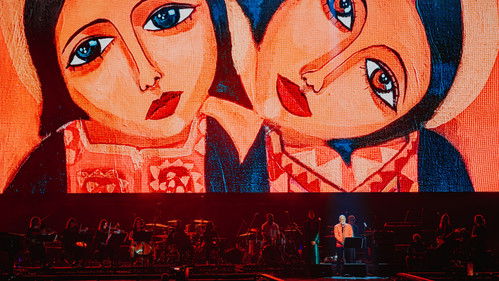
Broadcast of the "Together for Palestine" charity concert organized by Brian Eno along with several artists to raise funds and awareness for Palestinian civilians affected by the ongoing war in Gaza.
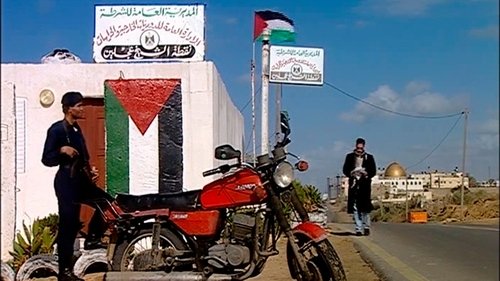
Cyber Palestine is a parable about a modern-day Mary and Joseph, two Palestinian returnees living in Gaza, and their tribulations with the Israeli occupation. Cyber Palestine was commissioned by the Palestinian National Authority's Bethlehem 2000 Project as part of the millennium commemorations in Bethlehem.
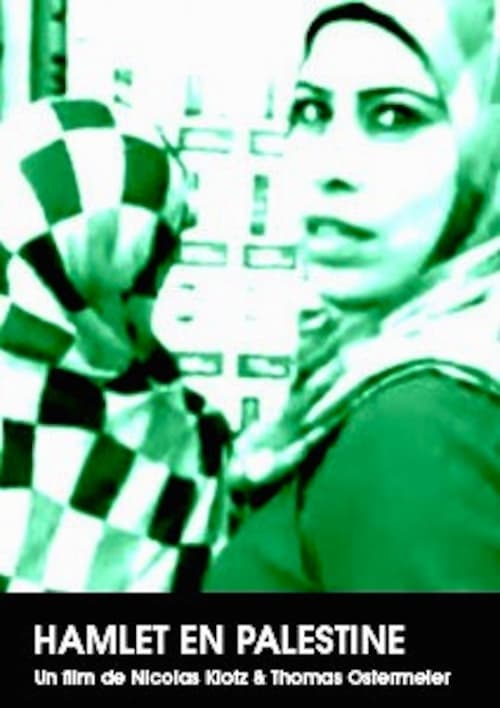
When Thomas Ostermeier, artistic director of the Schaubühne in Berlin, decided to go to Ramallah in September 2012 to stage Hamlet at the invitation of the Al-Kasaba Theatre, he knew that the Shakespearean verses would find a particular resonance there. The idea of the trip came from intense contact with theatre professionals in Palestine, and most especially with the Freedom Theatre in the refugee camp in Jenin. Under the watchful eye of the film director Nicolas Klotz, the tragedy of the Danish prince intersects with that of young Palestinians. The film is, moreover, a view on another tragedy: the murder of Juliano Mer Khamis, the former director of Freedom Theatre, killed by an unknown assassin in April 2011.

What drives a young, well-educated Westerner to volunteer as a “peace activist” in the Middle East? Caiomhe Butterly is one of a growing number of volunteers who risk their own safety to intervene in the long-running and bloody conflict between Israel and Palestine. Several internationals, including her, have now been injured. Some have died. In this film, she describes witnessing the aftermath of the attack on Jenin in April 2002. The film follows her work, the main emphasis being “the accompaniment of communities at risk”. Despite being threatened, shot in the leg and deported later that year, she is determined to go back.
In July 2002, the illustrator Daniel Maja is invited to Ramallah and Gaza to develop a project for art schools in Palestine, despite the fact that most West Bank cities are under curfew at the time. Dominique Dubosc, the filmmaker, decides to accompany him. The film develops according to their two gazes, which play one against the other, or with the other, in two mediums, throughout the journey.

Lacan Palestine is a found footage essay about the troubled couple in Palestine. This country without a country has been party to imperial projections for centuries, amply on display here in waves of armed crusaders, legionnaires, Mongols on horseback and biplanes issuing state edicts from the end of a machine gun. There are maps by the galore, drawn and redrawn as occupied territories are bartered in foreign capitals. Contemporary art activists Velcrow Ripper, Elle Flanders, Tamira Sawatzky, Dani Leventhal and others have generously donated their keen lookings and these have been blended with newsreels, desert spectaculars, historical recreations and intimate encounters. Mike Cartmell appears as the ghost of psychoanalysis, offering ruminations on killing the father, John Coltrane and why enjoyment is difficult
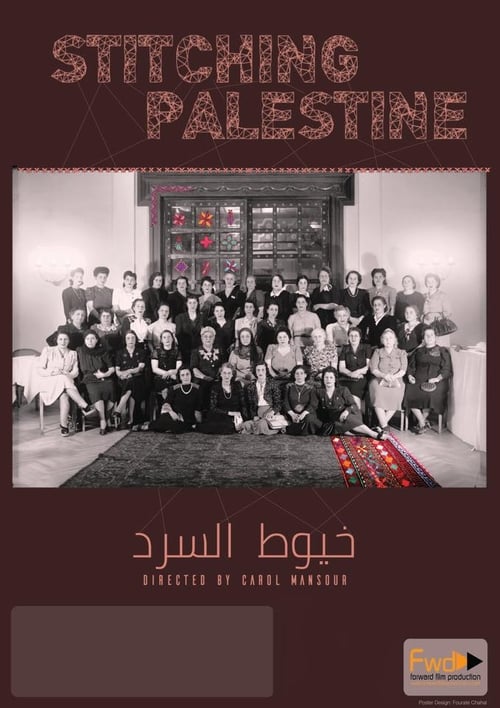
Twelve Palestinian women sit before us and talk of their life before the Diaspora, of their memories, of their lives and of their identity. Their narratives are connected by the enduring thread of the ancient art of embroidery. Twelve resilient, determined and articulate women from disparate walks of life: lawyers, artists, housewives, activists, architects, and politicians stitch together the story of their homeland, of their dispossession, and of their unwavering determination that justice will prevail. Through their stories, the individual weaves into the collective, yet remaining distinctly personal. Twelve women, twelve life-spans, and stories from Palestine; a land whose position was fixed on the map of the world, but is now embroidered on its face.
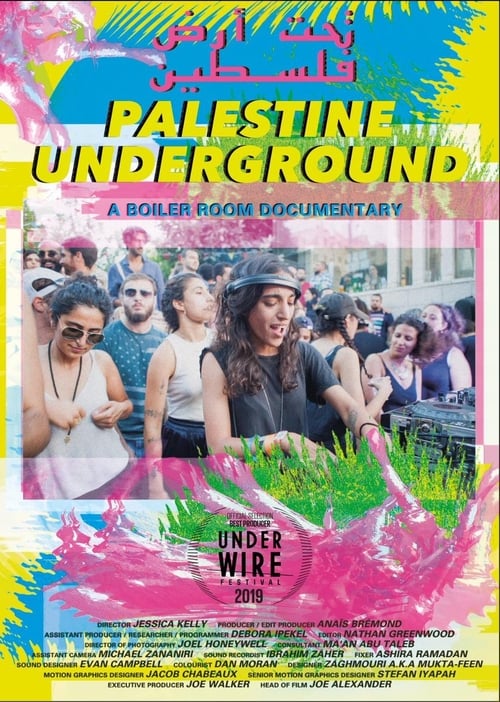
Palestine Underground by Boiler Room, 4:3 and Ma3azef documents the resilience of a burgeoning music scene undeterred and fuelled by political restrictions, building bridges through a shared sound and identity.
January 29, 2024. Red Crescent volunteers receive an emergency call. A five-year old girl is trapped in a car under fire in Gaza, pleading for rescue. While trying to keep her on the line, they do everything they can to get an ambulance to her. Her name was Hind Rajab.
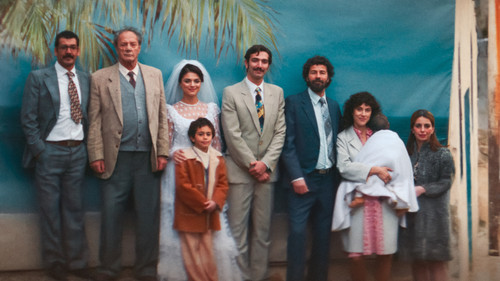
After a Palestinian teen gets swept up into a West Bank protest, his mother recounts the family story of hope, courage and relentless struggle that led to this fateful moment.
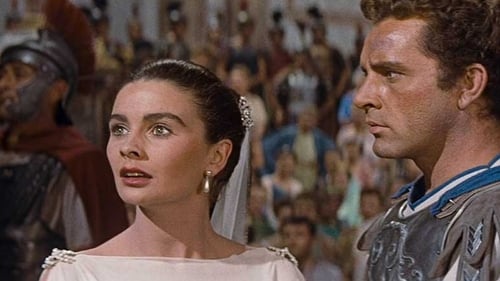
Drunk and disillusioned Roman, Marcellus Gallio, wins Jesus' robe in a dice game after the crucifixion. Marcellus has never been a man of faith like his slave, Demetrius, but when Demetrius escapes with the robe, Marcellus experiences disturbing visions and feels guilty for his actions. Convinced that destroying the robe will cure him, Marcellus sets out to find Demetrius — and discovers his Christian faith along the way.

This film made by a Palestinian-Israeli collective shows the destruction of the occupied West Bank's Masafer Yatta by Israeli soldiers and the alliance which develops between the Palestinian activist Basel and Israeli journalist Yuval.
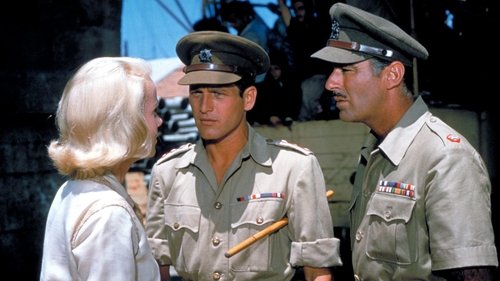
Ari Ben Canaan, a passionate member of the Jewish paramilitary group Haganah, attempts to transport 600 Jewish refugees on a dangerous voyage from Cyprus to Palestine on a ship named the Exodus. He faces obstruction from British forces, who will not grant the ship passage to its destination.
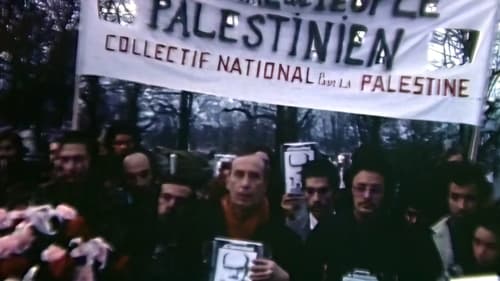
Filmed between 1973 and 1975, L’Olivier was produced by the Vincennes Cinema Group. This activist collective of teachers and filmmakers, formed on the occasion of this film, attempts to explain the Palestinian problem through interviews. The Olivier was one of the first films to attempt to give substance to what was still largely ignored in the West: the existence of the Palestinian people and their fight to recover their rights. L'Olivier responds to a concern: the already weak support of French public opinion for the Palestinian cause diminished following the Munich operation of 1972. Structured in such a way as to tell the Palestinian story and explain the state of the struggle at the time, the film appeals to global militant solidarity and, in particular, to European political commitments.
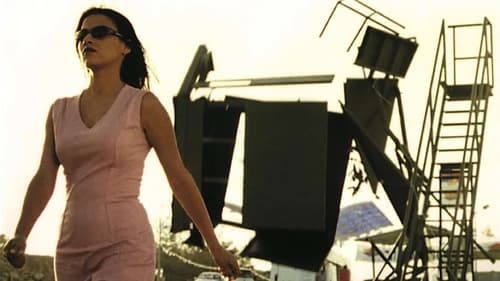
Santa Claus tries to outrun a gang of knife-wielding youth. It's one of several vignettes of Palestinian life in Israel - in a neighborhood in Nazareth and at Al-Ram checkpoint in East Jerusalem. Most of the stories are droll, some absurd, one is mythic and fanciful; few words are spoken. A man who goes through his mail methodically each morning has a heart attack. His son visits him in the hospital. The son regularly meets a woman at Al-Ram; they sit in a car, hands caressing. Once, she defies Israeli guards at the checkpoint; later, ninja-like, she takes on soldiers at a target range. A red balloon floats free overhead. Neighbors toss garbage over walls. Life goes on until it doesn't.
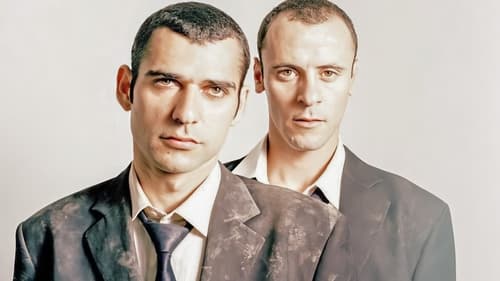
Two childhood friends are recruited for a suicide bombing in ̶T̶e̶l̶ ̶A̶v̶i̶v̶ Jaffa.

When two young American Jews raised to unconditionally love Israel witness the mistreatment of Palestinians, they battle the old guard to create a new movement opposing Israel’s occupation, and recentering Judaism itself.
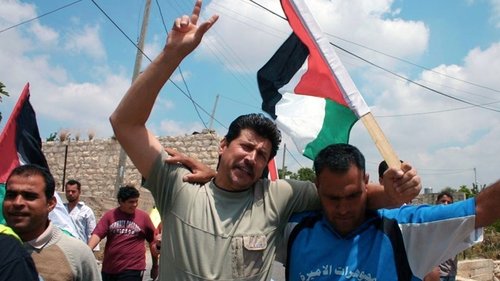
Five broken cameras – and each one has a powerful tale to tell. Embedded in the bullet-ridden remains of digital technology is the story of Emad Burnat, a farmer from the Palestinian village of Bil’in, which famously chose nonviolent resistance when the Israeli army encroached upon its land to make room for Jewish colonists. Emad buys his first camera in 2005 to document the birth of his fourth son, Gibreel. Over the course of the film, he becomes the peaceful archivist of an escalating struggle as olive trees are bulldozed, lives are lost, and a wall is built to segregate burgeoning Israeli settlements.
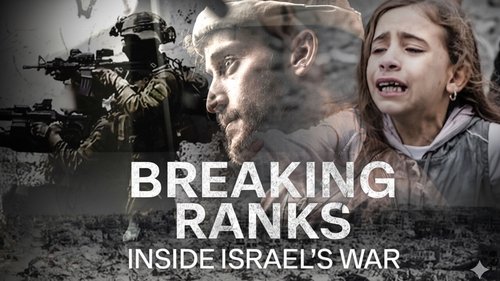
Breaking Ranks: Inside Israel’s War presents the first-hand recollections of IDF soldiers who have broken official silence to share their experiences of the war in Gaza - accounts that may raise serious questions about conduct on the ground and potential breaches of international law. Directed by award-winning filmmaker Ben Zand, the film features exclusive interviews with Israel Defense Forces (IDF), reservists and veterans - many speaking for the first time - who served during the war in Gaza. Their testimonies describe what they recall as indiscriminate bombardment, instances where Palestinian civilians were used as human shields, and an operational culture that some soldiers characterised as “no innocents in Gaza.”
14-year-old Zain, a Palestinian swimming champion, faces war and man-made famine. He becomes the sole caregiver to his little brother. When aid drops into the sea, desperate for food, Zain is forced to swim - not for passion, but for survival.
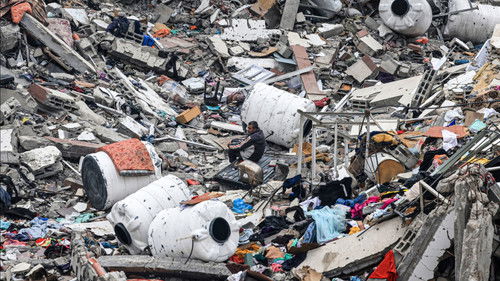
Free access to the Gaza Strip has remained closed to international journalists since the war began on October 7, 2023. AFP's permanent reporters are among the few professional witnesses to have experienced this conflict from the inside. They have watched, filmed, photographed, testified, all whilst struggling to ensure their own survival. From their exile, they recount this war, which is the deadliest ever recorded for members of the press.
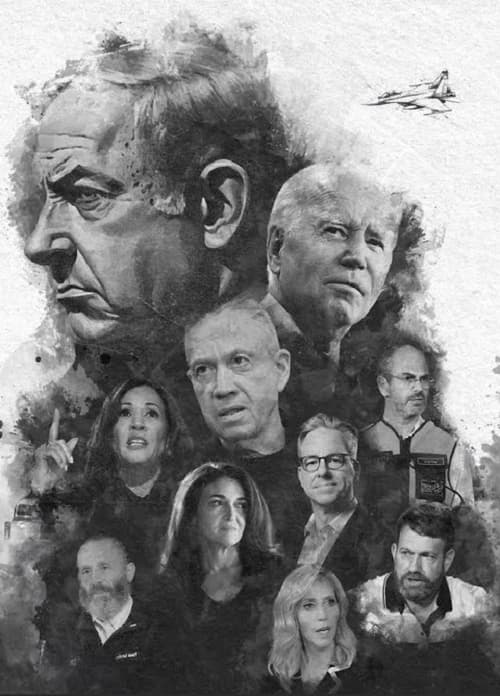
In an exclusive new documentary, Max Blumenthal rips the cover off the media deceptions and atrocity hoaxes Israel pushed after October 7 to create political space for its gruesome assault on the Gaza Strip. Blumenthal exposes the US mainstream media's role as a megaphone for the Israeli government, introducing new lies even after their initial ones were debunked. Atrocity Inc raises serious questions about the official narrative of October 7, while revealing how Israel's army has consciously engaged in the same hideous atrocities which it falsely accused Palestinian militants of committing.
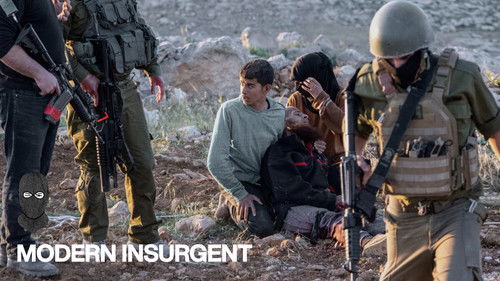
They Break the Tree of Peace explores the reality of life under military occupation in Masafer Yatta, documenting the violence, intimidation, and demolitions carried out and coordinated by illegal settlers and Israeli occupation forces against Palestinian communities.
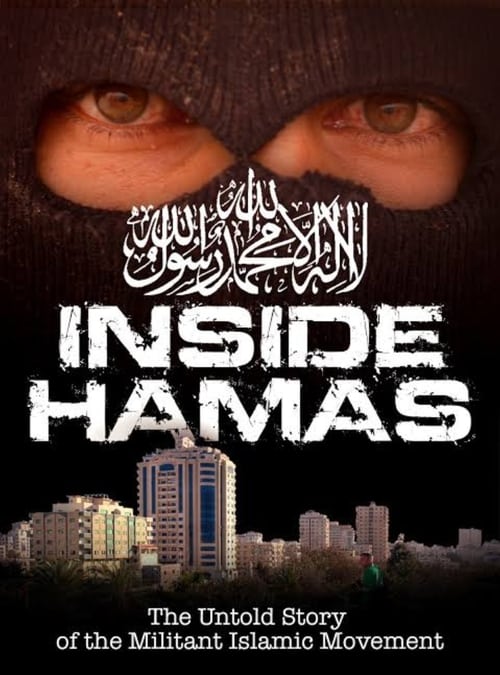
What is the reality of daily life in Gaza, along the border of Israel? Can the religious organization of Hamas, rivals to the PLO, move from international pariah to meaningful political player with citizens' interests at heart? Developed over two years and with unprecedented access to this 'terrorist' organization, this documentary uncovers the deeper issues defining life in Gaza under Hamas.
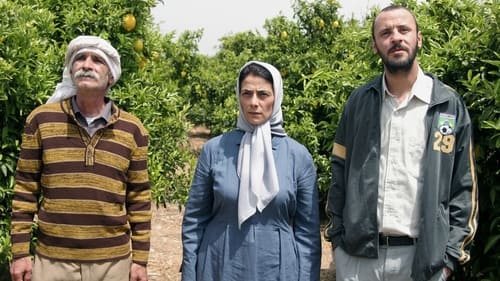
Salma Zidane, a widow, lives simply from her grove of lemon trees in the West Bank's occupied territory. The Israeli defence minister and his wife move next door, forcing the Secret Service to order the trees' removal for security. The stoic Salma seeks assistance from the Palestinian Authority, Israeli army, and a young attorney, Ziad Daud, who takes the case. In this allegory, does David stand a chance against Goliath?

A look inside the work of Breaking the Silence, an organization of former IDF combat soldiers who collect and publish testimonies of soldiers who served in the occupied territories. For six months, director Silvina Landsmann, camera in hand, accompanied the staff of the organization. The many hours of footage have been refined into a film that dives into the heart of Breaking the Silence’s work: guided tours of Hebron and the surrounding area, public lectures and house meetings, internal staff meetings and media strategy. All the while the organization is forced to justify its very existence, both internally and to the broader public, and to justify its place in the political debate. The Good Soldier raises questions about Israel’s dynamic mainstream and the challenges of confronting it.
Mohammed El Kurd is a Palestinian boy growing up in the neighbourhood of Sheikh Jarrah in the heart of East Jerusalem. When Mohammed turns 11, his family is forced to give up part of their home to Israeli settlers, who are leading a campaign of court-sanctioned evictions to guarantee Jewish control of the area. Shortly after their displacement, Mohammed’s family and other residents begin peacefully protesting against the evictions, determined not to lose their homes for good. In a surprising turn, they are quickly joined by scores of Israeli supporters who are horrified to see what is being done in their name. Among them is Jewish West Jerusalem resident Zvi Benninga and his sister Sara, who develop a strong relationship with Mohammed and his family as they take on a leading role in organizing the protests.
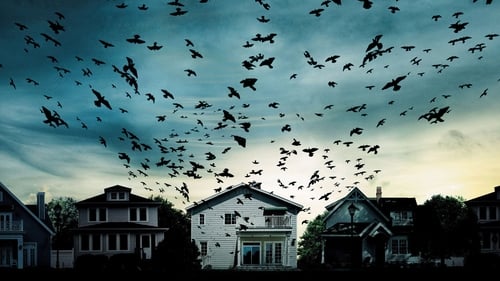
From the producers of Paranormal Activity, Insidious, and Sinister comes Dark Skies: a supernatural thriller that follows a young family living in the suburbs. As husband and wife Daniel and Lacey Barret witness an escalating series of disturbing events involving their family, their safe and peaceful home quickly unravels. When it becomes clear that the Barret family is being targeted by an unimaginably terrifying and deadly force, Daniel and Lacey take matters in their own hands to solve the mystery of what is after their family.
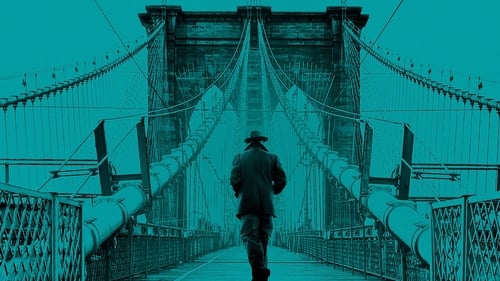
New York City, 1957. Lionel Essrog, a private detective living with Tourette syndrome, tries to solve the murder of his mentor and best friend, armed only with vague clues and the strength of his obsessive mind.
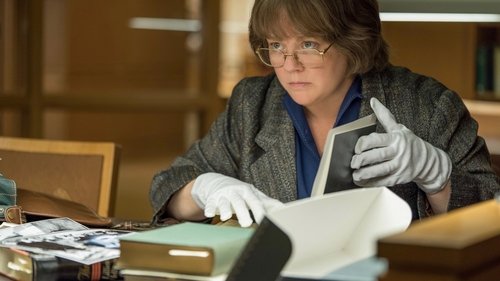
When a bestselling celebrity biographer is no longer able to get published because she has fallen out of step with current tastes, she turns her art form to deception.

A secret fantasy blog might jeopardize the promising future of Laras, a talented student, when the blog is revealed to her entire school.
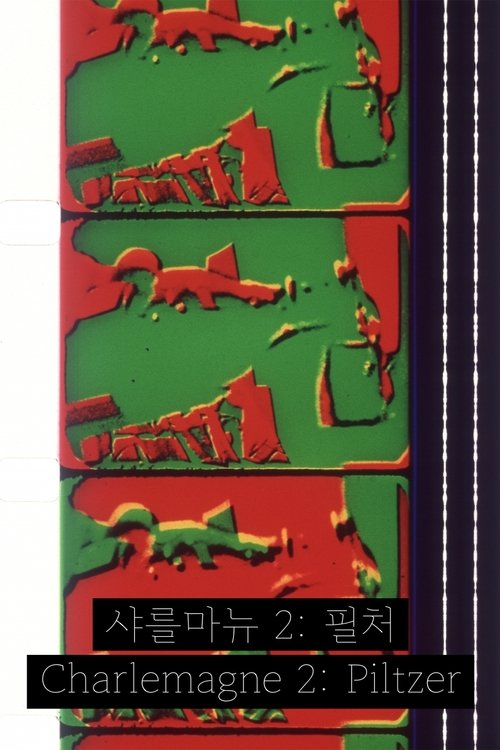
Pip Chodorov's "Charlemagne 2: Piltzer" is a tour de force of hand-processed film which documents a Palestine piano concert. Chodorov uses flicker, negative/positive imagery, different printing techniques and colored filters to produce a film that is a true merging of sound and vision. - Frequent Small Meals
Charlemagne Palestine, New York musician in Brussels, and Pip Chodorov, film-maker from New York in Paris, evoke their home town through images filmed in 16 mm, sounds taken over the years, songs, electronic music, as well as a new composition of Charlemagne Palestine: The Pastrami Recordings.
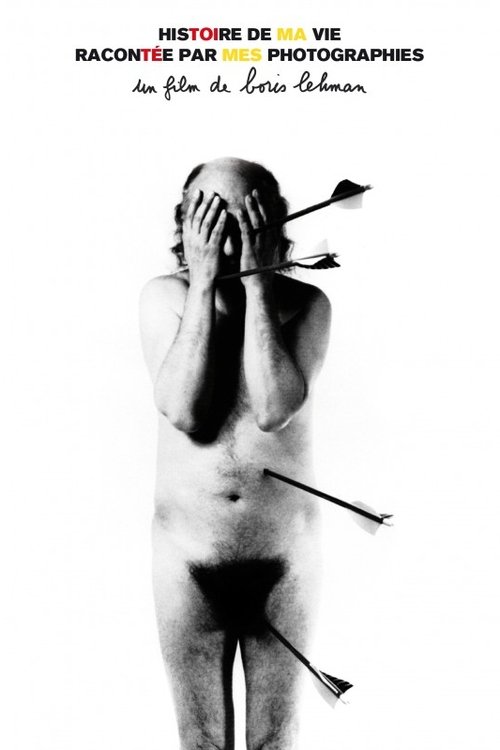
Through many photographs, he tells the story and allows his story to be told by those photographed. This is where the brilliant documentary reversal takes place.
A young couple buys a house with intention of "flipping it". Mysterious activities start happening to them while they are repairing the home.
A lost film. Remade by Micheaux as a sound film, The Girl from Chicago (1932).