
Action
Adventure
Animation
Comedy
Crime
Documentary
Drama
Family
Fantasy
History
Horror
Music
Mystery
Romance
Science Fiction
Thriller
War
Western
Found 28 movies, 8 TV shows, and 0 people
Can't find what you're looking for?

Tonoin Kei, a musical genius, becomes the new conductor of Fujimi, clashing with the group's leader, Morimura Yuuki, who is unaware of Kei's feelings for him.
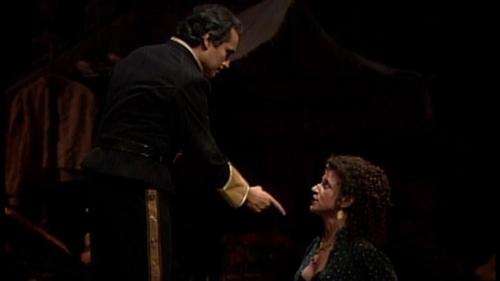
This all-star cast is framed by Peter Hall’s gritty, realistic production and conducted by James Levine, who brings out all the surging emotion and gripping drama in Bizet’s score. At the center of the story is Agnes Baltsa, whose smoky mezzo is tailor-made for the gypsy Carmen, an independent woman who glories in obeying only her own rules, but who is haunted by fate. Superstar tenor José Carreras is Don José, the solider from a small town who catches Carmen’s eye and is destroyed by his growing obsession with her. Samuel Ramey is the charismatic matador Escamillo, who lures Carmen away from Don José with tragic result. Leona Mitchell is Micaëla, the simple girl from Don José’s hometown who cannot save him. March 21, 1987 Matinee Broadcast.
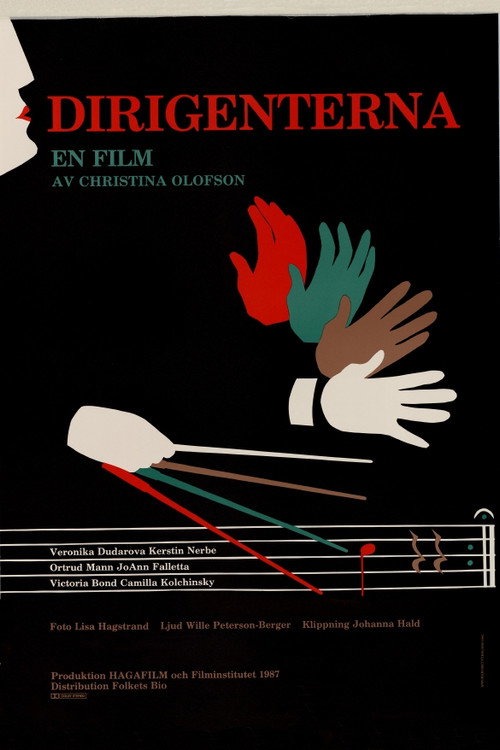
Six women have entered a male world - the orchestra conductors. The doubtfulness against female conductors and musicians in the world of classical music becomes clear during a visit to the Vienna Philharmonic. Conductors Sixten Ehrling and Jorge Mester comment on the prevailing conservative attitudes among colleagues.
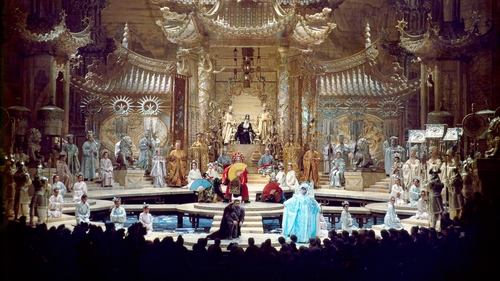
The Franco Zeffirelli production of Puccini's "Turandot", recorded live at the Metropolitan Opera in April, 1987. Éva Marton stars as Turandot, with Plácido Domingo as Calaf, Leona Mitchell as Liù, Paul Plishka as Timur, and Hugues Cuenod as L'Imperatore Altoum. James Levine conducts.
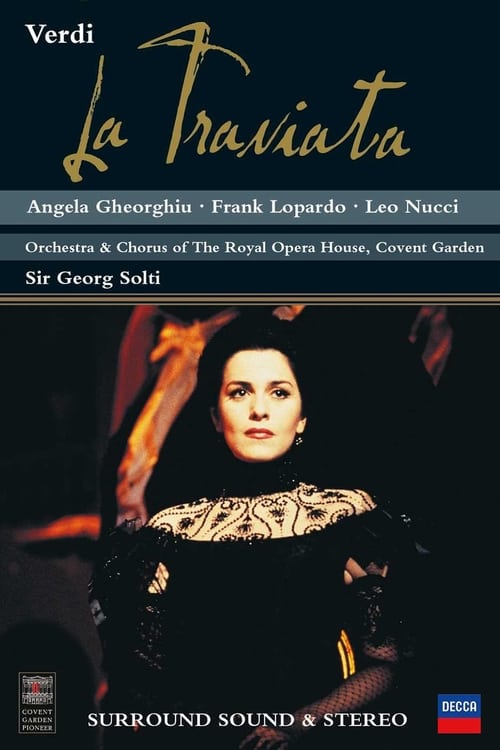
La traviata (Italian: [la traˈviaːta], "The Fallen Woman"[1][2]) is an opera in three acts by Giuseppe Verdi set to an Italian libretto by Francesco Maria Piave. It is based on La dame aux Camélias (1852), a play adapted from the novel by Alexandre Dumas, fils. The opera was originally entitled Violetta, after the main character. It was first performed on 6 March 1853 at the La Fenice opera house in Venice. Piave and Verdi wanted to follow Dumas in giving the opera a contemporary setting, but the authorities at La Fenice insisted that it be set in the past, "c. 1700". It was not until the 1880s that the composer and librettist's original wishes were carried out and "realistic" productions were staged.[3]
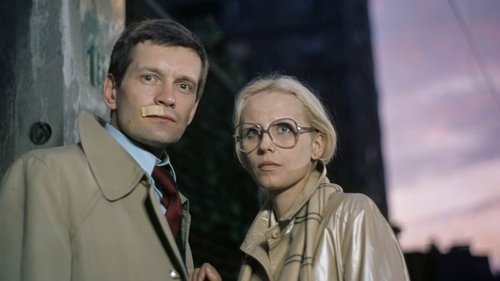
A violinist in a provincial Polish orchestra, whose husband is the director of the ensemble, on a visit to the US ties up with the world- renowned symphony conductor. As it turns out he was once in love with violinist's mother. The conductor, a slightly unstable hypochondriac, returns to Poland to lead the provincial orchestra. He also tries to revive old love affair using the violinist as a surrogate of her mother. Her husband is resentful of the conductor for both personal and professional reasons.
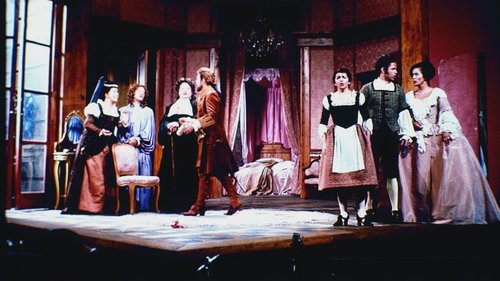
Live performance of Mozart's opera buffa "Le nozze di Figaro" from the Glyndebourne Festival Opera in 1973, featuring Knut Skram, Ileana Cotrubas, Benjamin Luxon, Kiri Te Kanawa, and Frederica von Stade.
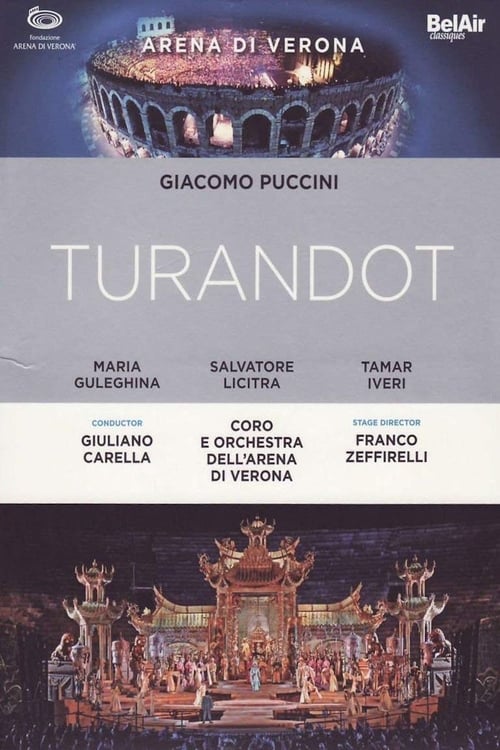
The Arena di Verona Festival honors Italian stage director Franco Zeffirelli, and his legendary production of Turandot. Interpreted within the sumptuous surroundings of Verona Arena, this Puccini's masterpiece tells the story of a princess whose beauty was only comparable to her cruelty. She will only marry a prince capable of solving her riddles, but if he fails, he will be beheaded... For this edition, the lyrical festival invites the russian soprano Maria Guleghina who proved a brilliant Turandot. She took to the stage with Salvatore Licitra's trump card is his imposingly radiant tenor voice of wich he remains in sovereign control, and the soprano Tamar Iveri is a beautiful and sensitive Liù.
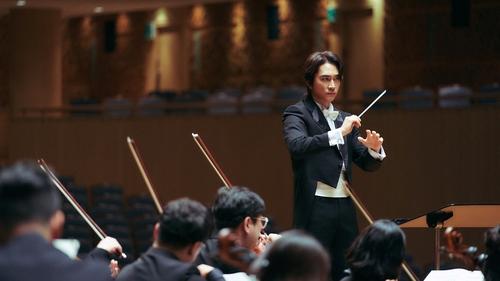
Su-yeon, a cellist in an orchestra led by her fiancé and conductor Sung-jin, disappears one day, leaving behind only a video recording. Sung-jin is devasted over the loss of Su-yeon, but feels a strong attraction to Mi-ju, a cellist who fills in for his fiancée. Then one rainy night, Sung-jin and Mi-ju get swept away by their mutual desires for each other and commit an unforgivable act at Su-yeon's house.
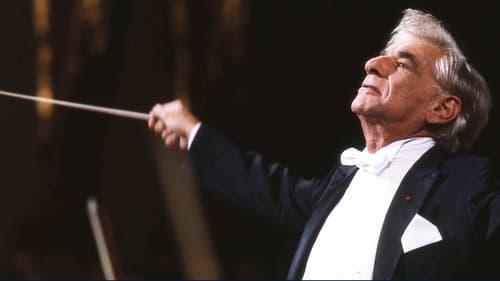
One of the first US born conductors to receive worldwide fame, Leonard Bernstein is an exceptional composer and certainly not only due to The West Side Story. Instead of concentrating exclusively on his most famous work, Thomas von Steinaecker sets out to paint a complete picture of Bernstein. Thus, the documentary focusses on the American’s less known later works and on three compositions in particular: his Mass, the musical 1600 Pennsylvania Avenue and the great final opera A Quiet Place. The film paints a vivid picture of the multitalented Bernstein, struggling with his role as composer and conductor, tackling the tension between successes and flops, between the politics of his time and his own liberal humanitarian claim. It looks back on Bernstein’s major achievements, such as his acclaimed conducting of Mahler and his involvement in the Young People’s Concerts, and it shows Bernstein’s work with young aspiring musicians as well as his political commitment.
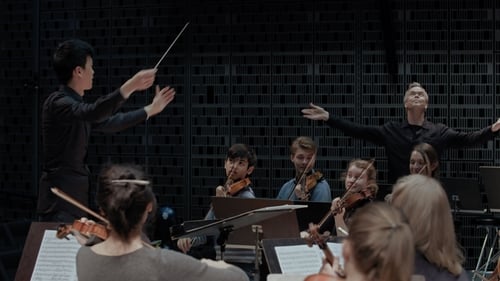
Conductivity is a film about creative leadership told through the story of three young conductors at the prestigious Sibelius Academy in Helsinki, Finland; I-Han Fu (Taiwan), Emilia Hoving (Finland) and James Kahane (France). When stepping on the podium, they are put under a magnifying glass. Conductor training, in essence, is leadership training. The film gives a unique viewpoint to follow the students, as this is the first film about conductor training at the Sibelius Academy.
A Spanish orchestra conductor deals with the mysterious disappearance of his girlfriend.
In 1949, composer Roman Strauss is executed for the murder of his wife. In 1990s Los Angeles, a detective comes across a mute amnesiac woman who is somehow linked to the Strauss murder.
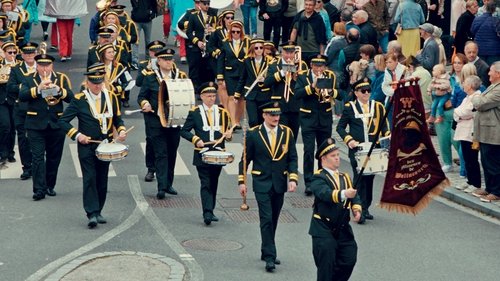
A world-famous orchestra conductor discovers the brother he never knew he had — a school cafeteria worker who plays trombone in a local marching band. Detecting his brother's exceptional musical talent, he takes it upon himself to rectify the injustice of fate.

No description available for this movie.

Two detectives are tasked to investigate the murder of an old man, found bludgeoned to death in a Tokyo rail yard.
No description available for this movie.

Before he left for a brief European visit, symphony conductor Sir Alfred De Carter casually asked his staid brother-in-law August to look out for his young wife, Daphne, during his absence. August has hired a private detective to keep tabs on her. But when the private eye's report suggests Daphne might have been canoodling with his secretary, Sir Alfred begins to imagine how he might take his revenge.
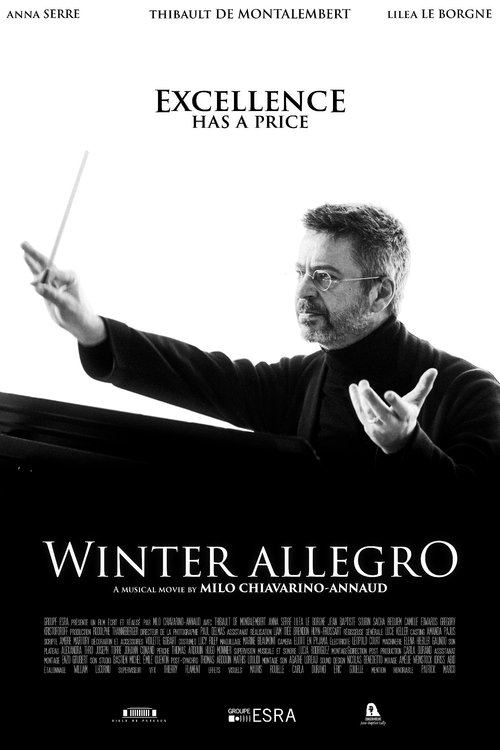
Winter Allegro portrays the fierce competition between two violin prodigies to win the solo part of an abusive conductor's new rendition of Vivaldi's Four Seasons. Camille, first chair violinist, faces Anya, a younger American virtuoso.
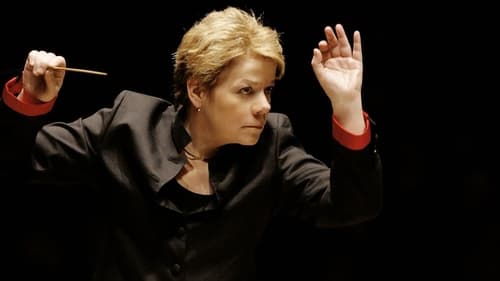
Leonard Bernstein’s protégée Marin Alsop reveals how she smashed the glass ceiling to become an internationally renowned conductor.

This unconventional film is an observation Teodor Currentzis – one of the most extra-ordinary modern conductors. Backed by pieces from Mozart, Stravinsky, Jean-Philippe Rameau and with choreography by Jiri Kylian, this film is 64 minutes of love, light, life, beauty and being inside music.
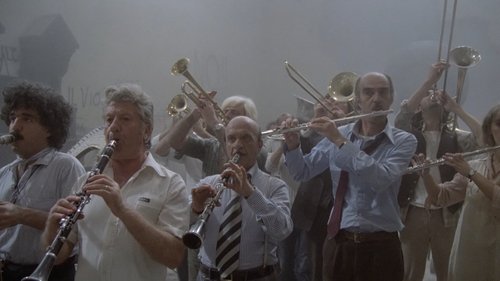
An orchestra assembles for a rehearsal in an ancient chapel under the inquisitive eyes of a TV documentary crew, but an uprising breaks out.
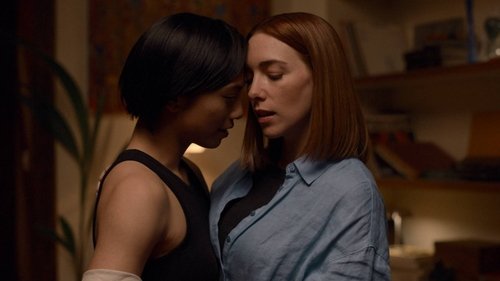
Two ambitious women, both orchestra conductors, meet in a gothic mansion and are instantly drawn to each other. But their attraction is complicated when they discover they’re rivals for the same prestigious job.
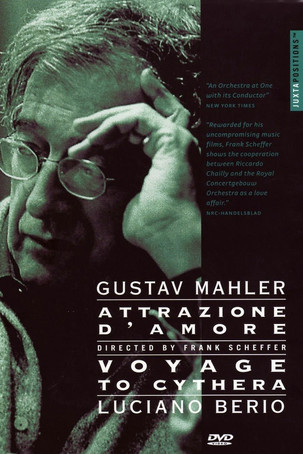
Attrazione d'Amore is a touching illustration of the unique relation that has developed between the Conductor Riccardo Chailly and his famous Royal Concertgebouw Orchestra. Voyage to Cythera navigates through wonderful musical quotes made of performances conducted by Berio, rehearsals, archival documents and interviews featuring Riccardo Chailly and Louis Andriessen.
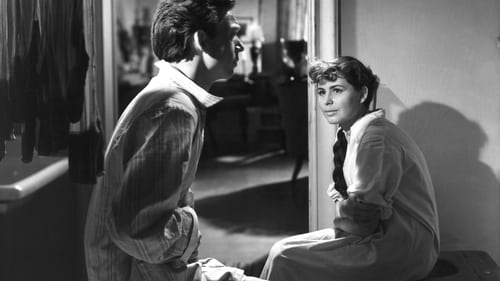
A young orchestra violinist’s fear of mediocrity and drive for artistic success strain his marriage to a fellow musician. Told largely in flashback and shaped by Beethoven’s Ninth Symphony, the film examines ambition, love, and loss in early Ingmar Bergman.
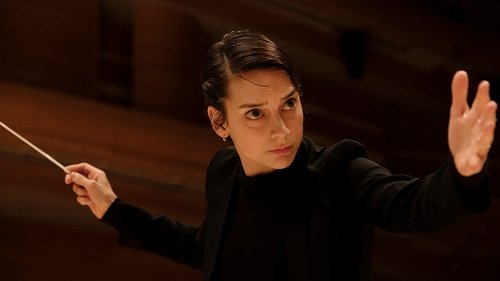
Emma, a talented conductor and rising star on the Montreal scene, has a complicated relationship with her father and agent Patrick. She has to face up to her emotions and decide whether she wants to successfully combine her career with her love affair with Naëlle, a recently separated cellist and mother of a young son.

Tom is conducting a symphony at the Hollywood Bowl when Jerry comes out to co-conduct.
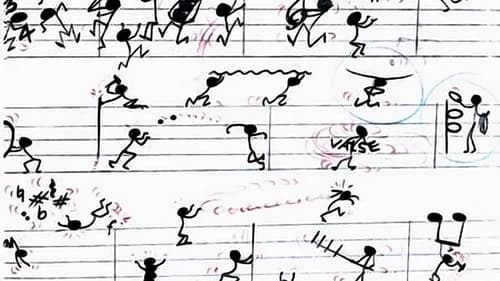
The sheet music for Johann Strauss' The Blue Danube is constructed by moving musical symbols. A baton-toting conductor note tries to direct his fellow notes in performing this musical piece, but finds that one of the notes has become drunk.