
Action
Adventure
Animation
Comedy
Crime
Documentary
Drama
Family
Fantasy
History
Horror
Music
Mystery
Romance
Science Fiction
Thriller
War
Western
Found 40 movies, 2 TV shows, and 0 people
Can't find what you're looking for?
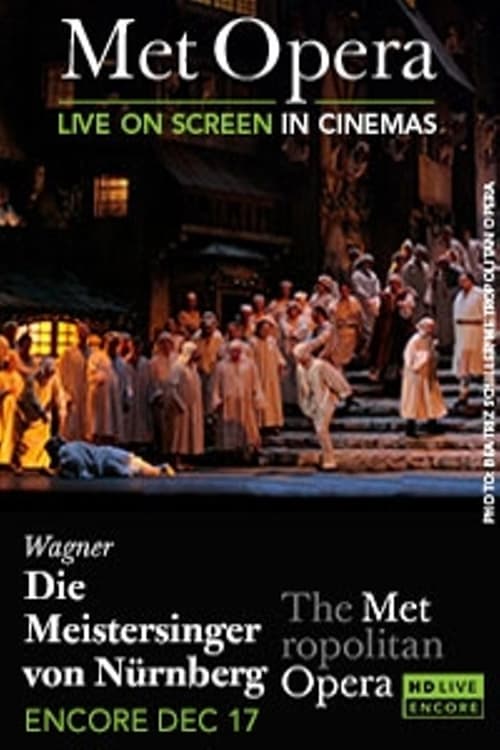
James Levine leads a stirring performance of Wagner’s epic comedy, seen in Otto Schenk’s classic production. Baritone Michael Volle stars as Hans Sachs, the cobbler-poet at the heart of this story of love, art, and youth vs. age. Leading Wagnerian tenor Johan Botha is Walther von Stolzing, the young knight whose new ideas upset the traditional ways of the mastersingers, and Annette Dasch sings Eva, the girl he loves, whose hand has been promised to the winner of a singing contest. Johannes Martin Kränzle as the pedantic town clerk Beckmesser, Hans-Peter König as Pogner, Eva’s father, and Paul Appleby as David, Sachs’s apprentice complete the stellar cast.
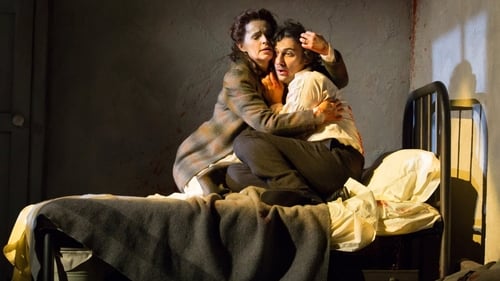
Star tenor Jonas Kaufmann brings aching intensity and vocal charisma to the tortured title hero of Massenet’s Goethe adaptation. Sophie Koch, in her Met debut, is an appealing and elegant Charlotte, the object of Werther’s passionate affection that will lead to tragedy. Lisette Oropesa as Sophie, David Bižić as Albert, and Jonathan Summers as Le Bailli co-star. Richard Eyre’s atmospheric production is conducted by rising maestro Alain Altinoglu.
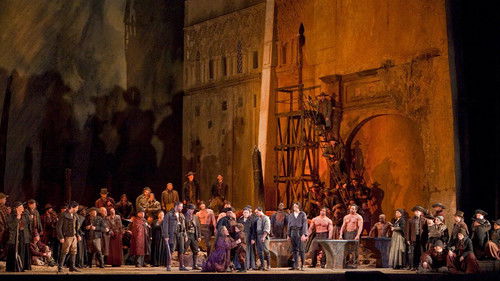
Verdi’s IL TROVATORE again storms the Met stage in a star-studded, anvil-wielding cast , including Sondra Radvanovsky, Dolora Zajick and Dmitri Hvorostovsky. Marcelo Álvarez sings Manrico, the troubadour of the title. The story is well-known already: The gypsy Azucena has harbored a grudge for thirty years, but she is about to have revenge at last. Meanwhile, her son Manrico is in love with Leonora, but so is his arch-enemy, the Count Di Luna. A pot-boiler, where every tune is a hit.
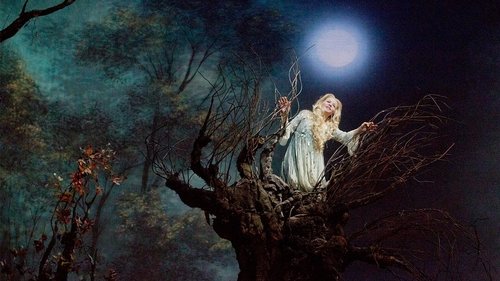
Renée Fleming sings one of her signature roles, the title character in Dvořák’s sumptuously melodic Rusalka. The story of the opera, which is about a water spirit’s tragic romance with a human prince, is drawn from several folktale sources including Hans Christian Andersen’s “The Little Mermaid.” Star conductor Yannick Nézet-Séguin leads a cast that also includes Piotr Beczala as the handsome Prince whom Rusalka yearns to love; Dolora Zajick as the cackling swamp witch Ježibaba; Emily Magee as the Foreign Princess, Rusalka’s rival; and John Relyea as Rusalka’s father, the Water Sprite.
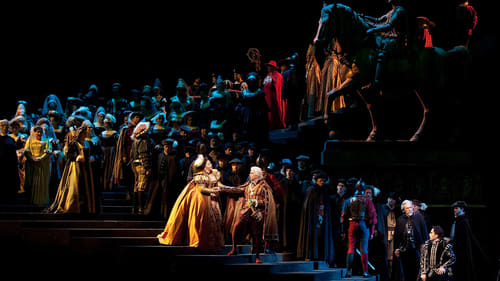
Rising Met star Angela Meade is Elvira, the young woman caught between three men: her lover, the nobleman-turned-outlaw Ernani (Marcello Giordani); her guardian, the rich, elderly de Silva, who wants her for himself (Ferruccio Furlanetto); and Don Carlo, the King of Spain, who also desires Elvira (Dmitri Hvorostovsky). Verdi’s early drama is full of sweeping melody and rousing rhythms, delivered masterfully by the Met Orchestra and Chorus conducted by Marco Armiliato.
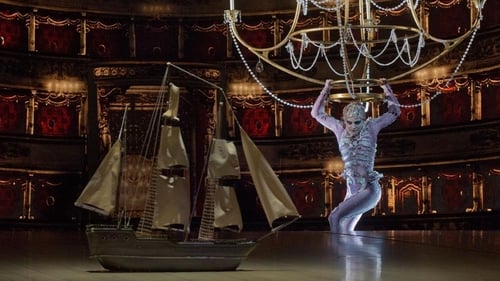
Composer Thomas Adès conducts the Met premiere of his powerful opera based on Shakespeare’s last play, in Robert Lepage’s brilliantly inventive production. Simon Keenlyside is the magician Prospero, who conjures the storm that shipwrecks his enemies and sets in motion the course of events. Rising Met stars Isabel Leonard and Alek Shrader are the young lovers, Miranda and Ferdinand, Alan Oke sings the sinister Caliban, and Audrey Luna gives a memorable performance as the sprite Ariel.
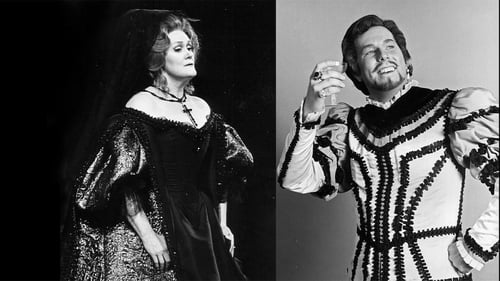
Imbuing the familiar Don Juan myth with a captivating combination of comedy, seductiveness, danger, and damnation, Mozart created an enduring masterpiece that has been a cornerstone of the repertory since its 1787 premiere. An early entry in the Met’s series of PBS telecasts, this 1978 performance captures a young James Morris in a smooth portrayal of the title role, with the legendary Joan Sutherland showing off her unsurpassed technique as Donna Anna and Gabriel Bacquier as a masterful Leporello.
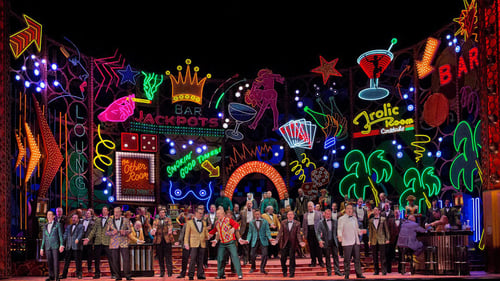
Michael Mayer’s acclaimed production, first seen in the 2012–13 season, sets the action of Verdi’s masterpiece in 1960 Las Vegas—a neon-lit world ruled by money and ruthless, powerful men. Piotr Beczała is the Duke, a popular entertainer and casino owner who will stop at nothing to get what he wants. Željko Lučić sings Rigoletto, his sidekick and comedian, and Diana Damrau is Rigoletto’s innocent daughter, Gilda. When she is seduced by the Duke, Rigoletto sets out on a tragic course of murderous revenge. Štefan Kocán is the assassin Sparafucile and Michele Mariotti conducts.
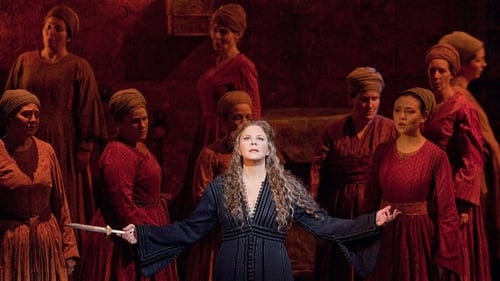
Gluck’s gripping adaptation of the ancient Greek myth is vividly brought to life by a stellar cast in Stephen Wadsworth’s atmospheric production. Oreste is driven by the Furies to atone for killing his mother Clytemnestre. When he and his companion Pylade are shipwrecked on the island of Tauride, the king Thoas demands they be sacrificed. At the center of the drama is Iphigénie, Oreste’s long-lost sister. Forced to live among her enemies, she holds the lives of the captives in her hands—unaware that one of them is her brother. (Iphigénie en Tauride is performed in an adaptation of the 1779 Paris version edited by Gerhard Croll, by arrangement with Bärenreiter.)
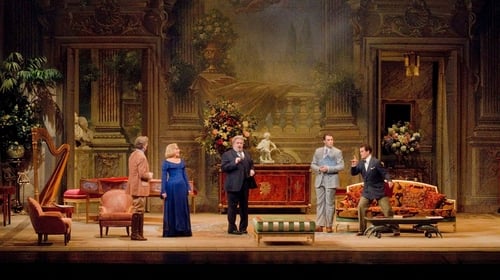
Renée Fleming is Countess Madeleine, the beautiful, enigmatic woman at the center of Strauss’s sophisticated “Conversation Piece for Music.” She is being courted by two men: Joseph Kaiser sings the composer, Flamand, and Russell Braun is Olivier, the poet. The stellar cast also includes Peter Rose as the theater director La Roche, Sarah Connolly as the actress Clairon, and Morten Frank Larsen as the Countess’s brother. John Cox’s elegant production places the action in the 1920s. Andrew Davis conducts.
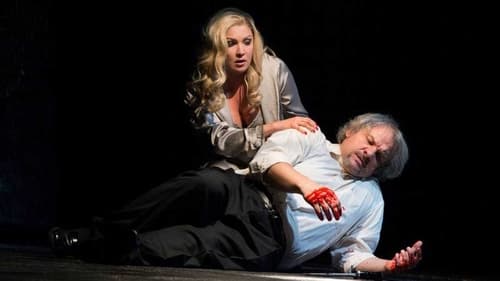
Star soprano Anna Netrebko created a sensation with her riveting performance as the malevolent Lady Macbeth, the central character in Verdi's retelling of Shakespeare's tragedy. She is joined by Željko Lučić, who brings dramatic intensity and vocal authority to the title role of the honest general driven to murder and deceit by his ambitious wife. The great René Pape is Banquo and Joseph Calleja gives a moving performance as Macduff. Adrian Noble's powerful production provides an ideal setting for this dark drama, which is masterfully presided over by Met Principal Conductor Fabio Luisi.
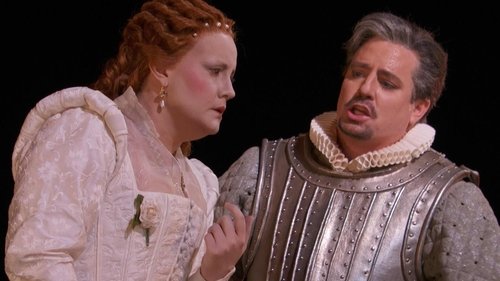
Joyce DiDonato gives a sensational performance as Mary, Queen of Scots, in Donizetti’s bel canto drama, opposite Elza van den Heever as Queen Elizabeth. This Live in HD presentation of David McVicar’s acclaimed 2012 production also stars Matthew Polenzani as Leicester, the man caught between the rival queens. Maurizio Benini conducts.
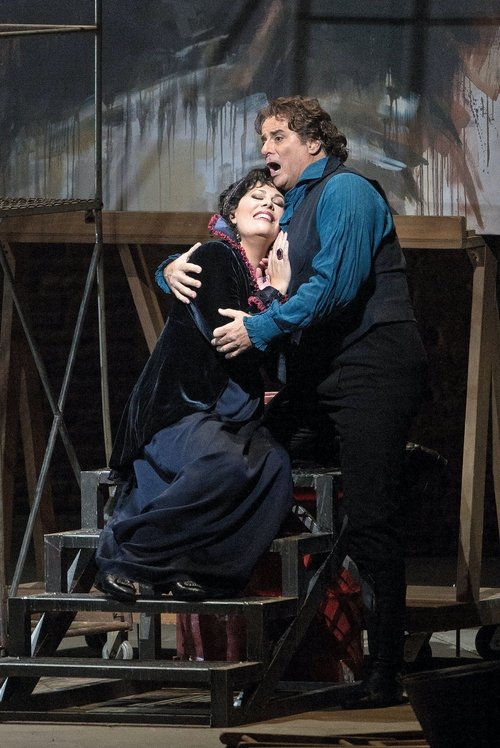
Luc Bondy’s dramatic production of Puccini’s operatic thriller stars Patricia Racette in the title role of the jealous diva, opposite Roberto Alagna as her lover, Cavaradossi, the painter whose political ideals lead them both into tragedy. George Gagnidze is Scarpia, the villainous chief of police who wants Tosca for himself. Riccardo Frizza leads the Met’s musical forces in this powerful verismo score.
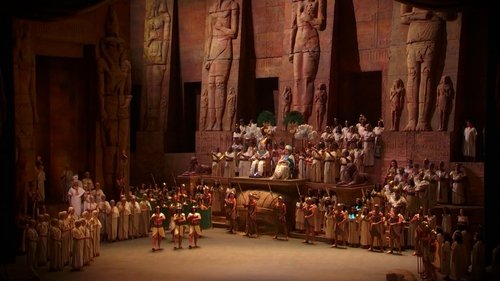
The Met’s spectacular production of Verdi’s Egyptian epic captures both the grandeur and the intimacy of this powerful tale of love and politics. Liudmyla Monastyrska is Aida, the Ethiopian princess-turned-slave in love with the Egyptian warrior Radamès, sung by Roberto Alagna. Olga Borodina is her rival, Amneris, daughter of the Pharao, and George Gagnidze sings Aida’s father, Amonasro, the King of Ethiopia. Principal Conductor Fabio Luisi is on the podium.
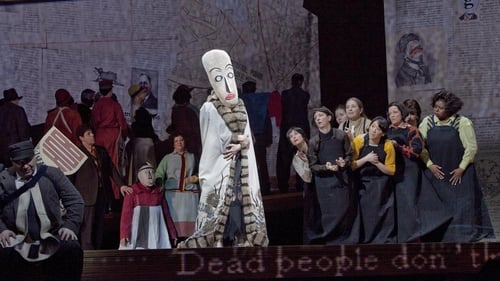
Acclaimed artist William Kentridge directed and designed this visually dazzling Met premiere production of Shostakovich’s satirical opera, adapted from the classic short story by Nikolai Gogol. Baritone Paulo Szot leads the cast as Kovalyov, the hapless bureaucrat whose nose has mysteriously gone missing. Alexander Lewis and Andrey Popov co-star, and Pavel Smelkov conducts.
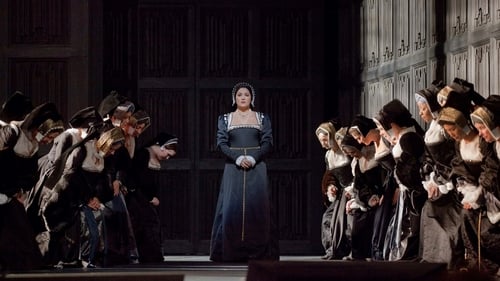
David McVicar's atmospheric and brooding production captures the drama of this riveting piece of British history, retold as only Donizetti could. International superstar Anna Netrebko is Queen Anne Boleyn, trapped in an unhappy marriage to King Henry VIII (Ildar Abdrazakov) whose roving eye has settled on another woman—Jane Seymour (Ekaterina Gubanova), Anna's friend, but now her unwitting rival. Add in Anna's early love, Percy (Stephen Costello), just returned to the court from exile, and the result is a haunting, explosive account of Queen Anna's tragic final days, before she goes to her execution in one of the most moving and dazzling final scenes in all of opera.
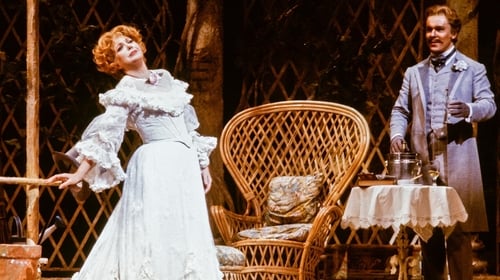
This John Dexter production, designed by Desmond Heeley, was a parting gift to the great American soprano Beverly Sills, who bid farewell to the Met as Norina, the smart young widow at the center of Donizetti’s comedy. The sensational Alfredo Kraus sings her beloved Ernesto. Håkan Hagegård, in his Met debut role and season, is Dr. Malatesta, the man who helps the young couple trick the crusty old bachelor of the title (Gabriel Bacquier at his comical best) into a fake marriage. This being a Donizetti comedy, it all turns out perfectly well at the end—and getting there is pure operatic fun.
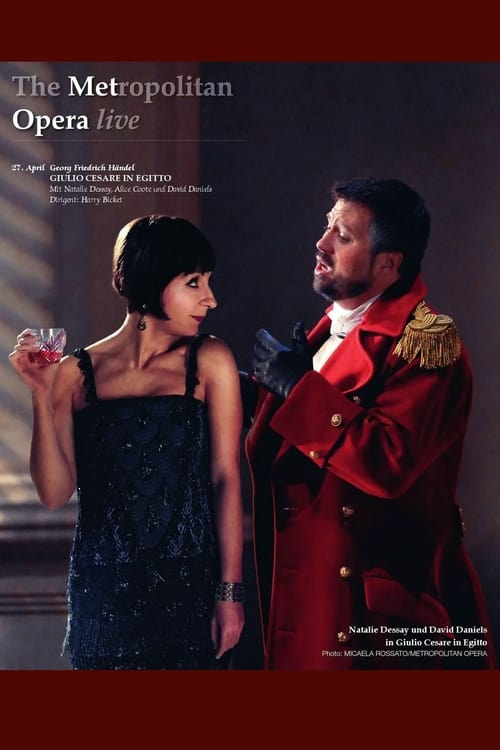
David McVicar’s inventive hit production of Handel’s most popular opera sets the story of Caesar’s conquest of Egypt—and of its queen, Cleopatra—in the era of British 19th-century imperialism while also including elements of Baroque theater and Bollywood movies. David Daniels in the title role and Natalie Dessay as Cleopatra lead the cast. Christophe Dumaux is Ptolemy, Cleopatra’s brother, and Alice Coote and Patricia Bardon star as Sesto and Cornelia, son and widow of Caesar’s opponent Pompey. Early music specialist Harry Bicket conducts and plays harpsichord continuo.
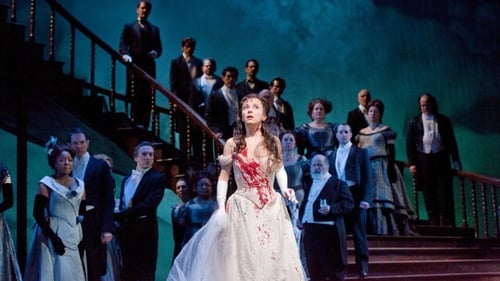
The tragic tale of "the bride of Lammermoor" has always been a favorite of opera-goers and sopranos alike. Yet with the riveting singing actress Natalie Dessay in the title role, Lucia's plight and descent into madness take on another dimension. Joseph Calleja is an ardent Edgardo, the man she loves but is not allowed to marry. Instead, her brother Enrico forces her into a union with the rich Arturo to save the family fortunes. It proves too much to bear for Lucia.
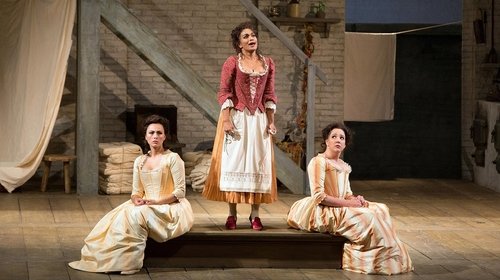
Met Music director James Levine conducts a cast of youthful stars in Mozart’s sophisticated comedy about testing the ties of love. Susanna Phillips and Isabel Leonard are the sisters Fiordiligi and Dorabella, who are led to believe their fiancés have gone off to war. Matthew Polenzani and Rodion Pogossov are Ferrando and Guglielmo, the lovers who return in disguise to test their girls' fidelity. Danielle de Niese sings the scheming maid Despina and Maurizio Muraro is Don Alfonso, the philosopher and mastermind pulling the strings.

In the early 1960s two artistic giants, conductor Herbert von Karajan and director Franco Zeffirelli, joined forces to create this milestone production of Puccini’s masterpiece at Milan’s Teatro alla Scala. Filmed in that legendary opera house in 1965, with Zeffireli himself directing for the cameras, this “Bohème” has been acclaimed universally for its unique theatrical impact and visual splendour. Starring the young Mirella Freni in her carreer-making performance. – For the first time the full dimension of opera on film.
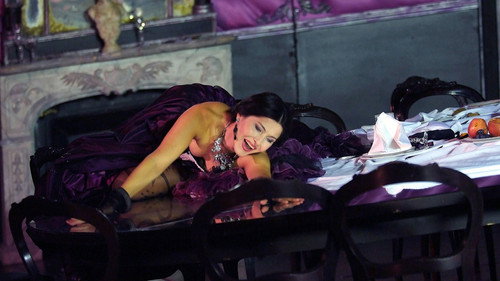
Around 1850, in Paris. At a soirée, Alfredo Germont, a young man from a respectable Provençal family, falls in love with Violetta Valéry, a courtesan. Deeply in love, Violetta gives up her profession and devotes herself entirely to Alfredo. However, Mr Germont senior, in the name of bourgeois respectability, persuades her to break up with his son. Violetta then writes a letter of separation to Alfredo without revealing the real reason for her decision. The fatal illness from which she was already suffering then flares up once more. A month later, Alfredo learns from his father that Violetta never stopped loving him... ‘La traviata’ is a 3 act opera by Giuseppe Verdi, with a libretto by Francesco Maria Piave based on the novel ‘The Lady of the Camellias’ by Alexandre Dumas, fils (1848) and its stage adaptation (1852). Premiered on 6 March 1853 at La Fenice in Venice. From the 27-opera Verdi box set “Tutto Verdi”. Recorded live at the Teatro Regio in Parma on 4 April 2012.

Recorded live at the Royal Opera House, Covent Garden, London on 2 June 1992.
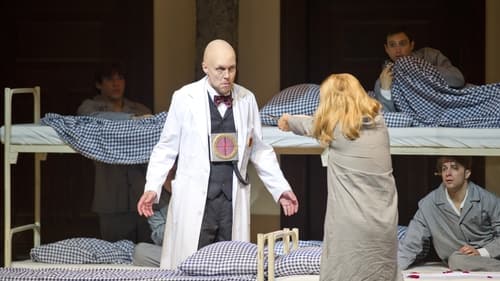
Live performance from the Salzburg Festival, 6 August 2012.
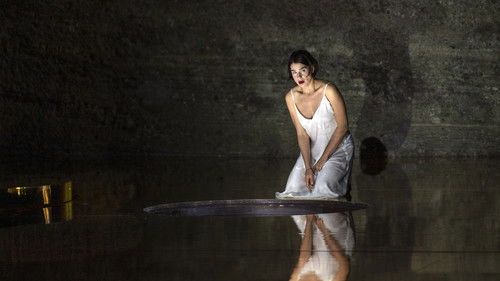
The story is set at the beginning of the Christian era on a large terrace of Herod’s palace, during the reign of Herod Antipas. At night, on a terrace of the palace, Salome, Herod’s stepdaughter, is gazed at passionately by Narraboth, captain of the guard. Jochanaan, a prophet, is imprisoned in a cistern for having slandered Herod. He proclaims the coming of Jesus, but his message is met with incomprehension by the guards. Salome hears the prophet. She manages to convince the guards to bring Jochanaan out so she can see him. Both fascinated and frightened by his prophecies, Salome falls passionately in love with this man. Richard Strauss’s opera at the 2018 Salzburg Festival, directed by Romeo Castellucci at the Felsenreitschule. In her debut in the title role, Asmik Grigorian distinguished herself with her talents as a singer and actress.
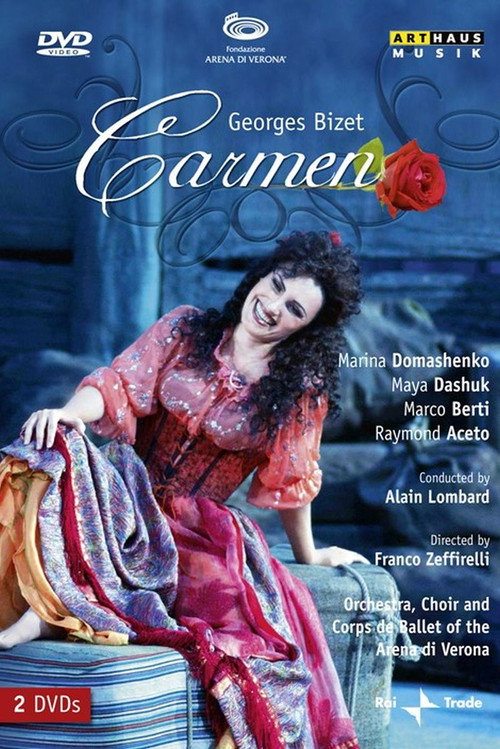
This 2003 performance of Georges Bizet's 19th century opera Carmen was produced and directed by filmmaker and stage director Franco Zeffirelli, best known to many for the Academy Award-winning big-screen adaptation of Shakespeare's Romeo and Juliet. Shot at the Arena di Verona, the production features Marina Domashenko in the title role and music by the Orchestra of the Arena di Verona under conductor Alain Lombard.
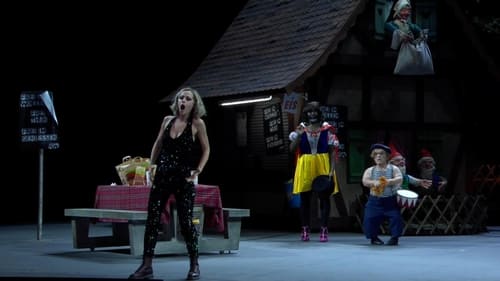
Anew production of Tannhäuser, which was premiered on 26 July 2019 and presented the Bayreuth debut of conductor Valery Gergiev, as well as the house debut of young soprano star Lise Davidsen. Tobias Kratzer’s staging presented Tannhäuser as a wildly contemporary parable of art and freedom which was praised as “novel” and “wrenching” (New York Times) and received exceptional press acclaim. hey were joined by mezzo soprano Elena Zhidkova’s Venus (“scene stealing”, according to Opera Today), baritone Markus Eiche’s Wolfram and Stephen Milling’s Landgraf.
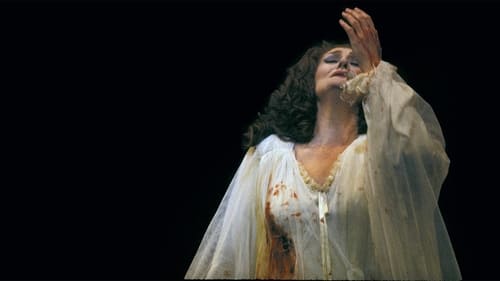
This telecast offers a rare opportunity to see the legendary Joan Sutherland in the role that first catapulted her to international stardom. She drove audiences wild by the way her opulent voice caressed the music’s long phrases and sprinted effortlessly through the fiendish runs, trills, embellishments and stratospheric high notes. One of the glories of the operatic world, her portrayal of Donizetti’s hapless heroine is a multifaceted and moving characterization. The incomparable tenor Alfredo Kraus is Edgardo, the man Lucia loves but cannot have. (Performance taped November 13, 1982. Broadcasted September 28, 1983.)
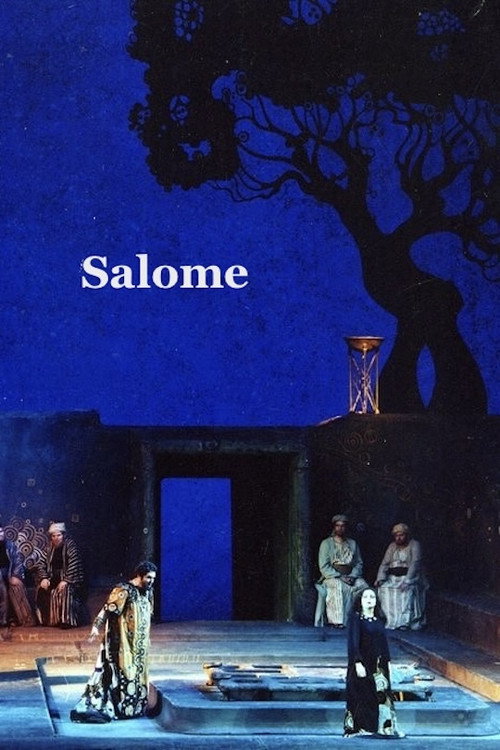
No description available for this movie.

German composer Richard Wagner wrote Parsifal, which is a three-act opera that tells the story of the title character's quest to save the Knights of the Holy Grail by returning the Holy Spear, healing King Amfortas, and carrying out the sacred ceremony of uncovering the Holy Grail.
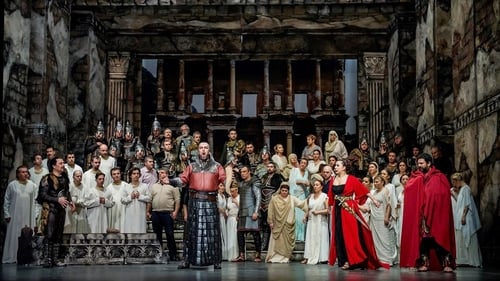
First staged at the Teatro La Fenice in 1846, Verdi’s ninth opera, Attila, returns to the stage of La Scala on December 7th. Following the inauguration of the 2015-2016 Season with Giovanna d’Arco and in anticipation of Macbeth, with Attila Musical Director Riccardo Chailly continues his study of Verdi’s early works, renewing a successful collaboration with creative director Davide Livermore that began with his acclaimed production of Donizetti’s Don Pasquale for La Scala. In this complex opera Verdi experiments with fresh perspectives, featuring spectacular historical settings, introspective angles and moral uncertainties. Attila demands of its performers not only passion and confidence, but also the ability to find subtle accents and psychological nuances.
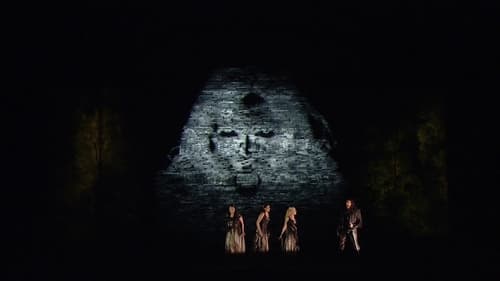
Götterdämmerung, the final instalment of Wagner’s Ring of the Nibelung, is a story of human passions. Two essentially benevolent creatures, involved with and possibly doomed by their traffic with the gods, find treachery and evil in the world of the humans, and are ruined by the dark side of humanity. Iréne Theorin, acclaimed worldwide for her portrayal of Wagner’s heroines, stars as Brünnhilde opposite Lance Ryan, who continues his radiant portrayal of the tragic hero Siegfried. The strong cast also includes Mikhail Petrenko as the dark antagonist Hagen and Johannes Martin Kränzle, who once again shines as his father Alberich. Waltraud Meier has a memorable appearance as Brünnhilde’s sister Waltraute. With this 2013 recording of Götterdämmerung, the musically and visually compelling Scala Ring Cycle by Daniel Barenboim and Guy Cassiers was completed and proved to be one of the highlights of the Richard Wagner bicentenary.
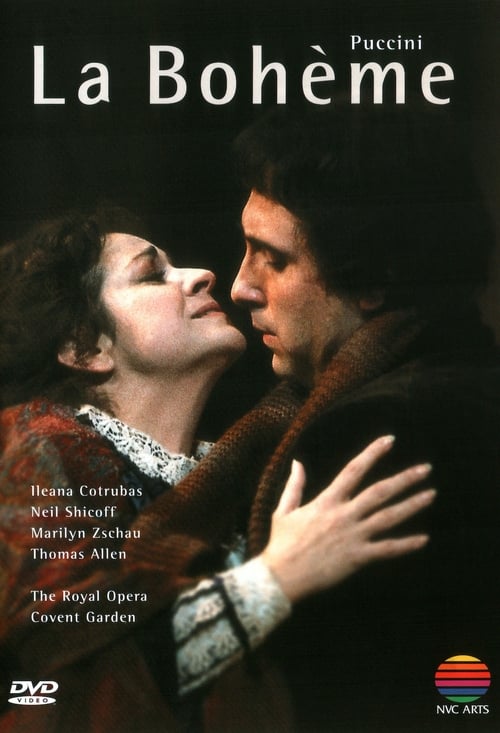
1982 revival of 1974 John Copley production.
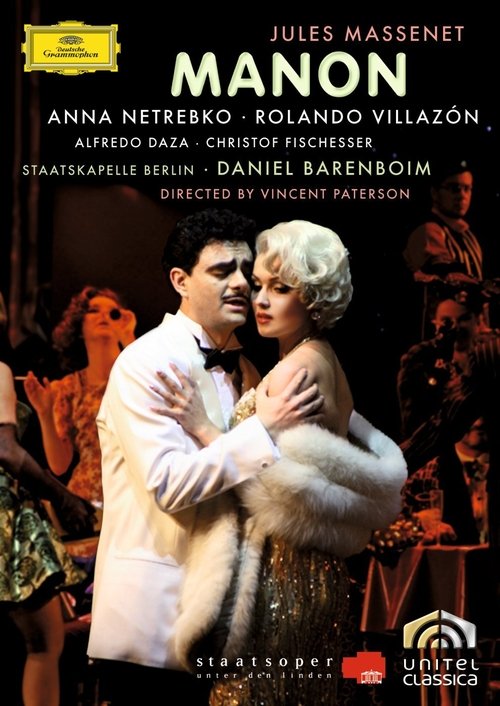
Massenet's opera centres on its charming but contrary heroine, the vivacious young Manon who longs for luxury and excitement. We first encounter her en route to a convent, where her family are sending her to be educated. Along the way, she falls in love with the young student Des Grieux, and, impetuously, runs off with him. She soon leaves him, however, to become the mistress of a rich nobleman. Thus begins her descent into criminality and depravity, all too soon dragging the besotted Des Grieux with her, until she is imprisoned. Despite its tragic story, the opera is full of French charm and vitality – typified by the ambiguous Manon herself. Her plight is touching because of the subtle play of innocence and calculation in her character. The score contains many sparkling arias and ensembles, moving rapidly from moods of exuberance to tenderness, with perfect dramatic timing. Recorded live at the Staatsoper Unter den Linden, Berlin, April/May 2007.
This is the Ring cycle of the Dutch National Opera, directed by Pierre Audi. In the depths of the Rhine, the three Rhinemaidens guard the Rhinegold, a treasure of immeasurable value. The Nibelung dwarf Alberich is dazzled by the sight of it. The girls explain that whoever wins the gold and forges it into a ring will gain power over the world, but must first renounce love. Frustrated by his unsuccessful attempts to catch one of the girls, Alberich curses love and steals the gold. Wotan, lord of the gods, is reproached by his wife Fricka: he has promised to give Freia, goddess of youth, to the giants Fasolt and Fafner in return for their building a fortress for the gods. When the giants demand their reward, Loge, the god of fire, suggests an alternative payment: the ring Alberich has forged from the Rhinegold, and his other treasures. The giants agree, and Wotan and Loge leave for the Nibelungs’ underground home.

No description available for this movie.
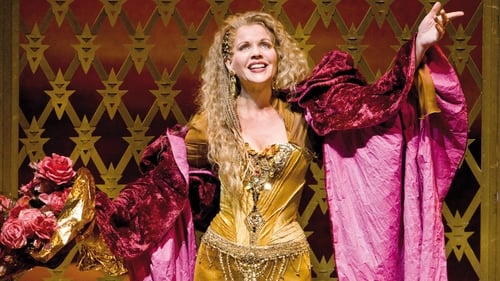
When the most voluptuous, sought-after courtesan in the world meets an ascetic monk whose life is devoted to God, you know erotic sparks are going to fly. And when the clash takes place in a glorious, but rarely performed, opera by Massenet, it’s a delight to the ear just as much as to the eye. Renée Fleming is every inch the glamorous Thaïs, swathed in elegant gowns designed by Christian Lacroix. Thomas Hampson is Athanaël, the tortured man of God. This production by John Cox, which premiered in December 2008, brilliantly sets the stage for a confrontation as old as civilization itself.
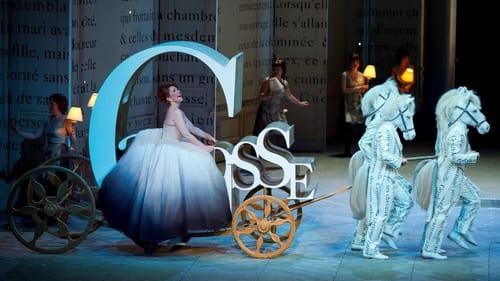
Massenet composed his opera about Cenerentola nearly 80 years after Rossini did his. And if you are looking for the outburst of the non-stop hilarity and the musical jokes of Rossini, you won't find it here. Also, while the Cendrillon was highly successful and popular in its time, it does not reach up to the artistic and musical levels offered by Massenet's other operas, like Manon, or Thais or Werther. Nevertheless, this is a delightful opera and it is well presented by The Royal Opera. Laurent Pelly created a ingenious setting with movable walls which are covered [in French] with the story of Cinderella, and which open and close book-like.
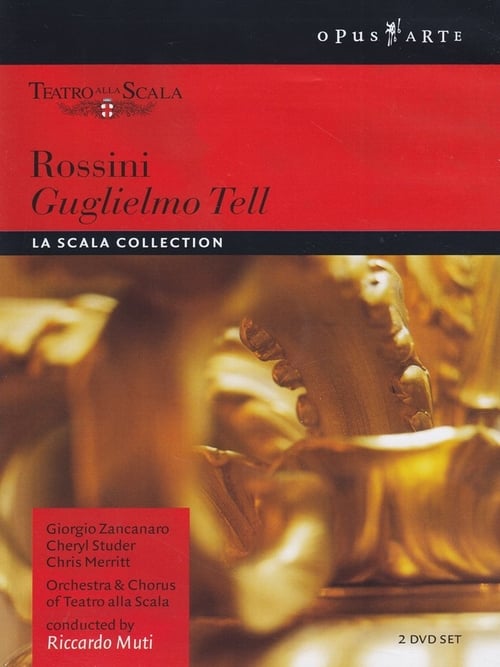
Live from La Scala Wednesday 14 December 1988.
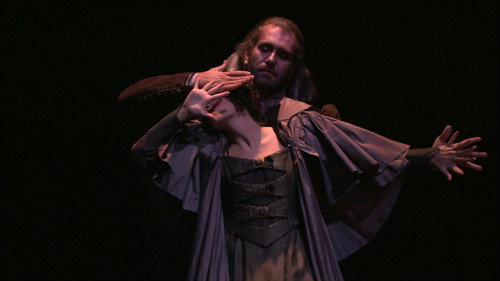
Part of Tutto Verdi series - Oberto (2007) Parma. Oberto was the first of Verdi’s operas to be staged and was heard for the first time at La Scala, Milan, in November 1839. As a young and unknown composer, Verdi was subject to the rules then governing the opera industry in Italy. Even so, there are already many scenes in this early work that reveal unmistakable signs of the composer’s individual style.