
Action
Adventure
Animation
Comedy
Crime
Documentary
Drama
Family
Fantasy
History
Horror
Music
Mystery
Romance
Science Fiction
Thriller
War
Western
Found 23 movies, 1 TV show, and 0 people
Can't find what you're looking for?
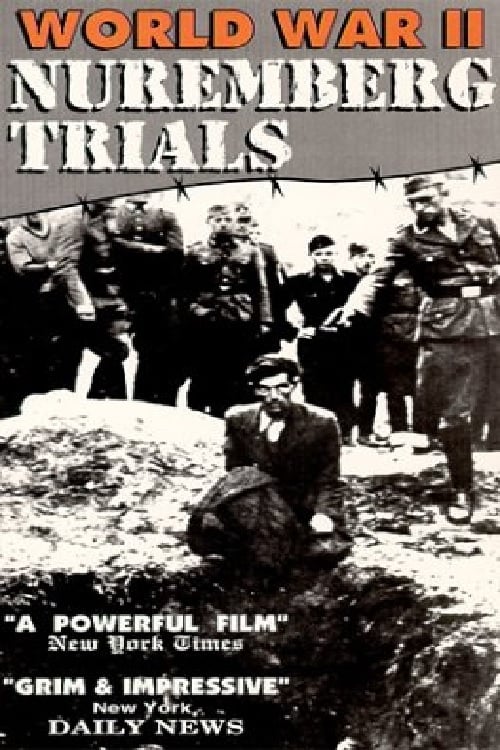
This riveting Russian documentary takes you inside the trials of the notorious German war criminals, brought to trial to account for their actions. The footage includes excerpts from the trials of many of the senior Nazis including Goebels and Goring.
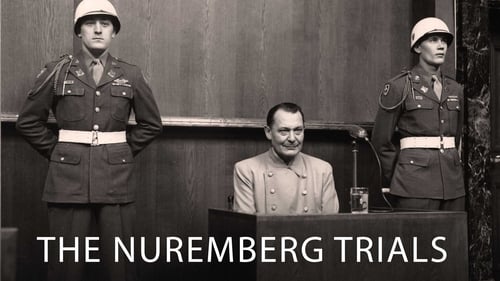
One journalist described it as a chance "to see justice catch up with evil." On November 20, 1945, the twenty-two surviving representatives of the Nazi elite stood before an international military tribunal at the Palace of Justice in Nuremberg, Germany; they were charged with the systematic murder of millions of people. The ensuing trial pitted U.S. chief prosecutor and Supreme Court judge Robert Jackson against Hermann Göring, the former head of the Nazi air force, whom Adolf Hitler had once named to be his successor. Jackson hoped that the trial would make a statement that crimes against humanity would never again go unpunished. Proving the guilt of the defendants, however, was more difficult than Jackson anticipated. This American Experience production draws upon rare archival material and eyewitness accounts to recreate the dramatic tribunal that defines trial procedure for state criminals to this day.
Documentary with recordings from the Nuremberg war crimes trials.
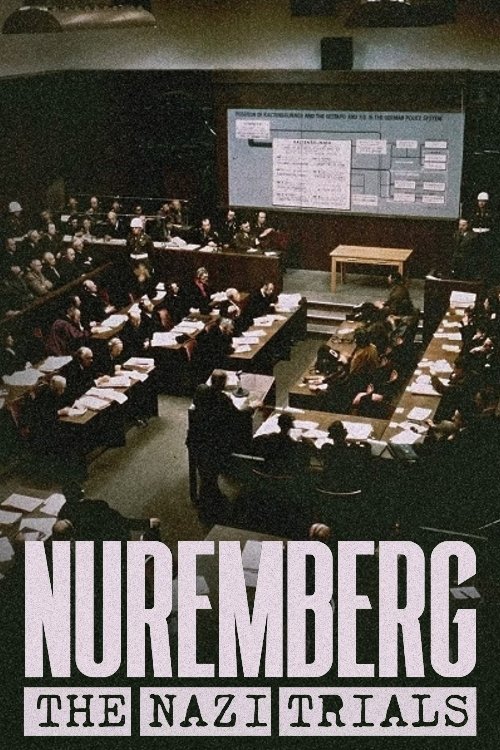
After the atrocities of World War II, leading Nazis were tried at the Nuremberg War Crimes Tribunal. This gripping documentary attempts to delve inside the minds and secret workings of Hitler's Nazi leadership. Meticulously crafted using archive clips and courtroom footage, one of the most important trials in history, that brought Hitler's willing collaborators to justice, is explored.
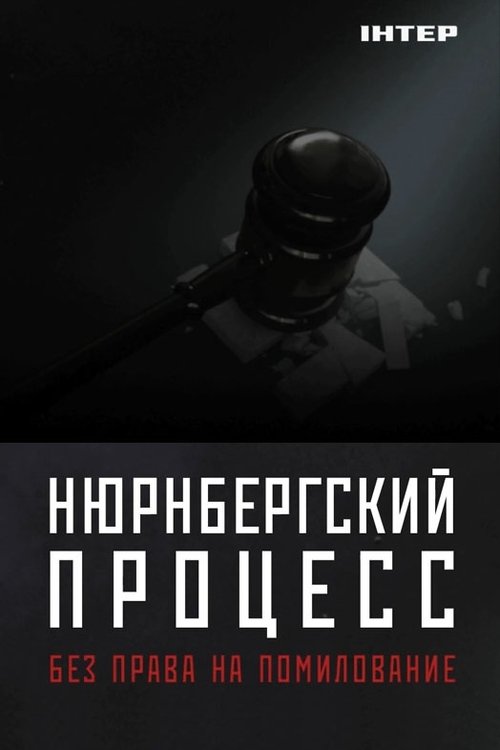
The documentary project uses footage from documentary chronicles, archival documents, and historical reconstructions. Historians, psychologists, lawyers, and employees of the Nuremberg Trials Museum talk about the 20th-century trial. Among the project's protagonists is Benjamin Ferencz, US Army prosecutor at the Nuremberg trial of the Einsatzgruppen.
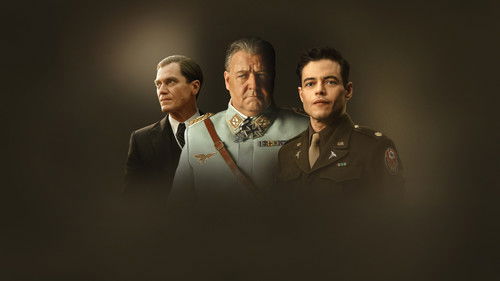
In postwar Germany, an American psychiatrist must determine whether Nazi prisoners are fit to go on trial for war crimes, and finds himself in a complex battle of intellect and ethics with Hermann Göring, Hitler's right-hand man.
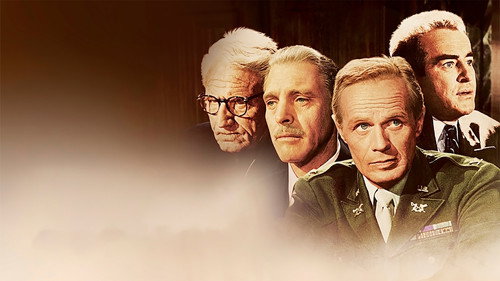
In 1947, four German judges who served on the bench during the Nazi regime face a military tribunal to answer charges of crimes against humanity. Chief Justice Haywood hears evidence and testimony not only from lead defendant Ernst Janning and his defense attorney Hans Rolfe, but also from the widow of a Nazi general, an idealistic U.S. Army captain and reluctant witness Irene Wallner.
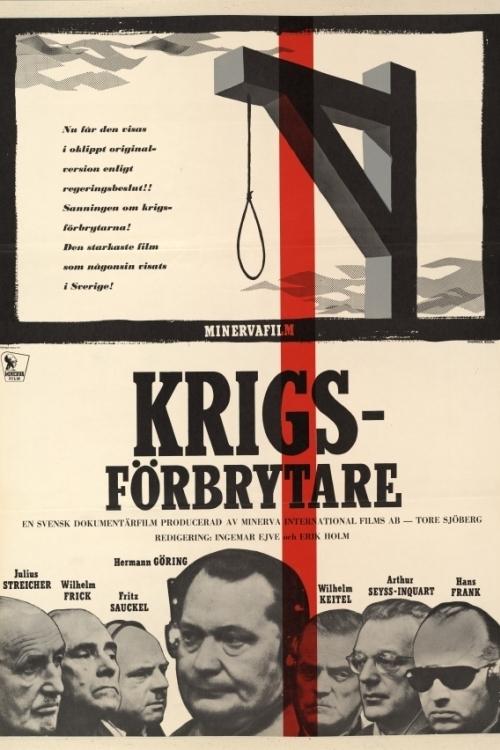
Documents the major trial of the Nazi war criminals and the violent acts that they were accused of.
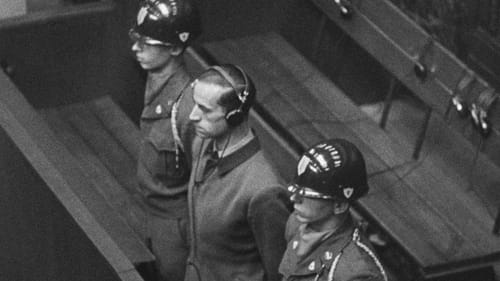
This exceptional, disturbing, and thought-provoking two-part documentary compares the atrocities committed by the Nazis as revealed during the Nuremberg trials to those committed by the French in Algeria and those done by the Americans in Vietnam. The four-hour epic questions the right of any country to pass self-righteous moral judgements upon the actions of another country.
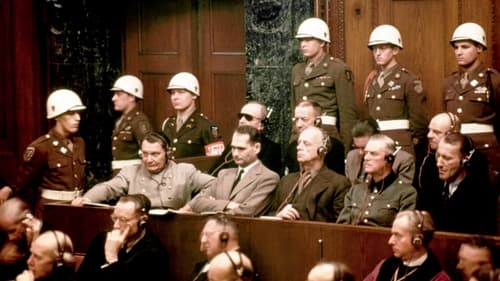
In 1945, two young American soldiers, brothers Budd and Stuart Schulberg, are commissioned to collect filmed and recorded evidence of the horrors committed by the infamous Third Reich in order to prove Nazi war crimes during the Nuremberg trials (1945-46). The story of the making of Nuremberg: Its Lesson for Today, a paramount historic documentary, released in 1948.
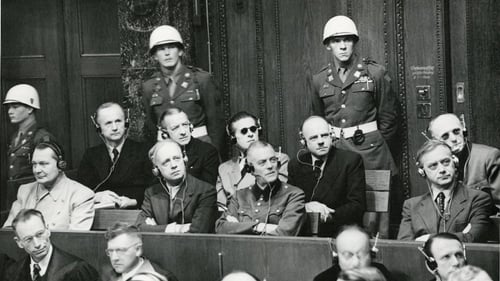
The documentary of the Nuremberg War Trials of 21 Nazi dignitaries held after World War II.
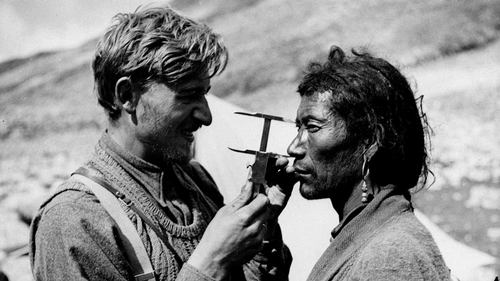
In 1935, German scientists dug for bones; in 1943, they murdered to get them. How the German scientific community supported Nazism, distorted history to legitimize a hideous system and was an accomplice to its unspeakable crimes. The story of the Ahnenerbe, a sinister organization created to rewrite the obscure origins of a nation.
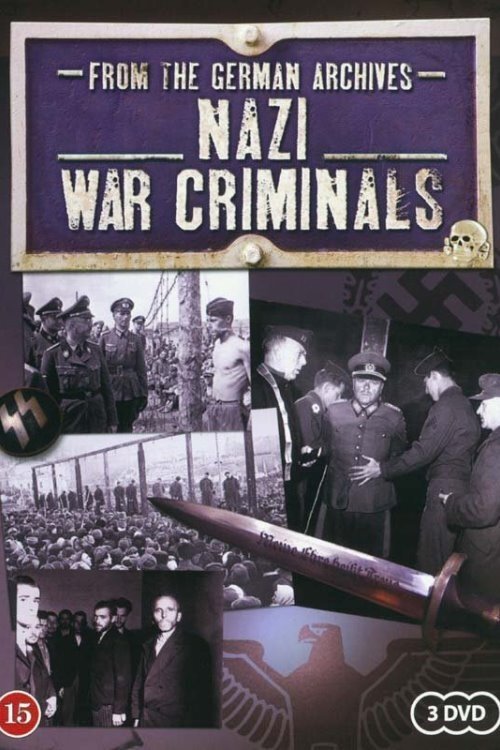
No description available for this movie.
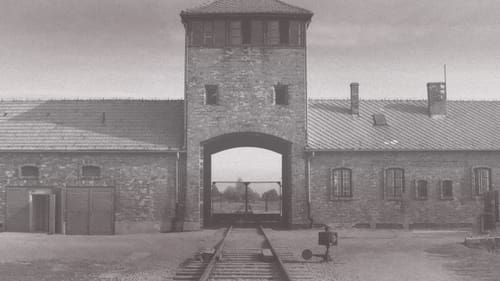
The mass murder of Jewish people by the Nazi regime is chronicled, with a warning that anti-Semitism is on the rise and the events of the Holocaust could happen again. The history of European Jewish culture and events before and during the Holocaust are seen in newsreels, photographs, and animated segments. The words of the victims of the era are read, and footage from the liberation os a concentration camp is shown.
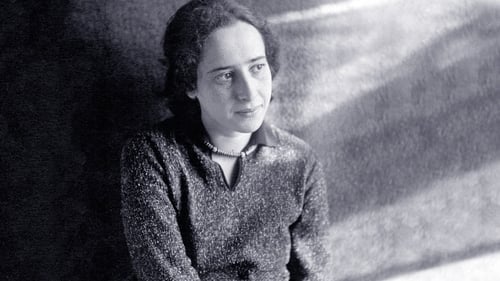
The life and work of German political philosopher of Jewish descent Hannah Arendt (1906-75), who caused a stir when she coined a subversive concept, the banality of evil, in her 1963 book on the trial of Nazi war criminal Adolph Eichmann (1906-62), held in Israel in 1961, which she covered for the New Yorker magazine.
In this documentary, Joachim Hellwig uses partly unpublished footage to shed light on a dark chapter of German history and shows the entanglements between the politicians' claims to power and the interests of industry and business in Germany from the beginning of the First World War to the end of the Second World War (1914 to 1945). The Nuremberg War Crimes and Industrial Trials served as the basis for this documentary.

On 20 November 1945, in what had once been the spiritual centre of the Nazi Empire, the first Nuremberg trial opened. Nuremberg examines the first trail in detail: the scale and speed of the US-led effort to place the Third Reich's leaders in the dock; the charges brought against them; the courtroom drama; the final judgements. Of the 21 defendants, three were acquitted, seven given jail sentences and the remaining eleven sentenced to death, among them Hitler's right-hand man, Hermann Goering. This programme also explores the twelve subsequent trials against the backdrop of the emerging Cold War and the shifting allegiances of allies and enemies in the immediate post-war period.

In 1961, history was on trial... in a trial that made history. Just 15 years after the end of WWII, the Holocaust had been largely forgotten. That changed with the capture of Adolf Eichmann, a former Nazi officer hiding in Argentina. Through rarely-seen archival footage, The Eichmann Trial documents one of the most shocking trials ever recorded, and the birth of Holocaust awareness and education.
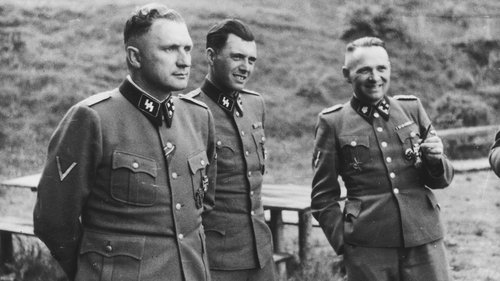
The Holocaust began with the indiscriminate mass shootings by the Einsatzgruppen in the bloodlands of Eastern Europe and was perfected in the gas chambers at Auschwitz. “Bullets And Blueberries” explores the motives, methods and madness of the perpetrators, using never-before-seen images captured by the killers themselves — images that fully capture the banality of evil.
During the Nuremberg Trials, the victors of the Second World War judge those responsible for the Third Reich.
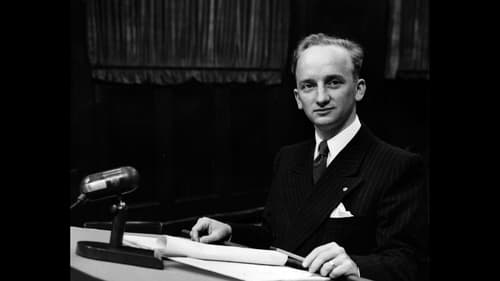
Chronicles the adventurous life of Hungarian-born Jewish lawyer Benjamin Ferencz, who fled to the USA as a child and later became chief war crime prosecutor in the Nuremberg Trials of 1945-1949 and one of the founding members of the International Criminal Court, which entered into force in 2002.
This short film recounts efforts in the 20th century to develop programs and procedures that protect human subjects of research. Citing selected historical events in behavioral and biomedical research, it shows how protections such as institutional review boards (IRBs) came about in the United States, and why they were needed.
This Soviet-made film was screened on February 19, 1946 on the 62nd day of the Nuremberg Trial and submitted as evidence relevant to the indictment for "crimes against humanity." The one-hour film with voiceover commentary shows visual evidence of the extermination camps of Auschwitz and Majdanek and appeals to spectators' emotions by emphasizing individual victims. The central argument of the film is that the Germans were the executioners of peaceful Soviet citizens. At the time, it made a very strong impression on both the accused and press. The film is a re-edited compilation of footage collected by the Soviet film team over four years (primarily used for propagandistic ends in wartime Soviet newsreels and documentaries). It was prepared in emergency by the Soviet prosecution team and minister of cinema following the projection of Nazi Concentration Camps presented by the Americans on November 29, 1945.