
Action
Adventure
Animation
Comedy
Crime
Documentary
Drama
Family
Fantasy
History
Horror
Music
Mystery
Romance
Science Fiction
Thriller
War
Western
Found 22 movies, 3 TV shows, and 0 people
Can't find what you're looking for?
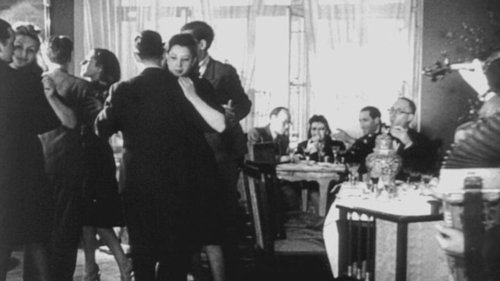
Yael Hersonski's powerful documentary achieves a remarkable feat through its penetrating look at another film-the now-infamous Nazi-produced film about the Warsaw Ghetto. Discovered after the war, the unfinished work, with no soundtrack, quickly became a resource for historians seeking an authentic record, despite its elaborate propagandistic construction. The later discovery of a long-missing reel complicated earlier readings, showing the manipulations of camera crews in these "everyday" scenes. Well-heeled Jews attending elegant dinners and theatricals (while callously stepping over the dead bodies of compatriots) now appeared as unwilling, but complicit, actors, alternately fearful and in denial of their looming fate.
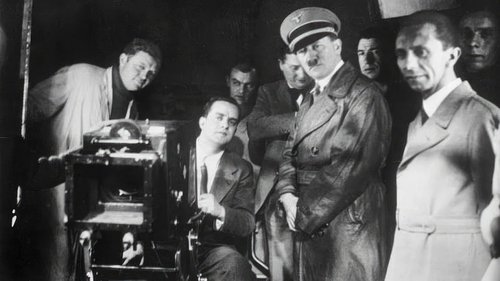
During a bizarre chapter of WWII, Nazi propaganda minister Joseph Goebbels decided to make a movie based on the sinking of the Titanic. This epic film was so large in scale that the Nazis were forced to divert men, material and ships from the war effort in order to complete it. Titanic was filmed aboard cruise ship SS Cap Arcona in the Baltic Sea. The movie’s director Herbert Selpin was arrested by the Gestapo over comments he made about the ship’s crew and he was questioned by Goebbels. Selpin was found dead the next day in his cell. The Gestapo’s verdict was suicide. Titanic never received the impressive premiere that Goebbels intended, being first shown in Nazi-occupied Paris in 1943. We reveal this little known but fascinating story by looking at the making of the film, as well as the fate of the German ship Cap Arcona.

After being expelled from Beecher Prep for his treatment of a classmate with a facial deformity, Julian has struggled to fit in at his new school. To transform his life, Julian's grandmother finally reveals her own story of courage of her youth in Nazi-occupied France, where a classmate shelters her from mortal danger.

In front of television crews and thousands of spectators, Spaceship-1—commanded by Commodore Hardt, inventor of the powerful rocket fuel "Neotan-X"—blasts off on the first flight to the Moon.
As Minister of Propaganda, Joseph Goebbels creates films and pictures used to prepare the Germans for Total War and the Holocaust. When the war is lost, he conceives his last staging, the most radical propaganda act still possible to him.
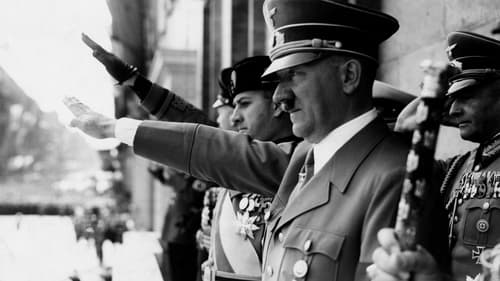
A keen chronicle of the unlikely rise to power of Adolf Hitler (1889-1945) and a dissection of the Third Reich (1933-1945), but also an analysis of mass psychology and how the desperate crowd can be deceived and shepherded to the slaughterhouse.
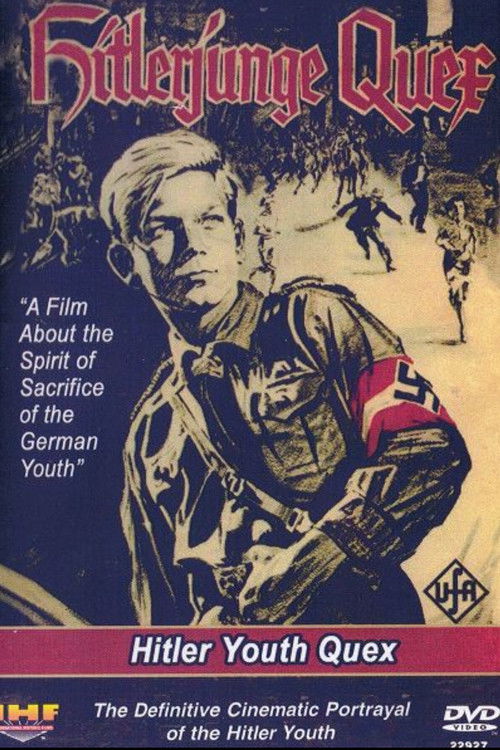
Nazi propaganda film based on the life and death of Hitler Youth Herbert "Quex" Norkus – in the film, renamed Heini Völker – who was killed while distributing flyers in a Communist neighborhood.

After WWII had ended, it was realized by the American Allies that there were children whom Hitler trained to be soldiers between the ages of 9-17. They were the "Hitler Youth". As the adult German soldiers were taken as prisoners of war, so were the children. These boys were taken to France and reeducated by being taught democracy and treated better than the adult POWs. This story recounted by a former "baby cage" prisoner at the age of 92.
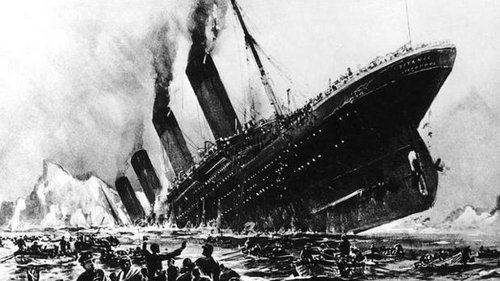
In 1912, the Titanic embarks on its inevitable collision course with history. In the wake of the over-spending required to build the largest luxury ship in the world, White Star Line executive Sir Bruce Ismay schemes to reverse the direction of his company's plummeting stock value. Onboard the Titanic, brave German 1st Officer Petersen struggles to convince his self-important British superiors not to overexert the ship's engines.
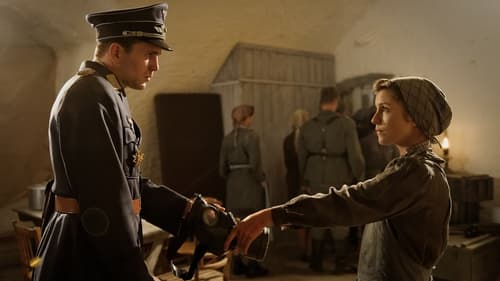
Two beautiful and different girls, Alice and Lisette are 17 years old, when forcibly removed from their Alsatian family to cooperate in the war effort in Germany. After spending six months in a indoctrination camp, they are both sent to a munitions factory where they are tasked to perform inhuman works. An explosion erupts, they are suspected of sabotage and threatened with being sent to a boot camp. Alice and Lisette believe they saved when transferred to a maternity where they continue living the hell of war.

Nazi propaganda short about paratroopers
A film about the Nuremberg Party Congress of the NSDAP in 1929.
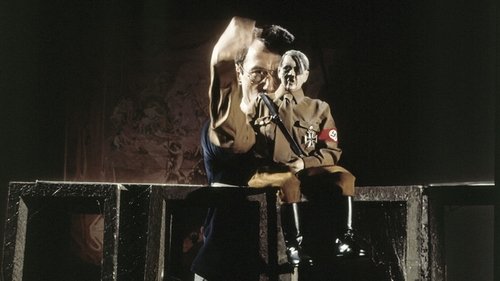
A structure-free, four-part examination of the rise and fall of the Third Reich. Each part explores a different topic, from Hitler's cult of personality in propaganda to how said propaganda was associated with pre-Nazi German cultural, spiritual, and national heritage to the Holocaust and the ideology behind it, particularly from Himmler's point of view.

Stage mime Antoine Moreau is compelled by the Gestapo to put on a performance for the children of Terezin, a "model" concentration camp, to convince the Red Cross observers that the camp is truly what it seems. Reluctant at first, Moreau slowly learns the true nature of the camp, including the meaning of the "transports" on which people leave. With a world-class orchestra (made up of people interned in the camp) and a cast of children, Moreau stages a show to end all shows.
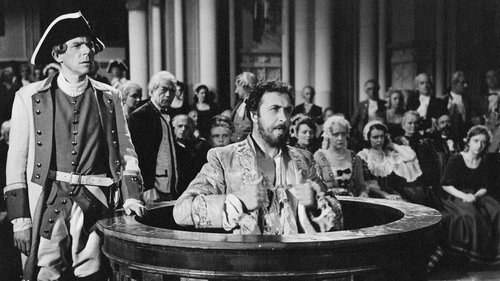
Nazi historical drama about Duke Karl Alexander of Württemberg and his treasurer Süß Oppenheimer.
Comprised of footage shot during the Nazi regime, including propaganda, newsreels, broadcasts and even some of Eva Braun's colorized personal home movies, we explore the way in which the Third Reich infiltrated the lives of the German population, from 1933 to 1945.
No description available for this movie.

Follows the Fifth Nazi Party Rally (Nuremberg, 30 August–3 September 1933) and shows the then close relationship between Adolf Hitler and Ernest Rõhm.
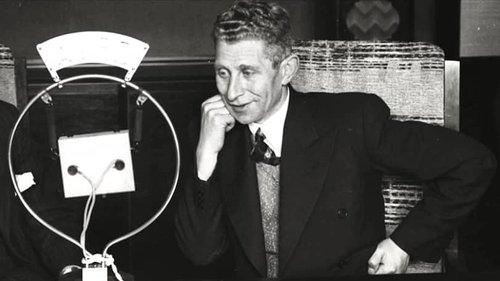
Documentary about the role of public broadcasting during the German occupation during the Second World War. A number of public broadcasters adopted a cooperative approach, allowing them to be used as a propaganda apparatus for the Nazis. An attitude with very far-reaching consequences.
This film claims that the Germanic tribes predated the knowledge of the ancient Egyptian pharaohs, then compares these findings with the contemporary German regime of Adolf Hitler.
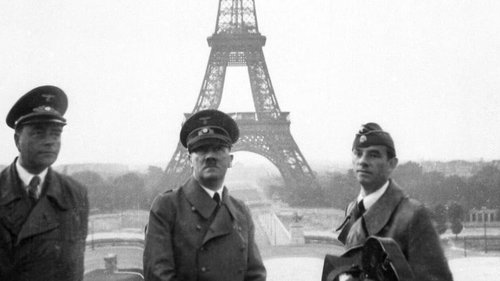
Discovering Paris under the German occupation through the story of an SS soldier and more generally of Wehrmacht soldiers allows us to follow the daily life on the German side. These soldiers enjoyed privileged status, during their stay, they were led to believe that they belong to a social elite, a status unreachable back in Germany during peacetime. And who better than a German who has led such lifestyle to serve as a common thread and tell this story?
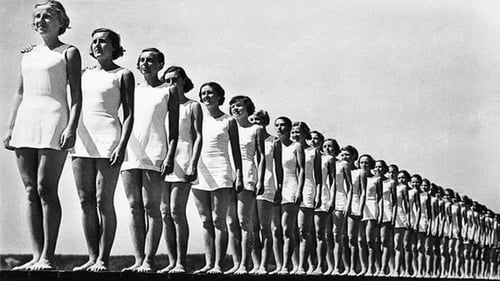
"Faith and Beauty" - The BDM-Werk Glaube und Schönheit (German for BDM Faith and Beauty Society) was founded in 1938 to serve as a tie-in between the work of the League of German Girls (BDM) and that of the National Socialist Women's League. Membership was voluntary and open to girls aged 17 to 21. A Nazi propaganda film.