
Action
Adventure
Animation
Comedy
Crime
Documentary
Drama
Family
Fantasy
History
Horror
Music
Mystery
Romance
Science Fiction
Thriller
War
Western
Found 40 movies, 27 TV shows, and 0 people
Can't find what you're looking for?
The parents of an adult infant named "Child", played by Todd Haynes, attempt to expel him from their home, by casting magical spell seen in a television documentary about Malaysian rites of passage.
A short film around the theme of “a beautiful future”
Several painted figures are superimposed.
In 54 static shots, Benning provides a picture of the Natural History Museum in Vienna. With the exception of the first three shots, he chooses areas that are normally closed to the public: offices, store rooms and empty corridors. A characteristically meditative Benning, even though this time he chooses to stay indoors.
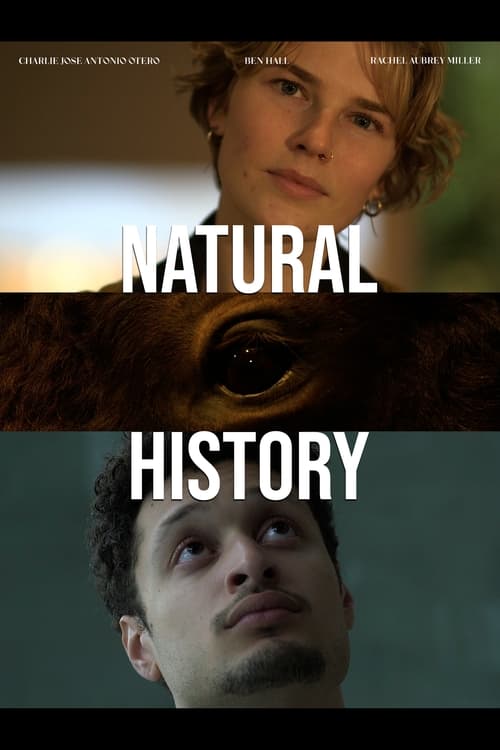
Charlie and Rachel, two high school sweethearts, reconnect at a natural history museum, all while a narrator watches carefully.
"From there to here...from then to now. The soundtrack feature 33 frogs, 22 birds, lion growls, bomb whistles, a heartbeat and the chromatic scale."

A ritual of living rocks on a desert stage. Stop motion animation.
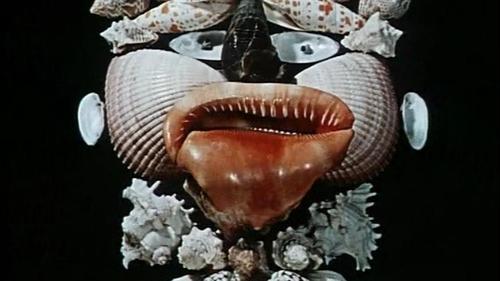
An eight-part animated portrait of various species, accompanied by a different style of music. The various parts are: Aquatilia (foxtrot), Hexapoda (bolero), Pisces (blues), Reptilia (tarantella), Aves (tango), Mammalia (minuet), Simiae (polka) and Homo (waltz). Each animation mixes drawings, pictures, real animals and animated skeletons.
23 natural history films by Coral Morphologic, remixed/remastered and compiled into a half-hour odyssey of the sea.
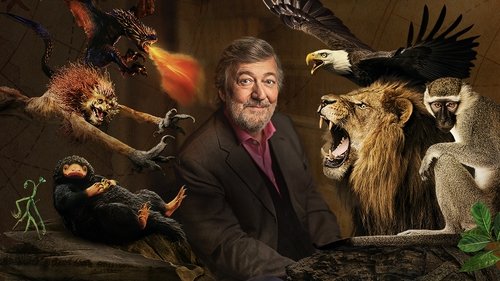
Stephen Fry embarks on a journey to discover the stories behind some of the world's most fantastic beasts that have inspired myths and legends in history, story-telling and film.

Is it morally acceptable to use the civilian population as yet another tool for waging war? Is it possible to justify death and destruction for the sake of supposedly lofty ideals? The question remains as pertinent today as it was at the beginning of World War II, and it is becoming increasingly urgent to answer, as countless tragedies have been caused by unethical political decisions.
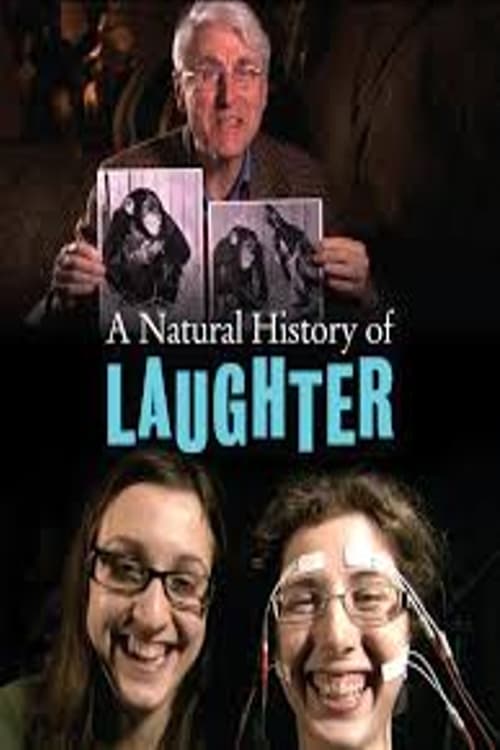
For how long have we been laughing? Are human beings the only ones to laugh? In the past, scientists tended to neglect such questions of laughter, leaving them to the philosophers. Jacques Mitsch's A NATURAL HISTORY OF LAUGHTER explores recent scientific attempts to explicate this most elusive of human faculties, undertaken by scientists who see it as a means of approaching some of the larger mysteries of neurology and human behavior.
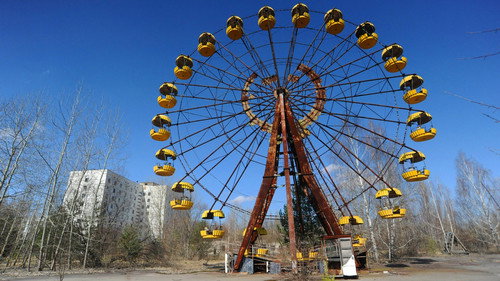
Documentary exploring the aftermath of the nuclear disaster that struck the city on April 26th 1986, uncovering how nature has survived in the radioactive zone. This compelling film explores how nature has survived in the radioactive ghost town.
In 1881 a group of Kawéskar natives from Tierra del Fuego were exhibited in human zoos across Europe, organized by the merchant of wild animals Carl Hagenbeck from Hamburg.

Through interviews and reenactments, The Natural History of the Chicken investigates the role of the chicken in American life and tells several remarkable stories. A Maine farmer says she found a chicken frozen stiff, but was able to resuscitate it. Colorado natives tell a story of the chicken who lost its head-- and went on living. A Virginia farmer tells about (and demonstrates) the benefits of raising chickens for his own consumption. Perhaps most surprising is the case of the Florida woman: she bathes her pet bird, and takes it both swimming and shopping. Through these and other stories, this documentary illuminates the role that chickens play in (some of) our lives.

A study of the landscape and of the traces left by time and man in the mountainous areas of northern Tuscany, between the Apennines and the Apuan Alps, following the rhythm of the seasons, the movements of light and stages of transformation of matter.

When a high school senior, Chris, gets in trouble with the West L.A. police for joy riding in stolen cars, his wealthy but neglectful dad hires Chris's older brother Lance to spend time with him and keep him out of trouble. Lance is in the underworld, running guns, so caring for Chris starts out as a good cover. Then, he warms to his brother, and the two develop a strong bond; Chris gets serious about school and starts to come out of his shell. But, will the relationship be strong enough to weather pressures from Lance's business, Chris's discovery that dad is paying Lance for the care, and Lance's enjoyment of female companionship?
For how long have we been laughing? Are human beings the only ones to laugh? In the past, scientists tended to neglect such questions of laughter, leaving them to the philosophers. Jacques Mitsch's A NATURAL HISTORY OF LAUGHTER explores recent scientific attempts to explicate this most elusive of human faculties, undertaken by scientists who see it as a means of approaching some of the larger mysteries of neurology and human behavior.

Using text from Jorge Luis Borges's Labyrinths, but with subtle alterations, Gary Adkins gives us "A Parable of the Endless Recurrence. A dream that deliberately attempts to exhaust its possibilities and borders on its own parody, the duplication of space and the memory of time. In the recognition of a caged leopard. An image of human thought. The apparent contradictions of illusion. Dante dying in Rochester (at Eastman Kodak?)." (G.A.)
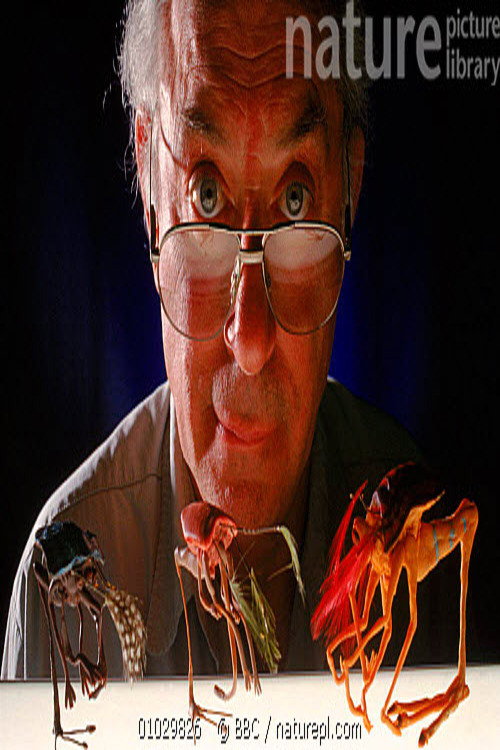
Natural History of an Alien, also known as Anatomy of an Alien in the US, is an early Discovery Channel pseudo-documentary. This pseudo-documentary featured various alien ecosystem projects. It also featured many notable scientists and science fiction authors. In it, the audience is aboard an interstellar spacecraft called the SS Attenborough, piloted by a tiny green alien. This ship travels to a variety of destinations, both real and fictional.
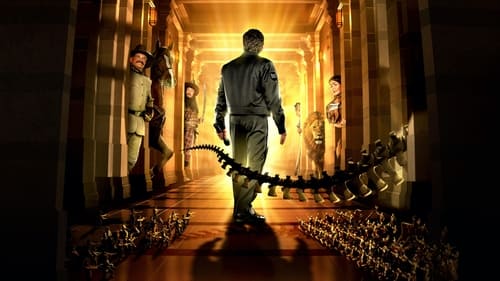
Chaos reigns at the natural history museum when night watchman Larry Daley accidentally stirs up an ancient curse, awakening Attila the Hun, an army of gladiators, a Tyrannosaurus rex and other exhibits.
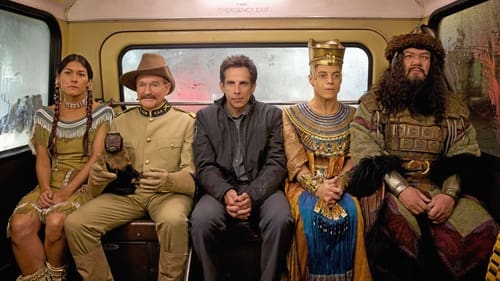
When the magic powers of The Tablet of Ahkmenrah begin to die out, Larry Daley spans the globe, uniting favorite and new characters while embarking on an epic quest to save the magic before it is gone forever.
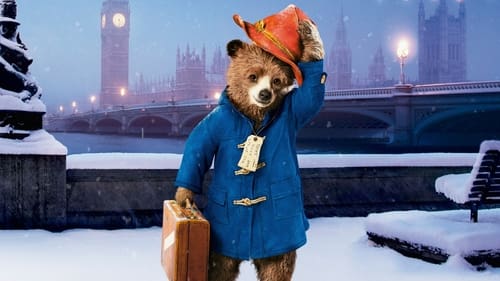
A young Peruvian bear travels to London in search of a home. Finding himself lost and alone at Paddington Station, he meets the kindly Brown family, who offer him a temporary haven.

When The Man in the Yellow Hat befriends Curious George in the jungle, they set off on a non-stop, fun-filled journey through the wonders of the big city toward the warmth of true friendship.
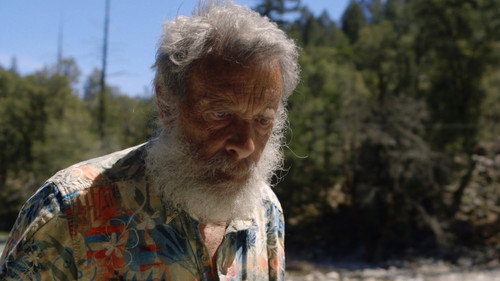
Weeping Rocks follows Art, an entomologist nearing the end of his life, who has spent over five decades walking the same ten trails counting butterflies. His eccentric practice has uncovered patterns of environmental decline that went unnoticed for years. As time reshapes the landscape and species fade, Art’s journey becomes a meditation on mortality, change, and the beauty of what remains.
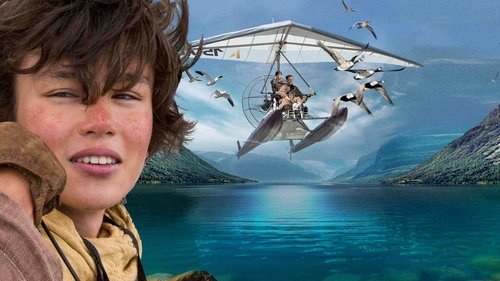
Christian, a visionary scientist, studies wild geese. For his son, a teenager obsessed with video games, the idea of spending a holiday with his father in the wilderness is a nightmare. However, father and son will get together around a crazy project: save a species endangered, thanks to the ultralight of Christian! Then begins an incredible and perilous journey ...

Siblings Enzo and Magda have drifted apart, and in an attempt to reconnect, Magda invites her brother on a trip to Helsinki. Over a weekend, the sibling duo encounters a series of eccentric characters and confronts situations that necessitate conversations about life, art and existence. Memories blend with the present, and dreams and reality merge for the two travelers adrift in the atmospheric city of Helsinki.
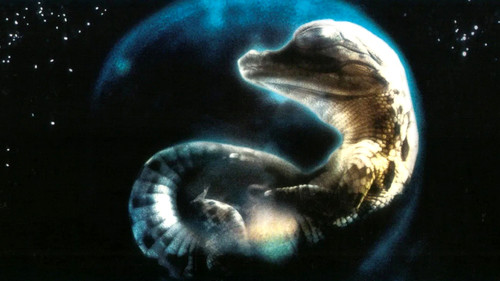
An African narrator tells the story of earth history, the birth of the universe and evolution of life. Beautiful imagery makes this movie documentary complete.
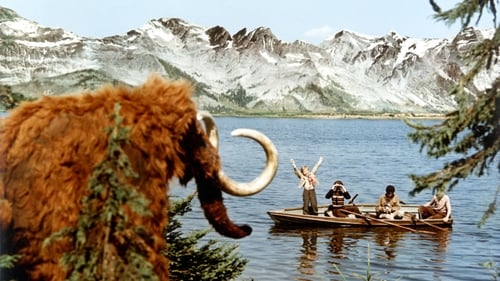
Four schoolboys go on an awe-inspiring expedition back through time, where they behold landscapes and creatures that have long since vanished from the earth.

Often regarded as empty and desolate, the Israeli deserts are anything but. These deserts have shaped some of the toughest creatures on the planet --- with some incredible stories of survival. Her debut film, the Director took a profound journey into the Israeli deserts to bring us HaMidbar - 'the wilderness'.

Did you know that clownfish change sex from male to female? (So if Nemo’s mom had died in real life, his dad could have become his mom!) Did you know that albatross, penguins and swans parent in same sex pairs? Or that bonobos, who are just as closely related to us as chimps, are matriarchal and have same-sex sex every day?! Narrated by Elliot Page, Second Nature follows trailblazing Evolutionary Biologist Dr. Joan Roughgarden as she meets groundbreaking scientists exploring the 1500+ animal species who engage in same-sex sexual behavior and parenting, change sex, form matriarchies, and more, debunking myths that females are “inferior” and that being queer is “unnatural.” SECOND NATURE — everything you didn’t learn in high school biology.
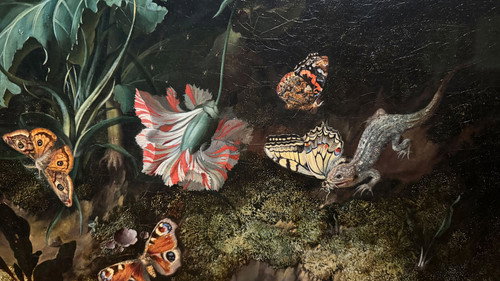
In the 17th century, advances in the natural sciences and the invention of the telescope led Dutch women painters to closely study nature and include reptiles and insects in their art. Women such as Maria Sibylla Merian, Alida Withoos and Maria Moninckx advanced botany and zoology with their highly detailed paintings. Almost forgotten, now their works hang in many important museums around the world.

Linguistics Ph.D. student Julie Walters can speak almost every language you can imagine. Things turn upside down for Julie when handsome Dan, the curator at the museum she dreams to work at, contacts her to get some French classes, and is all about doing it the fun way!
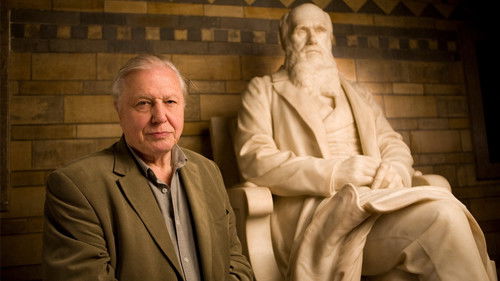
Darwin's great insight – that life has evolved over millions of years by natural selection – has been the cornerstone of all David Attenborough’s natural history series. In this documentary, he takes us on a deeply personal journey which reflects his own life and the way he came to understand Darwin’s theory.
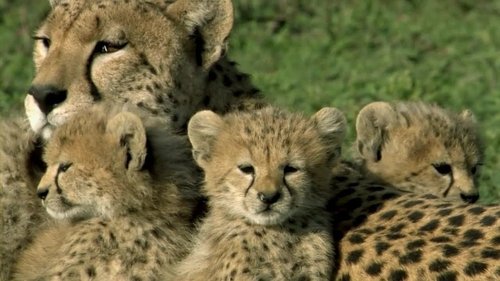
One Life captures unprecedented and beautiful sequences of animal behaviour guaranteed to bring you closer to nature than ever before, as well as a second disc packed full of never before seen extras including an exclusive making of featurette narrated by Daniel Craig.
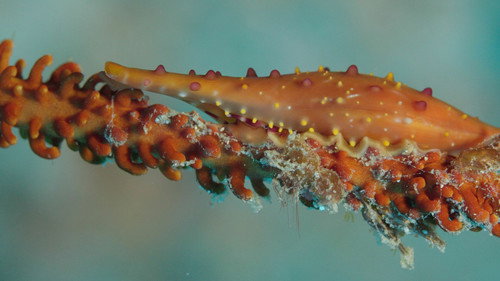
Since the dawn of time, Nature has sculpted the oceans with her delicate hand, weaving the tapestry of life in the shimmering depths and sunlit shallows. With infinite care, she conjured snails and mollusks to inhabit diverse marine realms around the African continent, each a reflection of her boundless creativity and wisdom. These delicate spirals, with their tender curves, ensnare our imagination, inspiring art, shaping cultures, adorning garments, and even serving as currency in ancient economies. "Shells: Shaped by Nature" is an artistic tribute to the enigmatic splendor of shells, celebrating these intricate marvels that grace Africa’s marine realms.

This is the story of a thousand-year-old tree, resilient ambassador of Nature and silent witness of History. The lives of men and women slip under its fronds, often unaware of how much their existence depends on its presence. This is the story of s'ozzastru and of the generous and solid land that welcomed it. In 2021 in Sardinia, a thousand-year-old wild olive tree burned. This fire devasted 70.000 acres of land and houses. Thousands of animals died, suffocated or burned alive.A year later, the tree sprouted again, becoming a symbol of resilience. Every year, around the world, 7 millions of acres of land are destroyed in over 60.000 fires, almost all caused by human hand.
To describe the world is to create another. A disembodied narrator recounts the life and death of Pliny the Elder, author of the first encyclopedia. Excerpts from Pliny’s "Naturalis Historia," echo between past and present, real and virtual, tracing the evolution of knowledge from written encyclopedias to modern AI algorithms.
A documentary that explores the natural world of the sea, from the single-celled organism to more complex forms of life, OCEAN ORIGINS was originally filmed in the IMAX large format, which adds a crispness and clarity to the images. This documentary film seeks to examine the process of evolution by looking at the many creatures of the sea that can illustrate the way multi-cellular life emerged over the course of four billion years. OCEAN ORIGINS is a creative film that uses fascinating documentary footage to look at scientific theories and principles in an interesting manner

Featuring Michael Pollan and based on his best-selling book, this special takes viewers on an exploration of the human relationship with the plant world — seen from the plants' point of view. Narrated by Frances McDormand, the program shows how four familiar species — the apple, the tulip, marijuana and the potato — evolved to satisfy our yearnings for sweetness, beauty, intoxication.