
Action
Adventure
Animation
Comedy
Crime
Documentary
Drama
Family
Fantasy
History
Horror
Music
Mystery
Romance
Science Fiction
Thriller
War
Western
Found 21 movies, 6 TV shows, and 0 people
Can't find what you're looking for?

The Great Courses has partnered with Smithsonian to bring you a series that reveals new perspectives on the historical and contemporary experiences of Indigenous peoples and their significant impact on this country. Gain a new point of view on seemingly familiar stories America was built on, and be prepared to change how you understand American history
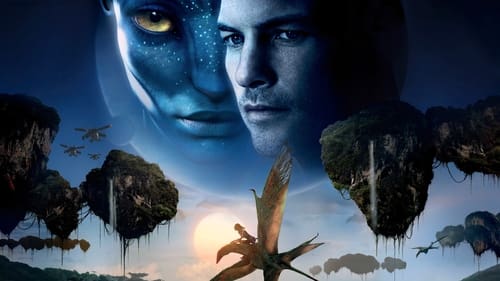
In the 22nd century, a paraplegic Marine is dispatched to the moon Pandora on a unique mission, but becomes torn between following orders and protecting an alien civilization.
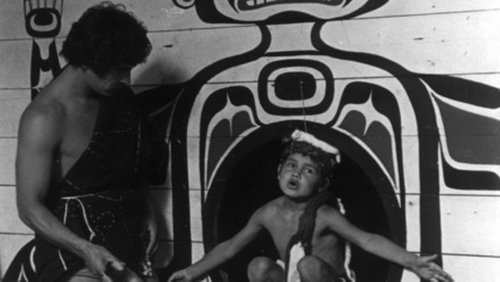
In 1921 the Kwakiut'l people of Alert Bay, British Columbia, held their last secret potlatch. In 1980 at Alert Bay, the U'mista Cultural Centre (U'mista means "something of great value that has come back") opened its doors to receive and house the cultural treasures which were seized decades earlier and only then returned to the people. The center also took up activities such as recording stories told by elders so that some part of the past would always be alive and teaching children about their heritage in order to make them feel connected to their ancestors. This film documents the cultural significance of these events for today's Kwakiut'l people. It is an eloquent testimony to the persistence and complexity of Kwakiut'l society and to the struggle for redefining cultural identity for them.
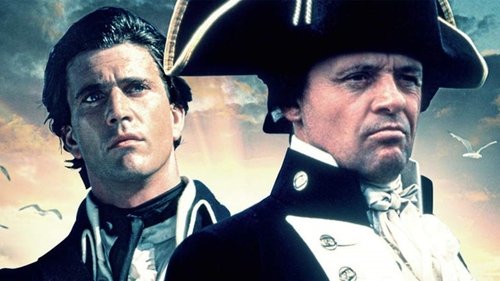
An idyllic voyage to Tahiti in 1789 turns a crew aboard the H.M.S. Bounty against its captain when they find a tropical paradise.
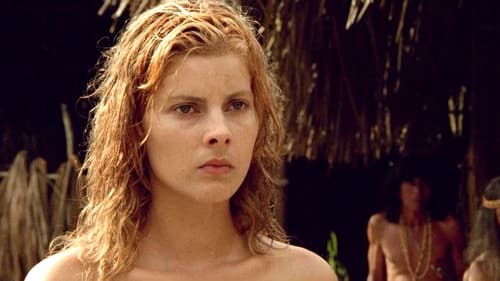
A young woman seeks vengeance and finds love when her parents are killed in the Amazon and she is taken prisoner by an indigenous tribe of headhunters.

Marquis Sévéro, a rich, lazy Parisian, wants to divorce his wife so that he can marry his own goddaughter Denise. But Denise herself loves André Berval, an engineer employed by the marquis. Filled with jealousy, the marquis sends André to the Antilles, to prospect some land he has just acquired. He promises André that he can marry Denise if he is successful in the tropics, but he then writes to Alvarez, his manager at the site, asking him to prevent André from ever returning to France. The brutal Alvarez forms an instant hatred for André when the engineer breaks up Alvarez's attempt to rape Papitou, a beautiful native girl. Papitou becomes devoted to André, and protects him against Alvarez's schemes. But she faces a crisis herself when she learns that André plans to marry Denise.
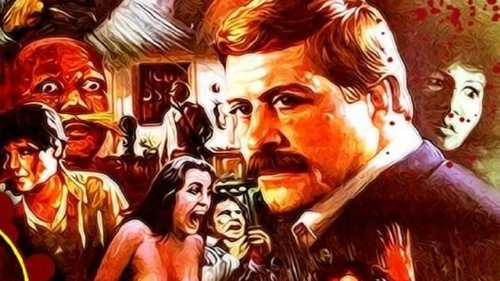
A gigantic serpent is captured on a remote island and shipped to an American college for experimentation.
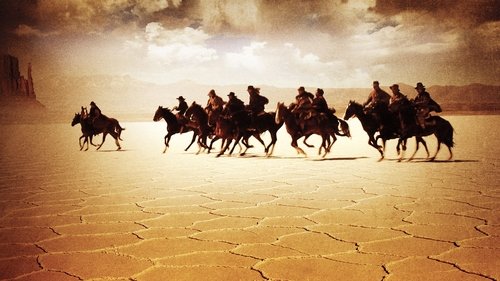
In Bolivia, Butch Cassidy (now calling himself James Blackthorn) pines for one last sight of home, an adventure that aligns him with a young robber and makes the duo a target for gangs and lawmen alike.
No description available for this movie.

The causes underlying the collapse of civilizations are usually traced to overuse of resources. As we write this, the world is reeling from economic chaos, peak oil, climate change, environmental degradation, and political turmoil. Every day, the headlines re-hash stories of scandal and betrayal of the public trust. We don't have to make outraged demands for the end of the current global system - it seems to be coming apart already. But acts of courage, compassion and altruism abound, even in the most damaged places. By documenting the resilience of the people hit hardest by war and repression, and the heroism of those coming forward to confront the crisis head-on, END:CIV illuminates a way out of this all-consuming madness and into a saner future. Backed by Jensen's narrative, the film calls on us to act as if we truly love this land. The film trips along at a brisk pace, using music... Written by Franklin Lopez
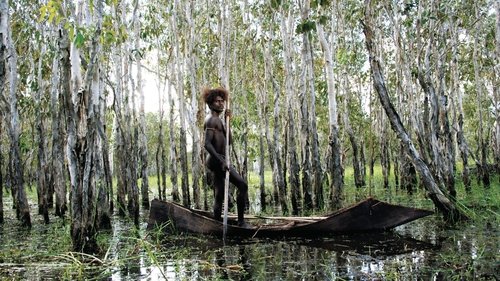
A story within a story within a story. In Australia's Northern Territory, an Aboriginal narrator tells a story about his ancestors on a goose hunt. A youngster on the hunt is being tempted to adultery with his elder brother's wife, so an elder tells him a story from the mythical past about how evil can slip in and cause havoc unless prevented by virtue according to customary tribal law.
No description available for this movie.
In the mountains of Córdoba hides a historical scar. In 1575, hundreds of Hênia-Kâmîare women, children and elders jumped off in order to avoid slavery. A free, poetic view at the very place where the largest mass suicide in the history of the territory known today as Argentina took place. The film is a phantasmagoric trip within this geographical extension, taking it as a vast, green cemetery.
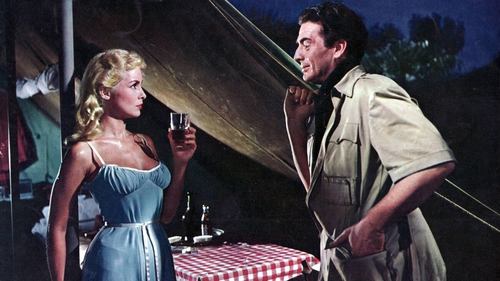
Wealthy eccentric Sir Vincent Brampton and his fiancée Linda Latham hire Ken Duffield to lead them on a jungle hunt. Duffield is looking for the murderer of his son; he gets the killer and Linda.
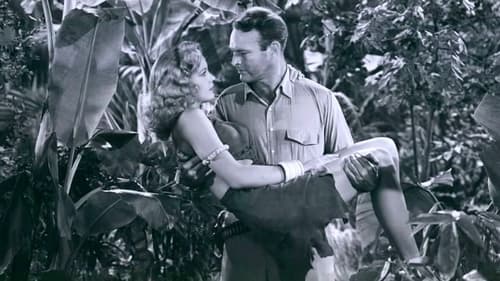
An expedition into the deep jungle discovers a native tribe led by a tall Caucasian blonde woman.
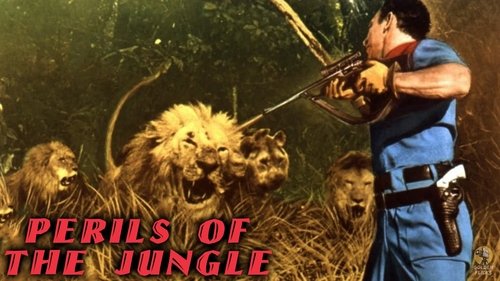
On an African safari with his friend Grant, Clyde Beatty plans to buy some black-maned Numbian lions from Jo Carter but her animals are wiped out by a fire. Despite interference by rival dealer Gorman, who hopes to ruin Jo, Beatty saves her business by helping her to capture an adult gorilla. (2nd story) When Grant is bitten by a tsetse fly and falls ill, Beatty heads for the nearest hospital through the territory of the dangerous Matabeles tribe. They are captured and condemned to death by Grubbs, a white man living with the tribe and stealing their gold. Using the Matabele Boy King as a shield, Beatty and Grant make an escape and Grubbs is forced to accompany them, leaving his loot behind.
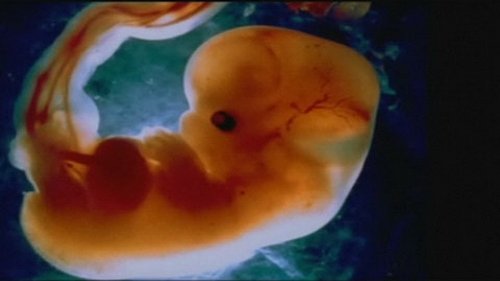
From inside the human body and the miracle of developing life to an insects world seen from the point of view of the insect, cinematographer Lennart Nilsson shows us the world in new ways. Part I, "The Ultimate Journey", moves from fertilization to birth of the human child, with excursions into comparative embryology. "The Unknown World" explores fur beetles and book worms and viruses among others - you will not be able to look at a fur coat the same way again. And in "The Photographer's Secrets" the technical people who developed the instruments he used explain how the cinemagic is done - a kiss from the inside, an opera singer's vocal cords, a tractor as seen 'over the shoulder' of an emerging worm.
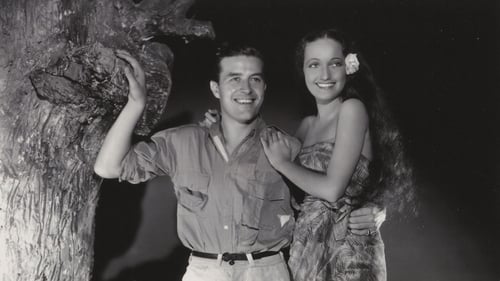
Christopher Powell is in Malaysia with his fiancée and her father, capturing wild animals. While out hunting, he is attacked by a tiger, and his native guides run away, leaving him for dead. But the tiger is the pet of Ulah, a beautiful young woman who grew up by herself in the jungle. She rescues Chris and takes him back to her cave, where she nurses him to health and falls in love with him. When he eventually returns to camp, she follows. The fiancée is jealous, and the natives don't like Ulah or her pet tiger either, all of which leads to a lot of trouble.

The world knows the image of the good Canadian. But what if there was a dark secret behind a national identity? THE GOOD CANADIAN exposes the truth behind the idea of a True North strong and free. In this unflinching and eye-opening documentary, directors Leena Minifie and David Paperny move us through the corridors of systemic inequity, from the Indian Act to residential schools, to modern-day family separation. Fusing shocking footage with detailed interviews with experts, advocates, whistleblowers and politicians, THE GOOD CANADIAN challenges national myth-making, while offering Canadians the chance to forge a new identity from the truth.
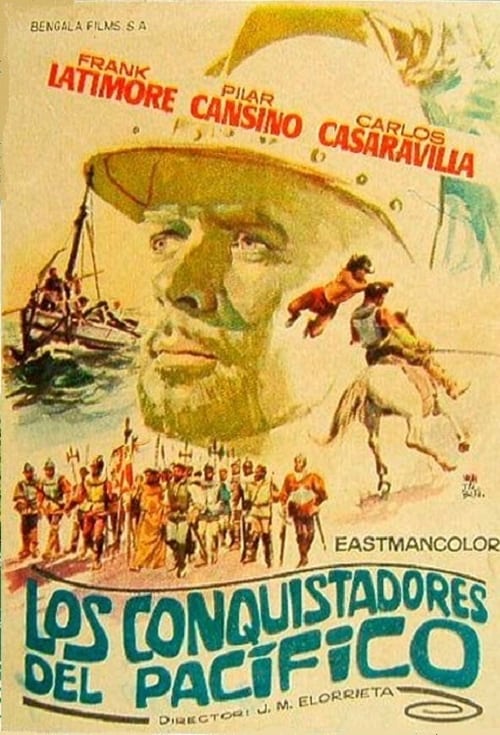
Frank Latimore is cast as Balboa, the heroic Spanish explorer who discovers the Pacific Ocean. Along the way, he must pacify the wrath of his enemies and battle his way through a forest inhabited by savage natives. This one features some really nice battles, stunning ocean photography, and tolerable reconstruction of historic events.
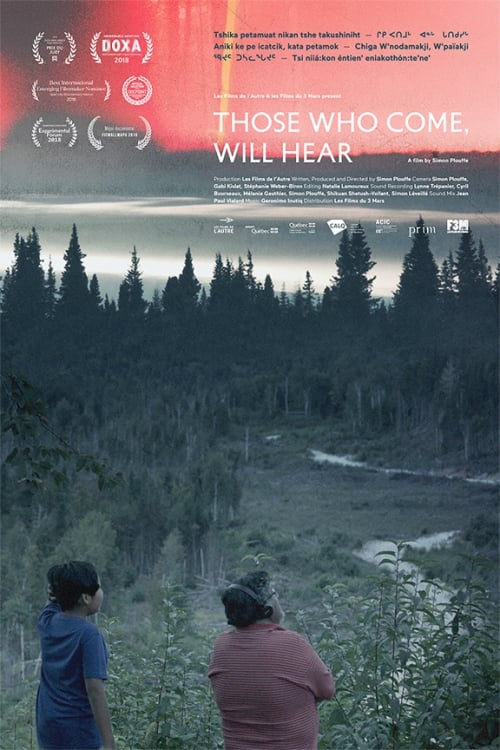
The documentary proposes a unique meeting with the speakers of several indigenous and inuit languages of Quebec – all threatened with extinction. The film starts with the discovery of these unsung tongues through listening to the daily life of those who still speak them today. Buttressed by an exploration and creation of archives, the film allows us to better understand the musicality of these languages and reveals the cultural and human importance of these venerable oral traditions by nourishing a collective reflection on the consequences of their disappearance.