
Action
Adventure
Animation
Comedy
Crime
Documentary
Drama
Family
Fantasy
History
Horror
Music
Mystery
Romance
Science Fiction
Thriller
War
Western
Found 20 movies, 10 TV shows, and 0 people
Can't find what you're looking for?

Joyce Jonathan Crone—Mohawk matriarch, retired teacher, activist, humanitarian—reaches forward into her community of Huntsville, Ontario, opening hearts and bridging gaps for Indigenous education.
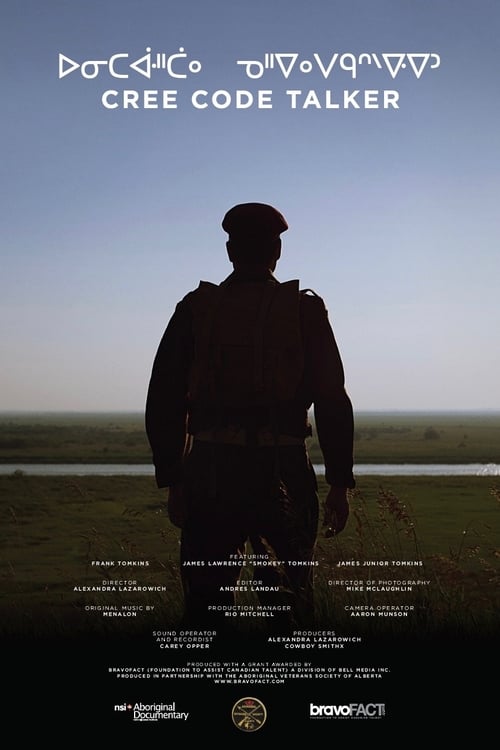
CREE CODE TALKER reveals the role of Canadian Cree code talker Charles 'Checker' Tomkins during the Second World War. Digging deep into the US archives it depicts the true story of Charles' involvement with the US Air Force and the development of the code talkers communication system, which was used to transmit crucial military communications, using the Cree language as a vital secret weapon in combat.
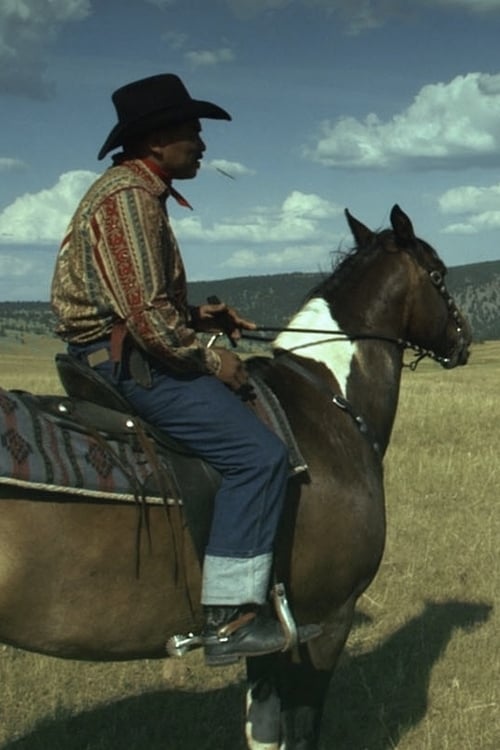
A hunter on horseback accidentally discovers a portal to another world in this fantastical true Tsilhqot'in story.
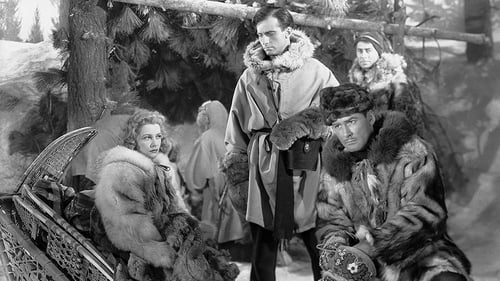
Canadian Mountie Steve Wagner captures a German Luftwaffe officer on a spy mission, who later escapes from the prison camp. To catch the spy ring, the Mounties employ a ruse so that the spies, believing Steve to be sympathetic, enlist him in their plans.
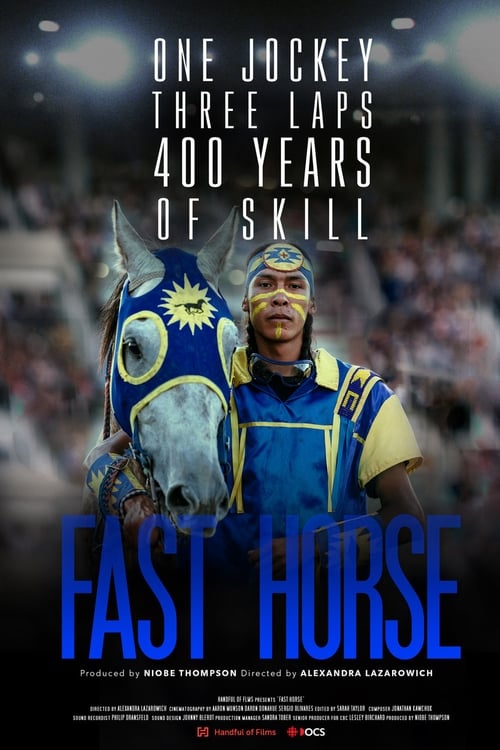
The Blackfoot bareback horse-racing tradition returns in the astonishingly dangerous Indian Relay. Siksika horseman Allison Red Crow struggles with secondhand horses and a new jockey on his way to challenging the best riders in the Blackfoot Confederacy.
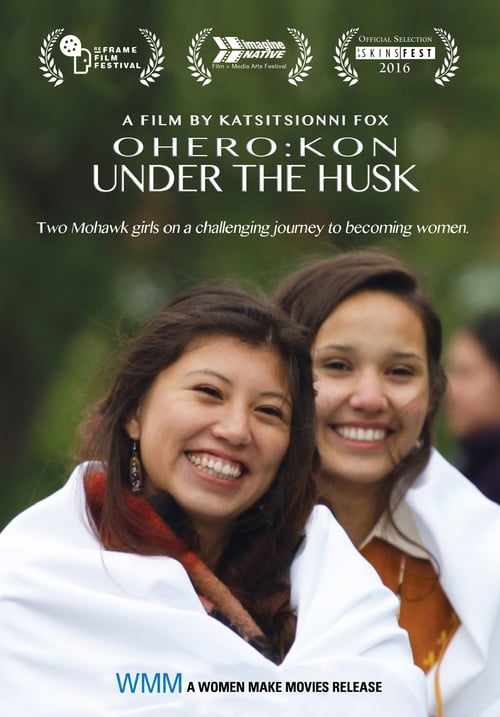
This documentary follows two Mohawk girls on their journey to become Mohawk women. Friends since childhood, Kaienkwinehtha and Kasennakohe are members of the traditional community of Akwesasne on the U.S./Canada border. Together, they undertake a four-year rite of passage for adolescents, called Oheró:kon, or "under the husk." The ceremony had been nearly extinct, a casualty of colonialism and intergenerational trauma; revived in the past decade by two traditional leaders, it has since flourished. Filmmaker Katsitsionni Fox has served as a mentor, or "auntie," to many youth going through the passage rites.

ARCTIC SUMMER is a poetic meditation on Tuktoyaktuk, an Indigenous community in the Arctic. The film captures Tuk during one of the last summers before climate change forced Tuk's coastal population to relocate to more habitable land.
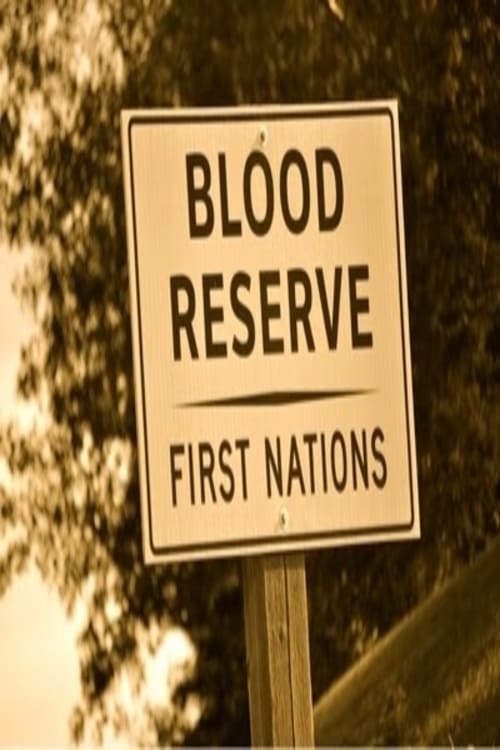
A social statement on the irreversible and detrimental impact of gas and oil exploration on our planet and in particular the impact that hydraulic fracturing or 'fracking' will have on Kainaiwa, or the Blood Reserve in Canada. This film was shot with a completely Indigenous cast and crew.

This documentary follows a Cree woman as she takes on the Indian Relay race season, as well as the Canadian authorities in her quest to give Missing and Murdered Indigenous Women a voice.
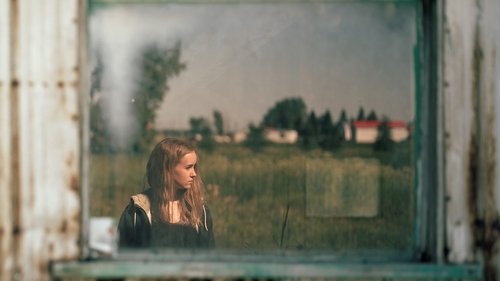
Camille wanders through the countryside talking with frogs and chickens: she sails through life as a carefree soul. But for her older sister, the introverted Mylia, things are more complicated. Mylia is lost between the uncertainty in her family life, the superficial atmosphere at her new school and her first experiences at house parties. It is Camille who eventually introduces Mylia to Jimmy. The boy from the nearby Abenaki reserve is different and he encourages her to break free.
The world knows the image of the good Canadian. But what if there was a dark secret behind a national identity? THE GOOD CANADIAN exposes the truth behind the idea of a True North strong and free. In this unflinching and eye-opening documentary, directors Leena Minifie and David Paperny move us through the corridors of systemic inequity, from the Indian Act to residential schools, to modern-day family separation. Fusing shocking footage with detailed interviews with experts, advocates, whistleblowers and politicians, THE GOOD CANADIAN challenges national myth-making, while offering Canadians the chance to forge a new identity from the truth.
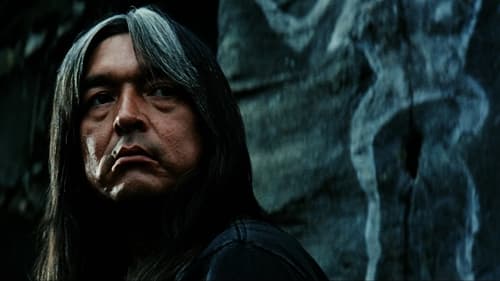
A white lawyer finds his values shaken when he is paired with an angry Indigenous activist who insists on kidnapping the head of a logging company to teach him the price of his destruction.
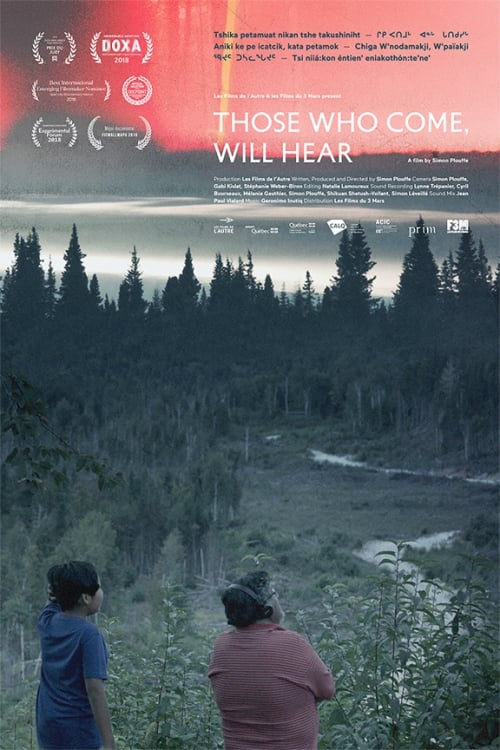
The documentary proposes a unique meeting with the speakers of several indigenous and inuit languages of Quebec – all threatened with extinction. The film starts with the discovery of these unsung tongues through listening to the daily life of those who still speak them today. Buttressed by an exploration and creation of archives, the film allows us to better understand the musicality of these languages and reveals the cultural and human importance of these venerable oral traditions by nourishing a collective reflection on the consequences of their disappearance.
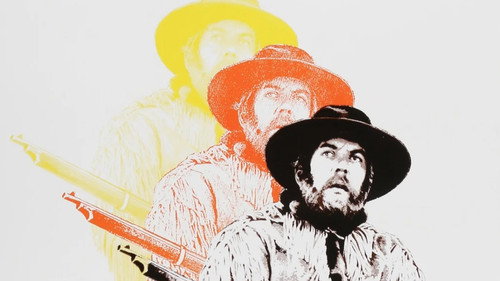
Saskatchewan, Canada, late 19th century. The negligence of Dan Candy, sergeant of the Royal Canadian Mounted Police, allows Almighty Voice, a young Cree warrior, to escape.
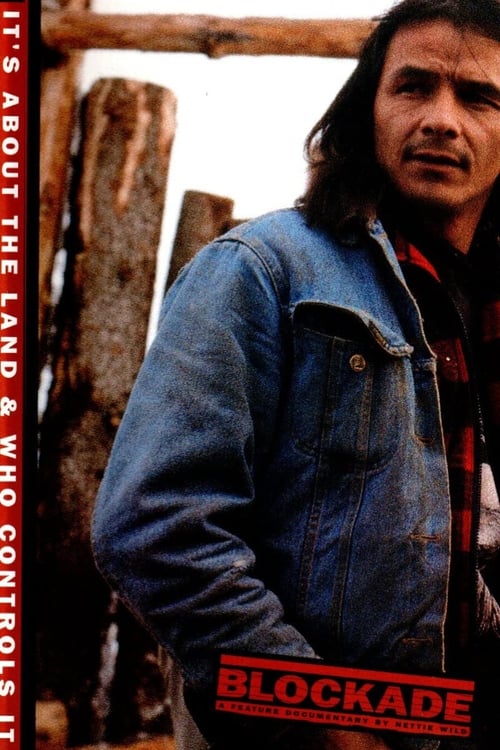
"Blockade" takes place in the mountains and valleys of northern British Columbia, at the heart of the boldest aboriginal land claims case to challenge the white history of Canada. The Gitksan and Wet'suwet'en hereditary chiefs claim that everything within 22,000 square miles, including the trees, is rightfully theirs.
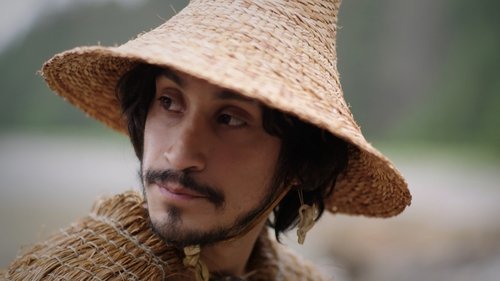
Island of Haida Gwaii, northern Canada, 19th century. During a fishing gathering, Adiits'ii commits an unfortunate act. Tormented, he runs away to the wilderness as his mind embraces madness.
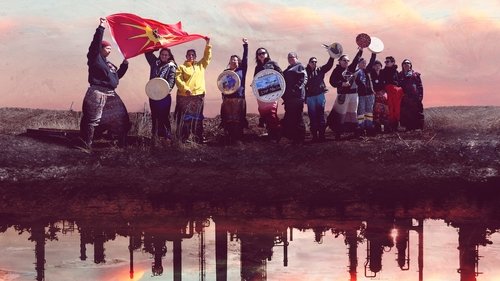
Elliot Page brings attention to the injustices and injuries caused by environmental racism in his home province, in this urgent documentary on Indigenous and African Nova Scotian women fighting to protect their communities, their land, and their futures.
Indigenous rights and title to the land remains a taboo topic for many across Canada, but in the small town of Laird, Saskatchewan, an old injustice is providing new opportunities for dialogue, friendship and a fierce determination to right the wrongs of the past.
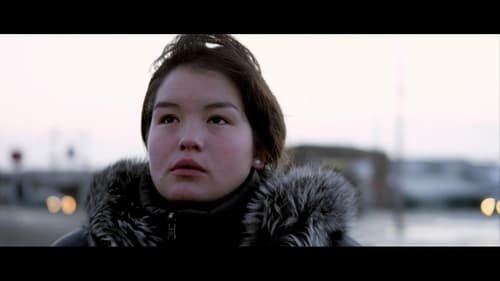
In a small town in the Canadian Arctic, Ippik, a young Inuit woman, suffers in an abusive relationship. She starts to heal when she connects with other victims of violence and finds her voice.
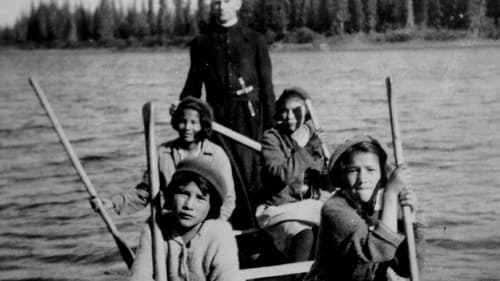
The Indian Act, passed in Canada in 1876, made members of Aboriginal peoples second-class citizens, separated from the white population: nomadic for centuries, they were moved to reservations to control their behavior and resources; and thousands of their youngest members were separated from their families to be Christianized: a cultural genocide that still resonates in Canadian society today.