
Action
Adventure
Animation
Comedy
Crime
Documentary
Drama
Family
Fantasy
History
Horror
Music
Mystery
Romance
Science Fiction
Thriller
War
Western
Found 27 movies, 3 TV shows, and 0 people
Can't find what you're looking for?

A retrospective on the lasting effects of the atrocities committed by Japanese soldiers in Nanjing, China during the winter of 1937-1938. The retelling is from the point of view of the Wang family. Though the Wang family lost a number of close relatives, they were among the lucky few thousand who survived the sacking of China’s capital living as refugees in an international safety zone near the American and German embassies.

Two men begin courting the girl Nadia. Being excellent storytellers, they do everything to win her over. They are completely different: one is a simple man with a criminal past, the other an intellectual who has spent time in China. The intensity of passion rises. Whom will Nadia choose? Where is truth and where is fiction? Which of them, if either, is telling the truth? What lies ahead?
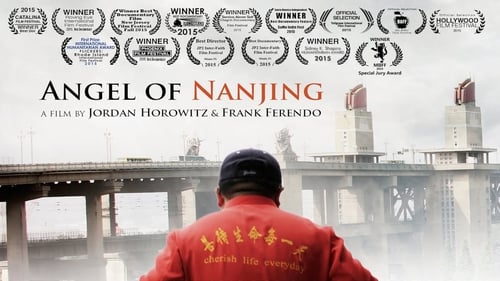
The Yangtze River Bridge in Nanjing is one of the most famous bridges in China. It is also the most popular place in the world to commit suicide. For the past 11 years Chen Si has been patrolling this bridge, looking to provide aid for those who've gone there to end their lives. Incredibly, he has saved over 300 people since he began - nearly one every two weeks.
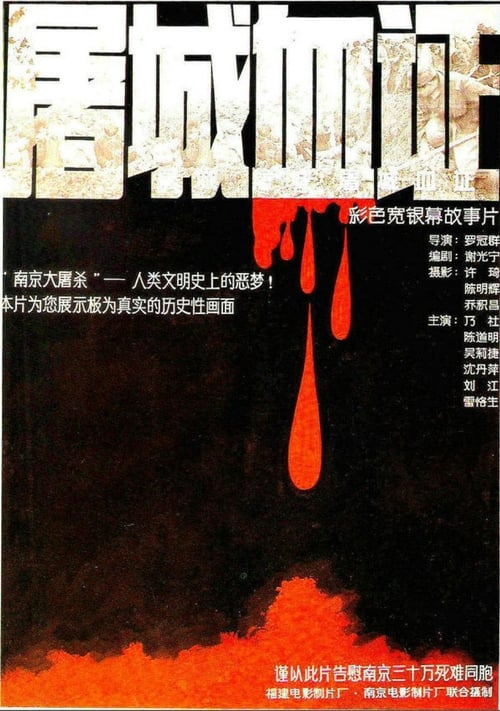
In December 1937, Imperial Japanese Army occupied Nanjing. Nanjing International Safety Zone became a safe haven amid massacres. Japanese officers sought to suppress reporting while the Chinese wanted to smuggle out the damning evidence.
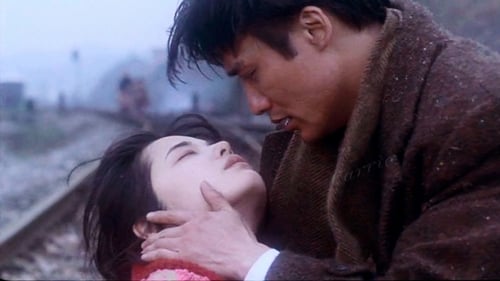
Ryuichi Okagawa, a Japanese writer who worked as a reporter in China has been sick ever since his return home. While in China, Okagawa had met a devoutly religious girl named Jin-hua. Okagawa was born with a predisposition to agonizing recurrent migraines, but found happiness with Jin-hua and married her. Unfortunately, he already had a wife in Japan, and this revelation crushed Jin-hua. When Okagawa returned home, leaving Jin-hua behind, she was forced to work as a prostitute, catching both a severe case of the flu and a rather less socially acceptable condition. Meanwhile, Okagawa's guilt has torn him apart enough for him to return to China in an attempt to bring Jin-hua home with him to get medical attention, but the girl is already too far gone for his help.
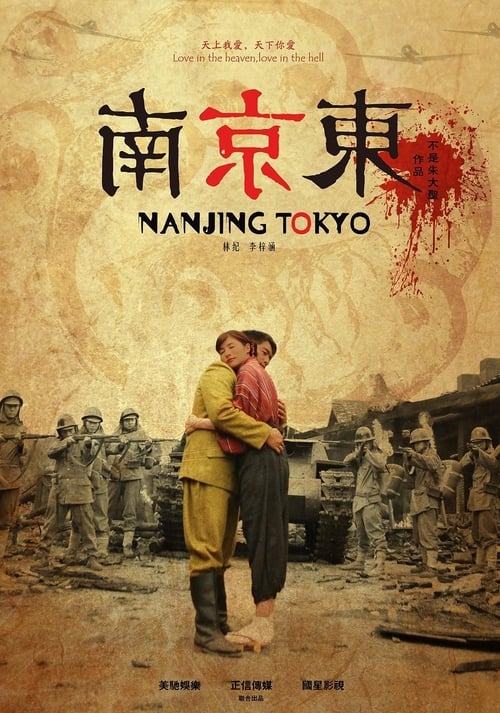
No description available for this movie.

A few hours of rain in Nanjing.
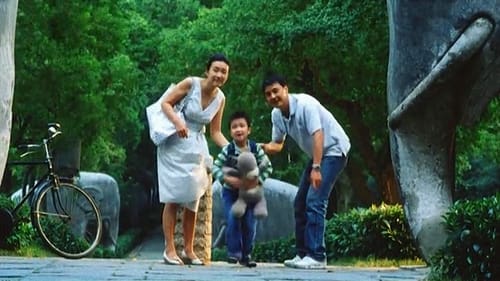
He Nanjing, a veteran bus driver with a spotless 15-year safety record, faces mounting pressure due to infertility in his marriage with his wife, Wei Li. Their relationship begins to unravel. During their separation, He Nanjing unexpectedly meets a young boy named Tongtong, who is being raised by a single parent. As He cares for Tongtong and builds a bond with him, both he and Wei Li gradually rediscover the meaning of love, family, and what truly matters in life.
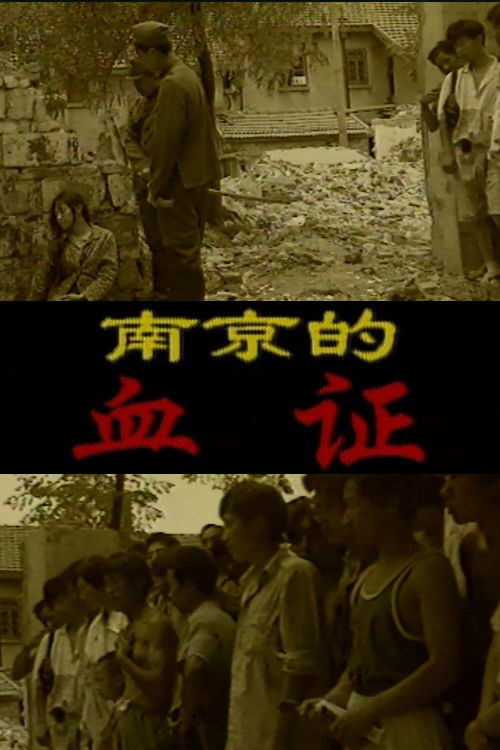
Reenactment documentary made for Oriental Time and Space (东方时空). The story concerns the discovery of a photo album containing 16 photographs which documenti the atrocities committed by the Japanese army during its 1937 occupation of Nanjing. This photo album later became a significant piece of evidence used during the trial of Hisao Tani, one of the primary perpetrators of the Nanjing Massacre.
NANJING: MEMORY AND OBLIVION uses archival footage and photos, interviews with Chinese survivors and eyewitnesses, former Japanese soldiers, and both Chinese and Japanese government officials, historians and lawyers, to document the events of "The Rape of Nanking" and to show how the interpretation of this history has become politicized.

Documentary about the Nanjing (alt. Nanking) massacre, featuring interviews and accounts from both Japanese veterans and Chinese survivors
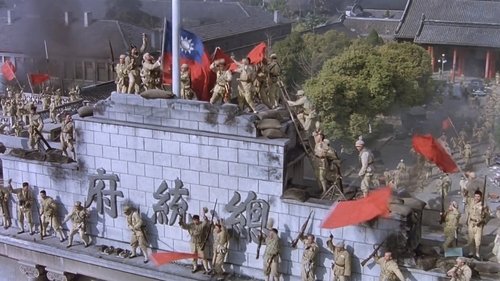
No description available for this movie.
No description available for this movie.
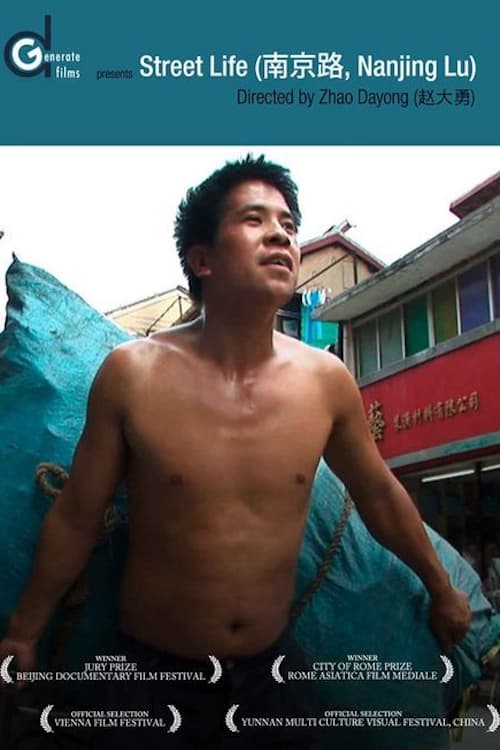
Street Life documents the lives of Chinese migrants in Shanghai, one of the world’s largest and most vibrant cities, now symbolic of China’s economic might. The film centers on Nanjing Road, one of China’s oldest commercial streets and today a popular destination for tourists and moneyed Chinese. The street has also become a Mecca for uprooted and homeless Chinese, who make ends by collecting garbage and recyclables. These characters and their stories are the focus of the film. The central character in Street Life is a migrant known as “Black Skin.” Black Skin faces numerous pressures in the course of the film, including police violence. In the end, these pressures are too much for him to bear and he goes mad. Black Skin’s story intersects with those of fellow bottle collectors, enterprising thieves and even a young boy who has been abandoned.
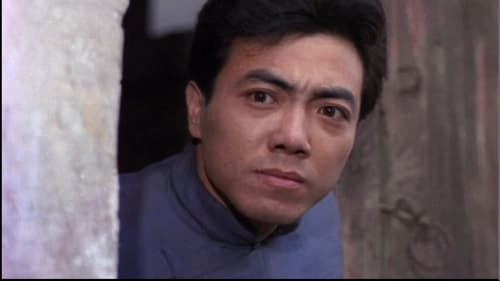
In December 1937, during the Second Japanese-Sino War, a Chinese doctor, his Japanese pregnant wife, their teenage daughter and their young son travel from Shanghai to Nanjing seeking shelter in the Capital during the Japanese invasion. The family faces the Rape of Nanking by the Imperial Japanese Army, with rapes, mass murder of prisoners of war and civilians including women, children and elders, and disrespect of international conventions.
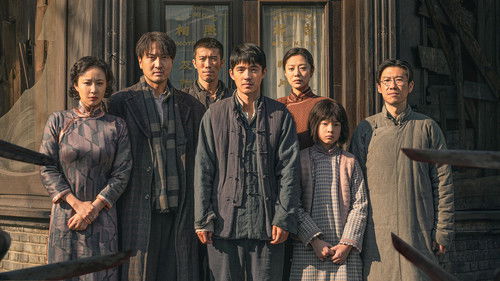
During the 1937 Nanjing Massacre, a postman poses as a photo developer, helping Japanese forces while secretly sheltering Chinese refugees. He later risks his life evacuating them and revealing evidence of the atrocities.
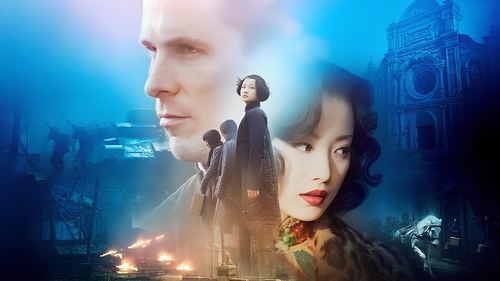
A Westerner finds refuge with a group of women in a church during Japan's rape of Nanking in 1937. Posing as a priest, he attempts to lead the women to safety.
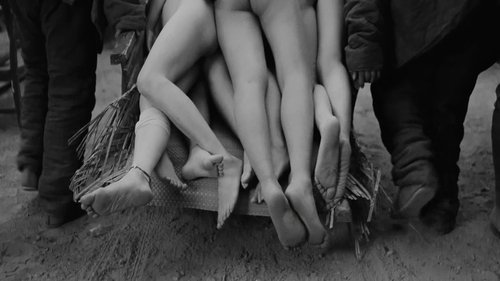
In 1937, during the height of the Second Sino-Japanese War, the Imperial Japanese Army has just captured Nanjing, then-capital of the Republic of China. What followed was known as the Nanking Massacre, or the Rape of Nanking, a six week period wherein tens of thousands of Chinese soldiers and civilians were killed.

A true-story account of a German businessman who saved more than 200,000 Chinese during the Nanjing massacre in 1937-38.
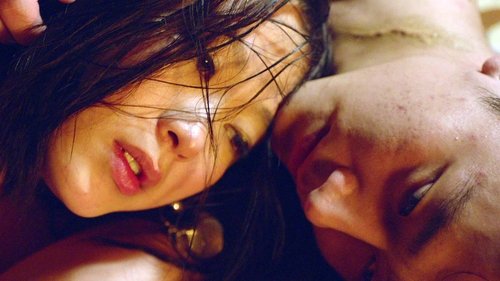
The employees of a massage parlour share a close bond with each other as they all share a trait in common, they are all visually impaired.

The film spans two decades, as the story unfolds in a series of flashbacks that begin when Qiyue and Ansheng were just thirteen. The two became inseparable, until they met a boy who ended up tearing their lives apart.

Although new friendships and new love await her, a college freshman discovers that university life is not as simple as she had hoped.

A romantic tale revolving around two radio disc jockeys and the world they inhabit. They find the audience they reach reflects their love and heartbreak, forcing them to deal with issues larger than just their own lives.

A Chinese medical student named Gan Shosho finds himself cut off from his homeland as he is studying in Japan during the outbreak of the war. Despite his difficult circumstances, he finds love in the form of Sachiko and the two marry. They later travel to Nanjing to live a new life together where Sachiko and Shaochang cooperate with the Japanese-backed government. Their ultimate hope is to secure peace but their idealism is not enough to keep them together through brutal times and with the end of the war the two find themselves facing a divorce... --Osaka Asian Film Festival
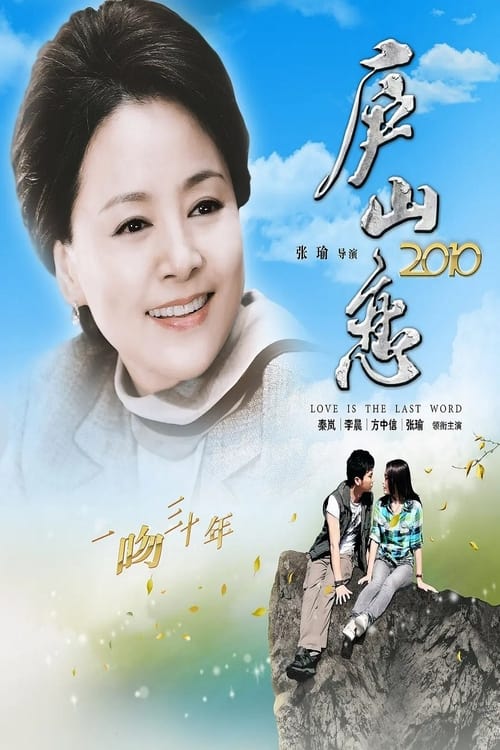
The classic film "Romance on Lushan Mountain" was a big hit in China in 1980. Thirty years later, leading actress Zhang Yu is delivering a sequel to fans, but this time as the director. Now let's take a closer look at Friday's premiere in Nanjing. It's just a peck on the cheek to filmgoers today, but that was the first kiss featured in a movie made after the founding of the People's Republic of China in 1949. Not only did it break a taboo on big screen intimacy, but it also made then-23-year-old actress Zhang Yu an idol throughout the country. Now, 30 years later, Zhang is back as the director presenting a sequel to the classic romance. She says the new film is out to explore the meaning of real love. Attaching 2010 to the original name, the new "Romance on Lushan Mountain" appeals to today's audiences. The film will be released across China on October 5th.
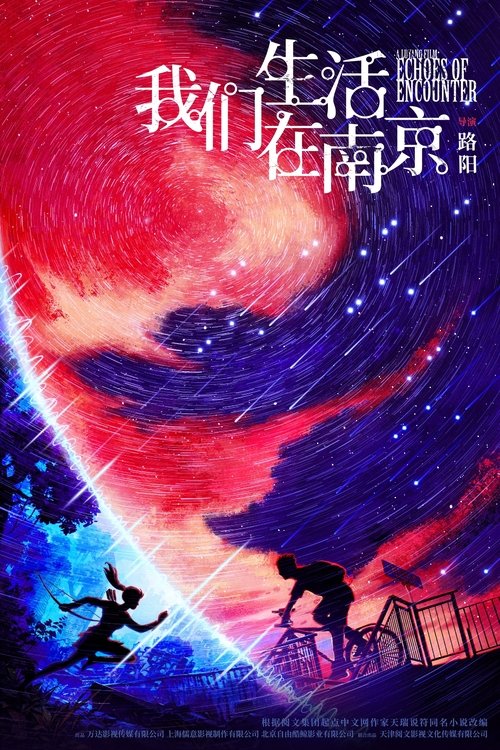
2040 Nanjing is full of green and has become the "big eyes of animals" heaven. Ban Xia insists on using radio stations to contact the world every day. In 2019, high school student Bai Yang became a radio enthusiast under his father's influence. When he made independent communication for the first time, he accidentally receives a signal from Ban Xia in 2040. The two embark on a communication journey across time and space.
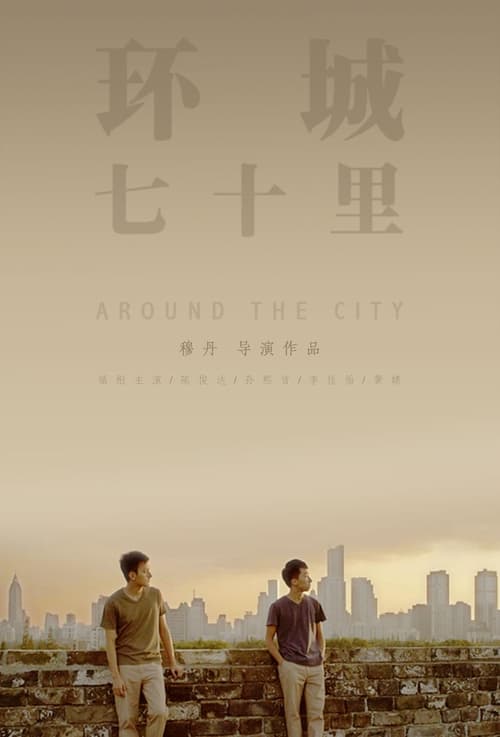
No description available for this movie.