
Action
Adventure
Animation
Comedy
Crime
Documentary
Drama
Family
Fantasy
History
Horror
Music
Mystery
Romance
Science Fiction
Thriller
War
Western
Found 20 movies, 4 TV shows, and 0 people
Can't find what you're looking for?

Nagasaki, 1964: Following the death of his Yakuza father, 15-year-old Kikuo is taken under the wings of a famous Kabuki actor. Alongside Shunsuke, the actor’s only son, he decides to dedicate himself to this traditional form of theatre. For decades, the two young men grow and evolve together – and one will become the greatest Japanese master of the art of Kabuki.

Totsuko is a high school student with the ability to see the 'colors' of others. Colors of bliss, excitement, and serenity, plus a color she treasures as her favorite. Kimi, a classmate at her school, gives off the most beautiful color of all. Although she doesn't play an instrument, Totsuko forms a band with Kimi and Rui, a quiet music enthusiast they meet at a used bookstore in a far corner of town. As they practice at an old church on a remote island, music brings them together, forming friendships and stirring affections.

An elderly Nagasaki hibakusha spends a summer caring for her four grandchildren, whose curiosity about the 1945 bombing stirs buried memories and moral questions. When an American nephew from Hawaii visits, the family confronts grief, guilt, and the possibility of reconciliation across generations.
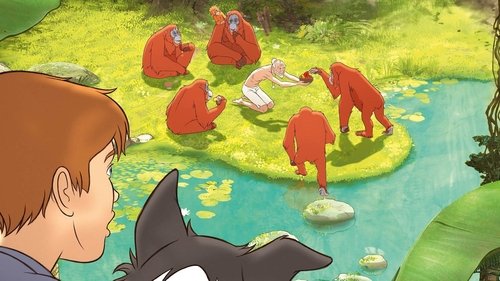
A young boy and his family set off on a sailing trip of a lifetime until a violent storm erupts, sweeping Michael and his dog overboard. After washing up on a remote island, terrified, they struggle to survive and adjust to life alone, One day, Michael discovers he is not alone when he is confronted by a mysterious Japanese man who has lived there secretly since World War II, angry that Michael has arrived. However, as dangerous invaders threaten their fragile island paradise, Michael and the old man, Kensuke, join forces to save their secret world.
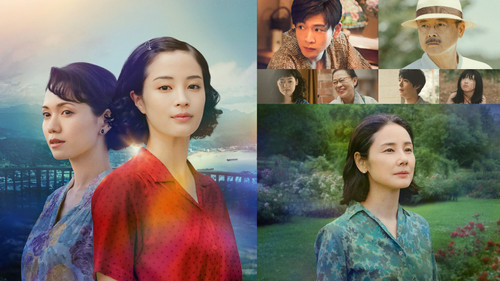
Dual timelines explore a Japanese widow's memories spanning post-war Nagasaki in 1950s and England during 1980s Cold War era, unraveling secrets that intertwine her past and present experiences across borders.
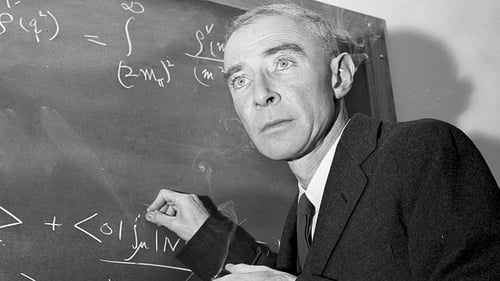
Explore how one man's relentless drive and invention of the atomic bomb changed the nature of war forever, led to the deaths of hundreds of thousands of people and unleashed mass hysteria.

Like many other young men of his generation, after Pearl Harbor was attacked, Aldo Giannini joined the Marines with little idea of what lay ahead. After training, he was quickly deployed overseas and fought in the bloody Battle of Tarawa, surviving with a shrapnel injury and the haunting memory of witnessing the loss of 3,250 U.S. lives. He went on to fight in other battles and returned home after 3 intense years of service. Nearly eight decades later, he still questions if winning the island was worth the price.

An anti-war exploration of the filmmaker's experience with recurring nightmares about a potential nuclear apocalypse, through the lens of the bombings of Hiroshima and Nagasaki.
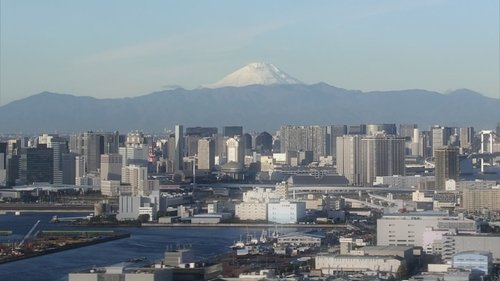
In 150 years, twice marked by total destruction —a terrible earthquake in 1923 and incendiary bombings in 1945— followed by a spectacular rebirth, Tokyo, the old city of Edo, has become the largest and most futuristic capital in the world in a transformation process fueled by the exceptional resilience of its inhabitants, and nourished by a unique phenomenon of cultural hybridization.

In parched Nagasaki, grieving Koura drifts after losing his son. When his sister leaves her daughter in his care, an unexpected life together begins.
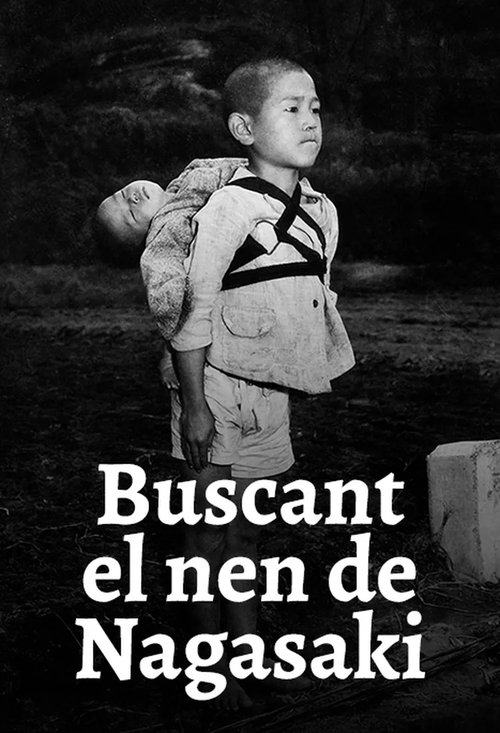
October 1945. A young Japanese boy in the devastated city of Nagasaki, two months after the atomic bomb, carries on his back the lifeless body of his younger brother. An American military photographer, Joe O'Donnell, took a picture of the boy standing stoically near a cremation pit. No one knows the subject's name, but the photo has become an iconic image of the human tragedy of nuclear war. This documentary follows the continuing efforts to deepen understanding of the photograph, while exploring the fate of thousands of atomic-bomb orphans and their struggles to survive the aftermath of World War II.
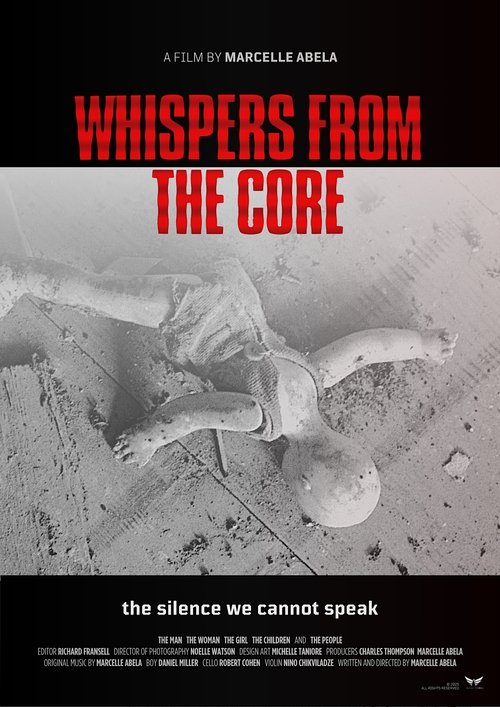
Under the charred veil of Hiroshima, Nagasaki and Chernobyl, survivors bear treachery's shroud, hunting redemption through a generational silence that shrieks with ghosts of the forgotten.
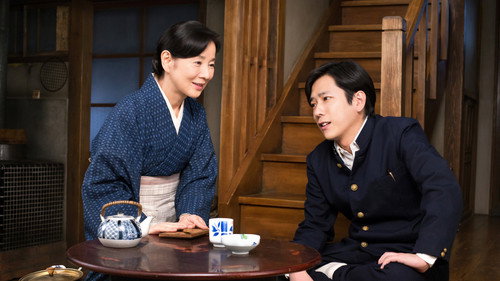
Nobuko works in Nagasaki, Japan as a midwife. Her son died 3 years earlier from the atomic bomb. On August 9, 1948, her son appears in front of her again. Since that time, Koji appears in front of her and they reminiscence about pleasant times. These happy, but bizarre moments seem eternal.
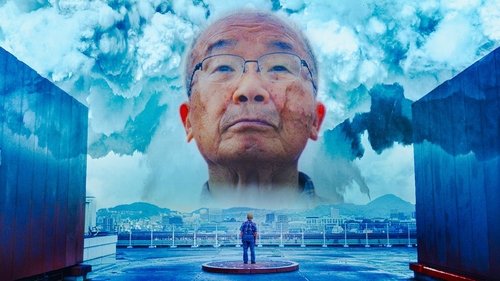
Combining personal accounts with archive footage, this film features the voices of some of the only people left on earth to have survived a nuclear bomb.

A personal documentary that tracks the construction of America's collective memory (or lack of one) of the bombings of Hiroshima and Nagasaki. It follows the obscure histories of specific photos and photographers, both Japanese and American, who visited Nagasaki and Hiroshima in the aftermath of the bombings, counterposing this visual legacy with the stories of survivors, whose practice of speaking to small groups of students offers a modest but powerful counter-history to the official record.
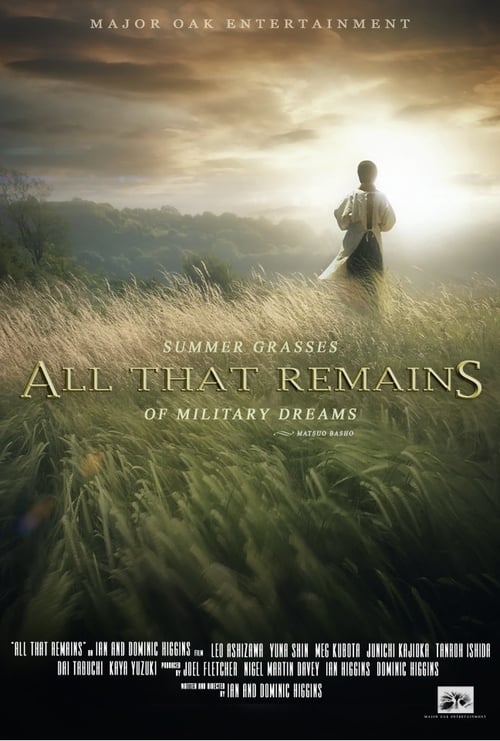
The true story of Dr. Takashi Nagai, scientific pioneer, war hero, Christian convert and survivor of the atomic bombing of Nagasaki, who worked tirelessly in his efforts to heal the wounds of a country utterly devastated by war.
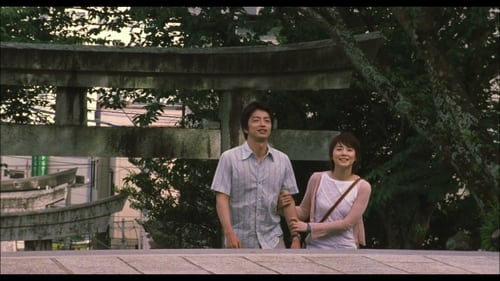
Takayuki is an elementary school teacher in Tokyo. He is seized with Behçet's syndrome, and will gradually lose his sight. He resigns from his job and leaves his girlfriend, Yoko (Yuriko Ishida) to return to his hometown, Nagasaki, where his mother lives. Takayuki spends his days strolling around Nagasaki, to imprint familiar scenes on his memory. Yoko visits him and insists on staying. Takayuki has major concerns for her future, and his own life. He drives her away, for her own good. After days of affliction, the two reunite. The story leads to an emotive conclusion, the end of his spiritual journey.
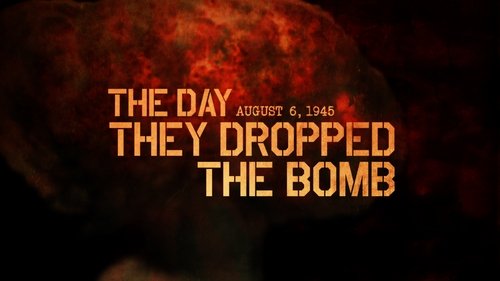
On August 6 1945, one plane dropped one bomb on the Japanese city of Hiroshima. In an instant, the city was destroyed and 80,000 people were dead. But the dropping of the Atomic bomb also launched the Nuclear age, shaping all of our lives and changing the world for ever. For this film we have tracked down people who made the bomb, people who dropped the bomb, and people who were in Hiroshima – some less than half a mile from ground zero -when the bomb fell on their city. Many of the witnesses are in their 90s and this will be the last time they will be able to tell their extraordinary stories. The Day They Dropped The Bomb is told through witness recollections, rare archive film and photographs shot at the time. The documentary will be broadcast for the 70th anniversary of Hiroshima next year by ITV and in America by the Smithsonian Channel.
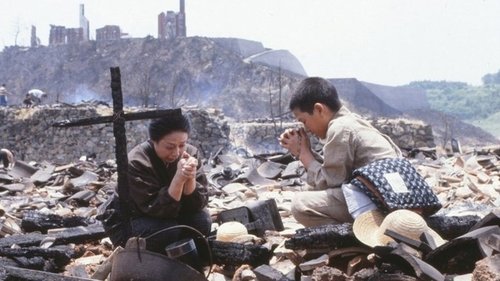
August 9, 1945. An atomic bomb drops on Urakami, Nagasaki at 11:02am. The story of Dr. Nagai and his family.
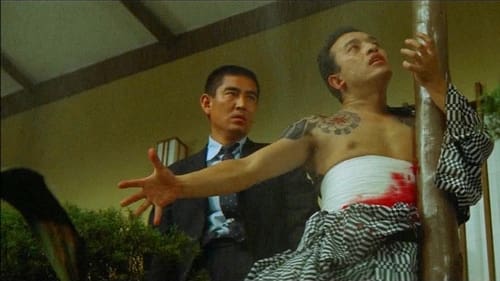
A young leader of the Yamazaki family of Nagasaki, Takida (Ken Takakura) is an A-bomb survivor. He fiercely battles violent elements in southern Japan like there is no tomorrow.