
Action
Adventure
Animation
Comedy
Crime
Documentary
Drama
Family
Fantasy
History
Horror
Music
Mystery
Romance
Science Fiction
Thriller
War
Western
Found 22 movies, 5 TV shows, and 0 people
Can't find what you're looking for?
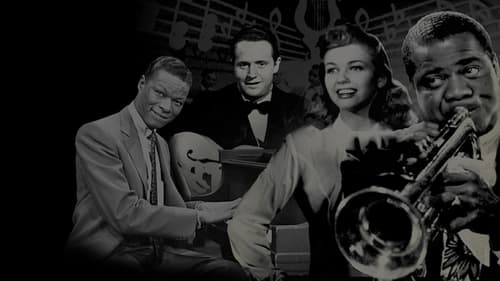
Before MTV and the age of television, there were Soundies. First appearing in 1941, these three minute black-and-white films featured artists of the Big Band, Jazz and Swing era, like Duke Ellington, Count Basie, Louis Jordan, Louis Armstrong, Gene Krupa, The Mills Brothers, Les Paul, Cab Calloway, and Fats Waller. The Soundies helped launch the careers of Doris Day, Nat King Cole, Liberace, and Dorothy Dandridge, among others. Viewed for a dime through a special machine called a Panoram, a movie jukebox, these forerunners to the music video could be seen in nightclubs, roadhouses, restaurants and other public venues across the U.S. These classic films remain as glorious time capsules of music, social history, popular culture, and tell the story of a crossroads in our country, when the uncertainties of war, race relations, and emerging technologies combined to write one of the most influential chapters in our nation¹s history.
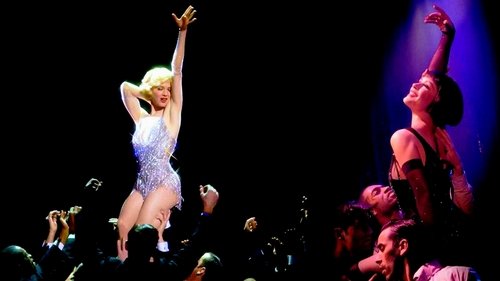
The history of Hollywood musical movies, from the very beginning until the 21st century, hosted by Shirley Jones.
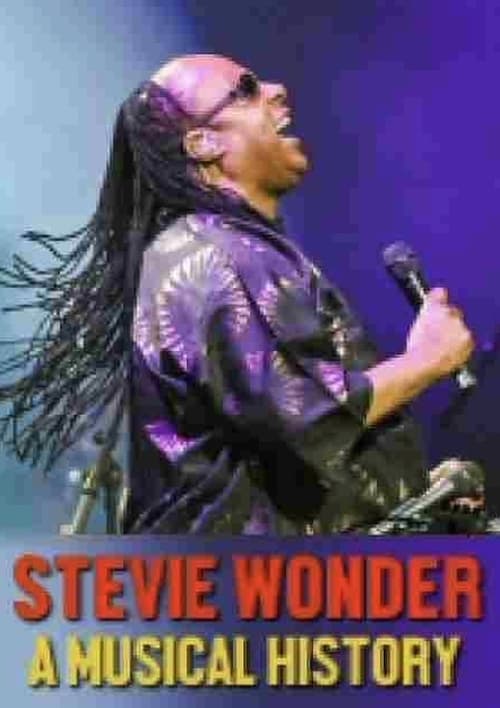
Well-known fans celebrate Stevie Wonder and his music by selecting some of his best-loved songs. Wonder is one of the dominant figures in American music, a multi-faceted genius whose music has permeated popular culture, and he is not short of celebrity fans. His musical achievements are lauded in this anthology of his greatest hits. Contributors include actor Martin Freeman, singers Alexander O'Neal, James Morrison, Beverley Knight and Corinne Bailey Rae, New Order's Gillian Gilbert and Stephen Morris, DJs Ana Matronic, Trevor Nelson and Norman Jay, Heaven's 17's Glenn Gregory and Martyn Ware, journalist Sian Pattenden and presenter Emma Dabiri.

Fellow musicians, journalists and fans celebrate Fleetwood Mac with a selection of their best-loved songs. They have endured, like all great bands, because of the complimentary talents of its members. From Peter Green to Christine McVie, Stevie Nicks and Lindsay Buckingham, it has contained some extraordinary songwriters. With brilliant musicians on all instruments, the band has been able to turn the songs into commercial gold.
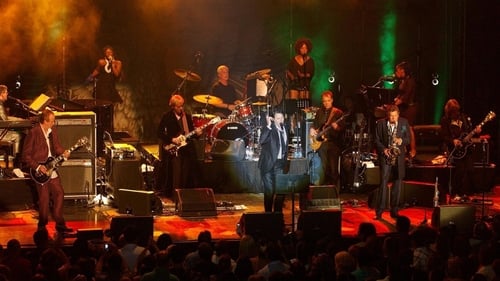
Documentary exploring the music of rock band Roxy Music, who have a good claim to be one of the UK's most influential bands. Led by charismatic front man Bryan Ferry, their striking style and great songs won them an army of fans who would go on to make their own mark in the world of music. In this celebration of the music of both Bryan Ferry and Roxy Music, insights and anecdotes are provided by household names from Sadie Frost to Glenn Gregory & Martyn Ware, Gaz Coombes, New Order's Stephen Morris and Gillian Gilbert, Shaun Ryder and Alan McGee, Ana Matronic and more.
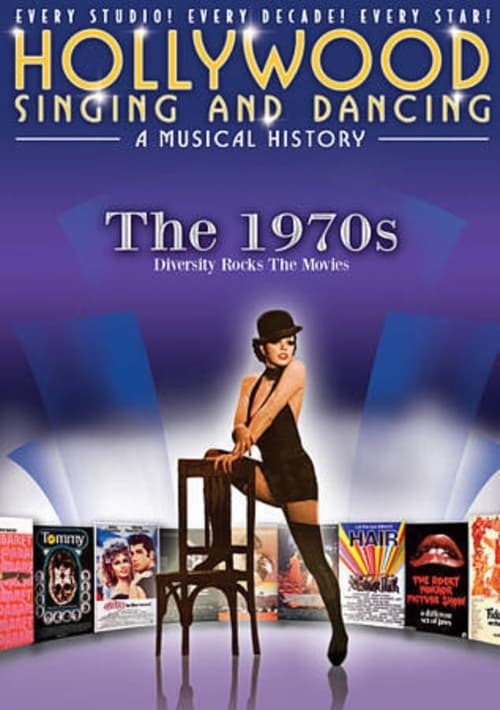
Narrated by the legendary Shirley Jones, this installment of the Hollywood Singing and Dancing series shines a light on the musicals of the 1970s, a time when the very look of the genre was changing. Highlights include clips from squeaky-clean family fare such as Fiddler on the Roof, as well as more envelope-pushing options like Cabaret, Grease, The Rocky Horror Picture Show, Tommy, Jesus Christ Superstar and Hair.
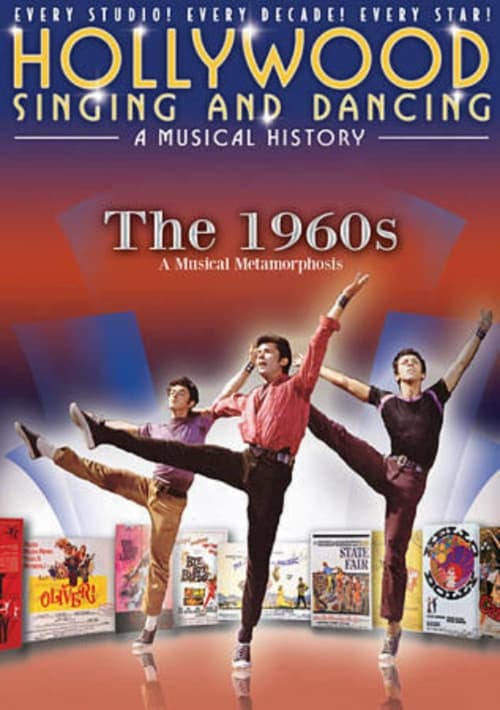
Documentary looking at the history of Hollywood musicals in the 1960s. This decade saw independent film companies becoming more prominent as the bigger Hollywood studios, who produced the mainstream musicals, experienced a decline. This brought the emergence of more realistic story lines and the use of contemporary music like rock 'n' roll. This programme features songs from the musicals 'West Side Story' (1961), 'The Music Man' (1962), 'Mary Poppins' (1964), 'The Umbrellas of Cherbourg' (1964), 'Funny Girl' (1968), 'Oliver!' (1968) and 'Sweet Charity' (1969).
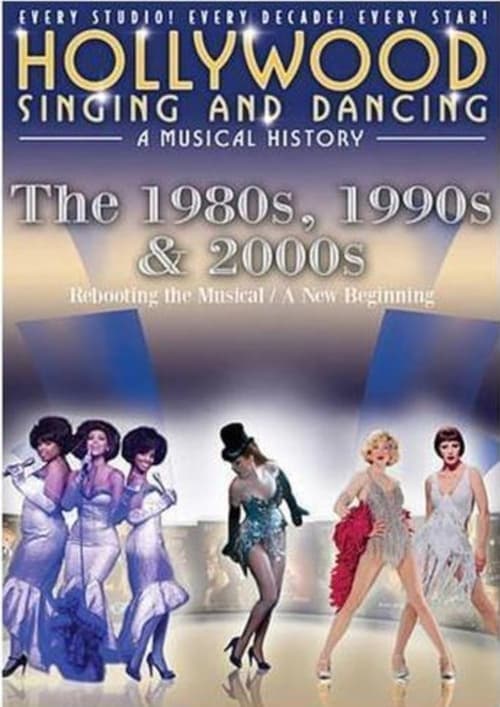
In the 1980s we got our MTV but seemed to have lost much of the musical film in the process. But the genre is resilient. A handful of masterpieces along with a few cult classics emerged from this decade. In the 1990s the Hollywood musical was largely animated, rather than live action. However, television had a surprising number of musical offerings, including “Gypsy” with Bette Midler and “Annie” which launched director Rob Marshall. In the 2000s musicals came back starting with “Moulin Rouge” and carrying on with “Chicago,” “Dreamgirls” and “Hairspray.” There are movies based on Broadway triumphs and once again there are teens singing and dancing.
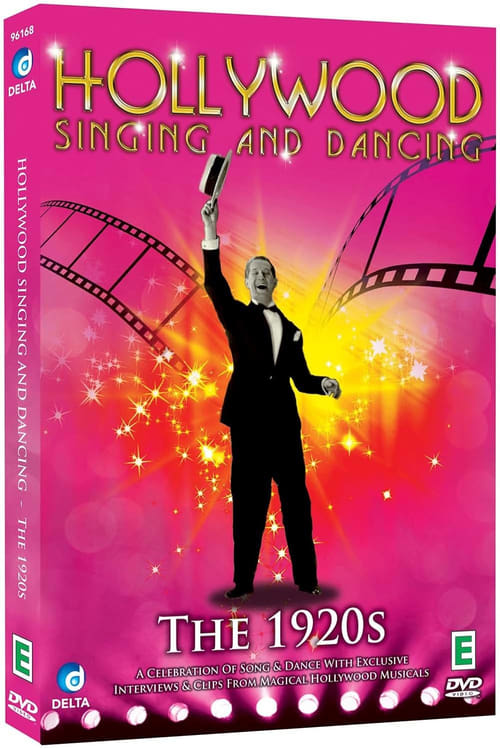
The 1920s was a time of great change in Hollywood. This program tells the story of the advent of sound technology for movies and the emergence of talkies and musicals in Hollywood. While audiences cried out for more, the movie industry struggled to adapt to the strange new technology. The result was an explosion of movie musicals by the end of the decade.
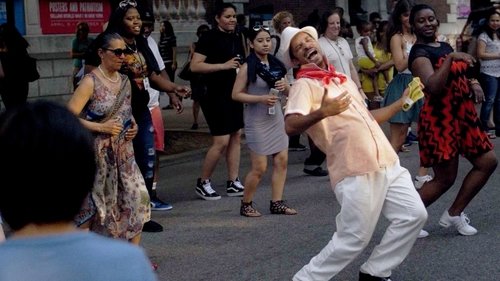
When the film West Side Story was released in 1961, New York's reviled Puerto Rican community gained some visibility and, over time, both in Spanish Harlem and the Bronx, neighborhoods plagued by poverty, drugs and crime, Hispanic identity was reborn and strengthened, thanks to a syncretic and intentionally popular music that eventually conquered the entire city.
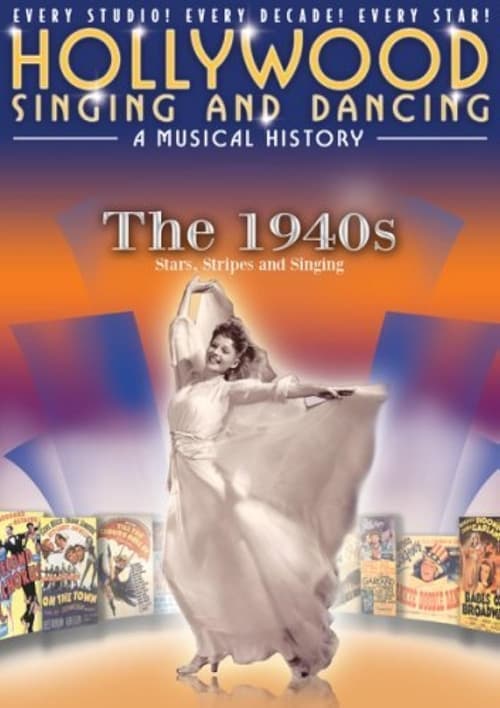
This is a two-hour in-depth exploration into the Hollywood musicals of the 1940s.
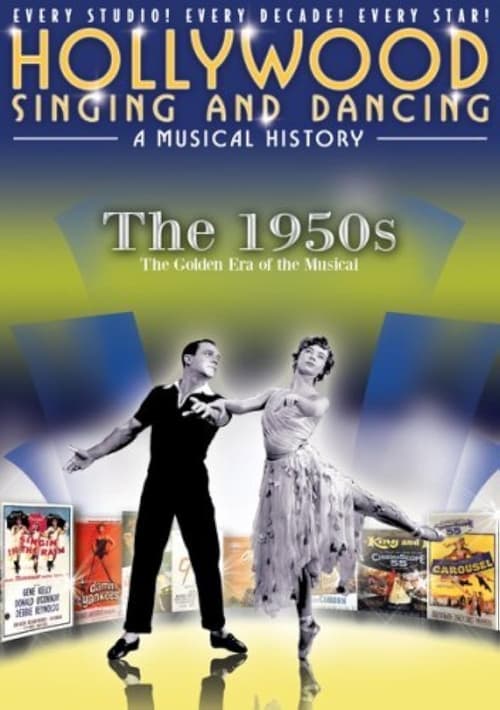
During the 1950s, musical masterpieces that have yet to be equaled were produced in Cinemascope with stereophonic sound. These two episodes explore how the post-war years were alive with bold experimentation in musical film. Later in the decade, Rock & Roll became the musical choice of the younger generation and movie musicals followed suit. Highlights of this 2-part program include: Films based on smash Broadway musicals become the rage. A pretty starlet with no musical training named Marilyn Monroe takes the country by storm in "Gentlemen Prefer Blondes." With favorites from the previous decade continue to delight audiences: Rock & Roll films, songs and musical numbers.
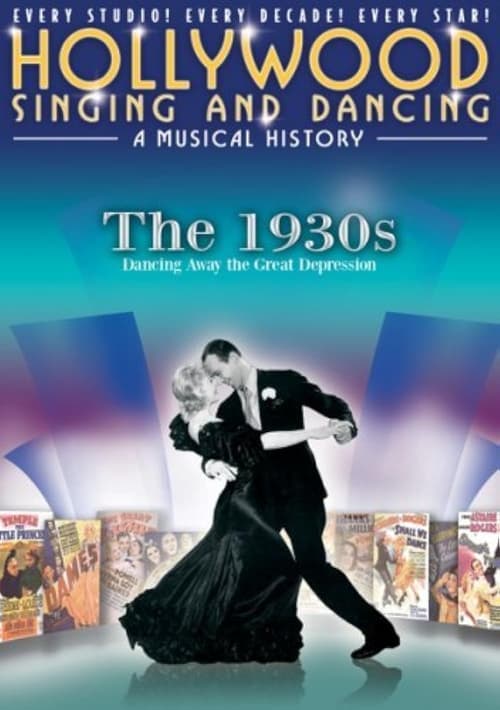
A two-hour in-depth exploration into the Hollywood musicals of the 1930s.

Five manipulators, three musicians, and 50 puppets. Score by Virgil Moorefield, lyrics by Andrea Balis.
Few musicals can claim to capture the mood of a historical period as well as the 1972 classic Cabaret. Liza Minnelli's unforgettable portrayal of singer Sally Bowles and the film's stylish recreation of the era have become defining images of Weimar Berlin. In this documentary, actor Alan Cumming explores the truths behind the fiction. He meets many of those closely involved with the original film, including Liza Minnelli, and talks to cabaret artists, among them acclaimed performer Ute Lemper. Alan explores the origins of the Cabaret story in the writings of Christopher Isherwood and uncovers the story of the real life Sally Bowles, a woman very different from her fictional counterpart. He talks to the composer of Cabaret about the inspiration for the film's most famous songs and discovers the stories of the original composers and performers, among them Marlene Dietrich. Finally, Alan reveals the tragic fate of many of the cabaret artists at the hands of the Nazis.
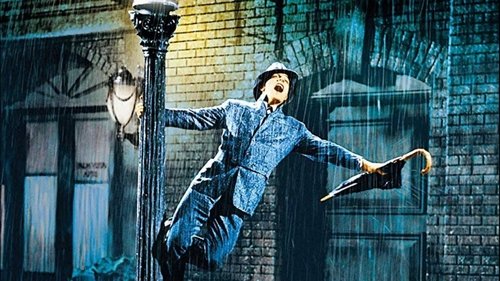
Gene Kelly is a legend of the heyday of the Hollywood musical. His name stands for masterpieces such as "Singin' in the Rain" and "An American in Paris". As a singer, dancer, actor, choreographer and director, he was a true all-round artist who revolutionized the world of dance in particular. Kelly, who loved to experiment, explored new forms of dance expression and helped a whole generation of young talents to fame. From his beginnings in cabarets and on Broadway to his recognition as a choreographer and director, the documentary shows how the good-looking star with a charming smile expanded the boundaries of dance expression: He danced in the open air in the streets of New York, with a cartoon character or his own reflection. But this dazzling entertainer image should not obscure the fact that Kelly, as a staunch supporter of the American civil rights movement, also saw dancing as a political statement.
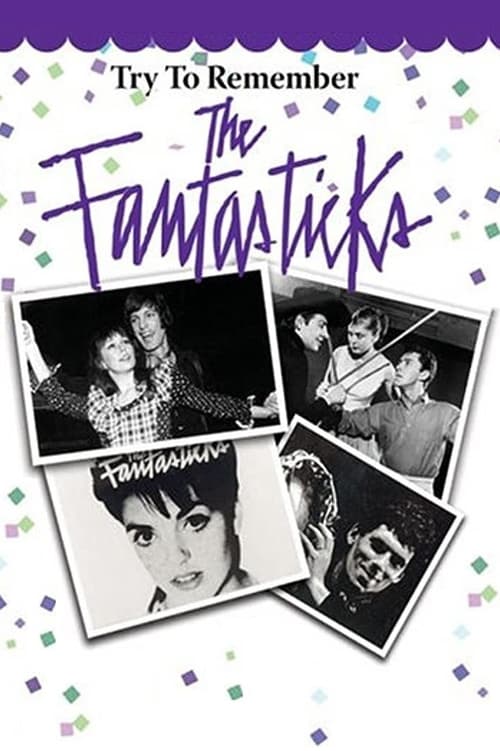
On the eve of the final Off-Broadway performance of the long-running musical "The Fantasticks," filmmaker Eli Kabillio takes a wistful look back at the show's genesis with composer Harvey Schmidt, author Tom Jones and original cast member Jerry Orbach.
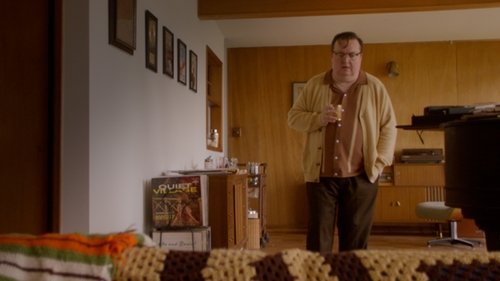
Washed-up novelty musician Reuben Gimbel wants to resurrect his career after his agent dies.
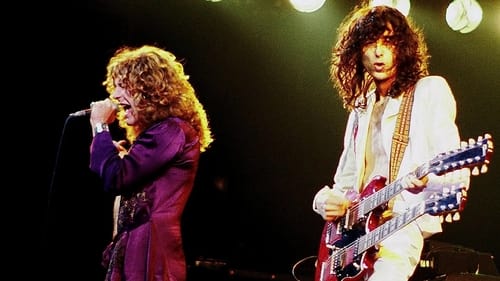
Rock Milestones: Led Zeppelin's IV zeroes in on Zeppelin's fourth LP, an untitled effort that shot to the top of the charts upon release circa November 8, 1971, and single-handedly shaped the landscape of hard rock over the ensuing decade. Rock Milestones: Led Zeppelin's IV goes behind the scenes to investigate why -- and how -- this album became a decades-long phenomenon and the inestimable impact it made on American music and pop culture in particular.

E! look at the early career of Christina Aguilera, including how she came to stardom thanks to her exceptional voice and changing up her image at 21.

Experimental cartoon which unites various techniques: puppets, sand & water (ebru) animations. About friendship, love and necessity to pay attention not only to the visual appeal.
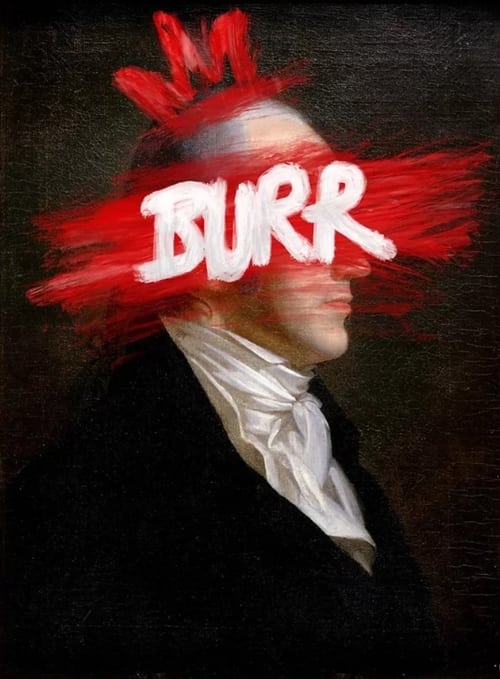
Following his duel with Alexander Hamilton, Vice President Aaron Burr devises a plan to lead the first secession in US history.