
Action
Adventure
Animation
Comedy
Crime
Documentary
Drama
Family
Fantasy
History
Horror
Music
Mystery
Romance
Science Fiction
Thriller
War
Western
Found 68 movies, 13 TV shows, and 20 people
Can't find what you're looking for?
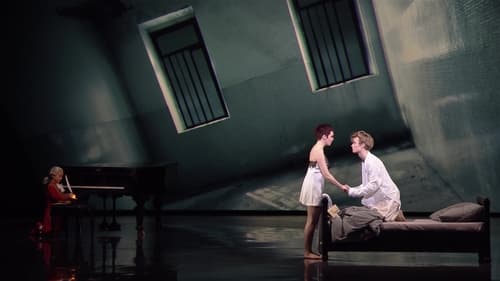
Based on the biography of world-renowned Austrian composer Wolfgang Amadeus Mozart, this hit production by VBW shines a new light on a legend: far from the established cliché, MOZART! presents the brilliant artist as a complex and ambiguous character, haunted by his own genius while struggling with life’s cruel challenges.

In the dead of night, a few hours after Mozart's death, the usual suspects are summoned to Mozart's room by Count Pergen, head of the secret police, who considered Mozart a potential revolutionary. Over the corpse, he interrogates them, trying to discover the true cause and significance of Mozart's demise.
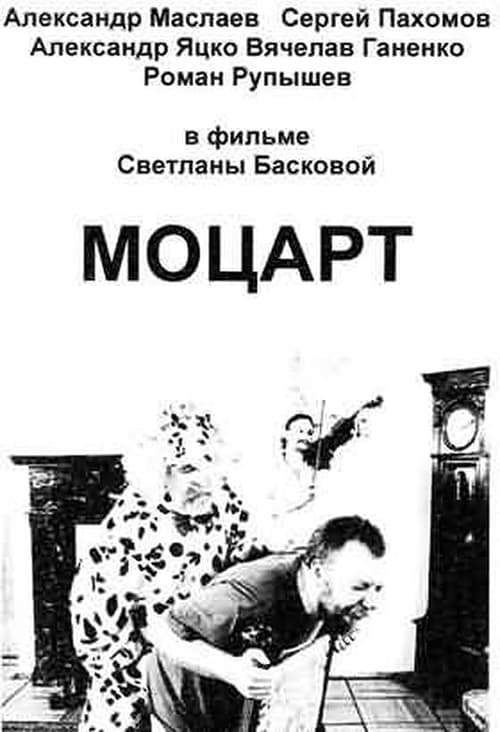
The film is about the complicated and even paradoxical relationships in the world of academic music. The character of Aleksandr Maslaev represents the Maestro, a kind of modern Mozart, wallowing in corruption, plagiarism, and envy. Once a talented composer, he's totally lost his gift and cynically buys new music from young composers, then plays it under his own name. Yet, the Maestro does not close this chain, for everyone pays his debts...
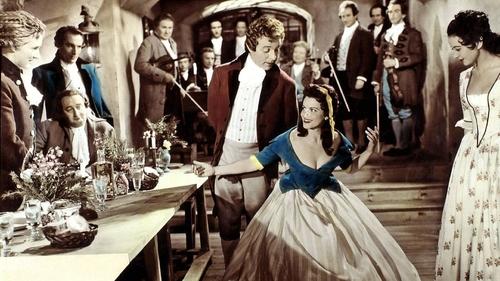
Explores the mental state of Mozart during production of his final opera "Die Zauberflöte".

A 14-year-old junior high school boy who likes astronomy was forced to practice the piano by his single father. Suddenly an alien appeared in the boy's bedroom, which completely changed the lives of the boy and his father.

No description available for this movie.
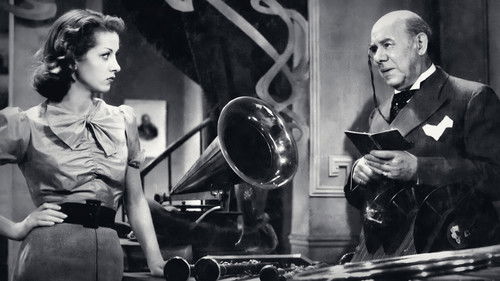
This French musical comedy was based on the stage play Mademoiselle Mozart, written by Yvan Noe, who also directed and produced the screen version. Danielle Darrieux plays Denise, the owner of a music shop that is facing closure. Wealthy young Maxime (Pierre Mingand) falls in love with Denise but knows full well that she despises rich folks and would refuse to accept his charity. Thus, Maxime arranges to secretly buy the store then takes a job with the establishment as a humble sheet-music salesman. When Denise finds out that her new employee is actually her boss, she is furious, but rest assured that Love Will Find a Way. The lovely Danielle Darrieux is permitted to sing on several occasions, which she does enthusiastically if not altogether expertly.

A young gifted actor rehearses on his own when interrupted by the theater director and bizarrely mistreated. What will he make of it?
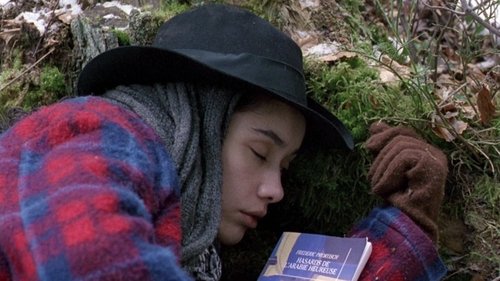
Episodic film that follows a theater troupe from France attempting to put on a play in Sarajevo. Along their journey they are captured and held in a POW camp, and they call for help from their friends and relations in France.

No description available for this movie.
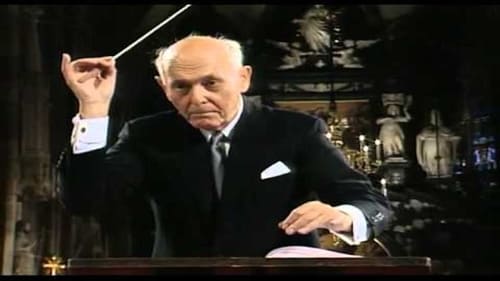
You will find this Requiem the finest on video. It certainly outshines Bohm's dated approach, and Bernstein's lethargically slow performance. (No disrespect to them, I enjoy them but this is better :) It also gives us a superb opportunity to view Solti at work, and I wonder why don't have more of his performances on video. One may also enjoy seeing (and hearing) Rene Pape at only 27 years old, likewise Cecilia Bartoli in her young prime.
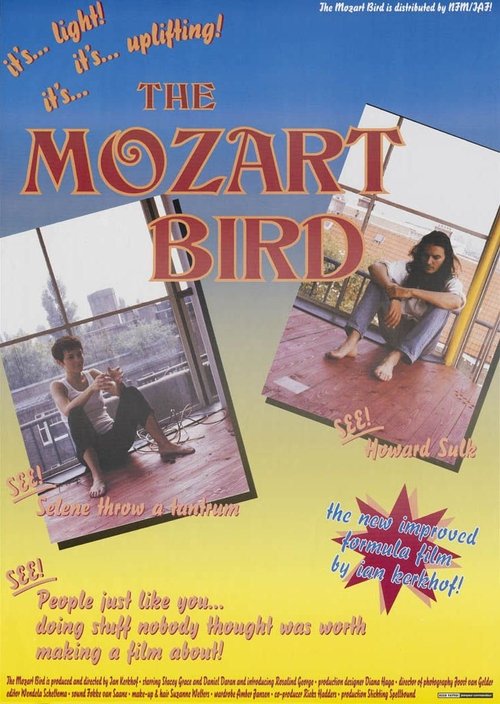
Howard and Selene are two English-speaking foreigners living in Amsterdam who begin a casual affair that turns serious and then starts to deteriorate. It is the second part in Aryan Kaganof's Urban Wasteland Serial.

Seeking fame and artistic freedom, Wolfgang leaves Salzburg with his mother. Yet unlike his childhood days, he is no longer celebrated everywhere he goes. Eventually, he exhausts his funds, and tragedy strikes when his mother dies during their travels. Heartbroken, Wolfgang returns home, where Baroness von Waldstätten, who has long recognized his genius, offers her support. Strengthened by her encouragement, Wolfgang resolves to move to Vienna to pursue his music career.

Lionel Andres Messi
A film about the mysterious circumstances of the life and mystery of the death of Wolfgang Amadeus Mozart. He became truly the first great European. First in everything. A genius in art, in love, he easily revealed other people's secrets. But he took his main secret, the formula of happiness and immortality, forever with him.

Seeking fame and artistic freedom, Wolfgang leaves Salzburg with his mother. Yet unlike his childhood days, he is no longer celebrated everywhere he goes. Eventually, he exhausts his funds, and tragedy strikes when his mother dies during their travels. Heartbroken, Wolfgang returns home, where Baroness von Waldstätten, who has long recognized his genius, offers her support. Strengthened by her encouragement, Wolfgang resolves to move to Vienna to pursue his music career.
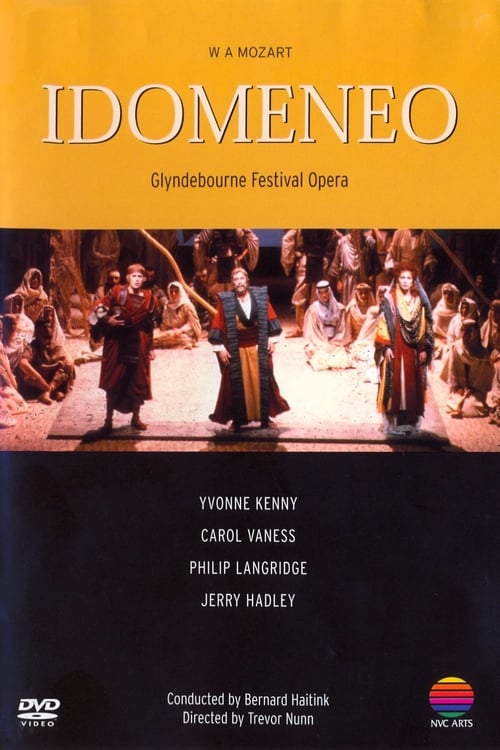
Recorded live at The Glyndebourne Festival Opera. Idomeneo, King of Crete, has been away from home during the long years of the Trojan War. Idamante, his son and now regent of the island, waits for his return, heralded by the arrival in Crete of Trojan prisoners. One of these prisoners is Ilia, daugher of the murdered King Priam of Troy. Idamante has fallen in love with Ilia, but is loved by Electra, daughter of the Greek King Agamemmnon, who has taken refuge in Crete. This production marked the operatic debut of Trevor Nunn. It has been much-acclaimed for its dramatic effect, blending Minoan Crete with the ritualistic delicacy of Japanese theatre. This dynamic stylisation is appropriately reclected in John Napier's considered and elegant designs. Bernhard Haitink conducts the London Philharmonic in a forceful account of the music.

This is a comedy about people who work in the theater, live for the theater, think of nothing but the theater. The director seems crazy, the art director has idiotic ideas, and the acting coach is eccentric: they even look like brothers, related by their common obsession for the theater, linked as one with the actors. The new project is Mozart's Don Giovanni, in which the director insists to give it a brand new interpretation and an avant-garde treatment. Now, he has to deal with the violent objection from the actors, the musicians, the singing coach, the stage manager, and even the cafe bar attendants and the cleaners. The situation is further complicated as the director is such a womanizer like Don Juan... and his lovers and kids keep bugging him throughout the rehearsal...

Seeking fame and artistic freedom, Wolfgang leaves Salzburg with his mother. Yet unlike his childhood days, he is no longer celebrated everywhere he goes. Eventually, he exhausts his funds, and tragedy strikes when his mother dies during their travels. Heartbroken, Wolfgang returns home, where Baroness von Waldstätten, who has long recognized his genius, offers her support. Strengthened by her encouragement, Wolfgang resolves to move to Vienna to pursue his music career.
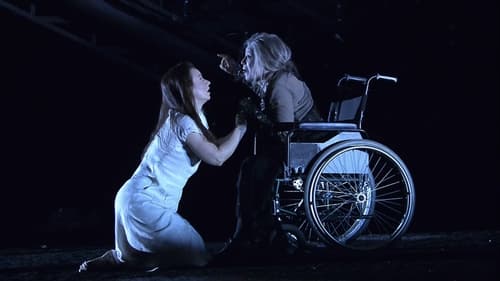
Since it's premiere in a tiny suburban theatre in Vienna, Die Zauberflote has delighted audiences young and old for over 200 years. Mozart's Singspiel seamlessly alternates seriousness and jollity, and combines philosophical ideas with a fairytale world of wondrous animals and magical musical instruments. Emanuel Schikaneder's original production was theatrically inventive, and this new interpretation from director Simon McBurney emulates that in fresh and current terms. Fusing music, technology and stagecraft, this exciting production gives Die Zauberflote a refreshing new treatment that is both thrilling and simple in it's approach. Following an overwhelming success on stage, McBurney's unique production received five-star reviews in the Dutch press: 'a feast for the eyes and the ears' (Het Parool) and 'Delicious!' (Trouw).
Disciplined Italian composer Antonio Salieri becomes consumed by jealousy and resentment towards the hedonistic and remarkably talented young Salzburger composer Wolfgang Amadeus Mozart.

A seventeen year old travels from London to the Austrian Alps to attend the legendary Mozart boarding school. There, he discovers a centuries-old forgotten passageway into the fantastic world of Mozart's "The Magic Flute".
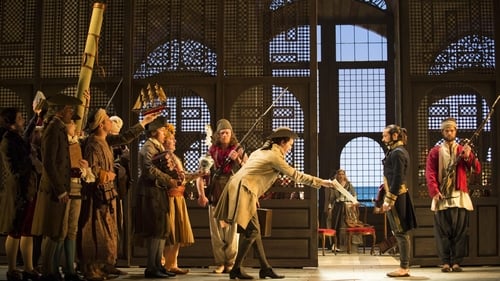
In the 18th century, in the palace of Pasha Selim, in a purely imaginary Turkey. Belmonte, a young Spanish nobleman, is searching for his fiancée, Constance, who has been captured by pirates and sold to Pasha Selim. Blonde, Constance’s English maid, and her lover Pedrillo, Belmonte’s servant, have suffered the same fate and are at the mercy of the cruel Osmin, the seraglio’s guardian. Belmonte and Pedrillo devise a plan to rescue Constance, who is determined to die rather than succumb to the advances of Pasha Selim, who is eager to win the heart of his beautiful captive. ‘The Abduction from the Seraglio’ (‘Die Entführung aus dem Serail’ K.384) is a three-act singspiel by Wolfgang Amadeus Mozart, with a German libretto by Gottlieb Stephanie, based on the play by Christoph Friedrich Bretzner. It premiered at the Burgtheater in Vienna on 16 July 1782, conducted by the composer. Recorded live at Glyndebourne Festival, July 19, 2015.
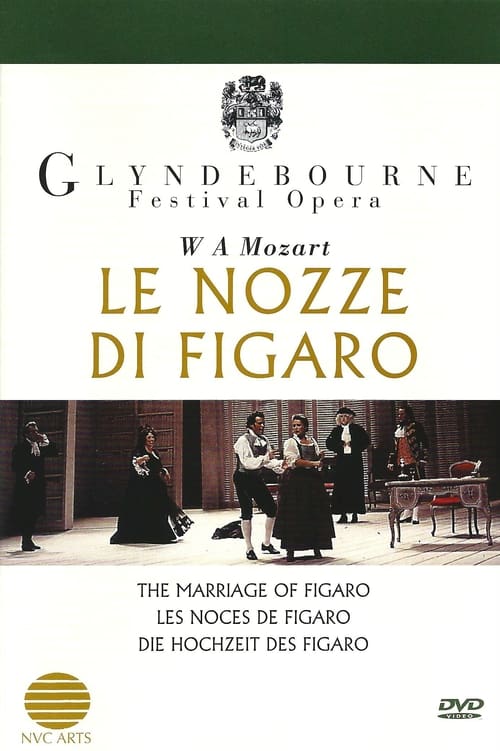
The Marriage of Figaro is a continuation of the plot of The Barber of Seville several years later, and recounts a single "day of madness" in the palace of the Count Almaviva near Seville, Spain. Rosina is now the Countess; Dr. Bartolo is seeking revenge against Figaro for thwarting his plans to marry Rosina himself; and Count Almaviva has degenerated from the romantic youth of Barber into a scheming, bullying, skirt-chasing baritone. This follows the Count trying to obtain favours from Susanna, Figaro's bride to be, under the nose of the Countess.
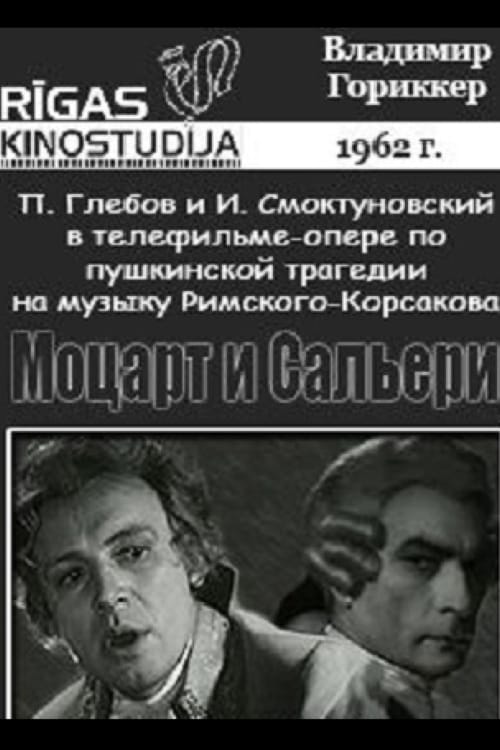
Film version of the Rimsky Korsakov opera from the Pushkin story. Motsart i Salyeri (Mozart and Salieri), based on a legend that Salieri poisoned Mozart, meditates on the nature of creativity while introducing, in brilliantly compressed speeches, what was to be one of the important Russian themes—metaphysical rebellion against God.
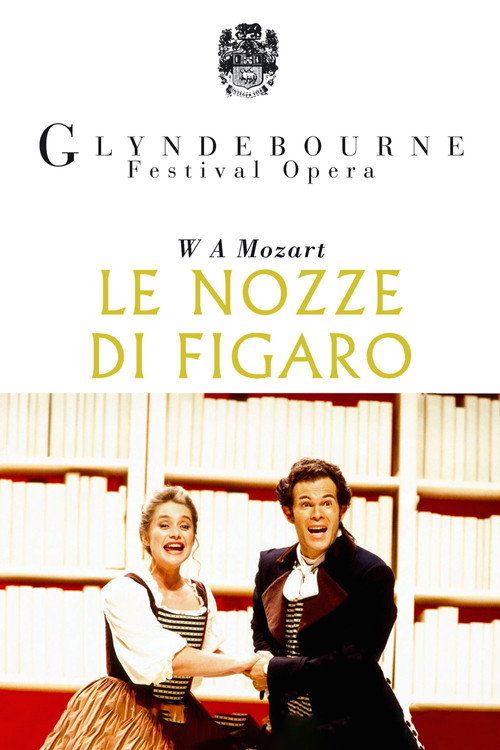
Live from Glyndebourne 1994. The first production to be filmed Live in Glyndebourne´s new opera house May 1994. The Marriage of Figaro is a continuation of the plot of The Barber of Seville several years later, and recounts a single “day of madness” in the palace of the Count Almaviva near Seville, Spain. Rosina is now the Countess; Dr. Bartolo is seeking revenge against Figaro for thwarting his plans to marry Rosina himself; and Count Almaviva has degenerated from the romantic youth of Barber into a scheming, bullying, skirt-chasing baritone. This follows the Count trying to obtain favours from Susanna, Figaro’s bride to be, under the nose of the Countess.
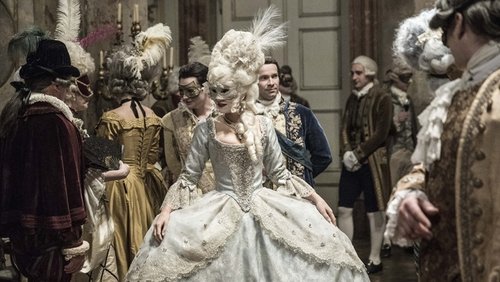
The incredible tale of Mozart's Prague years.
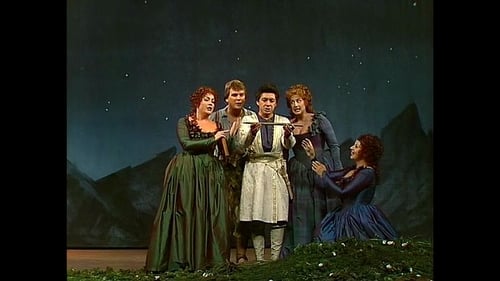
The Queen of the Night enlists a handsome prince named Tamino to rescue her beautiful kidnapped daughter, Princess Pamina. Aided by the lovelorn bird hunter Papageno and a magical flute that holds the power to change the hearts of men, young Tamino embarks on a quest for true love, leading to the evil Sarastro's temple where Pamina is held captive.
The Queen of the Night enlists a handsome prince named Tamino to rescue her beautiful kidnapped daughter, Princess Pamina, in this screen adaptation of the beloved Mozart opera. Aided by the lovelorn bird hunter Papageno and a magical flute that holds the power to change the hearts of men, young Tamino embarks on a quest for true love, leading to the evil Sarastro's temple where Pamina is held captive.

A highfalutin art movie crumbles into a meta-fictional disaster that betrays its director’s incompetence in real time, and it’s all on film.

Katarina is 20 years old. With a troubled past in a dreary suburb, her life seems to be already set in stone - until she discovers music. Everything changes when she hears a performance of Mozart’s 'Requiem' at the Gothenburg Concert Hall that sends her reeling and opens up a beautiful new world. She feels that she has to change her life and get as far away from her ugly reality as possible. But the path she has to follow proves to be a treacherous one, filled with lies, betrayal and a dangerous liaison with the married conductor Adam. Yet Katarina is ready to do anything to gain her new identity.
Wolfgang Amadeus Mozart's Magic Flute is undoubtedly one of the most multi-layered, profound, complicated, and therefore also most difficult to stage works in the entire opera repertoire. In terms of genre, it can only be understood if it is seen as a mixture of four things: a philosophically profound drama of ideas with countless encryptions, a naïve fairy tale, a bawdy comedy, and a crude Punch and Judy show. It is based on the intersection of the traditions of Baroque magic opera, Italian buffa, and Viennese Singspiel, where all manner of wonders are conceivable and permissible. Peter Ustinov's production appeals to all those who love a primarily fairy-tale-like interpretation; the atmosphere is traditional and conventional. An outstanding ensemble of singers has been assembled.
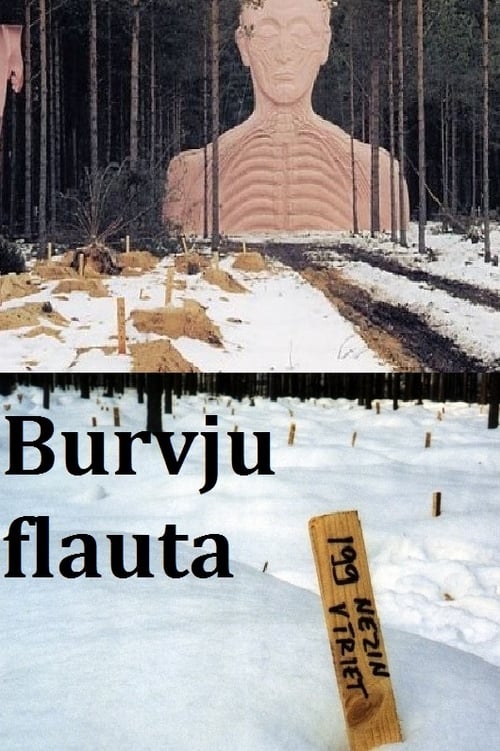
“As death, when we come to consider it closely, is the true goal of our existence, I have formed during the last few years such close relationships with this best and truest friend of mankind that death's image is not only no longer terrifying to me, but is indeed very soothing and consoling” - thus said Mozart about death. Mozart died in 1791 and was buried in a mass grave, as standard at the time in Vienna for a person of his social and financial situation. In 2000, 452 of Riga’s deceased — people without relatives, the homeless and the unidentified — were buried at the Jaunciems cemetery. But this film is not about death: it's about Mozart, The Magic Flute, Riga, and love. A short commissioned for the Latvian exhibition at Venice Biennale.
Wolfgang Amadeus Mozart, a rowdy young prodigy, arrives in Vienna, the music capital of the world – and he’s determined to make a splash. Awestruck by his genius, court composer Antonio Salieri has the power to promote his talent or destroy his name. Seized by obsessive jealousy he begins a war with Mozart, with music, and ultimately, with God.
No description available for this movie.

Eleven-year-old petty criminal Maroa lives with her violent grandmother Brigida in Caracas. After her boyfriend Carlos is involved in a shooting, Maroa is arrested and sent to a school where Joaquin conducts the youth orchestra, and he asks the naturally talented Maroa to join. Days now revolve around the classes that Joaquin, the shy and unconventional teacher, gives her. He is immediately interested in this talented young girl, who lacks all notion of discipline. Joaquin, the only person to offer hope in the midst of her rejection, finds that through Maroa, his world has also changed forever.
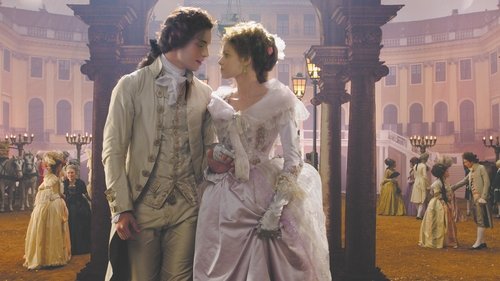
A drama based on the life of 18th century Italian lyricist Lorenzo da Ponte, who collaborated with Mozart on his "Don Giovanni" opera.
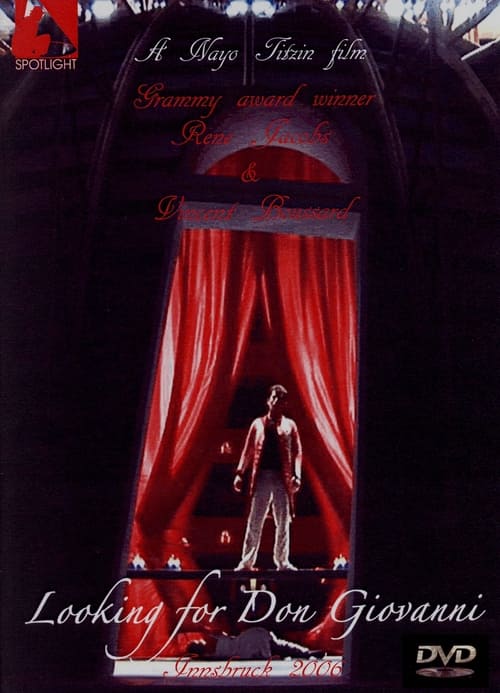
In Baden-Baden, Nayo Titzin follows the producers of the opera Don Giovanni, created for the Innsbruck Festival of 2006. He is looking for a musical truth... What if Mozart's masterwork Don Giovanni had been interpreted in a wrong way for more than two centuries? Conductor René Jacobs, famous for his performance of Così fan tutte and laureate of a Grammy Award for his innovative recording of The Marriage of Figaro, comes back with new ideas on the comprehension of one of the greatest operas of all times. In this relevant documentary, Nayo Titzin clarifies and highlights all the brightness of those melodies and recitatives. Rewarded with many praises in the international press, this production shows the dramaturgical perfection of the "opera of the operas," the absolute of the genre, as Wagner once said. Once more, the Bulgarian director offers a fun and subtle report, and makes sure that everyone will understand this myth.

A statue steps down from the pedestal and sets out in search of her Creator, the cold Queen of the Night. In the urban night, she encounters mysterious figures that disappear like shadows. Freely inspired by characters from Mozart's opera, The Magic Flute.
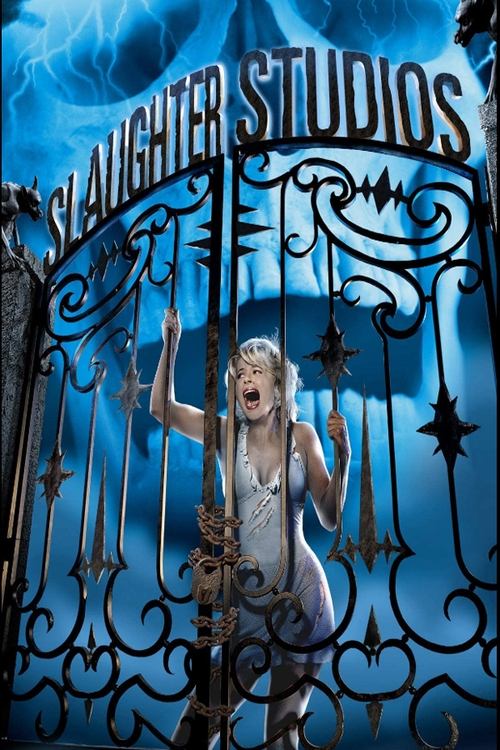
Slaughter Studios has a legendary reputation as the place where a slew of classic low-budget horror movies were made. Long since abandoned and now in ruins, a group of aspiring filmmakers led by director Steve decide to break into Slaughter Studios so they can shoot one last B-grade creature feature on the premises before it meets the wrecking ball. However, things go awry when Slaughter Studios proves to be the stalking grounds of a vicious psycho.

The story of a boy too angry with internal demons who decides to kill himself. On the path of this decision he ends up hitting new surroundings, others exist, which may, perhaps, change his mind.

No description available for this movie.
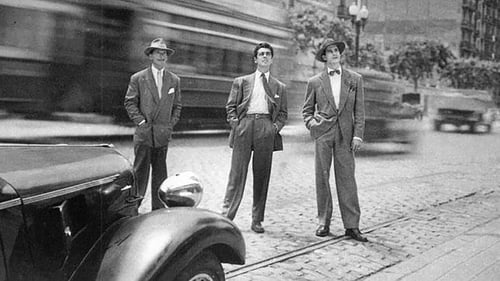
A young policemen witnesses a bank robbery which will become his first case. To catch the thieves he will infiltrate himself as one of the gang members. At first it works, but it won't be so easy afterwards.
No description available for this movie.
On her journey to a provincial capital, Elena falls for the director of the Company of Zarzuela and leaves with him, despite opposition from his father. But the guilt of having abandoned him pursues her constantly to the point to shake their relationship.

A talented songwriter of sambas is forced to face the social injustices of the city around him.
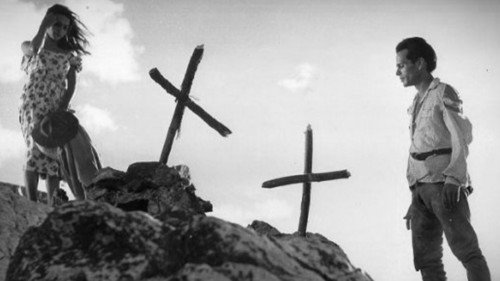
Despite being promised to another man, a young orphaned woman falls in love with man working at the farm she lives in , and together they escape. According tradition in Northeast Brazil, her aunt goes after them, in order to kill them for revenge.
No description available for this movie.

As Israel is rocked by a series of terrorist bombings, a US senator's daughter is killed in one bloody explosion. Now, ex-Mossad agent Etan must lead an elite, covert team of agents and mercenaries to find the man responsible—the elusive “Engineer.” Can they find and destroy the madman before more innocent lives are lost?

1948: an Egyptian filmmaker is creating newsreel stories about a volunteer force tasked to liberate Palestinian farmers. The journey propels him towards a chance encounter with a tenacious young leader of a nearby commune that will set in motion events that will change their lives forever.
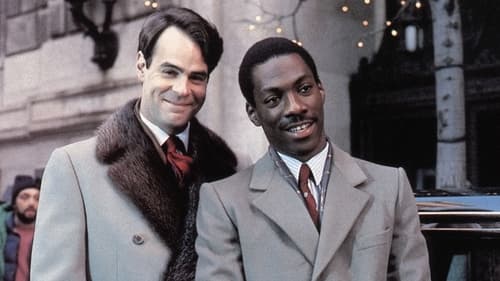
A snobbish investor and a wily street con-artist find their positions reversed as part of a bet by two callous millionaires.
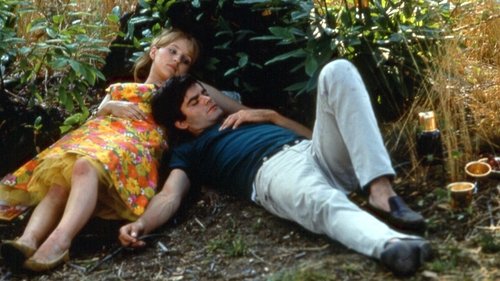
Though married to the good-natured, beautiful Thérèse, young husband and father François finds himself falling unquestioningly into an affair with an attractive postal worker. One of Agnès Varda's most provocative films, 'Le bonheur' examines, with a deceptively cheery palette and the spirited strains of Mozart, the ideas of fidelity and happiness in a modern, self-centered world.
No description available for this movie.
No description available for this movie.
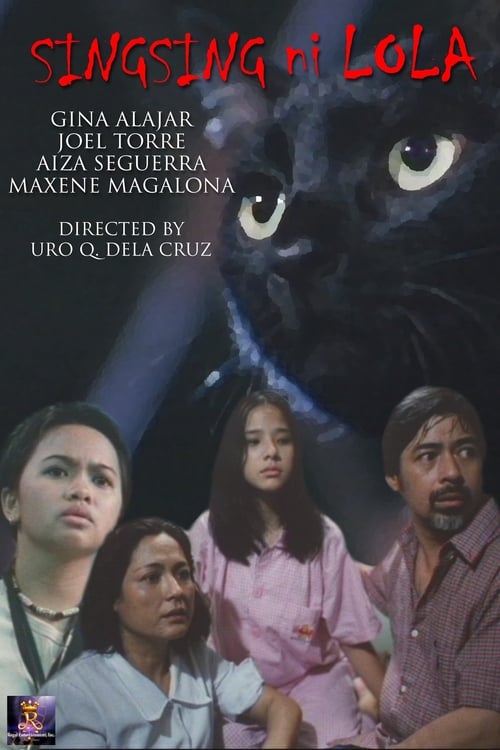
The curse was cast by Dona Guada on the family of GLORIA ROMERO -- any female born to the family will die on the day they turned 18. Gloria Romero as lola possessed a magical ring that is being guarded by a mysterious and furious cat. However, the ring was misplaced and Gina Alajar, as the sacrificing mother, will do everything to save her daughter, Maxene Magalona, from a mysterious and thrilling ailment. The quest for the ring and the feline that guards it creates a mysterious and thrilling theme throughout the movie. The cast is also joined by Allan K as the naive security guard who is later on possessed by thje feline and Aiza Seguerra as the media person who unravels the mystery behind lola's ring, and the cat that oversees the jewel.
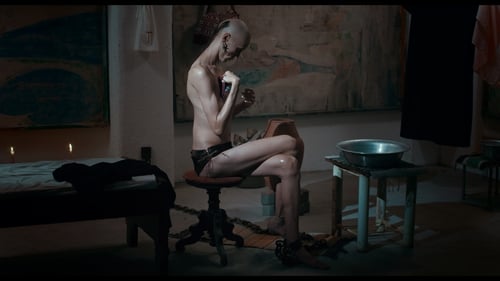
A priest captures and arrests a vampire. He visits him for a regime of scientific experiments and strangeness. Over time the encounters become a hallucinated erotic and supernatural relationship.

A trans-cyborg searches for survival far-removed from the corporations’s biotechnopolitical control.

This film displays the cinema as refuge for homo-affective relationships mediated by the encounter, the look, the touch and the sex. A mosaic composed of drives of desire and odes to the male body.
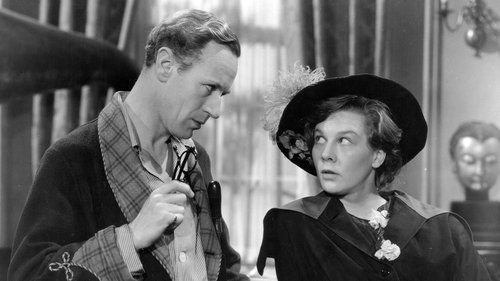
When linguistics professor Henry Higgins boasts that he can pass off Cockney flower girl Eliza Doolittle as a princess with only six months' training, Colonel George Pickering takes him up on the bet. Eliza moves into Higgins's home and begins her rigorous training after the professor comes to a financial agreement with her dustman father, Alfred. But the plucky young woman is not the only one undergoing a transformation.

During a horrific storm at sea, the crew realizes that there is a murderer among them who is killing them off one by one.
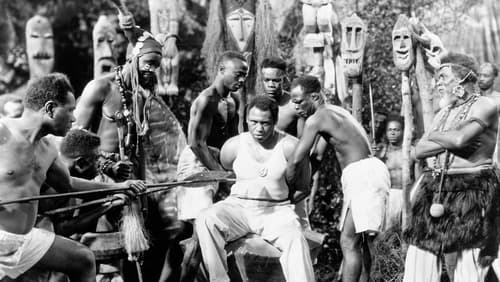
John Zinga, a descendent of slaves, has an ancient medallion around his neck and a fragment of song passed down generations. He is an English dockworker with a magnificent voice and a yearning to learn his roots.

The film shows the creative process of a land art artist Jean Paul Ganem through his path over the last 20 years. The documentary touches everbody by its transformative power of the art and by revealing recreated landscape in agricutural fields in France and Canada, in the suburbs of Paris and Montreal, and now, also in the heart of São Paulo.
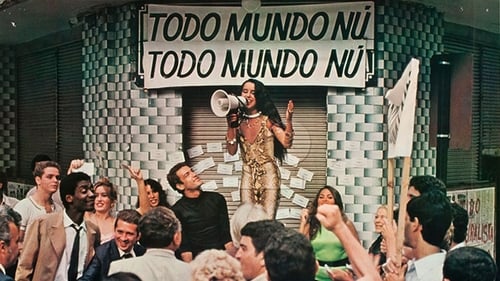
Biography of a Brazilian dancer who lived on an island and practiced nudism when it was forbidden by law.
Live at Zillo Festival, Freilichtbühne Loreley, St Goarshausen, Germany, 16.Jul.2004 (3 tracks) // Promo Video (1 track) // Interview with Mozart, Lutz & Nanne (1 track) -
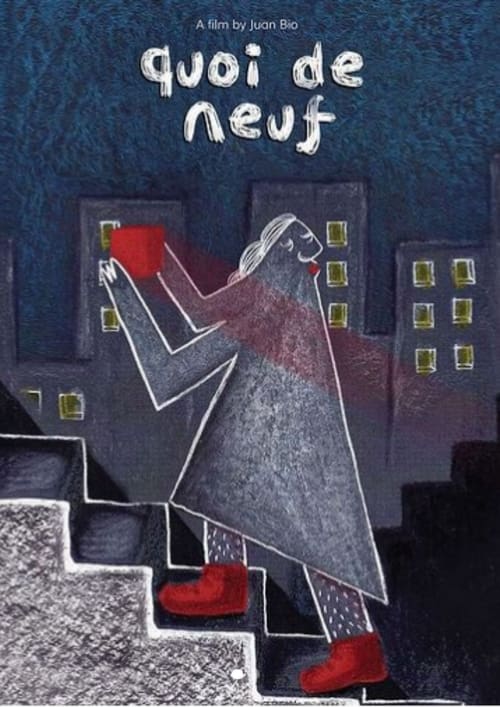
A girl is trying to escape her “home”. In her case, it’s tranquility.
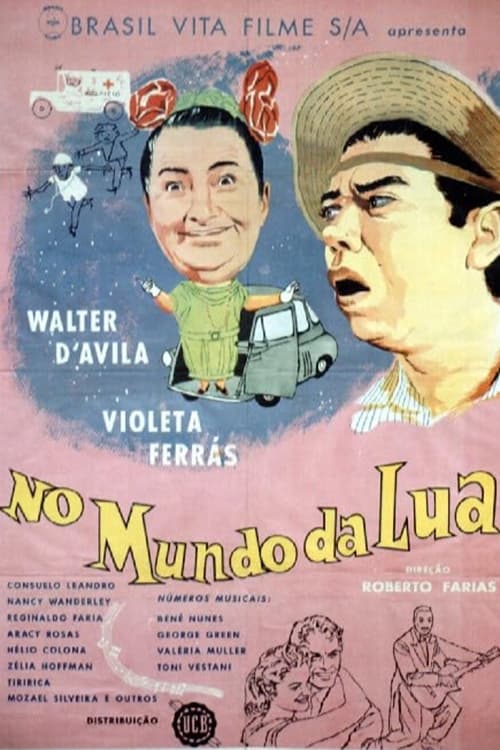
For a long time a couple exchanged love letters, he living in the Northeast and she in Rio de Janeiro. One day he goes to the wonderful city together with a colleague, but he soon faces a problem: since he has sent the girl a photo of someone else, he is afraid to approach and reveal who he really is. At the same time, the colleague has a falling out with a girl who defends rock 'n' roll tooth and nail.
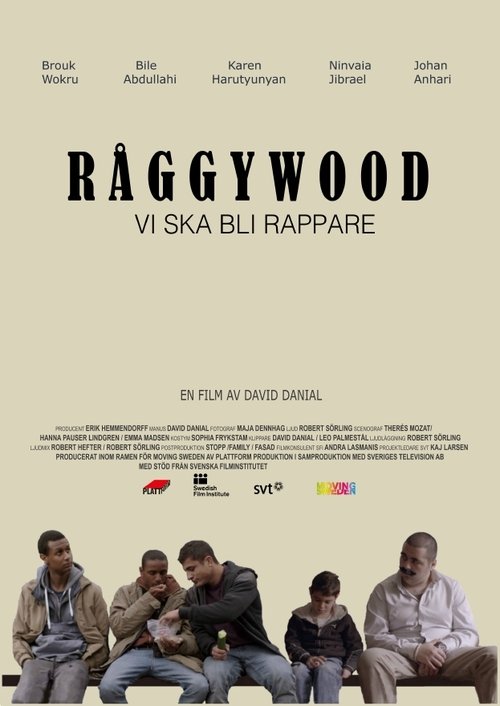
The homeless brothers Brouk and Bile finds a place to stay with the mean dad Johan. Now they have to find jobs to pay the rent in one week. The easiest way seems to become rappers.

During a law firm's party, a black man and a white woman are arrested accused of murder.