
Action
Adventure
Animation
Comedy
Crime
Documentary
Drama
Family
Fantasy
History
Horror
Music
Mystery
Romance
Science Fiction
Thriller
War
Western
Found 21 movies, 1 TV show, and 0 people
Can't find what you're looking for?

Travel to Kyrgyzstan with Steve Backshall as he searches for snow leopards, one of the world's most endangered species. If evidence of snow leopards breeding in the Djangart Valley is found, Steve and his team hope to turn it into a protected nature reserve.
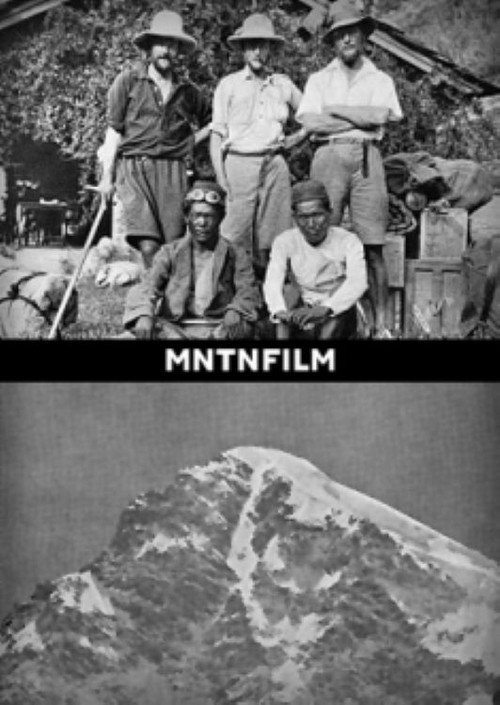
Following in the footsteps of Captain John Noel and his immensely popular documentaries taken on the Mount Everest expeditions of the 1920s ("Climbing Mount Everest"/"The Epic of Everest"), Frank Smythe hoped to help finance his 1931 attempt on Kamet, another Himalayan peak, by bringing back film footage of a successful ascent including summit shots which were at that time the highest ever taken in the world.
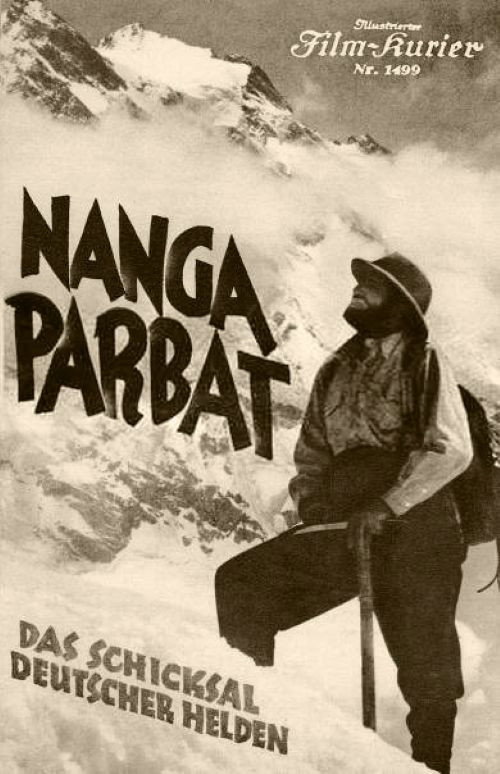
Record of the 1934 German expedition to Nanga Parbat, led by Willy Merkl and with the full backing of the new Nazi government. Peter Aschenbrenner and Erwin Schneider reached an estimated height of 7,895m on July 6, but were forced to return because of worsening weather. On July 7 they and 14 others were trapped by a ferocious storm at 7,480m. During the desperate retreat that followed, three famous German mountaineers, Uli Wieland, Willo Welzenbach and Merkl himself, and six Sherpas died of exhaustion, exposure and altitude sickness, and several more suffered severe frostbite.
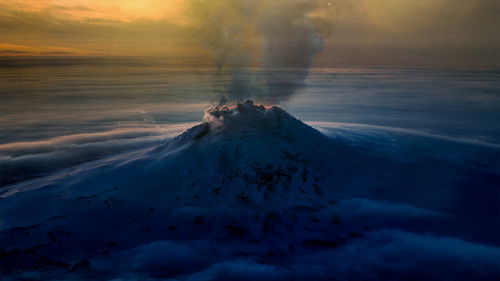
In 2001, satellite imagery captured a mysterious “thermal anomaly” on an unexplored volcano at the ends of the Earth. What lies inside could provide new clues to help predict volcanic eruptions around the globe. But the island is so remote with conditions that are so extreme. No one has ever been able to reach the top to investigate what lies inside.. until now.
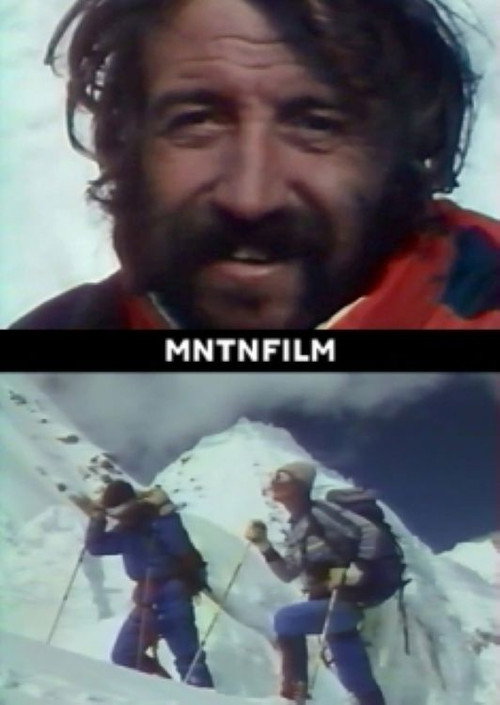
"In 1983, a French expedition, led by Yannick Seigneur and including Jean Afanassieff, left for Tibet to climb the western ridge of Everest on the Chinese side in alpine style. Jean Afanassieff films the Tibetan population between tradition, religion and modernity and tells us about this expedition."
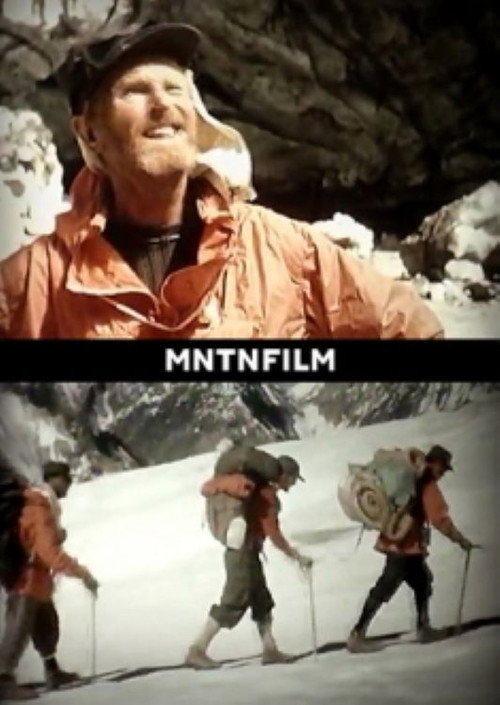
"The 1961 RAF Karakoram Expedition was, like the 1955 RAF Expedition to Lahul, an exploratory expedition to an unknown region. The RAF team in 1961 did not do everything they intended. They did not climb K6, but at least contributed to human knowledge on this peak. With two 22,000 feet and two 20,000 feet summits attained, a glacier system opened up, and a good map, they have no reason to be disappointed with their results. The expedition consisted of twelve British climbers of whom eleven came from the RAF, and one guest climber."
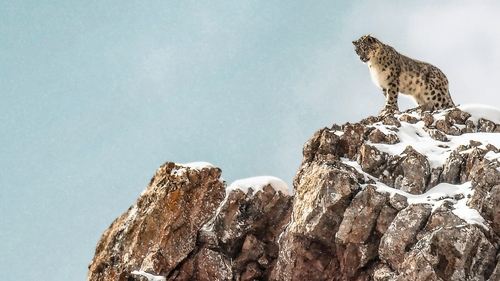
High up on the Tibetan plateau. Amongst unexplored and inaccessible valleys lies one of the last sanctuaries of the wild world, where rare and undiscovered fauna lives. Vincent Munier, one of the world’s most renowned wildlife photographers takes the adventurer and novelist Sylvain Tesson (In the Forest of Siberia) with him on his latest mission. For several weeks, they’ll explore these valleys searching for unique animals and try to spot the snow leopard, one of the rarest and most difficult big cats to approach.
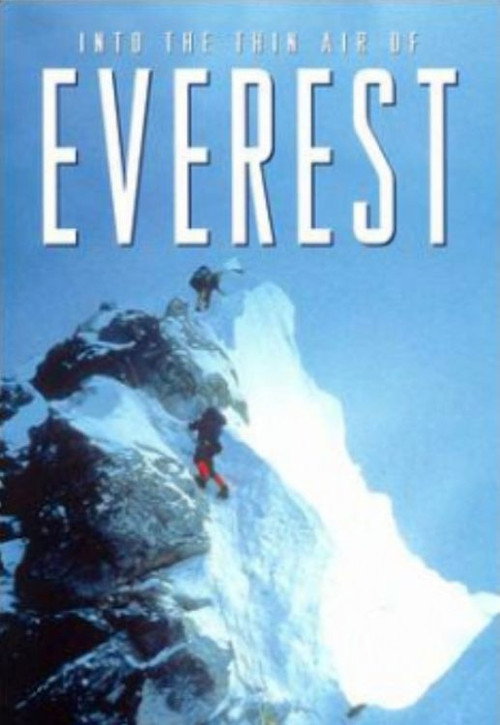
The first episode of the 2 part series 'Everest: Mountain of Dreams, Mountain of Doom', includes the incredible stories of the early climbers, including George Leigh Mallory and Sir Edmund Hillary's legendary summit climb, and much more. From George Mallory to the 1996 tragedy, the series explores the major personalities and expeditions covering an 80-year span. The second episode, titled 'Tempting Fate', explores the triumphant (and tragic) expeditions of the modern era and takes an in-depth view of the terrible events of 1996, the deadliest year in the history of Mount Everest.
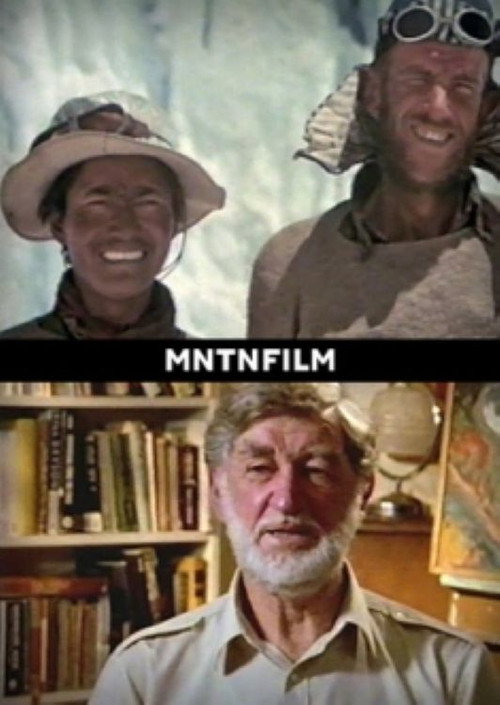
Hillary and Tenzing - Everest and After is a documentary about alpinism that takes place on Everest. It was directed by David Upshal in 1997 and produced by BBC. It is a part of the series Reputations. It features George Band, Peter Hansen, Charles Warren, Mike Westmacott, Raymond Lambert, John Hunt and others.
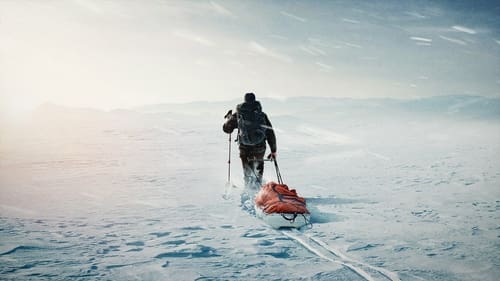
Sir Ranulph Fiennes is credited as being the World’s Greatest Living Explorer. Among his extraordinary achievements, he was the first to circumnavigate the world from pole to pole, crossed the Antarctic on foot, broke countless world records, and discovered a lost city in Arabia. He has travelled to the most dangerous places on Earth, lost half his fingers to frostbite, raised millions of pounds for charity and was nearly cast as James Bond. But who is the man who prefers to be known as just ‘Ran’?
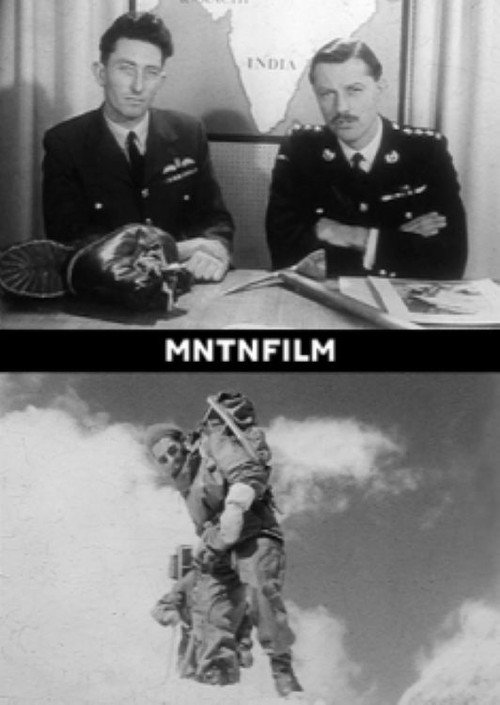
Rakaposhi is one of the most famous mountains of the Karakoram range of Pakistan and is part of the Himalayas. The 25,550 feet mountain had resisted the attempts of six previous expeditions, starting with Lord Conway in 1892. This is the story of the British-Pakistani Forces expedition which conquered Rakaposhi in June, 1958. It was photographed by two of the expedition members. One of them, Captain Banks of the Royal Marines, finally reached the summit, together with Surgeon-Lieutenant Patey of the Royal Navy.

A British expedition's successful attempt to climb the Trango Tower in the Karakorum Range of the Himalaya's in 1976. The climber Martin Boysen relates the events of the team's first failed attempt to ascend the Tower in 1975. This is followed by footage filmed on the 1976 expedition and the climbers, Martin Boysen, Joe Brown, Mo Anthoine and Malcolm Howells, narrate their experience of the 1976 attempt. The team is seen arriving in the region, hiring porters and trekking over hazardous terrain to reach their base camp. The first attempt to climb the Tower on this occasion is thwarted by bad weather, but the climbers return a few days later to make a successful attempt on the summit.
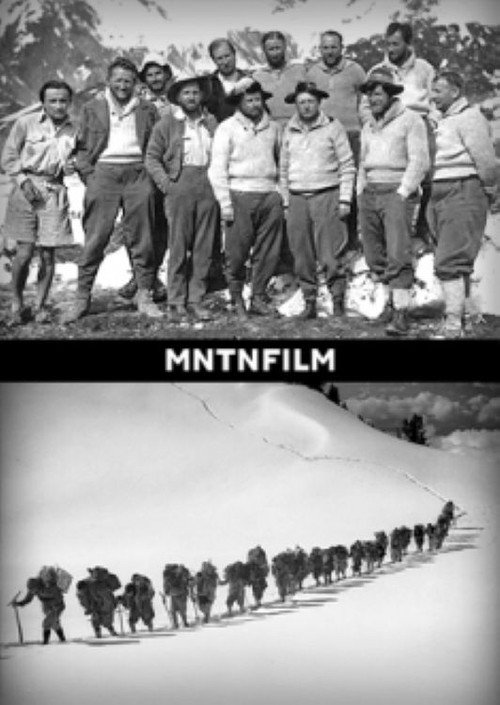
Short version of 'Nanga Parbat' (1936), the record of the 1934 German expedition to Nanga Parbat, led by Willy Merkl and with the full backing of the new Nazi government. Peter Aschenbrenner and Erwin Schneider reached an estimated height of 7,895m on July 6, but were forced to return because of worsening weather. On July 7 they and 14 others were trapped by a ferocious storm at 7,480m. During the desperate retreat that followed, three famous German mountaineers, Uli Wieland, Willo Welzenbach and Merkl himself, and six Sherpas died of exhaustion, exposure and altitude sickness, and several more suffered severe frostbite.
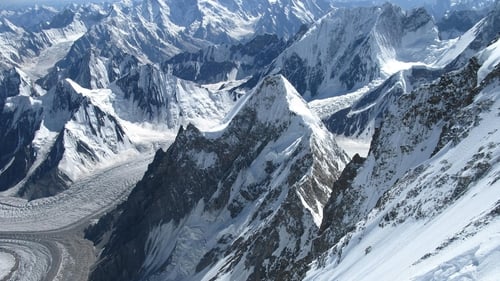
The Summit is a 2012 documentary film about the 2008 K2 disaster directed by Nick Ryan. It combines documentary footage with dramatized recreations of the events of the 2008 K2 disaster. On the way to and from the summit, eleven climbers died during a short time span creating one of the worst catastophes in climbing history. Much of the documentary footage was captured by Swedish mountaineer Fredrik Sträng. Sträng was planning to do a Documentary which was aborted due to the fact that he did not reach the summit. The footage was still valuable to help solving what really did happen since all the climbers had different stories about what happened.
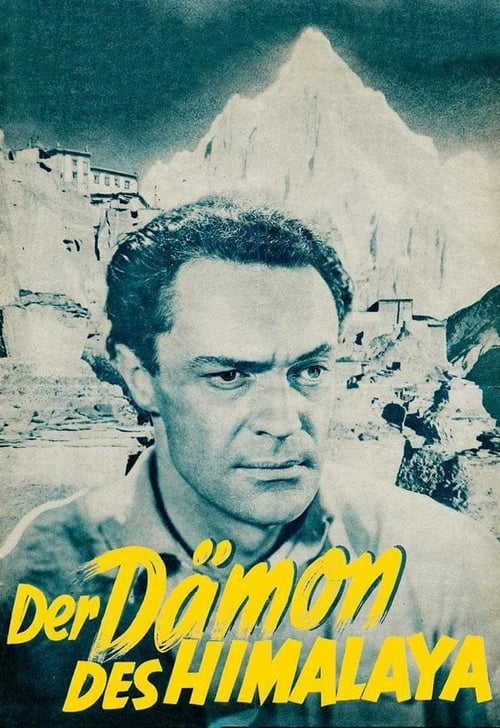
German film about a Himalayan expedition and the search for a mountain spirit, who guarded, according to the tradition of the locals, the peaks of high mountains. The long-lost and recently rediscovered and restored film is now a unique cinematic document because it is the first feature film that was shot directly in the Himalayas (up to 6400 m altitude). Hans Ertl even turned his Bell & Howell to the main summit of Sia Kangri, 7422m. Likewise, the film contains footage from India and Tibet, from a time long before the emergence of mass tourism. Some of the footage was later recycled in ‘Lost horizon’ (1937) by Frank Capra and in ‘Storm over Tibet’ (1952).
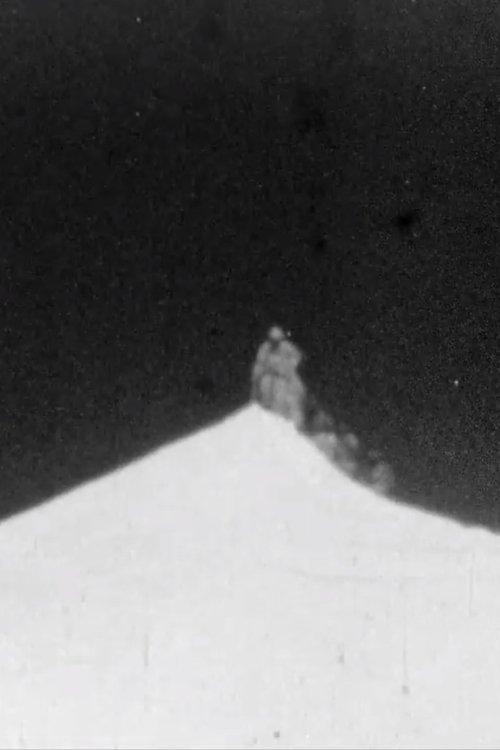
Percy Wyn-Harris' filmic record of the 1933 expedition, led by Hugh Ruttledge. It features comprehensive footage of the 1933 Mount Everest Expedition. Opens on the team’s arrival in India and shows landmarks, then shots of the preparations in Darjeeling. Includes blessing ceremonies by the Buddhist Lama at Darjeeling and the Chief Lama at Rongbuk. Scenes of all six camps being established and the journey back to Darjeeling, when it became clear summiting would be impossible this time.
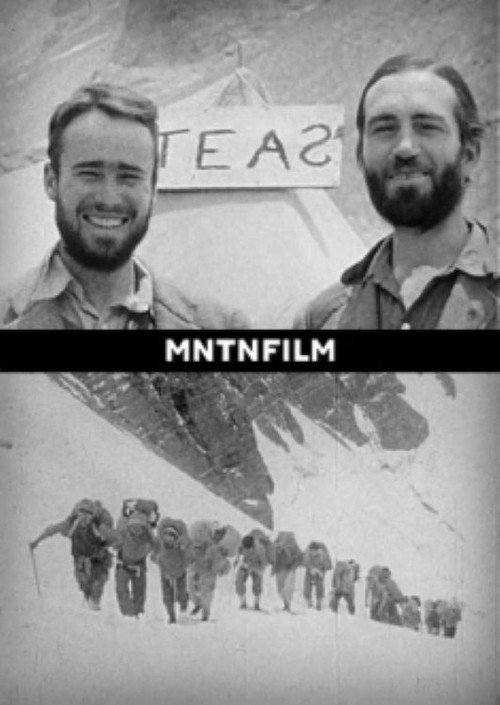
Record of the 1936 British Mount Everest Expedition led by Hugh Ruttledge. Although the North Col was reached, a combination of high winds, storms and waist-deep snow made progress above 7,000m difficult and, with the monsoon arriving early, Ruttledge called off the expedition. Members of the expedition were mountaineers Eric Shipton, Frank Smythe, Percy Wyn-Harris, Edwin Kempson, Dr. Charles Warren, Edmund Wigram, Peter Oliver and James Gavin. The party also included Tenzing Norgay. This was a very well-equipped expedition, which included oxygen and radio equipment.

Record of the international expedition to climb Kangchenjunga in 1930. The German-Austrian-British expedition, led by Günter Oskar Dyhrenfurth, had come from the Nepalese side and tried to reach the North Ridge via its NW face after failing in the north face, where the sherpa Chettan was killed in an avalanche. The attempt failed but the team made the first ascents of Rathong (6678m) and Jongsong Peak (7483m), and also climbed the Southwest peak of Nepal Peak.
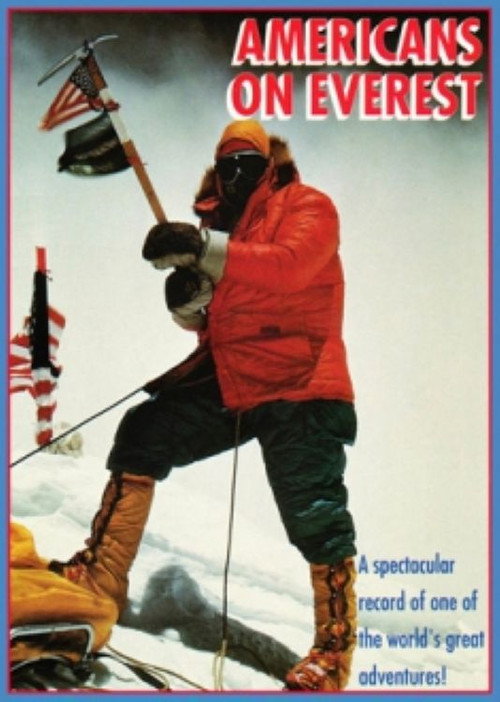
"In 1963, Swiss climber Norman Dyhrenfurth began 'a little war against a big mountain.' Leading 19 Americans, 32 Sherpas, and 909 porters carrying 27 tons of gear, Dyhrenfurth spearheaded the highly successful 1963 American Mount Everest Expedition for his adopted country. Jim Whittaker, accompanied by Nawang Gombu Sherpa made the first ascent by the Hillary-Tensing route. On May 22, Tom Hornbein and Willi Unsoeld made the first ascent by the unclimbed West Ridge. They descended by the South Col, making the first traverse of Everest. Orson Welles narrates the spectacular record, and the film includes the first ever filmed images from the summit."

A record of the second British Everest expedition showing the journey from Darjeeling to Tibet, activities of the Tibetans, and the climb itself. The main aim of the 1922 expedition was to make the first ascent of Mount Everest. There are two attempts in May via the North Ridge. The first by Mallory, Morshead, Norton and Somervell is without oxygen and reaches 26,985ft. The second by Geoffrey Bruce and Finch reaches 27,300ft and sets a new altitude record. Captain Noel toured the world with this film, and wherever he went the picture was received enthusiastically. It was the first film of an Everest expedition, and the earliest documentary filmed in Tibet.
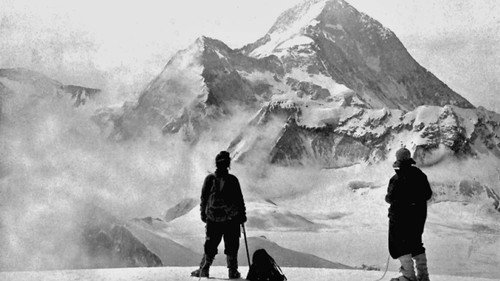
"Filmed by George Lowe and taken on the New Zealand Alpine Club’s 1954 Expedition to the Barun Valley in Nepal. Ed Hillary was the leader of the expedition. It was a large expedition involving a number of New Zealand’s best mountaineers at the time. Roland Ellis did a great deal of organising for this expedition and I think in the end, as a keen amateur film buff, also financed the movie. He edited it and organised Ed to be the commentator."