
Action
Adventure
Animation
Comedy
Crime
Documentary
Drama
Family
Fantasy
History
Horror
Music
Mystery
Romance
Science Fiction
Thriller
War
Western
Found 32 movies, 0 TV shows, and 1 person
Can't find what you're looking for?

A film by Kent Garrett originally a part of Black Journal.
Canadian documentary film depicting the world of contemporary dance. Nominated for Best Feature Length Documentary at the 9th Genie Awards in 1988.
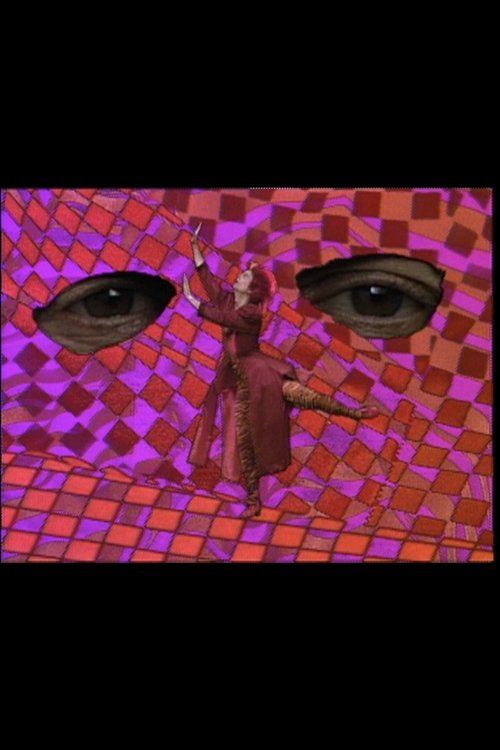
Collaborating with choreographer Douglas Dunn, Atlas uses anthropological text, satirical movement, and vividly colored chroma-keyed backgrounds in an episodic, often humorous look at the evolution of modern dance.
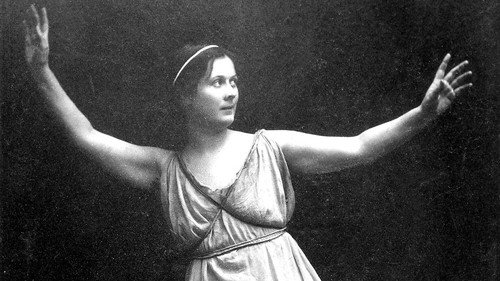
The mavericks whose radical ideas created modern dance in the 20th century.

The pioneering Film, GERMAN LINEAGE IN MODERN DANCE: Solos by Wigman, Hoyer, Holm, Nikolais, Louis celebrates the legacy of modern dance that started in Germany before World War I and expanded into new dimensions in the United States in the late 20th century. The influence of this complex and compelling heritage has spanned decades and spread to diverse areas globally. This intriguing film presents solos by innovators and artistic heirs of German Expressionist Dance, or Ausdruckstanz. Works of each choreographer are highlighted through solos, narration and original photographs. The film features the following choreographies: Mary Wigman’s Witch Dance and Swinging Landscapes (Germany), excerpts from Dore Hoyer’s Affectos Humanos (Germany), Hanya Holm’s Homage to Mahler (Germany > U.S.), Alwin Nikolais’s Tribe, (U.S.), and Murray Louis’s Figura ( U.S.).
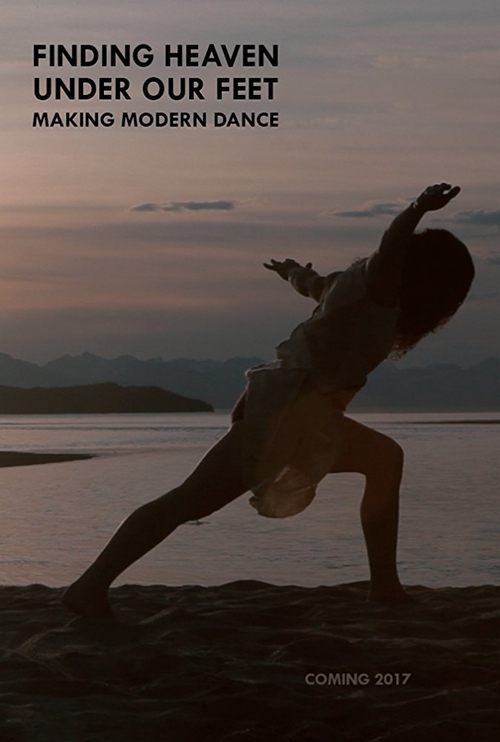
Where do art, politics and subversive acts collide? Finding Heaven Under Our Feet: Making Modern Dance, a feature-length documentary film, is a journey through time. Choreographer and dance historian, Dr. Jody Weber describes the roots of modern dance in the expressive dance movement of 19th century Boston, illustrating the art form's ties to the early 20th century women's rights movement. Seeing herself as an heir to these early innovators, Weber works with her Somerville-based dance company to address the elusive nature of the genre through community engagement, audience education and the ability of artists to use their work to tackle social and cultural issues, such as climate change and our relationship with the planet.
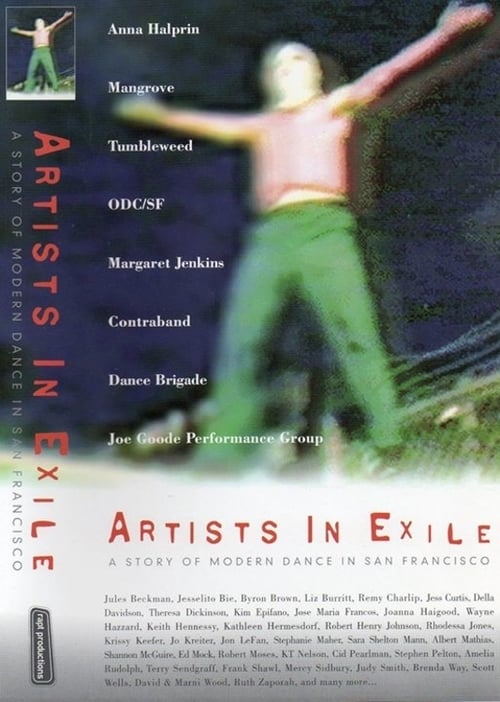
A film that chronicles over forty years of dancemaking in the San Francisco Bay Area. The film begins with dance revolutionary Anna Halprin and highlights seminal Bay Area choreographers including Mangrove, Tumbleweed, ODC/San Francisco, Margaret Jenkins, Dance Brigade, Joe Goode and Contraband. The films addresses the special nature of the Bay Area's social, political and environmental climate; the marginalization of Bay Area artists due to the New York dance establishment and the unique and vital dance community that continues to grow.
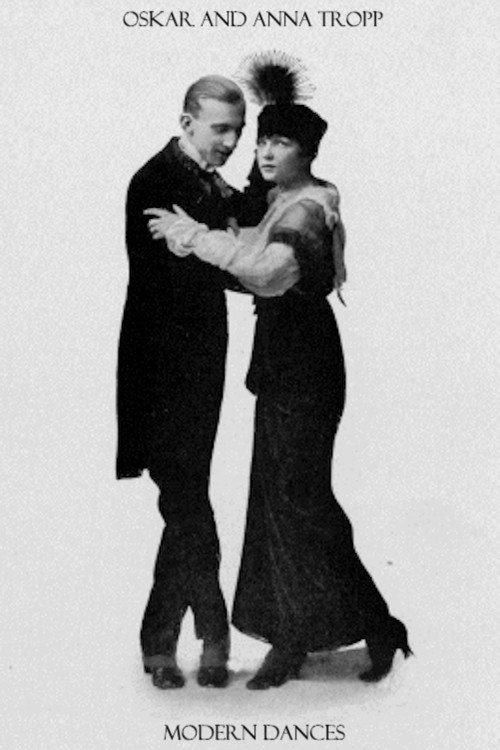
Modern Dances is a 19-minute film that showcases the era's modern social dances like the sailor's jig, the bear waltz, one-step, open step, tango, and foxtrot. Preserved by the Royal Library, this film captures dance culture in Sweden during the early 1900s– a nostalgic glimpse of the nightlife!
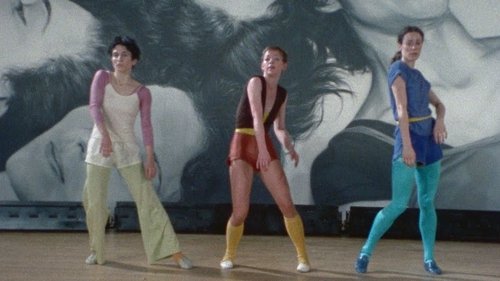
Made in 1980, this film explores the contemporary dance scene through the work of seven New York-based choreographers. They discuss the nature of dance and the evolution of their own work. Filmed at rehearsals, performances, and during interviews, the film is a unique primary source. The artistic roots of these seven artists can be found in Martha Graham's concern with modern life as a subject for dance and in Merce Cunningham's emphasis on the nature of movement. In the 1960s, the interaction of art forms generated choreographic innovations. Especially influential was John Cage, whose radical ideas served as a point of departure for much of the new choreography. Each of the choreographers in Making Dances draws inspiration from the Graham/Cunningham tradition, yet each makes a highly distinctive statement. Structure, movement in non-fictive time and space, and the nature of movement itself are recurring themes.
What are Shadow Dancers DVDs? They are ambient club visuals that lights up screens at events, parties, bars, clubs, casinos and everywhere people gather for good times. They re a Lot of fun!
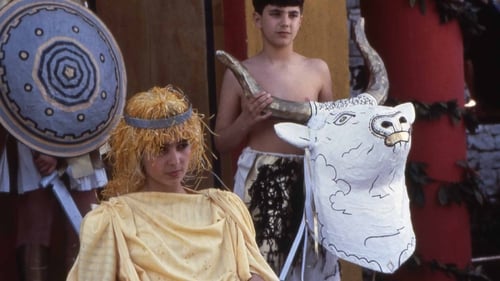
Olympic gymnastics coach Francine Lake and her twelve gorgeous students train on the Island of Crete. The rigors of training preclude most sexual activity with the locals, thus the girls spend their evenings in quiet frustration.
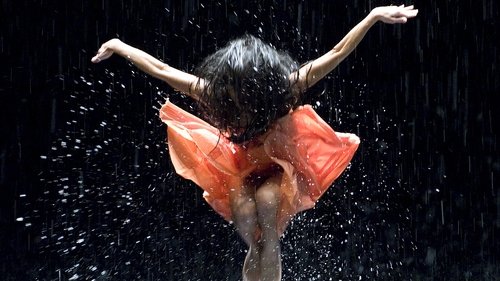
Pina is a feature-length dance film in 3D with the ensemble of the Tanztheater Wuppertal Pina Bausch, featuring the unique and inspiring art of the great German choreographer, who died in the summer of 2009.

When his first stage show fails, songwriter Cole Porter goes off to fight in WWI until, injured, he lands in a hospital. He impresses nurse Linda Lee with his creativity, but their budding romance must wait as Cole heads home. Back in New York, he mounts a series of popular shows, and when his work brings him back to Europe, he eventually marries Linda. But success doesn't spare him from marital complications or bad news about a beloved relative.
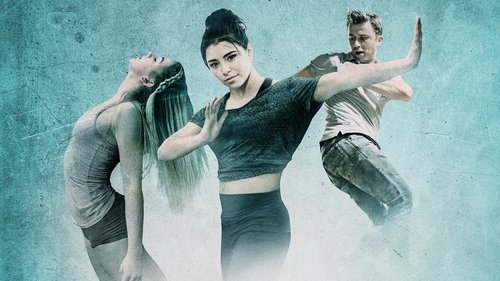
Jonathan Reeves is tasked with infusing more contemporary styles and modernism into the American Ballet Academy, and enlists his top choreographers Charlie, Cooper and Tommy to recruit dancers to compete at a camp where the winners will be selected to join the Academy. Bella Parker, who has always lived in the shadow of her hugely successful sister Kate, finally gets her chance to step into the limelight as one of the dancers recruited for the camp.
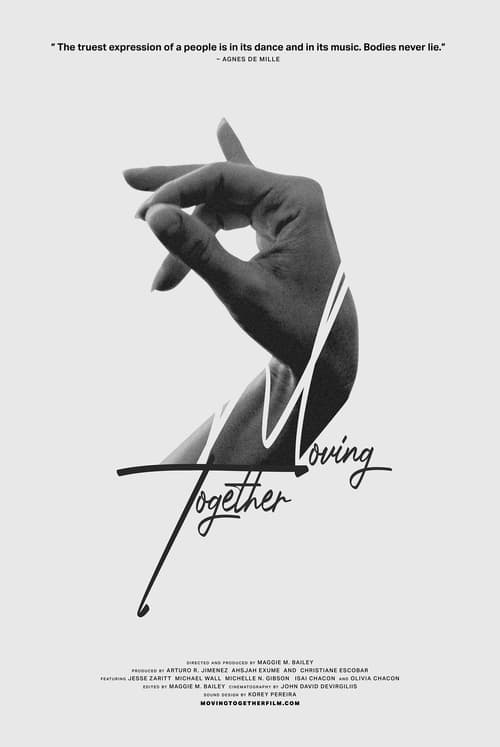
Moving Together is a celebratory love letter to music and dance that brims with kinetic life and energy. This documentary explores the intricate collaboration between dancers and musicians, moving seamlessly between Flamenco, Modern, and New Orleans Second Line.
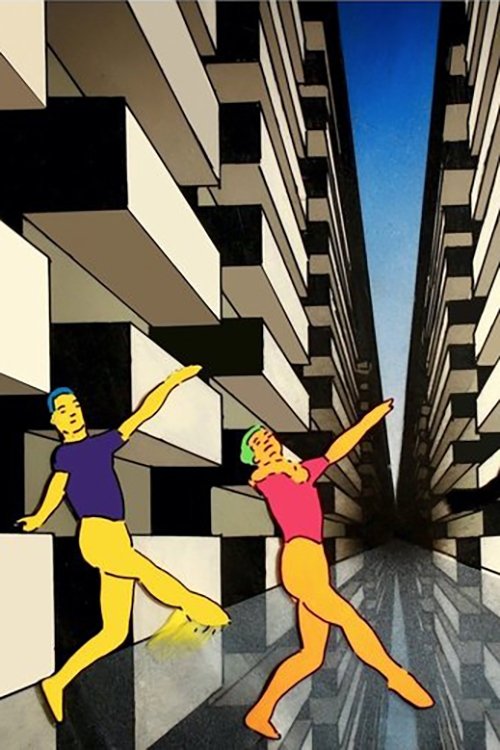
An experimental animation for "One of These Days" by Pink Floyd.
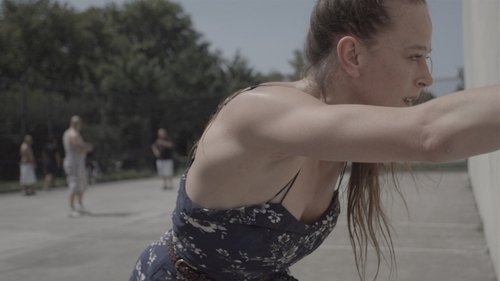
A love story, portraying the dilemmas and inevitable consequences of ambition. It is a film about a woman's fight for independence, a woman trying to succeed with her own art in the extremely competitive world of dance.
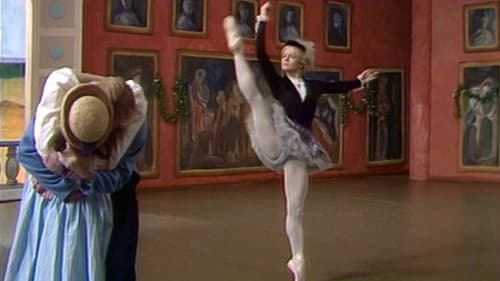
Birgit Cullberg's 1950 dance adaptation of Miss Julie was the breakthrough for modern dance in Sweden. 30 years later one of her sons plays the role of Jean in this adaptation for TV.
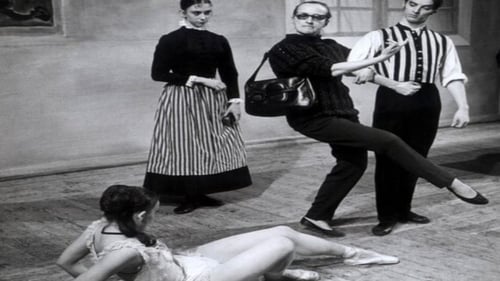
A well-composed psychological dance drama of a completely different kind from the usual romantic and sometimes superficial ballets. And an intrusive interpretation of August Strindberg's play.
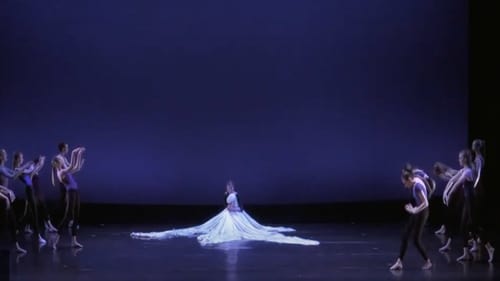
The grandmother figure in the story is an “artistic speaker” who performs in town but seems enigmatic to her own granddaughter. Over the course of the narrative, the granddaughter realizes that, far from succumbing to despair in old age, her grandmother is full of “young laughter that has found its way back to an old body.”
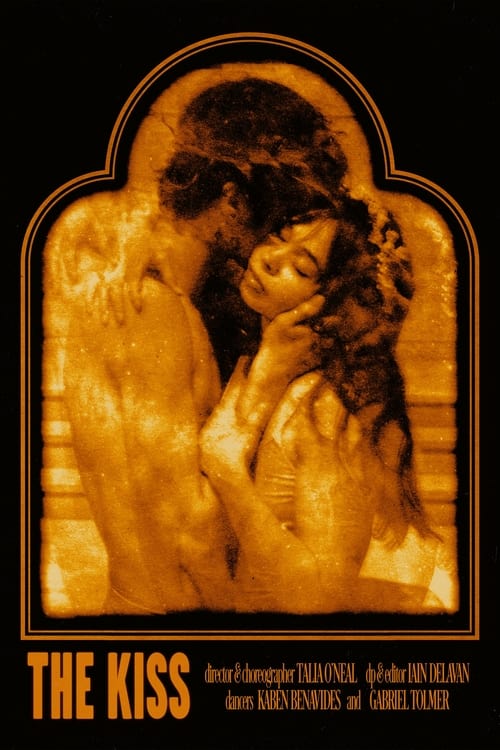
A contemporary dance film by choreographer Talia Miharu inspired by Gustav Klimt's painting, "The Kiss", starring Kaben Benavides and Gabriel Tolmer.
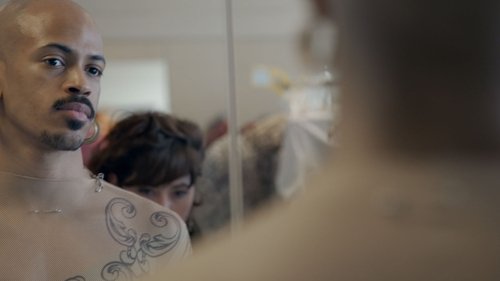
Stéphane Lissner, director of the Paris Opera, entrusts the staging of the opera-ballet Les Indes galantes to the visual artist Clément Cogitore. Based on the experience of his short film Les Indes galantes, the artist updates Jean-Philippe Rameau's baroque masterpiece (1735) by bringing together lyric song and urban dance. The choreography is entrusted to Bintou Dembélé who supervises dancers from krump, popping, voguing or even experimental hip hop. From rehearsals to the Premiere, Philippe Béziat films the meeting of urban dancers with the lyric institution and invites the spectator to share a human and artistic experience.
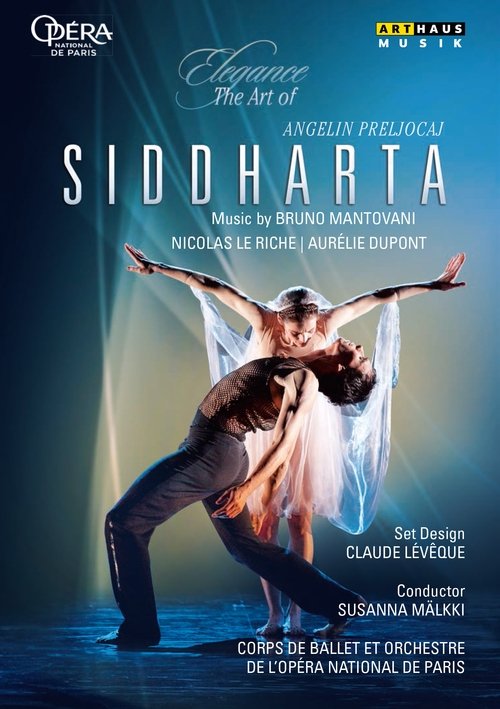
“Siddharta” is a landmark contemporary ballet by Angelin Preljocaj, created for the Paris Opera Ballet and inspired by the spiritual journey of Siddhartha Gautama, the future Buddha. Set to an original score by Bruno Mantovani, this production fuses philosophical narrative with avant-garde choreography and striking visual design by Claude Lévêque. The piece explores themes of desire, suffering, and transcendence, following Siddharta’s path from royal privilege through temptation and enlightenment. The work stands out for its blend of spiritual intensity, physical virtuosity, and the grandeur of Paris Opera’s leading dancers.

The Brothers Karamazov novel is the epitome of Fyodor Dostoevsky’s creative work, the acme of the philosophic investigation carried out by this colossal and restless mind throughout his life. World renowned choreographer Boris Eifman offers a remarkable vision of the core ideas within the novel, expanding upon them though body language as a way of exploring the origins of the moral devastation of the Karamazovs; creating through choreographic art an equivalent of what Dostoyevsky investigated so masterfully in his book, the excruciating burden of destructive passions and evil heredity. This ballet production is also known and performed as Beyond Sin.

A filmed version of Aaron Copland's most famous ballet, with its original star, who also choreographed.

A glimpse into the world and methodology of dancer Martha Graham.
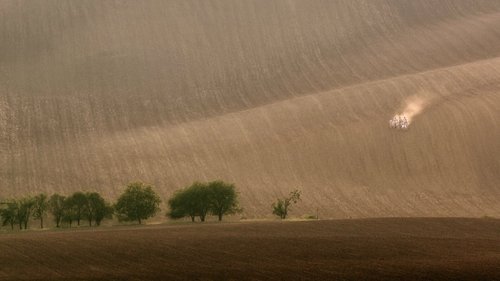
A human flock runs across the landscape of fields. Thirteen performers in a teardrop formation form a single organism, guided by collective intelligence or intuition. It flows across the landscape of geometric patterns over terrain waves, flows around copses, divides, regroupes, and reunites. It stops at the horizon, rests, and runs on. The contrast between lively movement and the immobile geometry of the landscape. A hunter enters this magical moment. He walks across the field, climbs into a hunting blind, and loads his shotgun. The unsuspecting flock continues its light-footed, aimless journey.
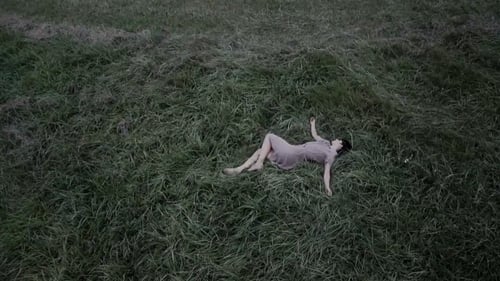
The sequel to "Painted" puts Andrew Wyeth’s ’Christina’s World’ into motion, and explores how bio-electricity galvanizes into discovering muscular intelligence. The light field was setup with 50 lamps, thousands of feet of power cord, and careful visual effects in post.
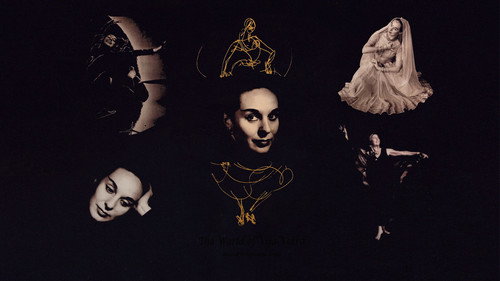
This documentary tells the fascinating story of Vija Vetra, a world-renowned Latvian dancer, choreographer and teacher. At the age of 84, Vetra remains a vital and creative force, and her tale offers inspiration for both artists and lovers of the arts. In a career spanning seven decades, she has mastered diverse styles ranging from ballet to traditional Indian dance, and her talent has won her acclaim as a 'spirit in human form' and 'the bridge between East and West.' Her life is a celebration of the power and beauty of the art of dance, but is also a powerful story of struggle, loneliness and sacrifice. Her creative , positive spirit stands alone against a materialistic world that is constantly changing. Her wise soul, her point of view and criticism towards the modern world push us to think about secret meanings, symbols and the simplicity of life.
Palucca follows the legendary Dresden dancer and dance teacher Gret Palucca (1902–1993) as she introduces her students to dance as an art form. It also features excerpts from her solo performances, with which she significantly influenced the visual language of modern expressive dance starting in the 1920s.
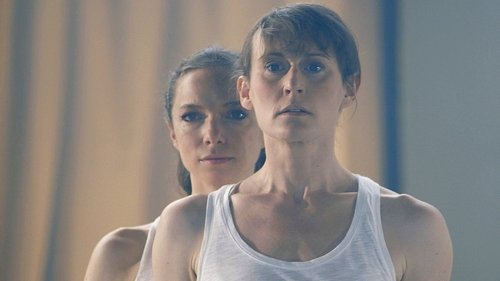
Four of Sweden's most innovative choreographers travel to Ingmar Bergman's home on Fårö to explore and get inspired. The result is a unique contemporary dance film.The renowned Swedish choreographers Alexander Ekman, Pär Isberg, Pontus Lidberg and Joakim Stephenson, with principal dancers Jenny Nilson, Nathalie Nordquist, Oscar Salomonsson and Nadja Sellrup from the Royal Swedish Ballet, interpret Ingmar Bergman through four unique dance performances reflecting on human relations and intense feelings. The dances are linked together with images of the epic natural beauty of Fårö and Bergman's poetic home Hammars, including the voice of the master himself - Ingmar Bergman - revealing his thoughts about movements and music.
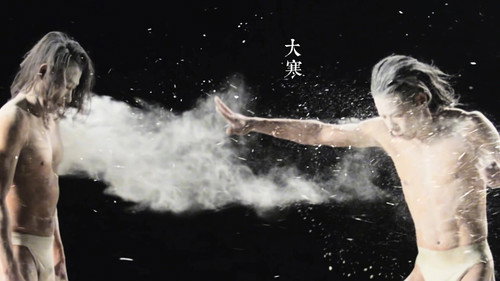
No description available for this movie.