
Action
Adventure
Animation
Comedy
Crime
Documentary
Drama
Family
Fantasy
History
Horror
Music
Mystery
Romance
Science Fiction
Thriller
War
Western
Found 21 movies, 1 TV show, and 0 people
Can't find what you're looking for?

Hong Kong movie

Militainment, Inc. offers a fascinating, disturbing, and timely glimpse into the militarization of American popular culture, examining how U.S. news coverage has come to resemble Hollywood film, video games, and "reality television" in its glamorization of war. Mobilizing an astonishing range of media examples - from news anchors' idolatry of military machinery to the impact of government propaganda on war reporting - the film asks: How has war taken its place in the culture as an entertainment spectacle? And how does presenting war as entertainment affect the ability of citizens to evaluate the necessity and real human costs of military action?

Through conversations with Israeli conscientious objectors, former soldiers, and Palestinians living under occupation, Occupation Has No Future creates a survey of the current atmosphere in Israel and the West Bank.

When the ruthless forces of the Motherworld threaten a quiet farming village on a distant moon, a mysterious outsider becomes its best hope for survival.

Four astronauts returning from man's first mission to Mars enter a time warp and crash on a 26th-century Earth devastated by atomic war. At first unaware where they are, but finding the atmosphere safe to breathe, they start exploring and find themselves in a divided future where disfigured mutants living like cavemen inhabit the surface, while the normals live comfortably below the surface but are dying as a race from lack of natural water, air and sunlight.
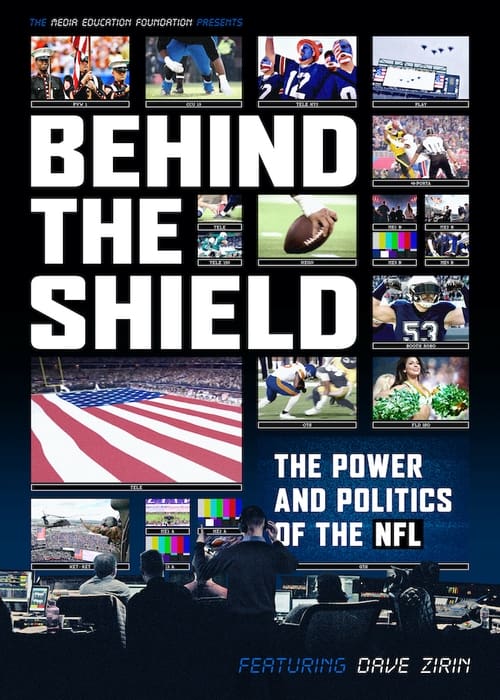
Celebrated author and Nation magazine sports editor Dave Zirin tackles the myth that the NFL was somehow free of politics before Colin Kaepernick and other Black NFL players took a knee.

Many times during his presidency, Lyndon B. Johnson said that ultimate victory in the Vietnam War depended upon the U.S. military winning the "hearts and minds" of the Vietnamese people. Filmmaker Peter Davis uses Johnson's phrase in an ironic context in this anti-war documentary, filmed and released while the Vietnam War was still under way, juxtaposing interviews with military figures like U.S. Army Chief of Staff William C. Westmoreland with shocking scenes of violence and brutality.

In 1919 Fiume, Russian spy Beatrice navigates political turmoil while protecting poet Gabriele D’Annunzio, entangling with an intelligence chief and a WWI deserter amid Italy’s revolutionary unrest.

An anti-western propaganda film about the influences of American visual and consumption culture on the rest of the world, as told from a North Korean perspective.

No description available for this movie.

Malvinas, history of betrayals is an Argentine-Mexican co-production documentary film directed by Jorge Denti from a script by Irene Selzer and Alberto Adellach.
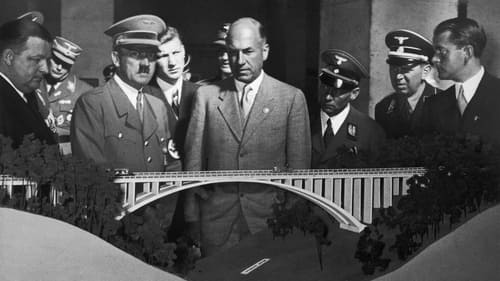
How did Nazi Germany, from limited natural resources, mass unemployment, little money and a damaged industry, manage to unfurl the cataclysm of World War Two and come to occupy a large part of the European continent? Based on recent historical works of and interviews with Adam Tooze, Richard Overy, Frank Bajohr and Marie-Bénédicte Vincent, and drawing on rare archival material.

No description available for this movie.
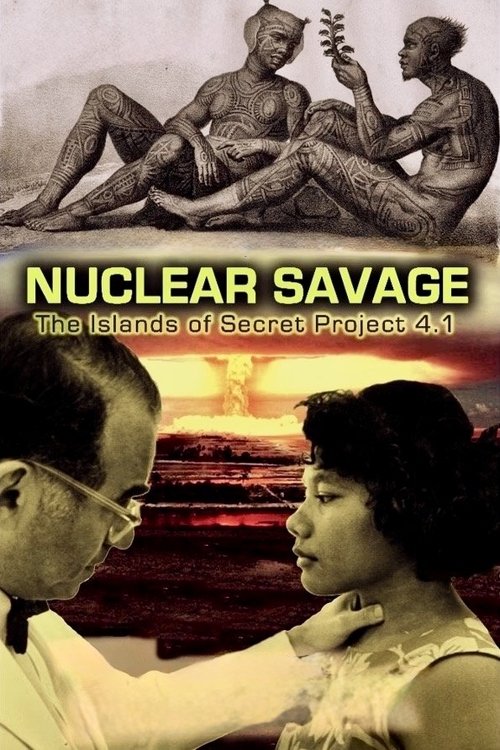
A shocking political exposé, and an intimate ethnographic portrait of Pacific Islanders struggling for survival, dignity, and justice after decades of top-secret human radiation experiments conducted on them by the U.S. government.

Beyond Citizen Kane (1993) is a British documentary film directed by Simon Hartog, produced by John Ellis, and broadcast on Channel 4. It details the dominant position of the Rede Globo media group in the Brazilian society, discussing the group's influence, power, and political connections. Globo's president and founder Roberto Marinho came in for particular criticism, being compared with fictional newspaper tycoon Charles Foster Kane, created by Orson Welles for the 1941 film Citizen Kane. According to the documentary, Marinho's media group engages in the same Kane wholesale manipulation of news to influence the public opinion.
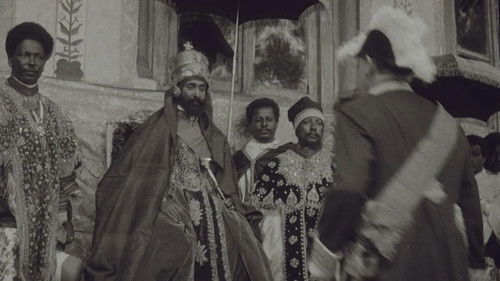
By means of a chronological arrangement of historical video material from the Istituto Luce archives, it tells the story of Fascist Italy's ambitions in Africa and the role they played in shaping fascist ideology and the stance of the fascist regime in the Western world at the height of the age of colonialism and aggressive European expansionism.

Dorival, a man in jail, has only one wish: to take a bath. To achieve his objective, he defies the private, the corporal, the sargeant and, finally, the lieutenant in charge of the prison.
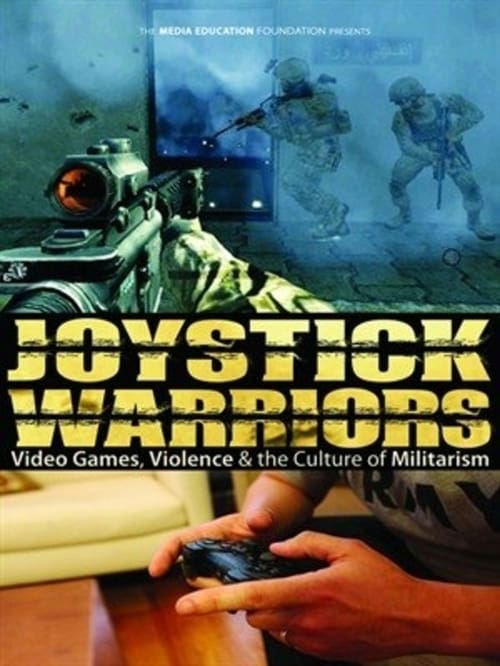
For years, there has been widespread speculation, but very little consensus, about the relationship between violent video games and violence in the real world. Joystick Warriors provides the clearest account yet of the latest research on this issue. Drawing on the insights of media scholars, military analysts, combat veterans, and gamers themselves, the film trains its sights on the wildly popular genre of first-person shooter games, exploring how the immersive experience they offer links up with the larger stories we tell ourselves as a culture about violence, militarism, guns, and manhood. Along the way, it examines the game industry's longstanding working relationship with the US military and the American gun industry, and offers a riveting examination of the games themselves -- showing how they work to sanitize, glamorize, and normalize violence while cultivating dangerously regressive attitudes and ideas about masculinity and militarism.

In a town where blood thirsty militant subject making life simply unbearable, it is difficult to know when you will wake up to a brilliant morning sunshine which promises a day of solemnity. In the wake of the seeming normalcy of a capricious life, a new regime is established in Kimbala town: a superlative regime of Yusuf Mombasa. Thirstier and fiercer than his predecessors, the people of Kimbala are dumb by his ruthlessness. The strongest of men are hit down to noting more than murmur. The influential are coiled in their shells in total stillness and the civilians hide behind hypocritical facet of patriotism. Who will dare stop Mombasa? ( Chris Twum )
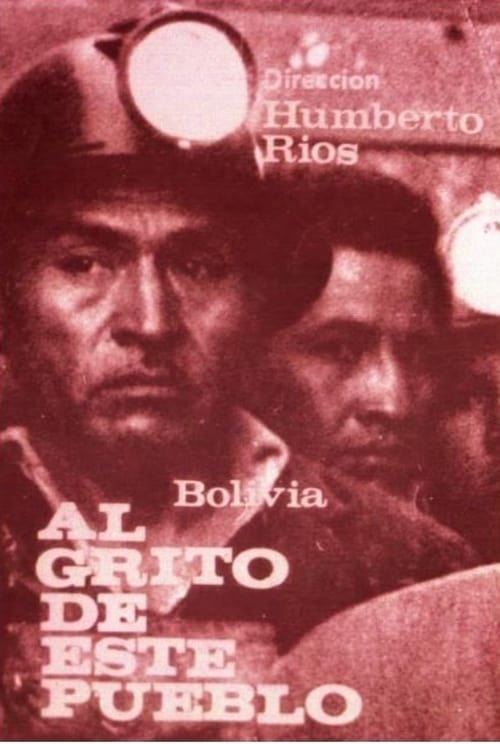
Directed by Bolivian-born filmmaker Humberto Ríos (working from Argentina, where he was based), this 65-minute color documentary chronicles the struggle of Bolivian miners and peasants in the period leading up to the de facto government of dictator Hugo Banzer, who came to power with U.S. backing. The film offers a critical warning about the rise of dictatorships across Latin America, situating Bolivia's social conflict within the broader wave of imperialism and military repression sweeping the region at the time.

No description available for this movie.