
Action
Adventure
Animation
Comedy
Crime
Documentary
Drama
Family
Fantasy
History
Horror
Music
Mystery
Romance
Science Fiction
Thriller
War
Western
Found 5 movies, 0 TV shows, and 0 people
Can't find what you're looking for?

In the film, we see subjects instructed to administer electric shocks of increasing severity to another person, and observe both obedient and defiant reactions. After the experiment, we witness subjects explain firsthand their actions. Obedience is as relevant today as it was at its publication. As we as a society witness suicide bombings, torture, and gang atrocities, we wonder just how far people will go. Fifty years later, this experiment still resonates as people ask themselves, “Would I pull that lethal switch?” This is the only authentic film footage of Milgram’s famous experiment and is essential to all foundational work in social psychology at the graduate, undergraduate, and high school level.
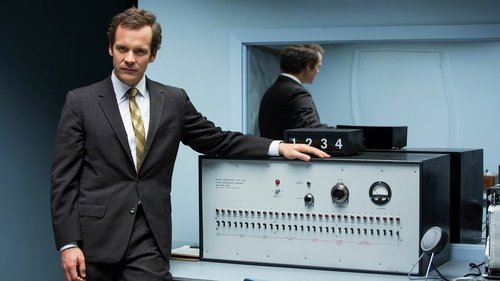
Yale University, 1961. Stanley Milgram designs a psychology experiment that still resonates to this day, in which people think they’re delivering painful electric shocks to an affable stranger strapped into a chair in another room. Despite his pleads for mercy, the majority of subjects don’t stop the experiment, administering what they think is a near-fatal electric shock, simply because they’ve been told to do so. With Nazi Adolf Eichmann’s trial airing in living rooms across America, Milgram strikes a nerve in popular culture and the scientific community with his exploration into people’s tendency to comply with authority. Celebrated in some circles, he is also accused of being a deceptive, manipulative monster, but his wife Sasha stands by him through it all.

On a particularly busy day at a suburban Ohio fast food restaurant, manager Sandra receives a phone call from a police officer saying that an employee has stolen money from a customer.
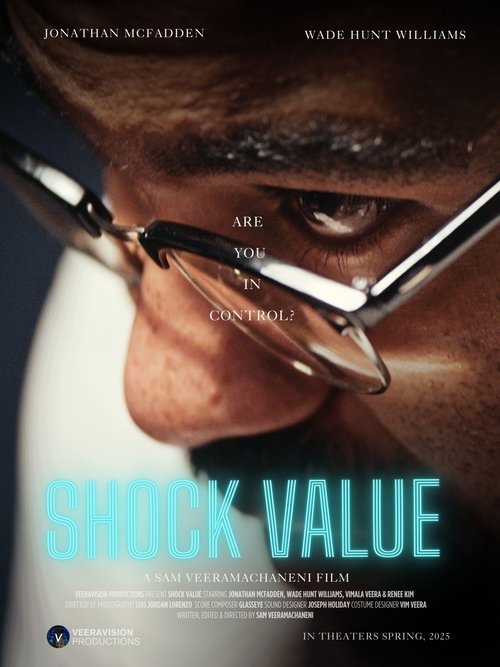
Confined to a 1960s testing room, a man assigned the name of "Teacher" by an unseen voice must conduct a tutoring session with a distant "Student." As the lesson unfolds, their cooperation strains — and a sinister truth surfaces through a series of shocking questions and irreversible choices.

This short film recounts efforts in the 20th century to develop programs and procedures that protect human subjects of research. Citing selected historical events in behavioral and biomedical research, it shows how protections such as institutional review boards (IRBs) came about in the United States, and why they were needed.