
Action
Adventure
Animation
Comedy
Crime
Documentary
Drama
Family
Fantasy
History
Horror
Music
Mystery
Romance
Science Fiction
Thriller
War
Western
Found 10 movies, 1 TV show, and 0 people
Can't find what you're looking for?

Clean lines, bold colors and the festive glow of a roaring retro fire. Mix and mingle in the merriest way with a cozy — and very vintage — vibe.
A home-media compilation of animation rarities in the stylized "mid-century modern" aesthetic of the 1950s, including industrial and educational films and vintage TV commercials. Presented on DVD and Blu-ray by Thunderbean Animation.
Thunderbean is proud to present this collection of rare, 'modern design' cartoons from the 40's, 50's and early 60's. These theatrical shorts, commercials, industrial films and drive-in commercials were produced by studios stepping away from the established cartoon design styles that had become standards in the industry, instead finding inspiration in modern graphic design and the work of contemporary fine artists. These new ideas in animation design became staples of the Television age, largely because of the influences and pioneering work of United Productions of America (UPA) as well as the many newly established commercial studios. This new collection is mastered from original 16mm and 35mm prints.

This documentary film goes beyond the walls and hedges of Mid-Century homes that were built in neighborhoods like Twin Palms, Vista Las Palmas and Racquet Club Estates. The film features interviews with noted architects James Harlan, author of The Alexanders. Watch as home owners in various Palm Springs neighborhoods speak directly to the pride that goes beyond home ownership as they tour us through their homes. They gladly accept that they are the stewards of these mid-Century monuments that they live with everyday.
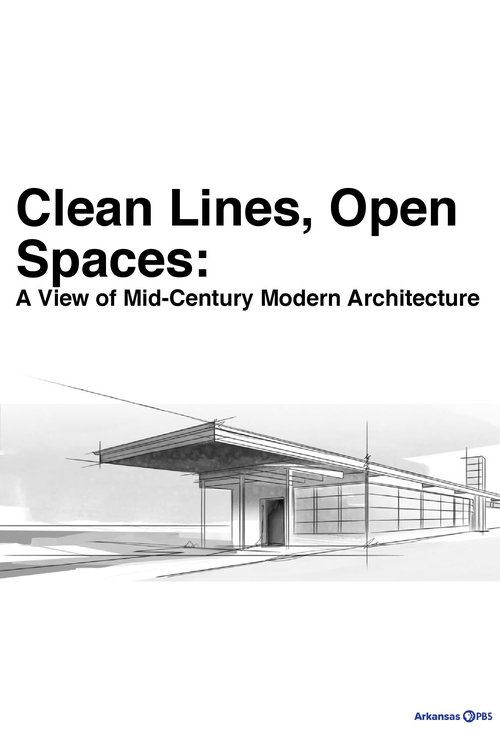
"Clean Lines, Open Spaces: A View of Mid-Century Modern Architecture" focuses on the construction boom in the United States after World War II. Sometimes considered cold and unattractive, mid-century modern designs were a by-product of post-war optimism and reflected a nation's dedication to building a new future. This new architecture used modern materials such as reinforced concrete, glass and steel and was defined by clean lines, simple shapes and unornamented facades.
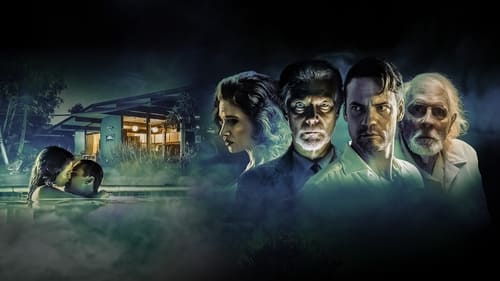
A husband and wife's weekend in a mid-century modern vacation rental turns deadly when the husband discovers the owner is a psychopath with a backyard of buried secrets and designs on his wife.
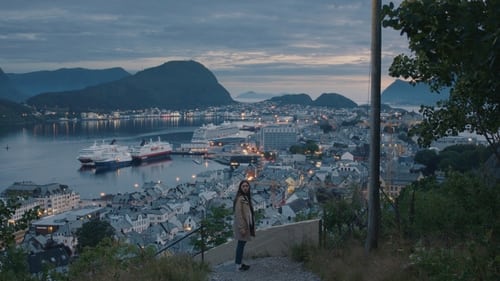
Long blue hours characterise summer nights in the sleepy Norwegian port town of Ålesund. Asta is a young journalist working for the local newspaper, where she is expected to report on local sports, historic preservation, and cruise ships. It is only when she stumbles across the strange story of a refugee’s forced deportation, that she finds new meaning in her work and life.
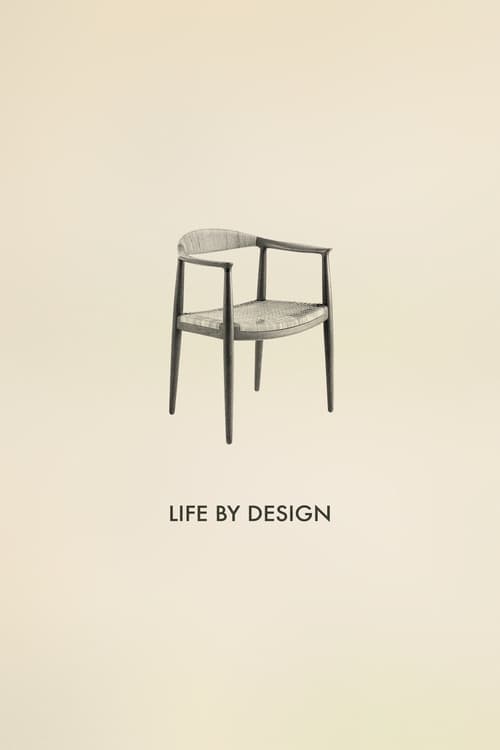
A documentary about the history of modern Danish Design and architecture and its worldwide impact on contemporary international designers.
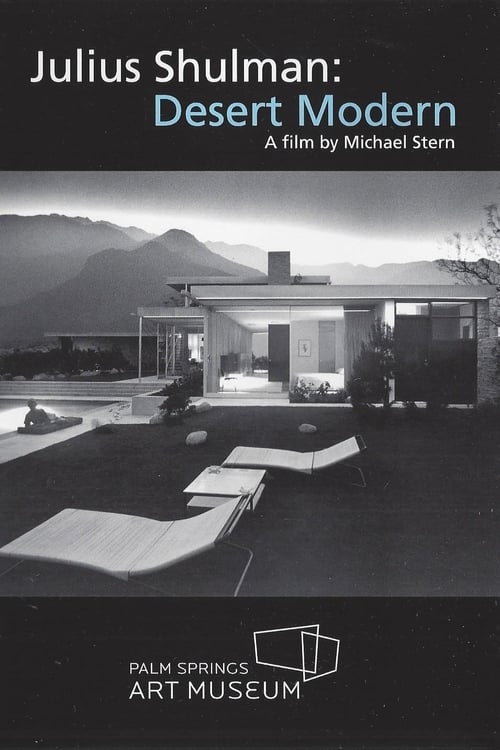
Julius Shulman: Desert Modern focuses on Shulman's remarkable 70-year documentation of the renowned Mid-Century Modern architecture of the Palm Springs area/ Shulman, at the age of 97, describes with humor and insight his artistic intentions and the back-story to some of his most legendary photographs. He is joined by noted architectural historian Alan Hess and Michael Stern, co-authors of the book, "Julius Shulman: Palm Springs". Stern is also curator of the "Julius Shulman: Palm Springs" exhibition which originated at the Palm Springs Art Museum in February 2008. The flm showcases Shulman's inspired photography of the architecture of Richard Neutra, Albert Frey, John Lautner, E. Stewart Williams, Palmer and Krisel and William Cody, among others. E. Stewart Williams' Frank Sinatra House is featured, as well as Richard Neutra's Kaufmann House, one of the most famous homes in America, largely due to Shulman's iconic 1947 photograph.
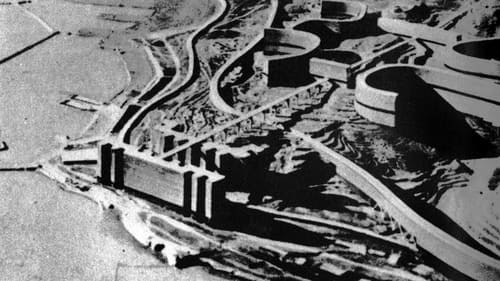
Making a documentary on Le Corbusier is not easy, because he is undoubtedly the architect most familiar to the general public but also the most unknown. If most people know his great achievements, such as the Cité radieuse of Marseille, the pavilions of the Cité universitaire de Paris or the Tourettes convent, many are unaware of his works in Moscow, Rio de Janeiro or Chandigarh. Roy Oppenheim pays a vibrant tribute to Corbusier, dismissing the criticisms and darker facets of the character. It presents the career of this pioneering architect, as well as his thinking, the essential principle of which was aimed at the development of human beings and the balance of society. Light, space and greenery are integrated into his large futuristic cities, because according to him the eyes of the inhabitants should be drawn into the distance and not into their neighbor's bathroom.