
Action
Adventure
Animation
Comedy
Crime
Documentary
Drama
Family
Fantasy
History
Horror
Music
Mystery
Romance
Science Fiction
Thriller
War
Western
Found 32 movies, 3 TV shows, and 0 people
Can't find what you're looking for?

In 1974 rural Brazil under military dictatorship, the fragile balance of Jorge and Mariângela's relationship faces expropriation of their land for the construction of a hydroelectric dam, is further shaken by the unexpected intimacy between Mariângela and Jorge’s sister.

Two strangers wait for a Solar Eclipse amid a crowd of eclectic Texans.
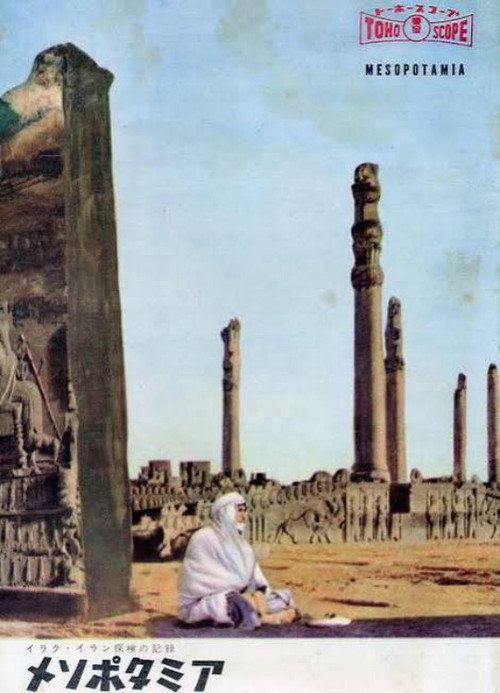
Documentary on the excavation of an agricultural village in Mesopotamia.

Today, the land between the Tigris and Euphrates Rivers is a barren desert. But centuries ago, this area in modern-day Iraq and southern Syria was known as Mesopotamia, a fertile plain that served as home to some of the earliest civilizations. Discover the Sumerian civilization, the first to successfully irrigate the region, form a government and developer a develop a written language. The program explores other civilizations that formed following the demise of the Sumerians--the warlike Assyrians and the prosperous Babylonians, who invaded Jerusalem under King Nebuchadnezzar.
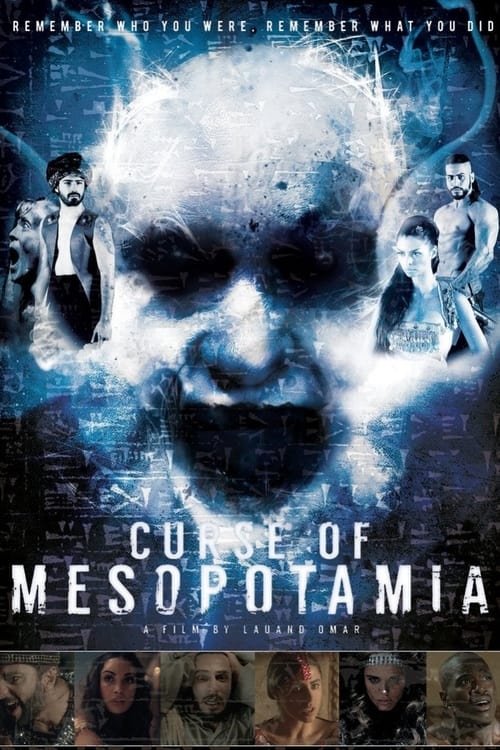
Five strangers are brought together in a remote part of the Middle East by a doctor who claims she can solve their shared dreams of a ferocious demon.

Depicts the cultural legacy of the Sumerians, Semites, Babylonians, and Assyrians of the ancient Middle East using authentic locales including Babylon, Ur, and Nineveh.
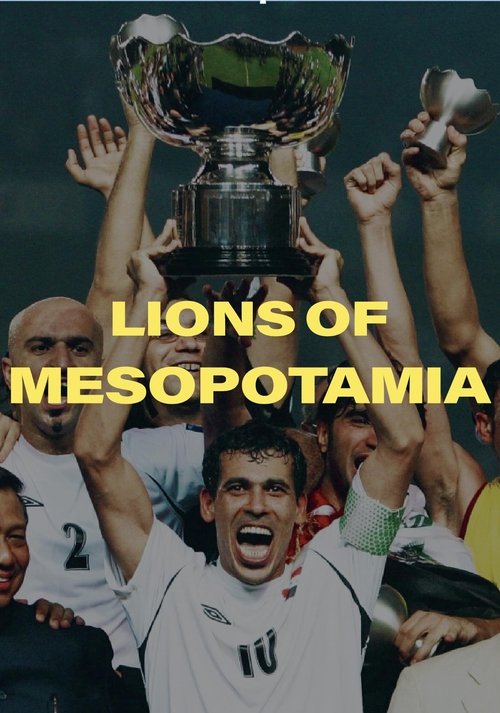
The Iraqi soccer team unites players from warring factions to become 2007 Asian Cup champions, briefly unifying the country amid civil war. Over a decade later, the players recount their journey through conflict to an unlikely victory.
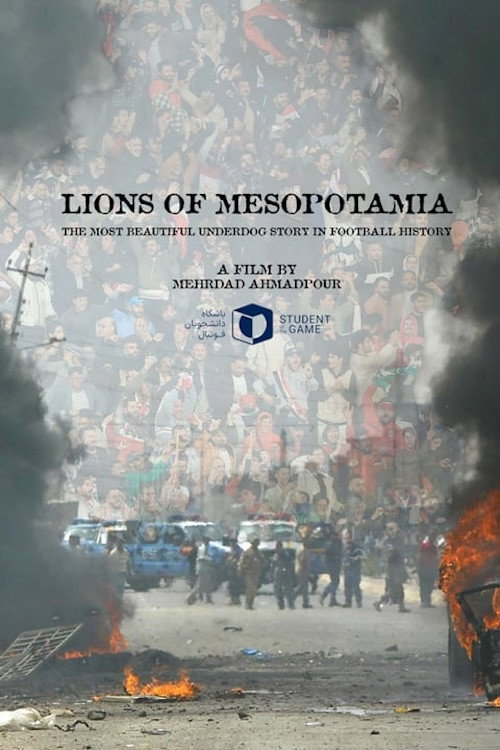
Against the backdrop of war, Iraq's football team defies the odds, uniting a nation and achieving the impossible by becoming the Champions of Asia in 2007.
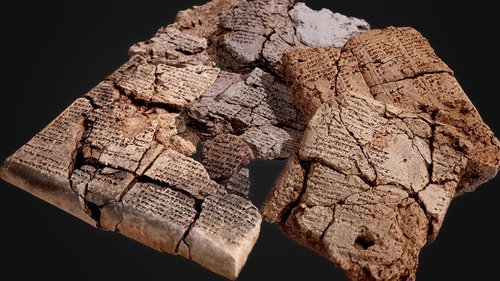
After decades of inaccessibility due to unrest and wars, teams of archaeologists from around the globe return to the greatest sites in Mesopotamia in a bid to save what can still be saved.
Documentary about about cultural life and the socio-economic situation in Iraq in the late 1960s.

No description available for this movie.

In Iraqi Kurdistan, a region that has not yet been explored, a formidable archaeological adventure is taking place where scientific knowledge is the answer to oblivion.
Sumer. Babylon. The epic Gilgamesh and the Tower of Babel. Today, these names still resonate. They embody Mesopotamia - the land between the two rivers of Tigris and Euphrates. Regarded as a cradle of civilization, within this historical region humanity organized itself into a society of tens of thousands. Jawad Bashara, an Iraqi writer exiled in France under the dictatorship of Saddam Hussein, returns to his country, embarking on a hazardous journey in search of our origins.
This film records the advance of the Kut Relief Force from Basra upriver until the fall of Kut-el-Amara, spanning 5 December 1915 to 29 April 1916.
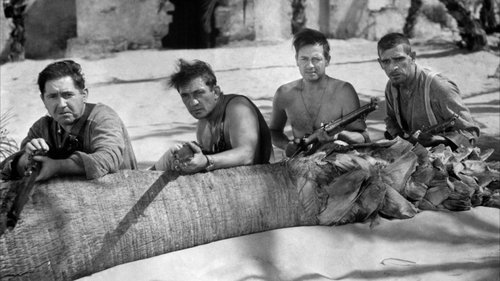
A World War I British Army patrol is crossing the Mesopotamian desert when their commanding officer, the only one who knows their destination, is killed by the bullet of unseen bandits. The patrol's sergeant keeps them heading north on the assumption that they will hit their brigade. They stop for the night at an oasis and awaken the next morning to find their horses stolen, their sentry dead, the oasis surrounded and survival difficult.
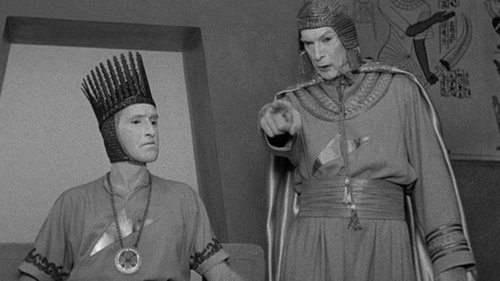
A party of archaeologists discovers the remnants of a five millennia-old mutant Sumerian civilization living beneath a glacier atop a mountain in Mesopatamia.
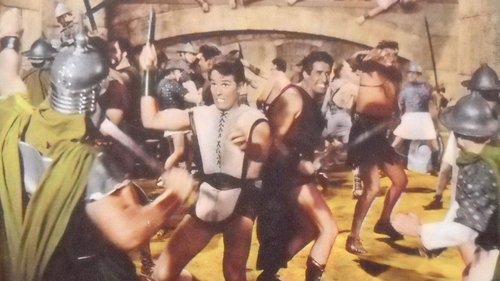
Goliath battles for the freedom of the Babylonian people.
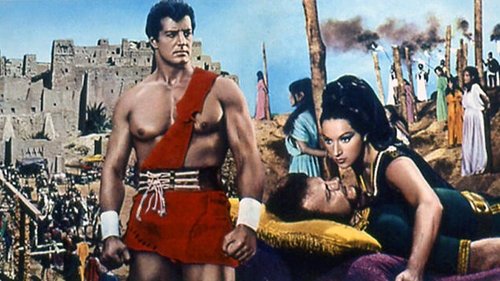
Hercules goes to Babylon to rescue the Queen of the Hellenes and free the people of Babylon from slavery.

A safecracker takes a job where he must go to Istanbul and steal a scepter that once belonged to the god Gilgamesh but is now in the temple of a secret cult.
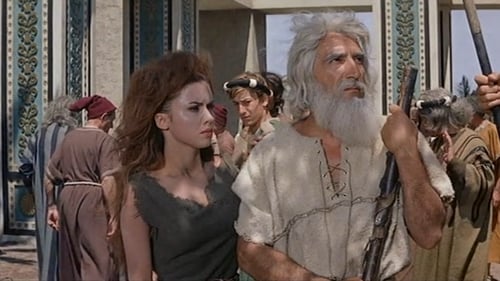
Noble, wise King Sardanapolo and his more soft and naive younger brother Prince Sammash get into a bitter feud over the affections of sweet and alluring innocent peasant girl Mirra. Meanwhile, the treacherous and ruthlessly ambitious General Arbace plots against both siblings.
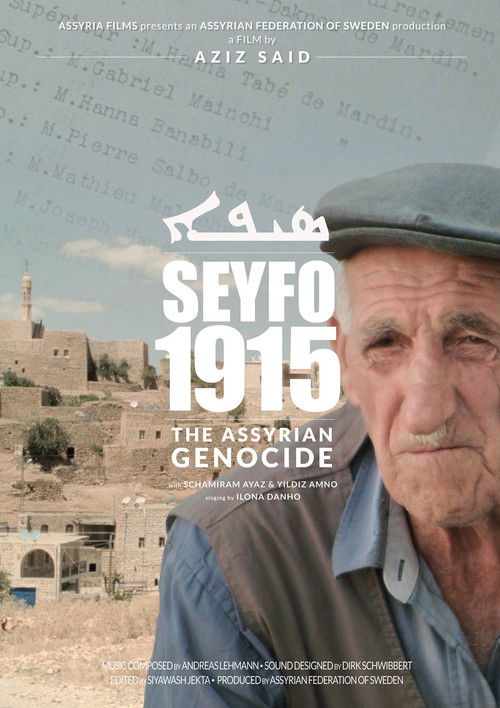
In the shadow of the First World War, the genocide of the Christian Assyrians took place almost unnoticed by the world public. This first systematic genocide of the 20th century was committed by the Young Turks (Ottoman Empire) and would not have been possible without the support of some Kurdish local rulers and their family clans. The Assyrians are the indigenous people of Mesopotamia and have lived in Mesopotamia for thousands of years. The film includes testimony from several European, Turkish and Assyrian historians, as well as genocide researchers, including Professor Taner Akcam, Dr. Gabriele Yonan and Professor David Gaunt. The film includes testimony from survivors of the genocide. Various journalists and publicists also have their say with well-researched information in this documentary. The Assyrians refer to the Genocide as "Seyfo" (ܣܝܦܐ), which translates as "sword".

In this Biblical epic, a brave Chaldean rebel takes on his evil nemesis, a cruel Assyrian king. En route to his fateful meeting, the rebel hides in the humble hut of a luscious peasant girl.
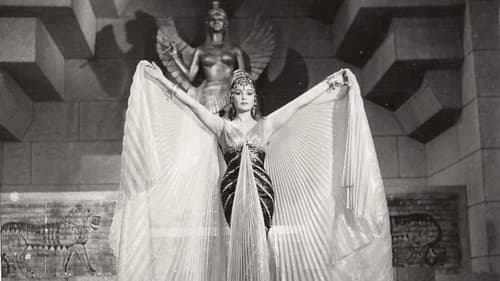
The rightful heir to the throne of Babylon leads a slave revolt against an evil ruler.
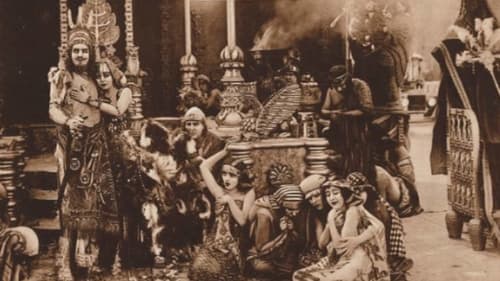
A re-edited version of the second episode of Intolerance (1916); a mountain girl who loves Belshazzar strives to protect him against the evil High Priest of Bel and his treacherous cohorts.

A priceless tablet of Gilgamesh, the oldest and most important work of literature is stolen from a museum. A security guard vows to do whatever it takes to get it back from a group of smugglers. Along the way, he faces his own inner demons.

The spirits of dead Indians are haunting a couple's house, and they call in an exorcist, whose trademark is a black whip, to get rid of them.
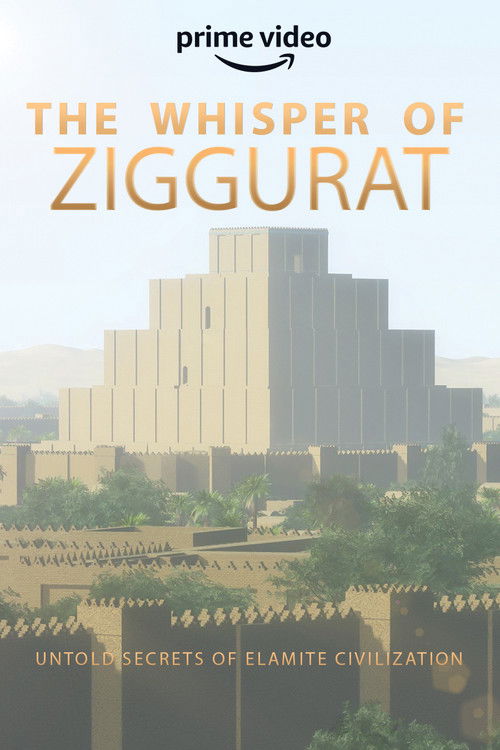
5000 years ago the ancient Elamites established a glorious civilization that lasted about three millennia. They created marvelous works in architecture and craftsmanship. These works of art depict the lifestyle, thoughts, and beliefs of the Elamites.
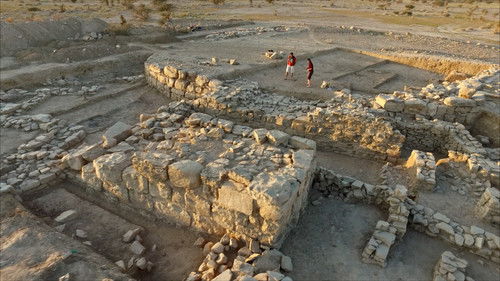
To the east of the Arabian desert, an ancient culture developed; and it attainted the sophistication of its civilized neighbours in Mesopotamia & Iran. The extreme aridity of the spot, combined with the strictness of religious prohibitions, discouraged archaeologists for a long period of time. Only recently, a group of French scientists initiated a large-span excavation. Their aim is to comprehend how this society succeeded to prosper, despite a natural environment so hostile to any conditions of life. The answer seems to be the refinement of a revolutionary, water management technique. Yet beyond such technical prowess, this documentary provides a unique look to discover a unique way of life; but also the pre-Islamic religious beliefs of this milieu.
Mesopotamia was the site of the Sumerian civilisation, which flourished at the confluence of the rivers Tigris and Euphrates. From 5000 to 2000 BC, the Sumerians flourished in a hostile environment by developing agriculture and irrigation and they opened up the trade routes of the ancient world. It was the Sumerians who invented writing and the wheel, and they first divided time into minutes and seconds. In the end however the Babylonian civilisation took the place of the Sumerians. However their heritage and myths live on in the Mediterranean and Western worlds to this day.
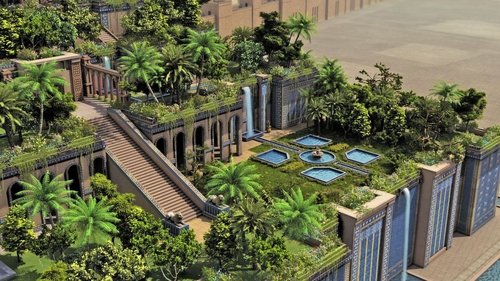
No description available for this movie.
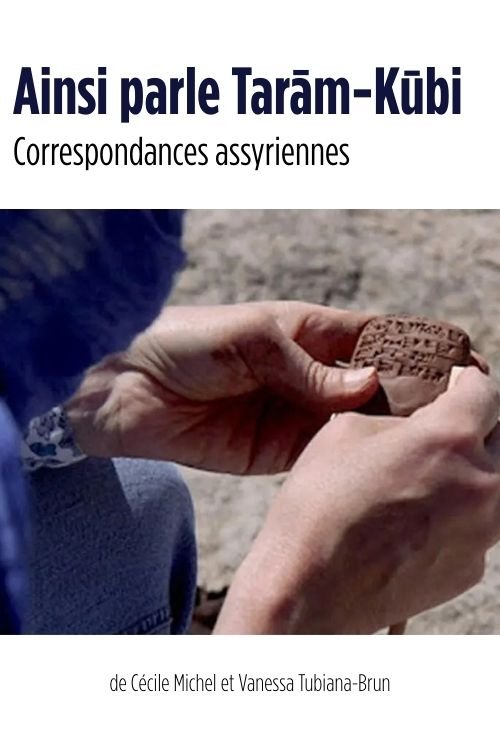
About 4 000 years ago, Assyrian merchants established a commercial settlement in the ancient city of Kaneš, within Central Anatolia. They came from Aššur, north of Mesopotamia. We have come to understand their history through their writings on clay tablets that have stood the test of time: more than 22 500 cuneiform tablets have been unearthed from the archaeological site of Kültepe. How did these Mesopotamian clay tablets arrived in Anatolia and what do they tell us? The voice of Tarām-Kūbi, an Assyrian woman who corresponded with her brother and her husband in Kaneš, takes us back in time.
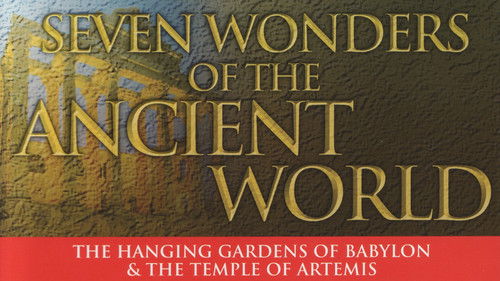
Explore with host John Romer, the influence of ancient eastern civilizations. The Hanging Gardens of Babylon, in what is now Iraq, were rumoured to be part of the palace of Nebuchadnezzar. Today, scientists believe that the exotic gardens were actually more fable than fact. The Temple of Artemis at Ephesusm in modernday Turkey, was built to honour the mother goddess. She was a powerful force for many different people - the Romans knew her as Diana, the Anatolians as Kybele - and her temple was one of the holiest shrines in Alexander the Great's world