
Action
Adventure
Animation
Comedy
Crime
Documentary
Drama
Family
Fantasy
History
Horror
Music
Mystery
Romance
Science Fiction
Thriller
War
Western
Found 20 movies, 19 TV shows, and 0 people
Can't find what you're looking for?

Caroline Darian, Gisèle Pelicot's daughter, looks back on the tragedy that shook her family: for ten years, her father drugged her mother to subject her to rapes committed by strangers recruited on the Internet. This case exposes the scandal of chemical submission, a practice where attackers, generally close to the victims, use prescription or over-the-counter medications to commit their crimes. This phenomenon, far from being marginal, affects victims with varied profiles...

"CURTIS (2004, Sundance, documentary, 35 min) is a loving portrait of Curtis Wheeler (1950-2003), a dancer and artist fighting to keep his independence and dignity as the end of hi struggle with HIV-AIDS takes him in and out of hospice case." (First Encounter Productions)

One man's journey to discover the bitter truth about sugar. Damon Gameau embarks on a unique experiment to document the effects of a high sugar diet on a healthy body, consuming only foods that are commonly perceived as 'healthy'. Through this entertaining and informative journey, Damon highlights some of the issues that plague the sugar industry, and where sugar lurks on supermarket shelves.

A stark and graphic portrayal of the conditions that existed at the State Prison for the Criminally Insane at Bridgewater, Massachusetts, and documents the various ways the inmates are treated by the guards, social workers, and psychiatrists.

What “living on the autism spectrum” means for those affected and their environment. To find out, the camera team accompanied autistic people into their world. The documentary shows the challenges they face in their everyday lives and lets them tell their personal stories. It is accompanied by two renowned autism researchers, Tony Attwood and Professor Ludger Tebartz van Elst, and dispels the clichés that most people have about autistic people. Because autism is very diverse. The documentary takes an exclusive look at the current state of autism research in Professor Jürgen Knoblich's gene laboratory in Vienna.

Could psychedelics treat depression? Banned substances such as LSD and psilocybin are now being tested for various afflictions. Several studies are ongoing with one of the largest being conducted by the Charité hospital in Berlin and the Central Institute for Mental Health in Mannheim, Germany. Since the risks and side effects of the substances have not yet been fully researched, their use for therapeutic purposes remains highly controversial.
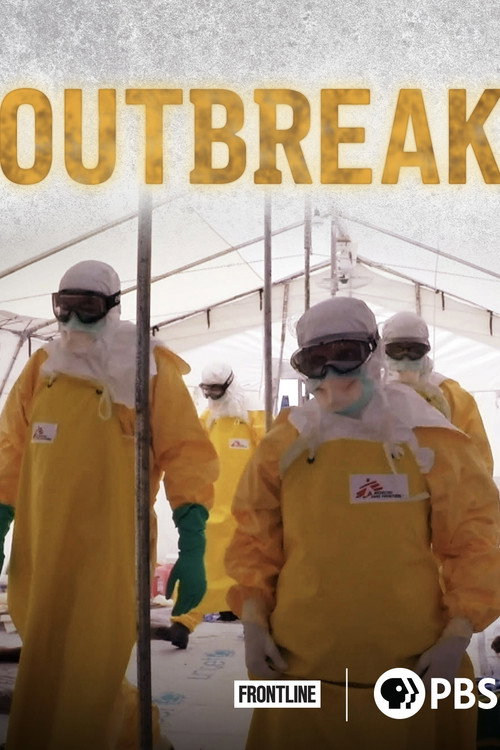
FRONTLINE spent months on the ground in West Africa, tracing the Ebola outbreak’s path through Guinea, Sierra Leone and Liberia in 2014 and 2015 and uncovering the hidden story of what happened before the world started paying attention. The documentary shared firsthand accounts from survivors and victims’ family members — from the forest region of Guinea to the bustling Liberian capital of Monrovia — including the father of a one-year-old Guinean child who was believed to be the first person to die in the outbreak.
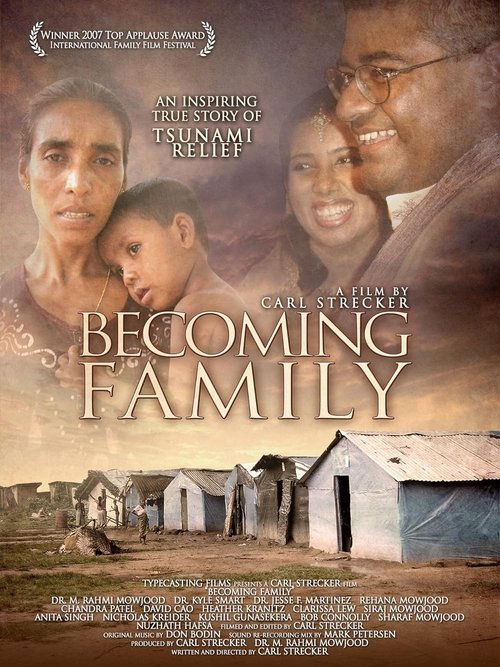
Six months after a tsunami hit South Asia on December 26, 2004, Muslim-American and Sri Lankan-born Dr. M. Rahmi Mowjood led a team of American doctors and medical students on a relief trip. While mentoring medical students and aiding injured villagers, Dr. Mowjood also finds a way to ask someone to become a member of his own family.
Amidst a devastating opioid epidemic, a needle exchange and free clinic operates in the shadows of Fresno, California.
Psychiatrist Dr Max Pemberton explores the controversy surrounding attention deficit hyperactivity disorder and how it is treated.

This report was broadcast on ARD in 1993. In 43 minutes, the development of psychiatry "in the third year after reunification" is shown using two institutions in the new federal states as examples. A touchstone for all of psychiatry and disability care to this day. The film shows a shocking way in which disabled people are treated. The commentary uses the perspective of those affected. 50 years after euthanasia in Germany, this documentary reminds us of this once again.
A journey through six different countries and characters into a world where chemistry is the ultimate response to human pursuits of well-being.

ME/CFS is a devastating disease that affects around 300,000 people in Germany alone. There has been little help for sufferers to date. Many doctors are not familiar with the clinical picture and treat it incorrectly. However, something has been happening recently, partly due to the coronavirus pandemic: because the late effects of Covid-19 correspond to the typical symptoms of ME/CFS...
Under pressure to continue a winning tradition in American tennis, Mardy Fish faced mental health challenges that changed his life on and off the court.
No description available for this movie.
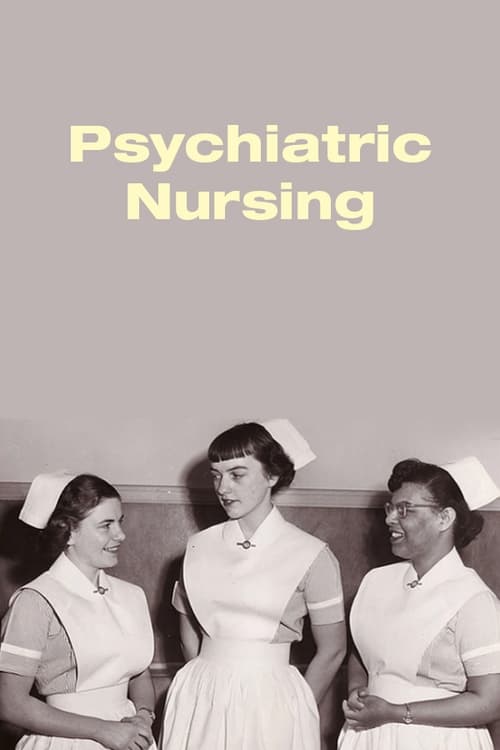
Psychiatric Nursing: The Nurse-Patient Relationship is a 1958 American documentary film directed by Lee R. Bobker. It was nominated for an Academy Award for Best Documentary Feature.

This is the story of death and survival, exclusion and hope told by those who lived through it. 40 years ago an HIV infection seemed like a death sentence.

The daily life of the volunteers of the Compañeros de Batalla foundation, dedicated to providing support and hope to the children fighting cancer at the Pediatric Specialties Hospital in Maracaibo.
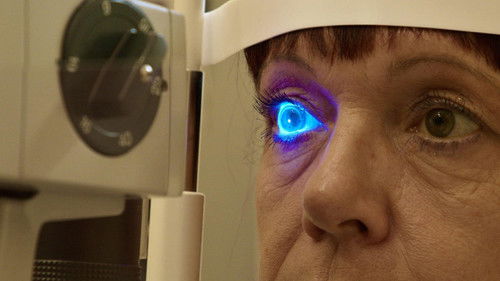
At a time when our eyes are tiring ever faster, we zoom in on new techniques to combat visual diseases and deficiencies.
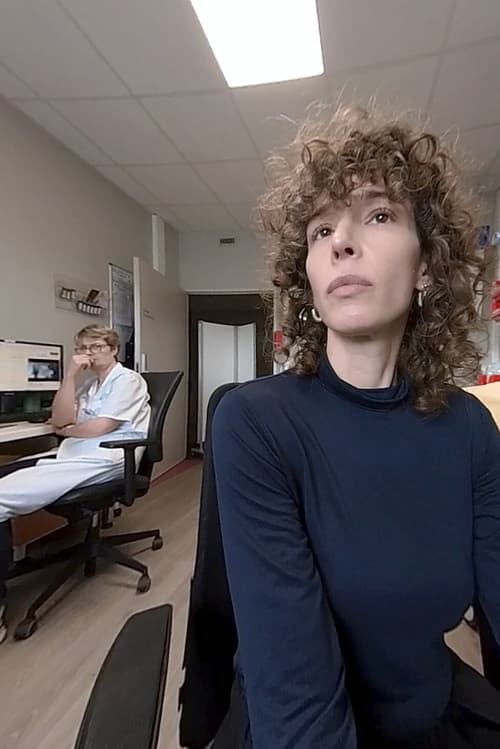
Laser’s hallucinatory investigative report explores Paris’s Pitié-Salpêtrière Hospital, widely considered the birthplace of modern psychology and neurology. Interviews with doctors, historians, clergy, and dance therapists reveal uncanny connections between the emergence of “hysteria” in 19th-century Paris and recent outbreaks of so-called TikTok tics.