
Action
Adventure
Animation
Comedy
Crime
Documentary
Drama
Family
Fantasy
History
Horror
Music
Mystery
Romance
Science Fiction
Thriller
War
Western
Found 22 movies, 0 TV shows, and 1 person
Can't find what you're looking for?
Marguerite Duras.is interviewed twice, first in 1984 and then in 1993, on her life and work as a writer and filmmaker.
Her whole childhood, Marguerite Duras spent her time moving. Her house in Neauphle-le-Château is the one she has lived in the most, and the one she says: “All the women in my books have lived in this house. All ... ” Duras tells about her house and her garden closely linked to his work, remembers the forest of her childhood and evokes her fear of music.

Broadcast once a month, Dim Dam Dom was a TV variety show on the second channel of French public television agency ORTF made up of a series of short sequences presented by one–off guest presenters. On the 30th of April 1965, Marguerite Duras interviewed François, a little seven-year old boy. Duras asked him what he thought about the inventions of the future, school, the usefulness of TV, "Belphégor" and talking horses. Francois answered the writer’s cunning questions with humour, candour and poetry.
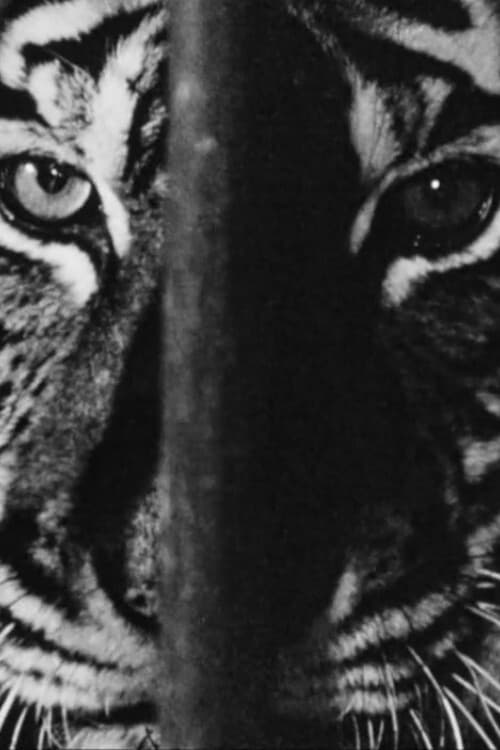
Duras, ever the challenging interviewer, forensically questions a Parisian zookeeper regarding the happiness of the animals in his charge. Intercut with her questions is stark black-and-white footage of the animals themselves behind bars, as they pace the length of their small concrete enclosures. Duras is very much on the side of the big cats. “Are you ever careless?” she asks the zookeeper. When he replies in the negative, Duras says smilingly: “In your position I’d be tempted to be careless”.
During this strange and confrontational interview, Duras takes on France’s only female prison warden. In the women’s verbal wrangling we find reflected many contemporary concerns surrounding the ongoing moral disaster of the prison industrial complex.
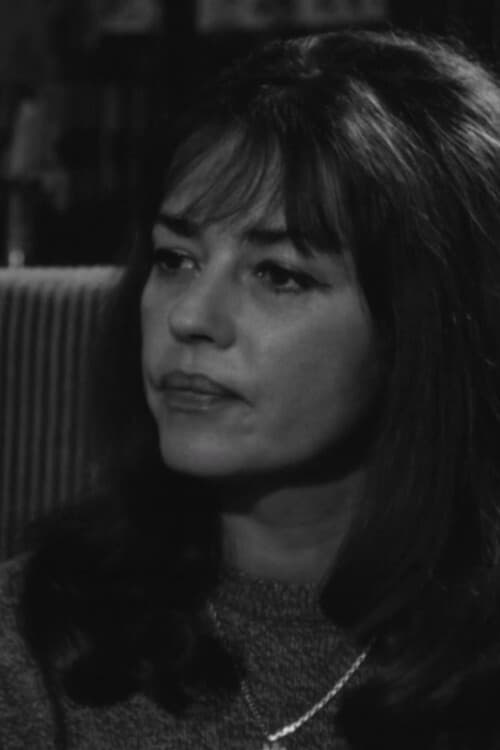
Duras interviews an exhausted Jeanne Moreau, addressing her friend as vous, despite the fact "the two were close friends for many years, living in neighbouring houses and cooking for each other from the early ‘60s.
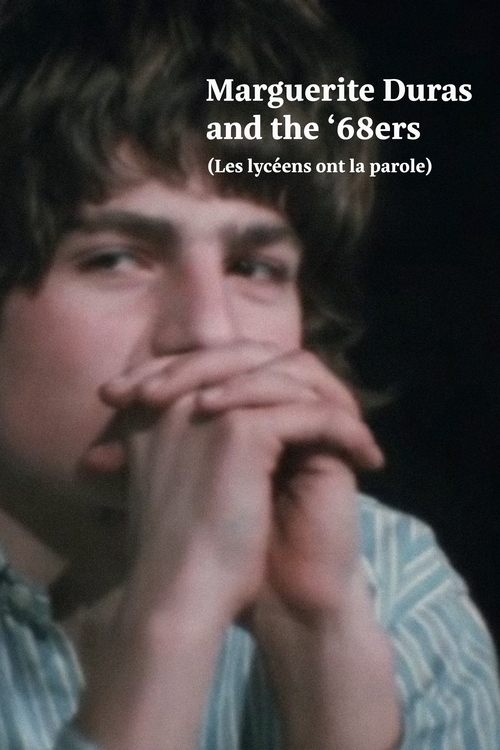
Here Duras assumes a more distant role, less an interviewer than an invested documentarian. Her questions precede footage of her main subject, the sixteen-year-old Romain Goupil, recently excluded from the lycée, among his peers and fellow student revolutonaries. After we see them discuss the complexities of their position and deal with internal dissent, Duras asks Romain if he ever forgets how young he is. Romain replies with a grin: “Totally.”
‘Mulher a Mulher’ is a Portuguese TV show dedicated to the condition of women that aims to demystify gender prejudice. Its last programme looks at the literary and cinematographic work of Marguerite Duras (writer, playwright and film director) with an interview conducted by writer Yann Lemée and provided by the Centro Nacional de Cultura, in Lisbon.

Marguerite Duras still has much to tell us about her words and about her silences. In this film, hers is the only voice we hear. She talks about herself, without excuses, and with the keen wit, the humour, and the straightforward attitude that became her trademark.
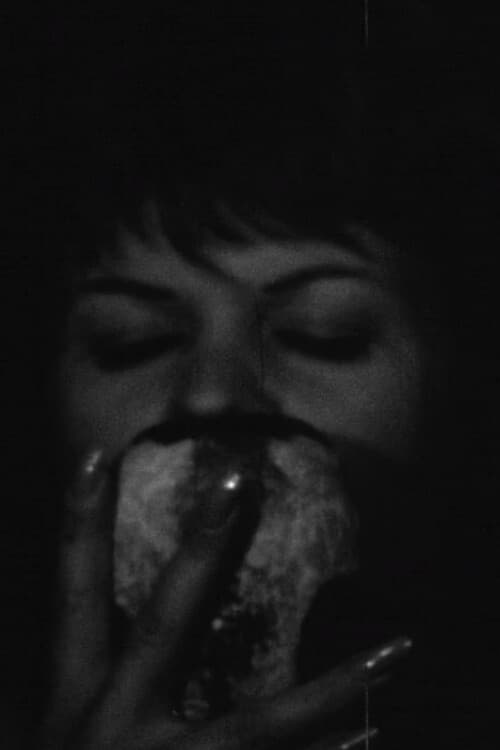
In this episode of Dim Dam Dom, Duras interviews the stripper Lolo Pigalle. A clip of Lolo dancing in a golden dress is followed by an intense and intimate conversation in which Lolo discusses the definition of work, the splitting of the self, and acting vs. sex work.
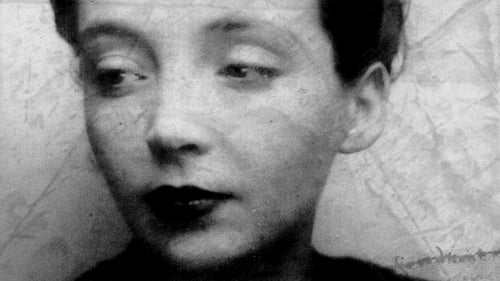
When French writer Marguerite Duras (1914-96) published her novel The Sea Wall in 1950, she came very close to winning the prestigious Prix Goncourt. Meanwhile, in Indochina, France was suffering its first military defeats in its war against the Việt Minh, the rebel movement for independence.
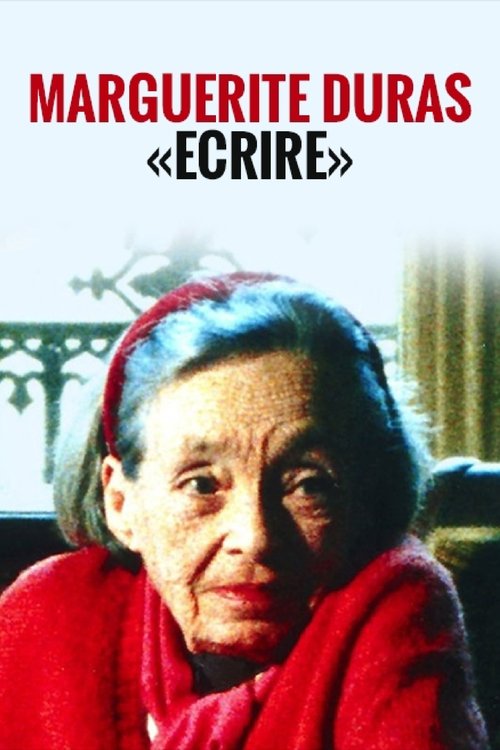
A long interview between Marguerite Duras and Benoît Jacquot on the subject of writing and of solitude, at the country house where Marguerite Duras lived alone for several years; those in which she wrote The Vice-Consul and Le Ravissement de Lol V. Stein.

A conversation with French writer Marguerite Duras, filmed in the calm atmosphere of her country house.
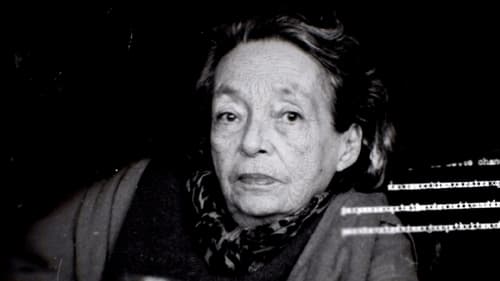
25 years ago, Marguerite Duras passed away at the age of 81. At the evocation of this name, one spontaneously thinks of the intellectual superstar Duras, adulated or hated, with her big glasses and turtleneck, who received the Goncourt prize for her mythical novel, "L'Amant". But behind the superstar writer, who either fascinates or annoys, and behind his double novel, the young Indochinese girl, with her hair pulled back and lips underlined with lipstick, which is precisely the subject of "L'Amant", are hidden other, perhaps less well-known facets of the character, a writer, but also a filmmaker, journalist, a woman committed to the left, a transient lover or a loving mother. Marguerite Duras will have had 1000 lives in one and many other faces. This film attempts to get as close as possible to this extraordinary destiny.
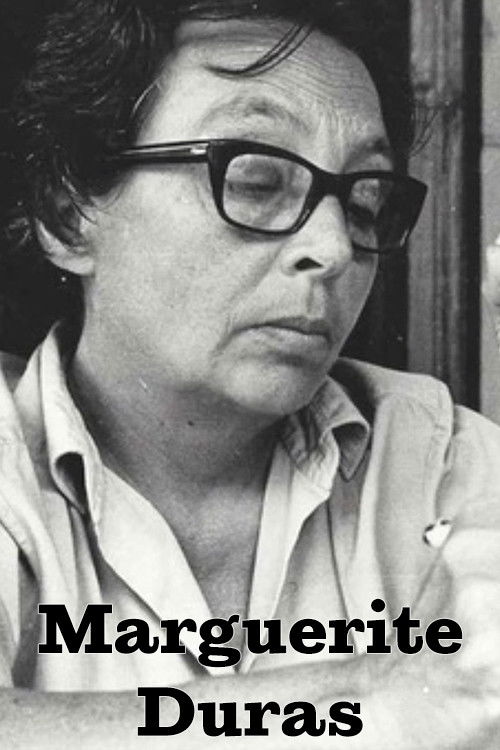
She was the sort of woman who spared neither herself nor others—and arguably qualifies as 20th-century France’s greatest femme de lettres. In this interview, the late novelist and filmmaker talks openly about the hardship and the romance of her childhood in French Indochina, sharing how this period haunted her life and shaped her work. Excerpts from her films and readings from her books by actress Elizabeth Rider and Duras herself—including The Lover, winner of the Prix Goncourt and translated into more than forty languages—bring to life those formative years in Vietnam.

No description available for this movie.
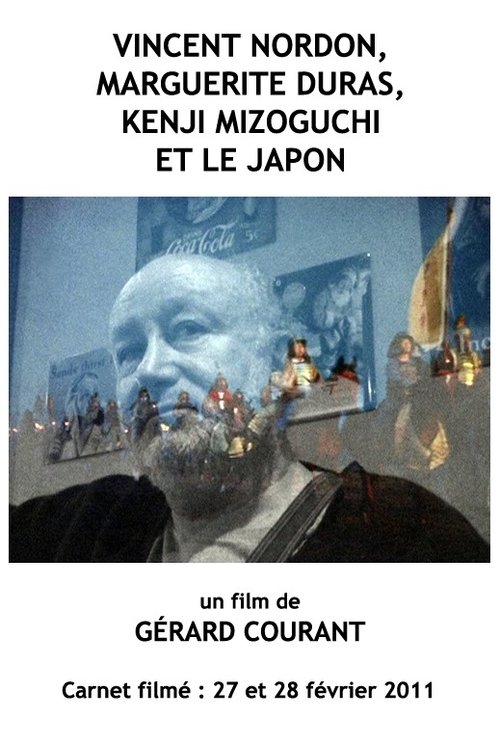
No description available for this movie.
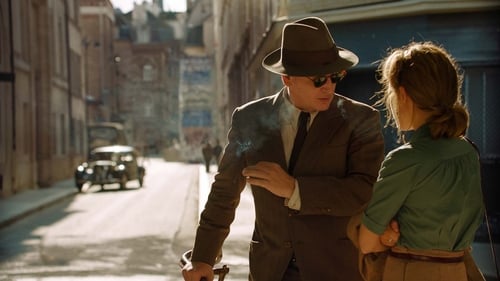
In the last days of the Nazi-occupied France, writer Marguerite Duras awaits the return of her husband, Robert Antelme, arrested for being a Resistance fighter and then deported, while she maintains a tense relationship with her ambiguous lover and a dangerous game with a French collaborationist. Even when the Liberation arrives, she must still endure the unbearable pain of waiting.

A poor French teenage girl engages in an illicit affair with a wealthy Chinese heir in 1920s Saigon. For the first time in her young life she has control, and she wields it deftly over her besotted lover throughout a series of clandestine meetings and torrid encounters.
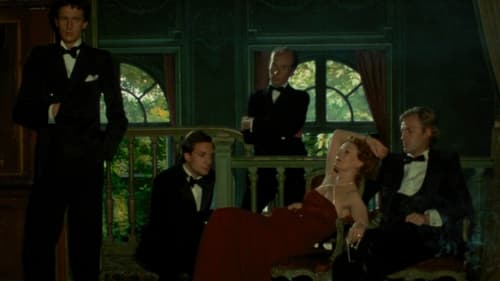
Anne-Marie Stretter, the wife of a French diplomat in 1930s India, takes many lovers to relieve the boredom in her life.
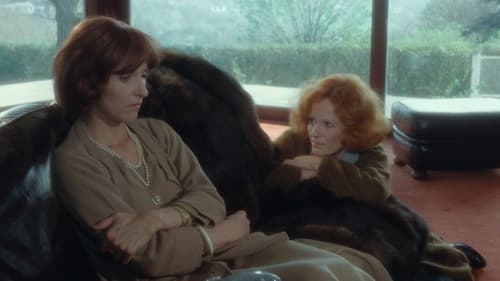
In an empty villa, Vera Baxter sits and contemplates her life, as she recounts to a woman who was drawn to the villa when she heard the name Vera Baxter pronounced. Vera tells her about her no-good husband, who has been using her to keep his failing business afloat, up to her present love affair.
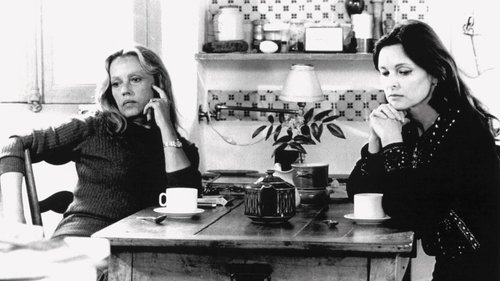
With little or no embellishment, filmmaker Marguerite Duras offers a simple, often wordless chronicle of a woman's day. She and her friend are seen doing yard work, talking about their families and receiving the occasional visitor. The brightest spot in the day is when a washing machine salesman comes to call.