
Action
Adventure
Animation
Comedy
Crime
Documentary
Drama
Family
Fantasy
History
Horror
Music
Mystery
Romance
Science Fiction
Thriller
War
Western
Found 37 movies, 10 TV shows, and 8 people
Can't find what you're looking for?
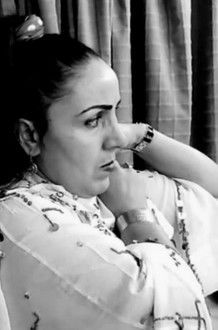
MAGHREB FLAMENCO is the first short documentary by Flamenco Biënnale NL made in 2008. With Cherifa Kersit (1967), the 'Cheikha' - the grande dame - of the singing tradition of the Berbers from the Moroccan Middle Atlas Mountains and guitarist Niño Josele (1974), protégé of Paco de Lucía, a descendant of a gipsy dynasty from the South Spanish Almería. The flamenco guitar mingles with the lotar, the Berber lute; and the raw Berber songs alternate with the "Cante Jondo", deep flamenco song. Together they built musical bridges, or rather, restored the old connections across the Strait of Gibraltar.
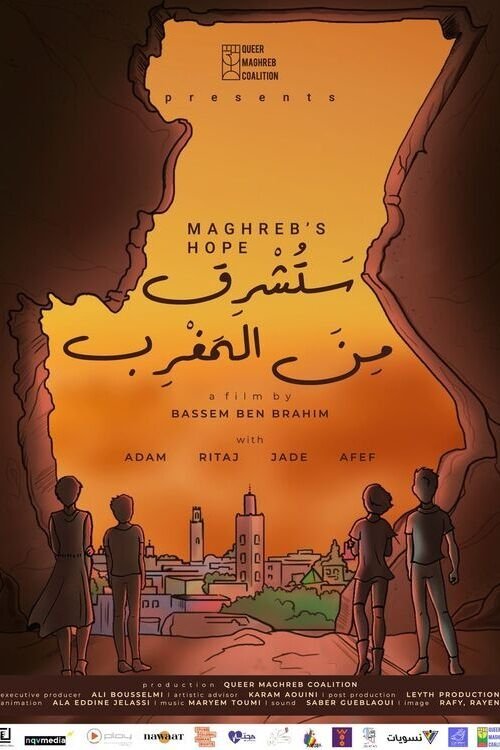
Through a fusion of animation and real images, queer individuals from the Maghreb share their stories, from their homeland to various parts of the rest of the world. These individuals have fiercely broken societal taboos around gender and sexuality, defying social, legal and familial pressures, even among those who have chosen to break away from their families.

No description available for this movie.
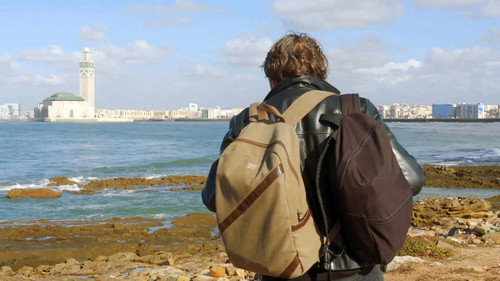
A name : Taouss Zahira, at the bottom of a letter mailed in Settat, Maroc. A date : 24 January 1990. Recipient : Charles Bordes, living in Montpellier with his family since the exile of the Pieds Noirs (name given to French nationals born in Algeria) in 1962. He hid the letter in his safe-deposit box at the bank. Upon his death, the letter surfaced, provoking quite a stir in the family. Why did Charles not destroy the letter, carrying his secret to the grave? Who is the person who signed the letter?

No description available for this movie.
Italian documentary short about the victorious battle for the conquest of Mergheb.
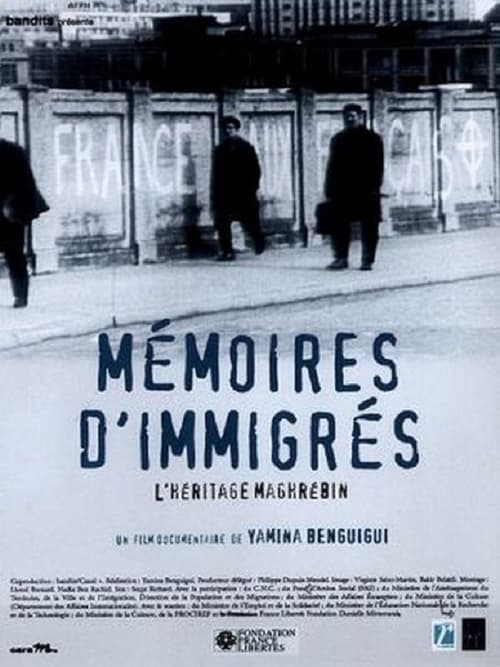
A three part story of the North African immigration to France.
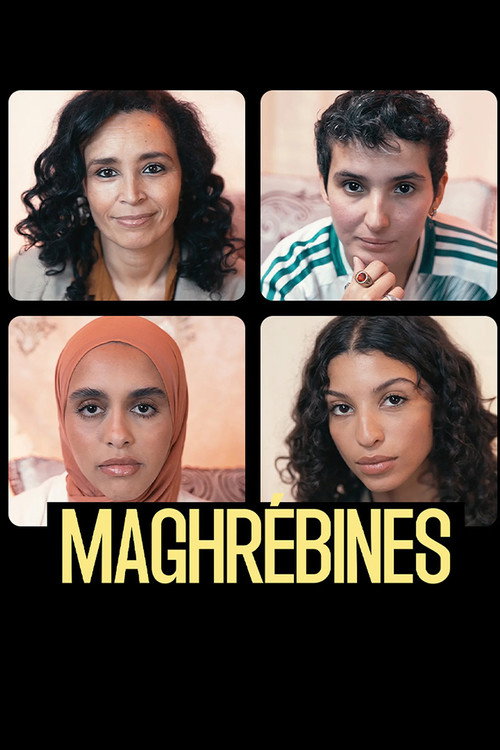
“Beurette” or “veiled woman”? A sexual fantasy or a victim in need of saving? Maghrebi women continue to speak out against the racism and sexism that confine them to stereotypes: either as vulgar, opportunistic women, or as submissive and invisible ones.
No description available for this movie.
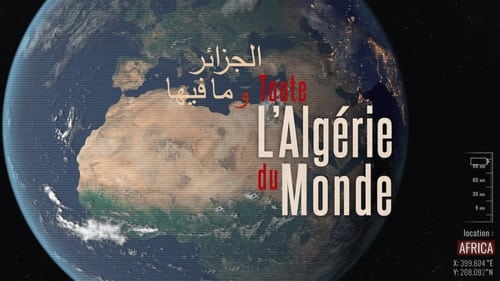
The largest country in the Arab world and a producer of hydrocarbons, Algeria has everything it needs to weigh on the international scene. But Africa's second military power seems undermined by its internal problems. While the Bouteflika regime has fallen and the popular “hirak” movement has shown that the people are ready to enter a more democratic era, the country appears as a colossus with feet of clay, which has failed enhance their independence. How did this isolation come about? From the “dark decade” of terrorism to the fall of Bouteflika, via 9/11 or the Arab revolutions, this documentary sheds light on Algerian foreign policy in recent decades, while deciphering the strategy of Western powers towards it.
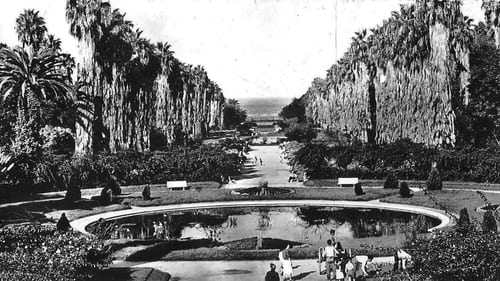
The film, shot in 1938, is part of a series entitled “The true face of Algeria”. The film highlights the proximity of Algiers to Paris and promotes air travel. The commentary supporting the images highlights the urban dynamism (“Every day, a new skyscraper replaces a wasteland”) and the comparison with Paris (“Algiers is often nicknamed the Paris of North Africa because of its elegance become proverbial). Contemporary architectural achievements are described as the sign of “grandiose modernism”: “we love the new, the bold”. But the point does not forget the buildings illustrating “the Moorish, classic and attractive style”. The description of the Casbah also attempts to understand the architectural organization but also the diversity and even the atmosphere.
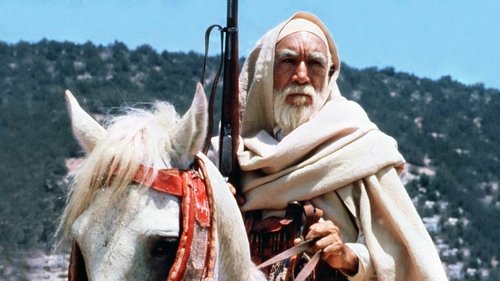
Resistance leader Omar Mukhtar opposes Italian colonization before World War II. The brutal guerrilla war against Italian General Rodolfo Graziani and the Fascist forces of Benito Mussolini highlights the struggle for Libyan independence and the harsh tactics utilised by the colonisers.
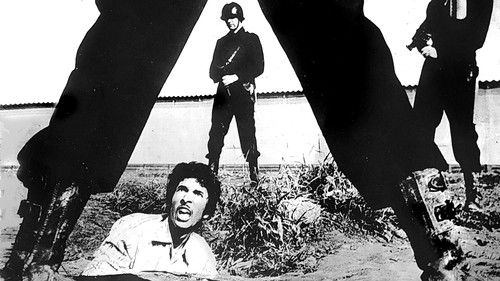
The Algerian War is seen through the eyes of a group of Algerian freedom-fighters who have been captured and incarcerated in French-run military prisons both in France and Algeria. In addition to attempts at escape, this prison drama also includes propaganda and brainwashing attempts by the French and scenes of torture. In what is possibly the most horrible torture of all, the inmates are forced to listen to broadcast speeches by General Charles de Gaulle -- speeches which illustrate the changing relations between the French and the Algerians.
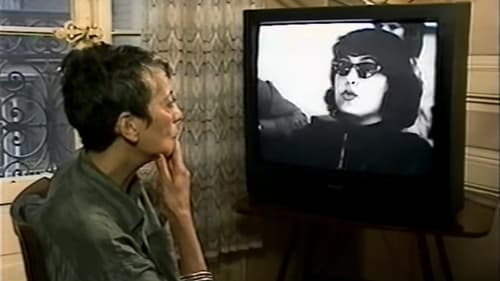
No description available for this movie.
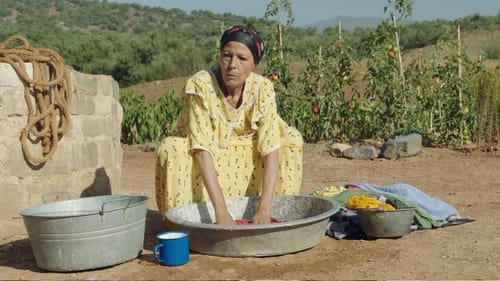
A small abandoned house, isolated in the Algerian countryside. Here Ouardia has buried her son Tarik, a soldier possibly killed by his own brother Ali, leader of an Islamist group. In this atmosphere, tense with pain and brittle with drought, life will little by little reassert itself. Thanks to the garden that Ouardia will bring to life by dint of courage, work, and obstinacy.
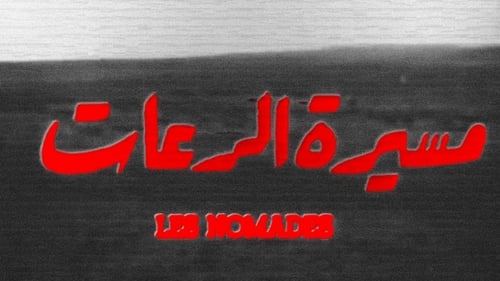
When their father dies, three nomadic sons choose different voices. The first part for the city, the second tries to live as its ancestors develop and the third integrates one of the new agricultural cooperations. "A pastoral society (1,500,000 inhabitants) on the threshold of decisive choices, destructured by the evolution of economic relations which lead to the concentration of herds in the hands of a few, to the support of rangelands and to the movement of impoverishment and proletarianization of the greatest number. The attitudes of the protagonists occur in relation to the economic and political involved in the process of agrarian revolution. The alternative lies only in the free adherence of small breeders to the forms of economic and social reorganization of the Agrarian Revolution and their insertion in the profound movements of social and political change that affect Algerian society." Sid Ali Mazif
Bachir, twenty-five, is looking to leave, perhaps to France. He waits every morning for the postman to come. The visa response is slow in coming. Bachir is bored, going around in circles. A rumor then fills this void: the possibility of changing the weekend. Saturday-Sunday is supposed to replace Thursday-Friday.
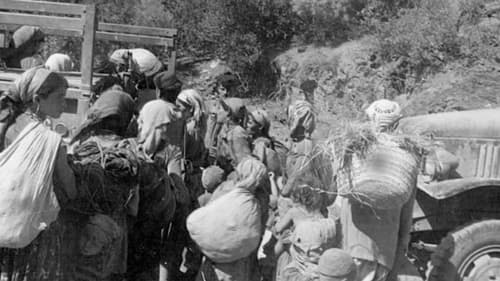
Directed by Pierre Clément and Djamel-Eddine Chanderli, produced by the FLN Information Service in 1958, this film is a rare document. Pierre Clément is considered one of the founders of Algerian cinema. In this film he shows images of Algerian refugee camps in Tunisia and their living conditions. A restored DVD version released in 2016, from the 35 mm original donated by Pierre Clément to the Contemporary International Documentation Library (BDIC).
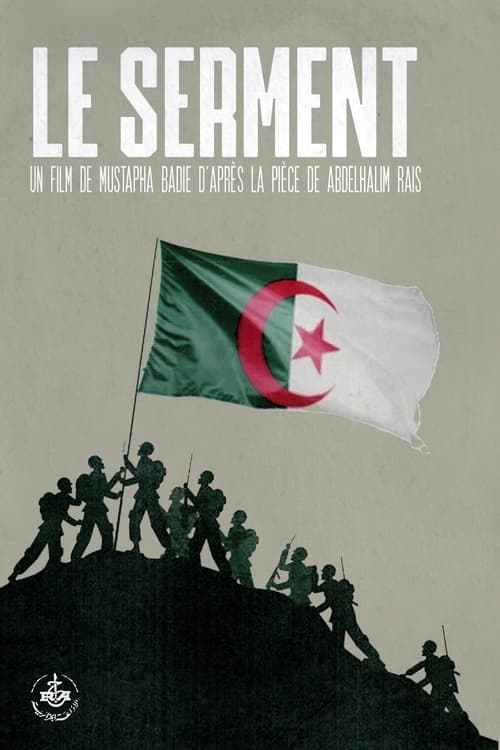
The Oath, a TV film produced by Algerian television in 1963 following the end of the war of independence, tells the story of young Algerians who joined the resistance after the bloody repressions of May 1945 in Constantinois by the French colonial army .
Nabila Djahnine, president of the feminist association Thirghri N'tmetout, died in hands of an armed group in Tizi Ouzou (Algeria) in 1995. The Islamists forced women, on pain of death, to wear the hijab or stop working. It was the first time a feminist woman paid with her life. Nabila wrote a letter to her sister Habiba in 1994. This documentary is her answer. In 2006 Habiba comes back to the place to restore her sister’s memory, her point of view, the day of her death and the political moment Algeria was going through at that time.
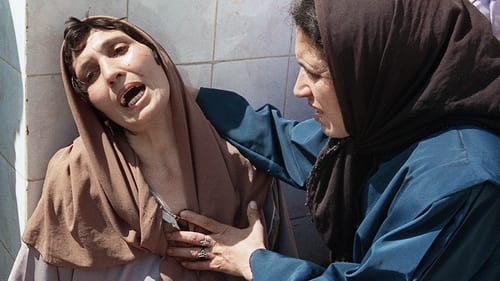
No description available for this movie.
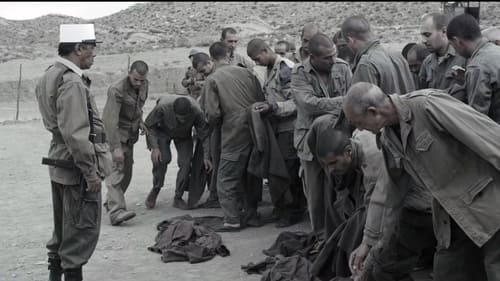
The city of Lambèse is the scene of torture, both physical and moral, for the resistance fighters of the Algerian War. In the form of a fictional account adapted from the novel "Le camp" by Abdelhamid Benzine, the conditions in the special camps of the colonial army, where we accompany a group of detainees, in their daily life animated by violence are depicted. are former Nazi officers, whose mission is to abandon all resistance, and all ideological faith, through humiliation and drudgery.

"Rupture is a look at a complex and little-known period in the recent history of Algeria, that of the thirties, a time when a political conscience was beginning to assert itself. I wanted to understand how and by what miracle, despite the small individual and collective revolts that had failed in the past, the unity of the Algerian people had been forged around the reconquest of independence. The main figures who worked, each in their own way, for this idea, are men who have always lived in the shadows and forgotten. And that's how I tried through this film to pay tribute to all those who gave up everything to dedicate themselves to a cause they considered just". Mohamed Chouikh

1516, Legend has it that the king of Algiers had a wife named Zaphira. When the pirate Aroudj Barbarossa arrives to liberate the city from the Spaniards, he is determined to conquer Zaphira as well as the kingdom itself. But is Zaphira willing to let him, or is she plotting for herself?

Composed of three parts, this montage film addresses all aspects relating to the role of women in Algerian society: their ambitions, the role of the State and the help of organizations that were created during the struggle for female emancipation. .
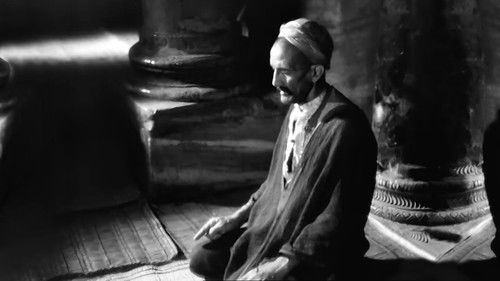
"Islam" by Georges Régnier (1949) is a documentary about Islamic art in Algeria, Tunisia, Morocco, and Spain. The documentary received a special mention at the Venice Film Festival in 1949. Georges Régnier, a French documentary filmmaker active in the post-war period, was interested in North African cultures and colonial issues. In this film, he traces the history of Islam and its architectural art across these regions, and describes the expansion of Islam from Arabia to the Maghreb and Andalusia, highlighting mosques, minarets, and palaces such as those in Kairouan, Algiers, and Marrakech, all accompanied by the sounds of the Arabic call to prayer.
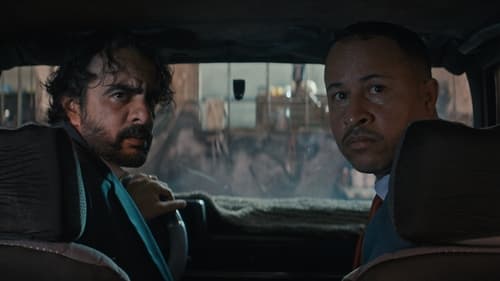
Longtime friends, Mehdi and Hamid, work for a collection agency. They crisscross the villages of southern Morocco in their old car and share double rooms in shabby hotels. They are exactly the same size, and wear the same suits and ties, as well as the same shoes. Paid nearly nothing, they try to play hard to make good figures. One day, in a gas station planted in the middle of the desert, a motorcycle parks in front of them. A man is handcuffed to the luggage rack, threatening. It’s the Evader. Their meeting marks the beginning of an unforeseen and mystical journey.

This film deals with the aftermath of the Algerian war of liberation. Georges Montero, an Algerian-born Frenchman, manages an olive canning factory in Oran. He travels to Paris for a cataract operation. Marinette, his sister, and Belka, his friend and a recent immigrant, want him to return to France permanently. Friction develops between the two friends as Georges is pressured to sell his factory. Friendship developed between Georges and his surgeon, who as a French Arab has severed ties with his culture and country of origin.
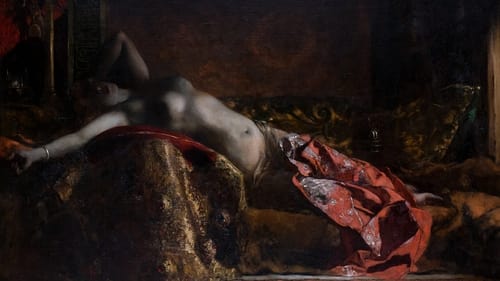
Orientalism is a literary and artistic movement born in Western Europe in the 18th century. Through its scale and popularity, throughout the 19th century, it marked the interest and curiosity of artists and writers for the countries of the West (the Maghreb) or the Levant (the Middle East). Orientalism was born from the fascination of the Ottoman Empire and followed its slow disintegration and the progression of European colonizations. This exotic trend is associated with all the artistic movements of the 19th century, academic, romantic, realistic or even impressionist. It is present in architecture, music, painting, literature, poetry... Picturesque aesthetics, confusing styles, civilizations and eras, orientalism has created numerous clichés and clichés that we still find today in literature or cinema.
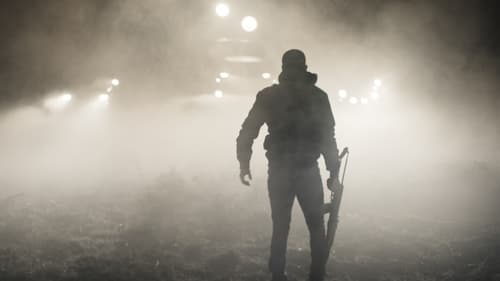
Karim, a student from Syria, lives peacefully in Hamburg with Lilly, his pregnant girlfriend. One day, he hears that his brother is imprisoned in the infamous jail in Aleppo. He leaves for Syria to find his brother.
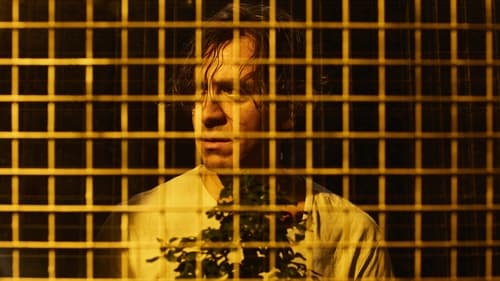
A homeless refugee looks for a fresh start at a European multinational temp agency - but they have very different plans for him.
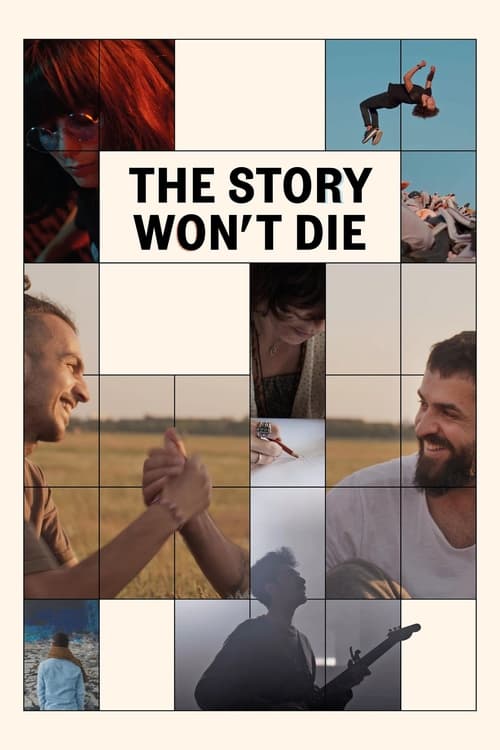
THE STORY WON’T DIE, from Award-winning filmmaker David Henry Gerson, is an inspiring, timely look at a young generation of Syrian artists who use their work to protest and process what is currently the world’s largest and longest ongoing displacement of people since WWII. The film is produced by Sundance Award-winner Odessa Rae (Navalny). Rapper Abu Hajar, together with other creative personalities of the Syrian uprising, a post-Rock musician (Anas Maghrebi), members of the first all-female Syrian rock band (Bahila Hijazi + Lynn Mayya), break-dancer (Bboy Shadow), choreographer (Medhat Aldaabal), and visual artists (Tammam Azzam, Omar Imam + Diala Brisly), use their art to rise in revolution and endure in exile in this new documentary reflecting on a battle for peace, justice and freedom of expression. It is an uplifting and humanizing look at what it means to be a refugee in today’s world and offers inspiring and hopeful vantages on a creative response to the chaos of war.

In 1880, in colonized Algeria, it was decided that the Algerian peasants of the Ouarsenis mountains would see their lands dispossessed in favor of the French colonists. Two methods were used to achieve this, either by sheer force or by a ploy forcing the fellahs to pay fines too high to be paid. The uprooted must then leave for the cities, swelling the mass of proletarians in the slums ...
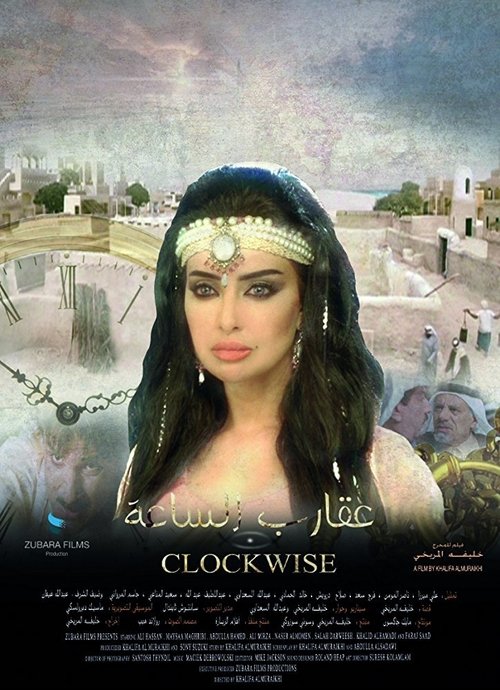
Thanks to the magical powers of an antique pocket watch, Saad relives a mysterious episode of his youth – a time during the 1930s when he nearly lost his father, but also found the love of his life. In recalling this period, ‘Clockwise’ relates the folktale of how fijiri, the entrancing music of Khaleeji pearl divers, came to be. Atique adopts Saad when they are the lone survivors of a tragic boat wreck, and the two lead a humble life in a village by the sea. One night, Atique happens upon a group of jinn as he seeks out the source of an enchanting melody in a nearby ruin; their leader, Adsaan, agrees to teach Atique this fijiri music, but only if he vows not to share it with anyone else. Adsaan’s one condition proves very challenging to Atique, who becomes eager to celebrate the art of fijiri with a wider audience. Saad, meanwhile, falls in love with Jeena, a renegade jinni who, as it turns out, just might hold the key to his father’s salvation.

No description available for this movie.

No description available for this movie.
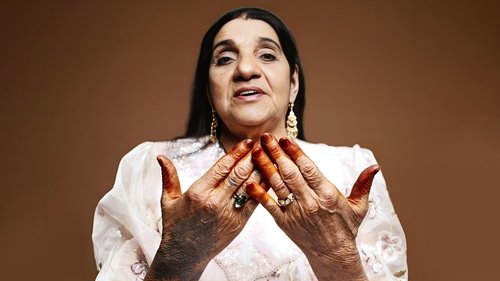
Raï Story is a musical journey in search of the Raï legend, Cheikha Remitti, in Oran, Algeria, where the Raï musical tradition began. In 1923, the first Raï singers performed behind screens during ceremonies to protect their identity. It was only when the music of singer Cheikha Remitti began to gain popularity among the general public that Raï music was made public, in the 1940s. Cheikha Remitti, who lives between Paris and Oran, is nowhere to be found, the filmmakers then decide to meet producers, musicians, singers like Cheba Dalila or Cheba Djenet, for whom Remitti created a wake. The opportunity, through these unique stories, illustrated with archive images, to retrace the important place of women in this musical tradition and the transformation of Raï music from the 1960s to 2000.