
Action
Adventure
Animation
Comedy
Crime
Documentary
Drama
Family
Fantasy
History
Horror
Music
Mystery
Romance
Science Fiction
Thriller
War
Western
Found 40 movies, 1 TV show, and 1 person
Can't find what you're looking for?
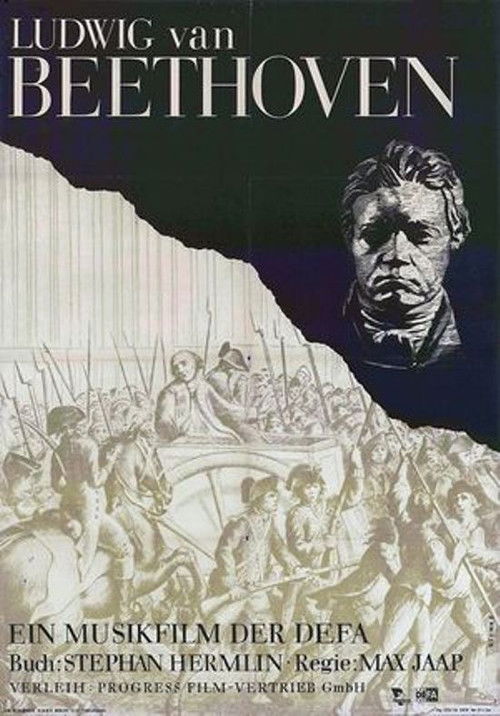
Documentary on the master composer, from a GDR point of view.
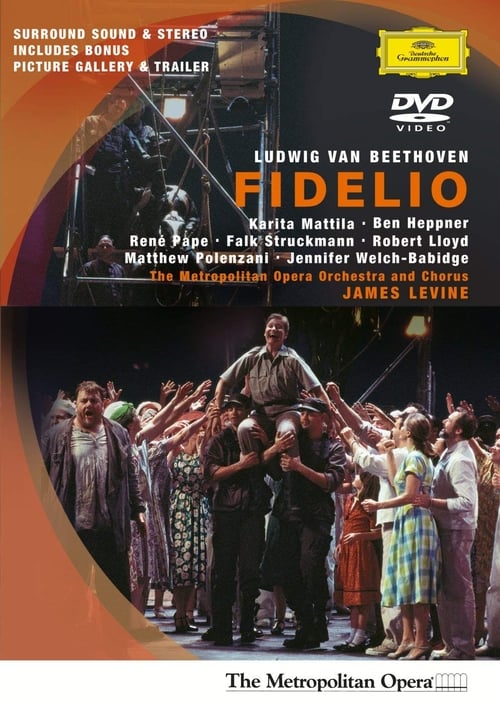
Two years prior to the opening scene, the nobleman Florestan has exposed or attempted to expose certain crimes of the nobleman Pizarro. In revenge, Pizarro has secretly imprisoned Florestan in the prison over which Pizarro is governor. The jailer of the prison, Rocco, has a daughter, Marzelline, and a servant (or assistant), Jaquino. Florestan’s wife, Leonore, came to Rocco’s door dressed as a boy seeking employment, and Rocco hired her. On orders, Rocco has been giving Florestan diminishing rations until he is nearly starved to death. Place: A Spanish state prison, a few miles from Seville; Time: Late 18th century.
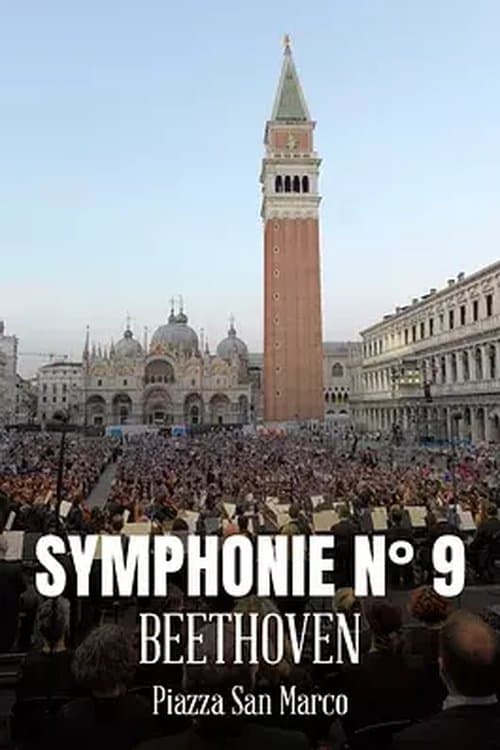
Juraj Valčuha conducts Beethoven's Symphony 9th.

No description available for this movie.
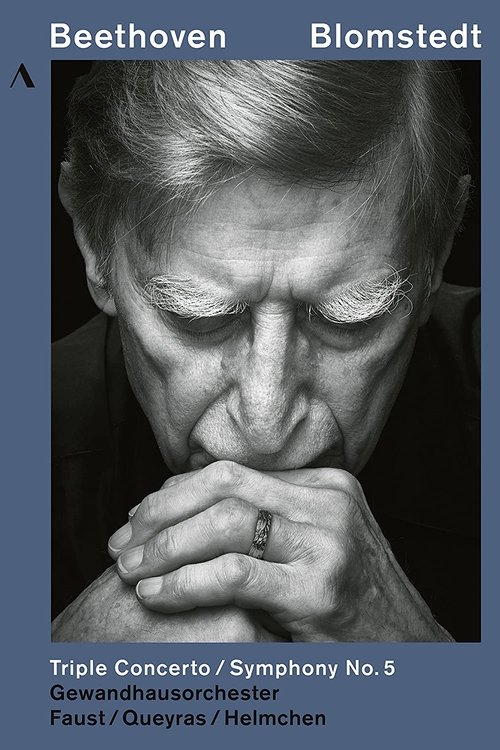
The Triple Concerto is one of Beethoven's less frequently performed works - probably also because it requires three soloists and makes considerable demands on them. ARTE presents the Concerto for Violin, Violoncello, Piano and Orchestra in C major at the Gewandhaus in Leipzig, performed by an excellent trio of soloists. It is accompanied by the Gewandhaus Orchestra under the direction of Herbert Blomstedt.
Known as much for the richness of his symphonies, concertos, sonatas and chamber music as he is for his personal struggles (including deafness), Ludwig van Beethoven is undoubtedly one of the most accomplished musicians of all time. As part of a comprehensive series of films celebrating the most influential European composers on record, this educational program is as much an introduction to Beethoven's works as it is a tribute to his genius.
No description available for this movie.
No description available for this movie.
No description available for this movie.
The film begins with a visualization of Beethoven's Piano Sonata No. 32 in C minor, Op. 111, and Wyborny nearly misses the first movement. Yes, the "savage and bare fire" (Kaiser) of this tempestuous last piece of Beethoven nearly tears him apart. He who, while the aggressive Allegro explodes (when the sonata has begun to spread out with a deliberately "false" address in the old French overture rhythm), gets wrapped up in every pause and every peak; he who absolutely wants to work on these dialectical poles of tension in the finest agogic gradations, to shape the contrasts of the tempo in an angular way, will be torn apart. Wyborny escapes from the abyss, Beethoven would have done the same in an emergency, improvising on his own. Many spectators probably did not notice the drama. Others noticed it, were shocked, pulled themselves together, took a breath - and then were overwhelmed by the ingenious solution.
No description available for this movie.
No description available for this movie.
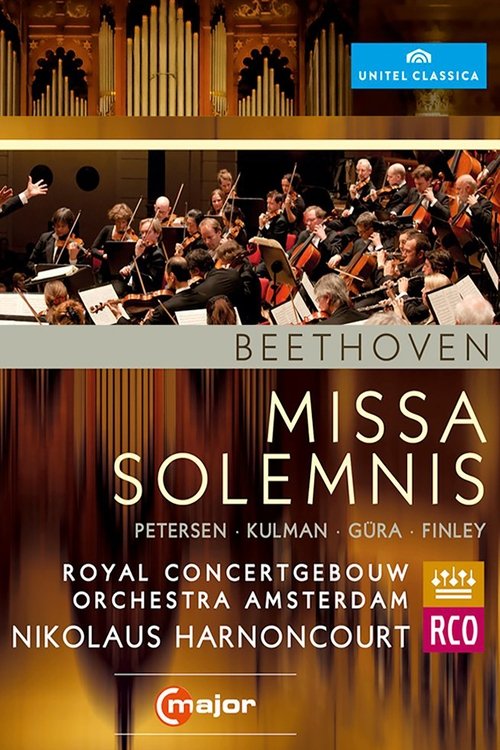
Ludwig van Beethoven (1770-1827) Missa solemnis, op. 123 Marlis Petersen Elisabeth Kulman Werner Gura Gerald Finley Orchestre Royal du Concertgebouw Amsterdam Nikolaus Harnoncourt

Originally aired as part of Beethoven’s 250th anniversary celebration, Johannes Vogel conducts the Synchron Stage Orchestra to perform Gustav Mahler's Orchestration of Symphony No. 9 in D Minor Op. 125 in this dramatic live concert stream. Recorded at the historical Synchron Stage in Vienna, experience the thrills and swells of the Synchron Stage Orchestra - 48 string, 17 woodwind, 14 brass, 4 percussion - comprised of Austria’s finest instrumentalists, alongside a choir of 39 sopranos, altos, tenors, and basses. Composed between 1822 and 1824 in Vienna, Symphony No. 9 in D Minor was Beethoven’s final completed symphony. The use of solo singers and a chorus in the final movement was revolutionary, and the emotional journey from the doubt and struggle to the glorious vision of a world of love and tolerance is regarded as one of the greatest and most heartfelt pieces in classical music.
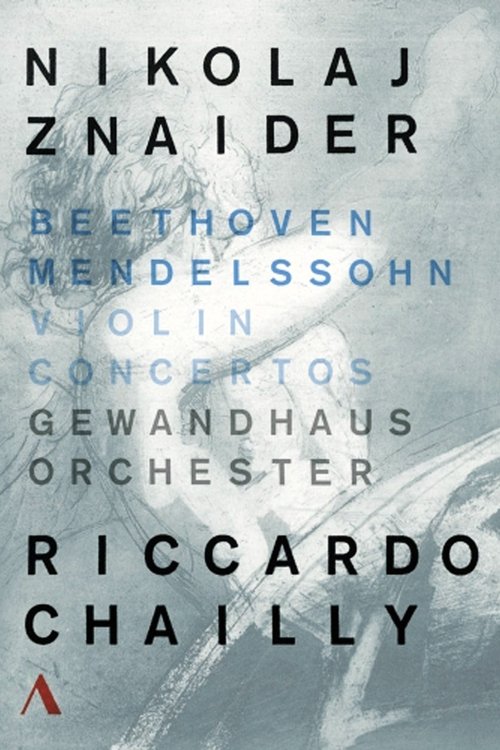
Felix Mendelssohn Concerto for Violin and Orchestra in E minor, Op. 64 Ludwig van Beethoven Concerto for Violin and Orchestra in D major, Op. 61 Nikolaj Znaider, violin Riccardo Chailly Gewandhausorchester Leipzig
A short film
"Ta-ta-ta-taaa" - everyone knows these four notes and they are more than 200 years old. This world-famous motif was invented by Ludwig van Beethoven - the rebel without a wig who ignored the laws of music, the world parade champion (more than 20 times in Vienna), the slob who dried his wet shirts on the piano, and an indomitable man who, despite being deaf, created music that today symbolizes the brotherhood of nations. Instead of working through the artist's biography, the program rummages through Beethoven's moving boxes and brings to light events, peculiarities and musical facts about the jubilarian Ludwig van Beethoven in a humorous and knowledgeable way. Excerpts from Beethoven's symphonies show the picture of a composer between the classical and romantic periods, who mastered folkloristic, dance-like lightness as well as depictions of nature, grand symphonies and themes with catchy tunes.

No description available for this movie.
No description available for this movie.
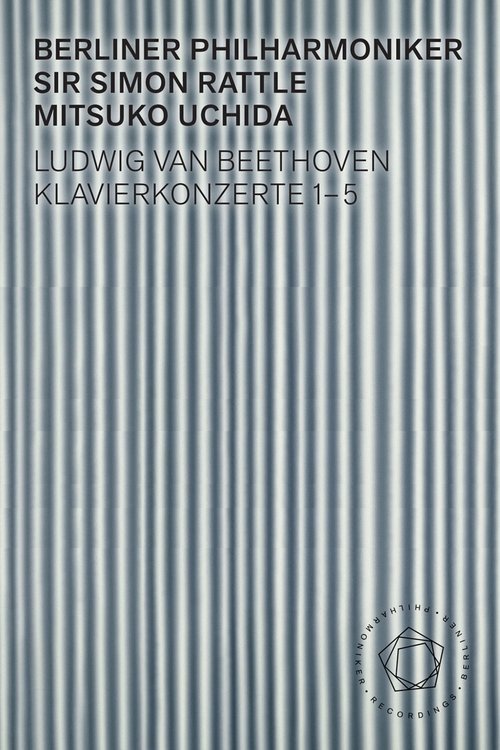
One of the highlights of Simon Rattle’s 16-year tenure as chief conductor of the Berlin Philharmonic was his final cycle of the Beethoven symphonies (BPHR160091), a set that rightly walked off with the 2016 Limelight Orchestral Recording of the Year. Now that he has moved to London, as a more than worthy pendant, the BPO has released a compelling set of the Beethoven piano concertos from 2010 with Mitsuko Uchida, a cycle that possesses all the advantages of live performance with, as far as I can hear, none of the drawbacks.
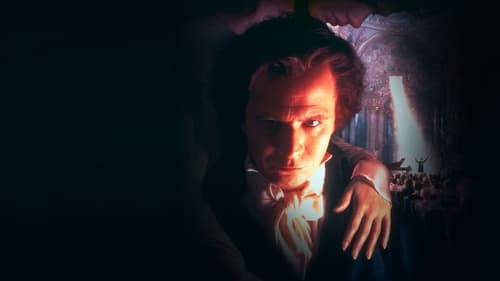
A chronicle of the life of infamous classical composer Ludwig van Beethoven and his painful struggle with hearing loss. Following Beethoven's death in 1827, his assistant, Schindler, searches for an elusive woman referred to in the composer's love letters as "immortal beloved." As Schindler solves the mystery, a series of flashbacks reveal Beethoven's transformation from passionate young man to troubled musical genius.
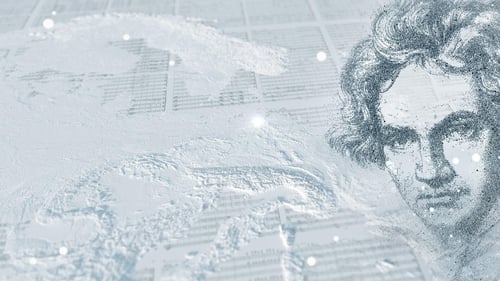
"What would the world be like without Beethoven?" That’s the provocative question posed by this music documentary from Deutsche Welle. To answer it, the film explores how Ludwig van Beethoven's innovations continue to have an impact far beyond the boundaries of classical music, 250 years after his birth.
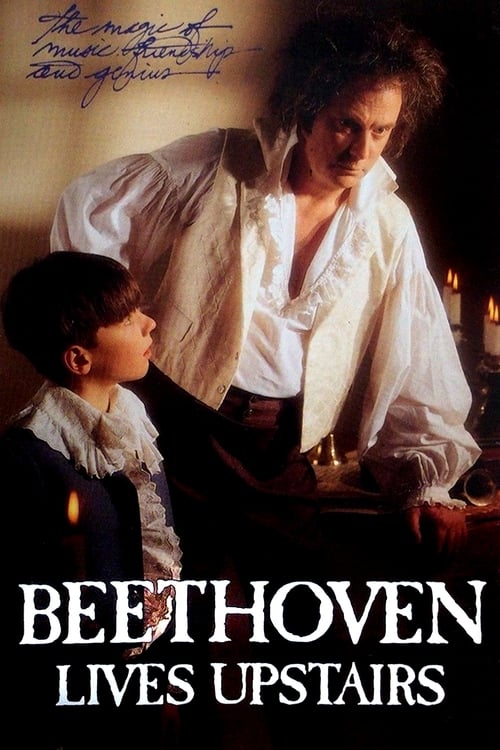
When his mother rents their vacant room to a peculiar composer, Christoph can't believe his bad luck. But as the abrasive boarder, Ludwig Van Beethoven, begins creating his masterful 9th Symphony, Christoph is won over by the majesty of his music. This lighthearted family drama was awarded the 1993 Emmy for Outstanding Children's Program.
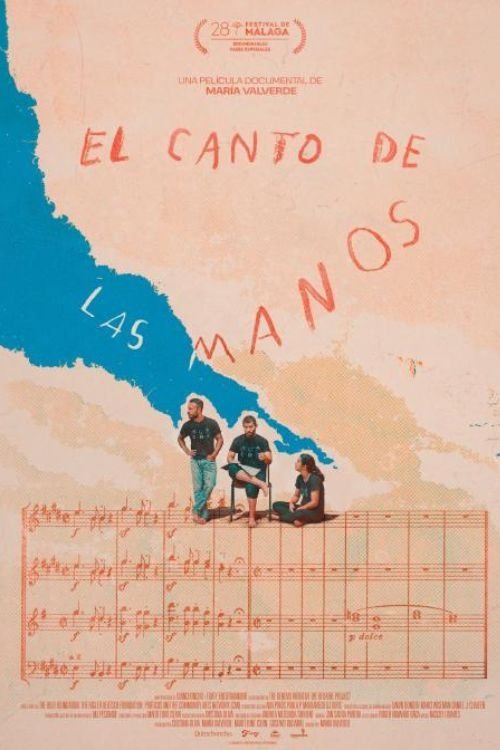
This film takes you through the inspiring journey of Venezuela's Coro de Manos Blancas (White Hands Choir) while exploring their daily struggles and lives. Established in 1995 as part of Venezuela's El Sistema program, the White Hands Choir provides artistic opportunities for children, youth, and adults with disabilities, utilizing music for social development and inclusion.
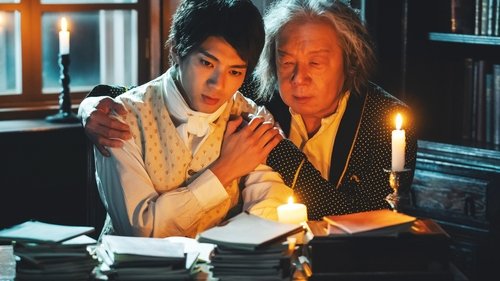
Beethoven was a musician who overcame an incurable deafness disease and left behind many masterpieces. However, in reality, he was a vulgar and dirty old man. This film depicts the story of Schindler, the secretary who "fabricated" the sublime image of Beethoven that is conveyed to the public. Driven by a sense of mission to absolutely protect Beethoven, who saved him from rock bottom, Schindler changes Beethoven's image after his death from a "vulgar and dirty old man" to a "sacred and genius musician."

Filmed in Austria for the hundredth anniversary of Beethoven's death, this 1927 silent film tells the story of the German genius' eventful emotional life. Presented in a restored version and with rearranged music, a biopic to be savored with ears wide open.
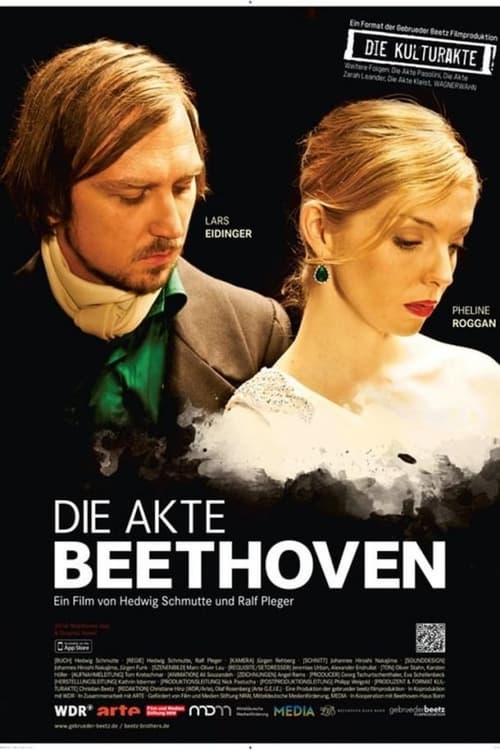
In a mixture of feature film, music documentary and animated comics, historical facts are retold, analyzed and interpreted in modern settings. Ludwig van Beethoven, played by Lars Eidinger, becomes a contemporary of today's audience. Quick-tempered, irascible, curmudgeonly - that is the common image of Ludwig van Beethoven, the composer with the wild lion's mane. But there is also another Beethoven - young, seductive, spirited and, above all, combative.
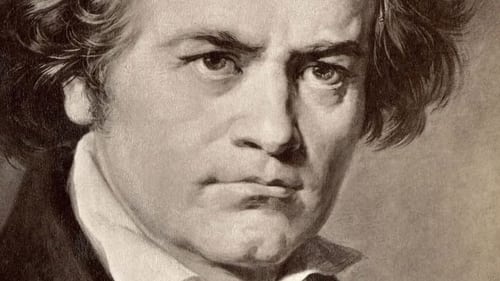
To mark Beethoven's 250th birthday, the documentary sheds light on the composer's private side, linking his writings with his music in an original way. Beethoven's many letters and notes tell of his temperament, his love affairs, his humanism and his struggles, especially with the early onset of deafness.

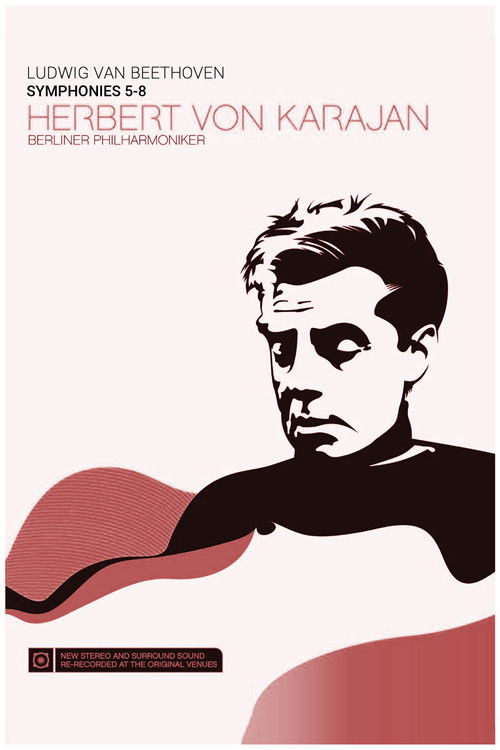
Recording of the Berlin Philharmonic Orchestra conducted by Herbert von Karajan playing Beethoven's 7th Symphony.

After the experience in the War of Independence, Luka Gavez returns to his old job, reselling works of art and antiques. He is very successful in these actions, collaborating with a retired actress. However, when given the opportunity for a “big hit”, Luka does not resist the temptation.
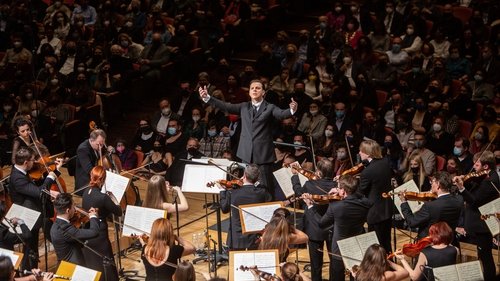
Ludwig van Beethoven headed for Symphony No. 9 literally his entire life. As early as the 1790s, he had an eye on Ode to Joy, perhaps the most well-known poem by Friedrich Schiller, written on the threshold of the French Revolution (1786). In his mature and, in particular, later years, the deaf composer with an acute ‘hearing vision’ increasingly distanced himself from conventional forms and genres and wrote parts beyond the possibilities of instruments of his day. He nurtured the idea of a symphony with a choir for at least several years. The history of the Ninth’s interpretations includes 200 years of staggering revelations and lingering stagnation. Performed by the musicAeterna orchestra, choir, and guest soloists under the baton of Teodor Currentzis, Beethoven’s opus magnum acquires the original poignancy and energy of a recent discovery.

Beethoven’s only opera is a masterpiece, an uplifting story of risk and triumph. In this new production, conducted by Antonio Pappano, Jonas Kaufmann plays the political prisoner Florestan, and Lise Davidsen his wife Leonore (disguised as ‘Fidelio’) who daringly sets out to rescue him. Set in strong counterpoint are the ingredients of domestic intrigue, determined love and the cruelty of an oppressive regime. The music is transcendent throughout and includes the famous Act I Quartet, the Prisoners’ Chorus and Florestan’s impassioned Act II cry in the darkness and vision of hope. Tobias Kratzer’s new staging brings together the dark reality of the French Revolutionary ‘Terror’ and our own time to illuminate Fidelio’s inspiring message of shared humanity.

Can a work of art remain relevant 200 years after its creation? Ludwig van Beethoven’s last completed symphony proves it’s possible.
No description available for this movie.
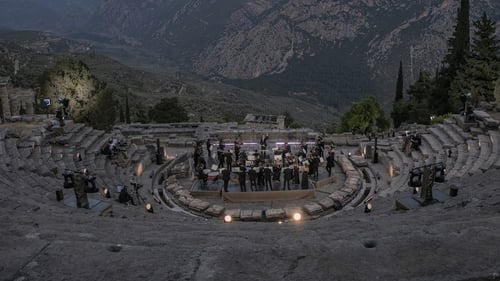
In the ancient theater of Delphi, against the backdrop of the ruins of the Temple of Apollo, musicAeterna, conducted by Teodor Currentzis, performs Ludwig van Beethoven’s 7th Symphony, in conjunction with a new choreography by Sasha Waltz and her company.
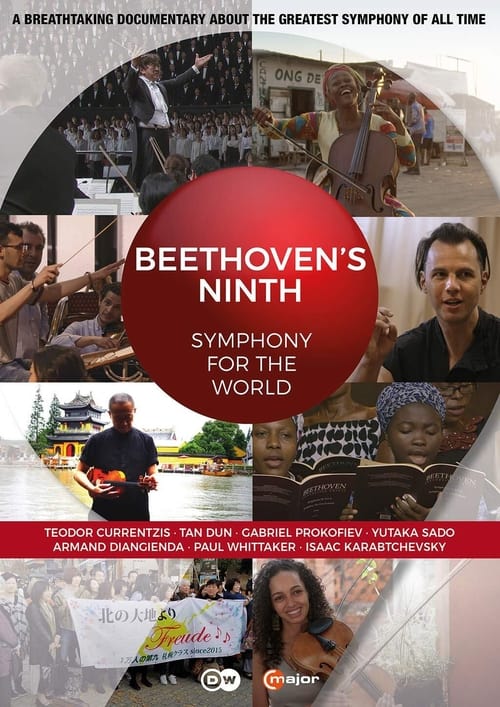
The 9th Symphony of Ludwig van Beethoven is one of the most popular pieces of classical music in the world. Even those who are not passionate about the classical music recognize the famous Ode to Joy. Despite the grim context in which it was created, the 9th Symphony leaves us fascinated, moved and uplifted by its creativity, its power and its culmination in the Ode to Joy. More than 160 years after it was written, Beethoven’s hymn to brotherhood was adopted by the European Union as its official anthem. But Beethoven’s Ninth is also met with enthusiasm far beyond the borders of Europe. What’s the explanation for its never ending success? What is it about this work of art that fascinates people all over the world?
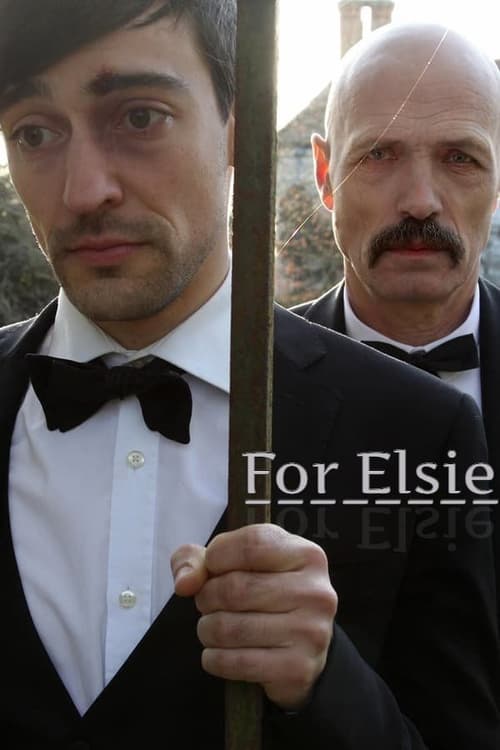
Glenn is a disillusioned piano teacher, who once aspired to be a concert pianist. He is moving back to his parents house and is on the brink of giving up the piano for good when Kilov, a Russian gangster, offers him a unique opportunity: £10,000 if Glenn teaches his daughter Beethoven's "Fur Elise"... in a day.
No description available for this movie.

Walt Disney's timeless masterpiece is an extravaganza of sight and sound! See the music come to life, hear the pictures burst into song and experience the excitement that is Fantasia over and over again.
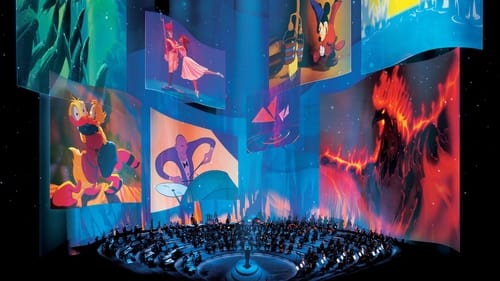
Blending lively music and brilliant animation, this sequel to the original 'Fantasia' restores 'The Sorcerer's Apprentice' and adds seven new shorts.