
Action
Adventure
Animation
Comedy
Crime
Documentary
Drama
Family
Fantasy
History
Horror
Music
Mystery
Romance
Science Fiction
Thriller
War
Western
Found 14 movies, 0 TV shows, and 0 people
Can't find what you're looking for?
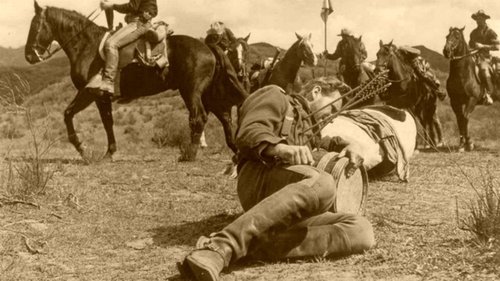
Two cavalry officers (Lloyd Bridges, John Ireland) lead a patrol to warn Gen. Custer about an ambush.
Custer’s Last Stand. Sitting Bull Wins. Recorded in South Dakota.
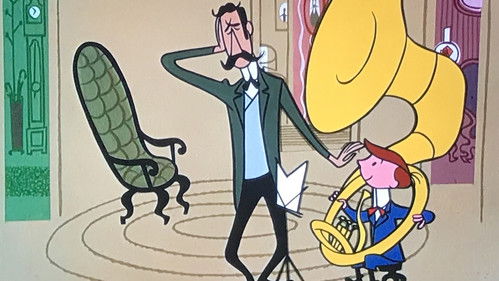
Ollie loves to play the tuba but his playing upsets all the people in town. He goes to the country and disrupts the milking habits of the cows. He finally takes a boat and practices at sea in order not to disturb anyone. His tuba-playing saves a ship from going on the rocks and he becomes a town hero.
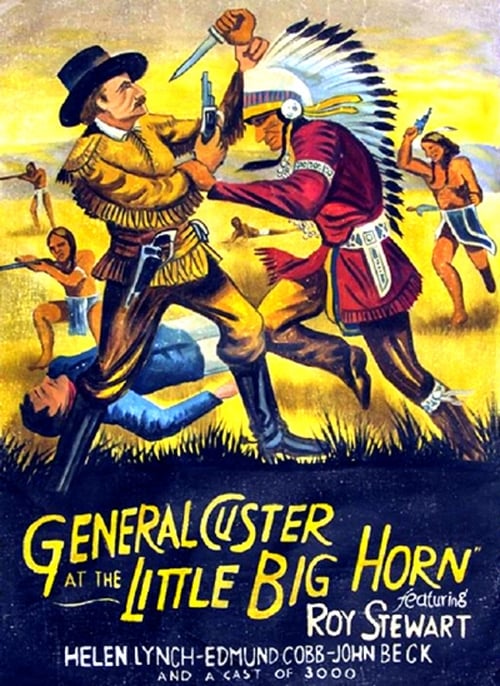
One of the bloodiest battles in American history is brought to life in this rarely-seen silent blockbuster. Over 3,000 extras were employed to recreate General George Custer's last stand against the Indian forces led by Crazy Horse.
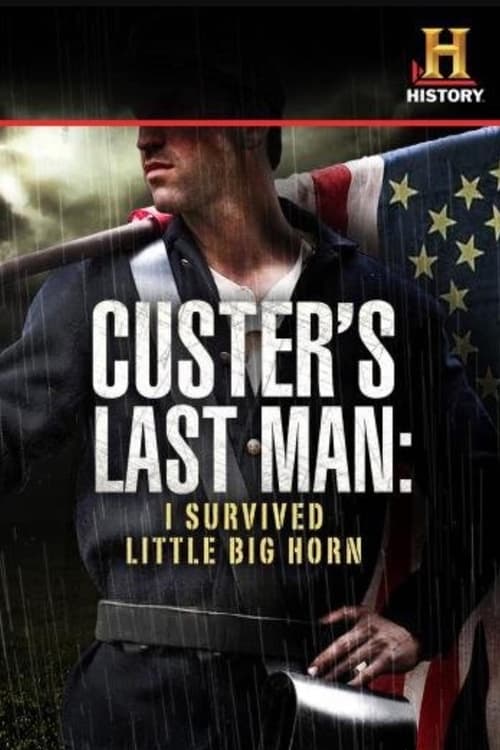
The most iconic battle in American History is looked at from the point of view of a man who may actually have survived the Battle of Little Big Horn. George Armstrong Custer and over 200 of his soldiers were wiped out by Plains Indians on June 25, 1876, but is it possible that one man, alone, lived to tell the tale? How did he survive? Why did he never come forward? And most important of all, is it true? The amazing tale of Frank Finkel is an epic story of struggle, perseverance, and survival and will shed new light on this historic moment.
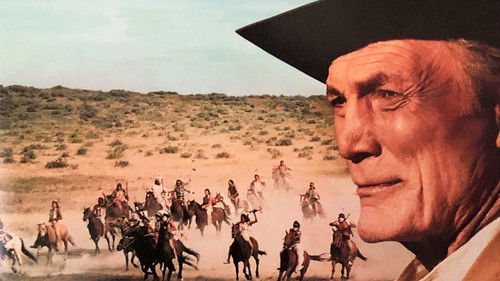
Host Jack Palance explores how Hollywood has depicted Western legends like George Armstrong Custer, Billy the Kid, Crazy Horse and the O.K. Corral
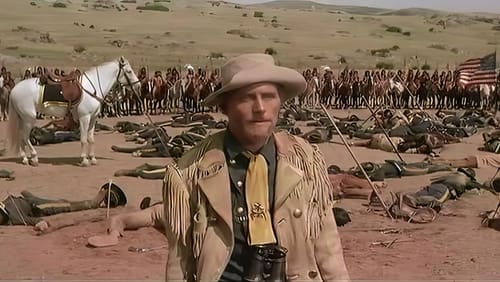
The story of U.S. Army commander George Armstrong Custer, a flamboyant hero of the Civil War who later fought and was exterminated with his entire command by warring Sioux and Cheyenne tribes at the battle of Little Big Horn in 1876.
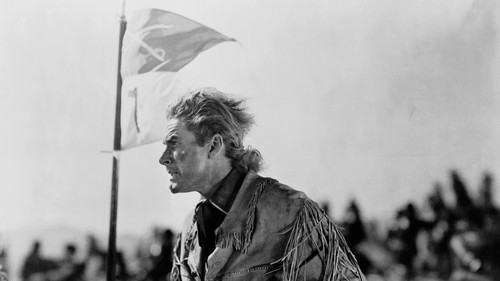
The story follows General George Armstrong Custer's adventures from his West Point days to his death. He defies orders during the Civil War, trains the 7th Cavalry, appeases Chief Crazy Horse and later engages in bloody battle with the Sioux nation.
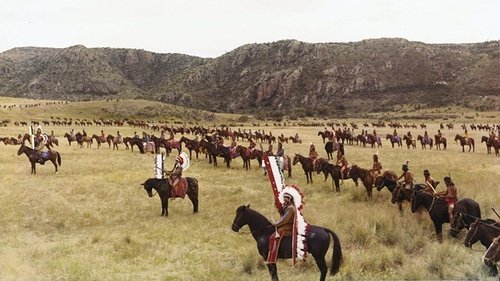
Though a fictionalized Western based on George Armstrong Custer's 7th Cavalry Regiment at the Battle of the Little Big Horn, the film is almost a generic war story covering the enlistment, training, and operational deployment of a group of recruits that could take place in any time period.
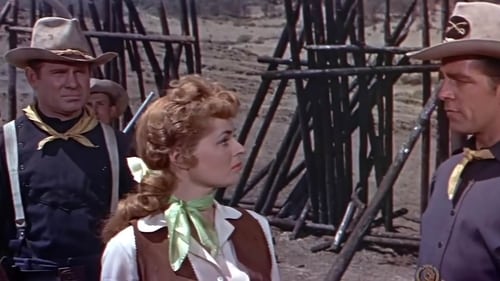
Chief Sitting Bull of the Sioux tribe is forced by the Indian-hating General Custer to react with violence, resulting in the famous Last Stand at Little Bighorn. Parrish, a friend to the Sioux, tries to prevent the bloodshed, but is court- martialed for "collaborating" with the enemy. Sitting Bull, however, manages to intercede with President Grant on Parrish's behalf.
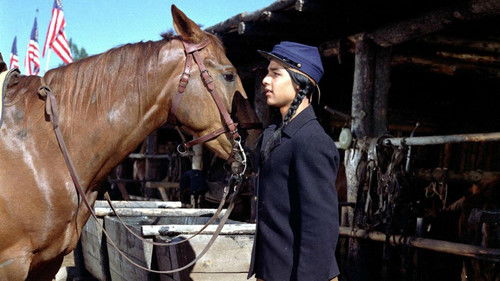
Young Indian brave White Bull captures and tames a wild stallion and names him Tonka. But when White Bull's cruel cousin claims Tonka for his own and mistreats the horse, White Bull sets him free. Tonka finally finds a home with Capt. Keogh and the 7th Calvary, and in 1876, rides into the Battle of Little Big Horn with General Armstrong Custer, becoming its only survivor.
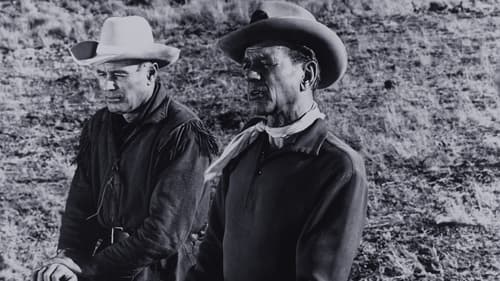
Colonel Custer, an outspoken believer in fair treatment for the Indians, is ousted from his post and forced into retirement. Fueled by ambition when a Senator Blaine convinces him to run for President, Custer decides to upstage General Terry at Little Big Horn.
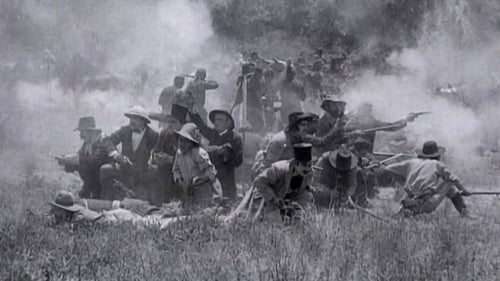
The story of the massacre of an Indian village, and the ensuing retaliation.
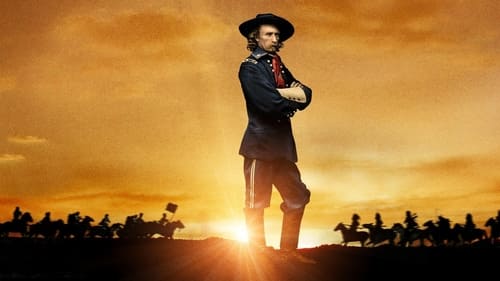
Follow General George Armstrong Custer from his memorable, wild charge at Gettysburg to his lonely, untimely death on the windswept Plains of the West. On June 26, 1876, Custer, a reputation for fearless and often reckless courage ordered his soldiers to drive back a large army of Lakota and Cheyenne warriors. By day's end, Custer and nearly a third of his army were dead.