
Action
Adventure
Animation
Comedy
Crime
Documentary
Drama
Family
Fantasy
History
Horror
Music
Mystery
Romance
Science Fiction
Thriller
War
Western
Found 42 movies, 8 TV shows, and 5 people
Can't find what you're looking for?

During the last weeks of Muammar al-Gaddafi's regime, Fritz Ofner embarked on a road trip through the Libya that is usually left out of the TV sensational pictures.

From Tripoli to Benghazi, meet a grandmother sowing the national flag with relish, a young woman determined to become a film director, a fisherman philosopher, illegal migrants caught in limbo in a detention center, a group of young filmmakers trying to fund their fiction film and many others. A collection of brief insights into the lives of people trying to find normality in a world of chaos.
Libyan documentary.

American correspondent Mike Malone uncovers a Nazi plot for an uprising of the Arab tribes in Lybia. Pursued by Sheik David and his men, Mike takes refuge in the suite of Nancy Brooks, who is in the British Intelligence. He asks her to hide a gun and escapes through a window. Reporting the affair to British Consul Herbert Forbes, the latter tries to discourage him from further investigation, as the British are aware of the plot and are planning on staging a coup. He goes with Mike to Nancy's apartment, and she denies having ever seen him before. Sheik Ibrahim, next in command of the Arab tribe to Sheik David, is plotting with Nazi agent Yussof Streyer to kill David who is friendly with the British. Mike and Nancy have gone to David's camp, escape from Ibrahim's henchmen, and get back to El Moktar before the Arabs attack the garrison.
A short wartime propaganda film documenting the initial progress of the AIF 6th Division during the Western Desert Campaign of WWII. The film records the rapid allied advance across the desert before the fall of Bardia. Released as a "newsreel scoop", it was heavily cut down beforehand as the government prioritised fast-paced propaganda over Hurley's cinematic approach. Some of this cut footage was later distributed into global newsreels, such as British Pathé's "Rapid Advance in Libya".
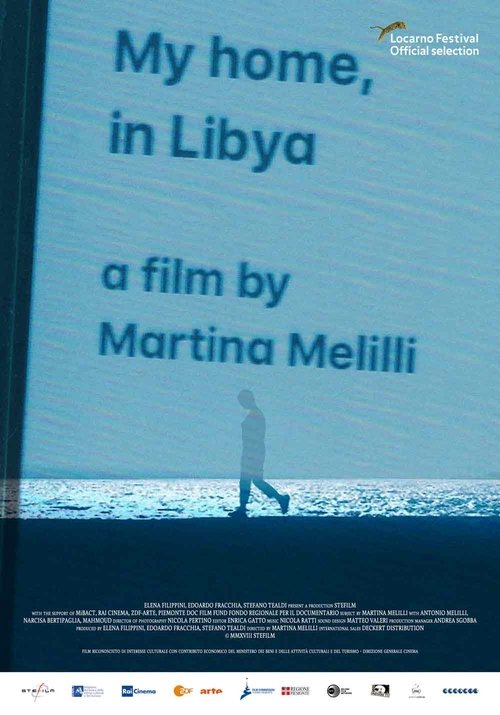
Filming in her grandparents’ home near Padova in Italy, the director identifies a map of places belonging to their past. Antonio was born in Libya when it was an Italian colony, and he lived in Tripoli where he married Narcisa. They were suddenly forced to leave the country in 1970 just after Gaddafi’s coup. With the help of a young Libyan contacted on social media, Martina collects images of her grandparents’ “hometown” today. As they exchange pictures and chats, their relationship grows, the web allowing them to slowly overcome the physical and cultural boundaries that separate their lives, bringing the audience into a world the media has no access to.
Documentary about the life of activist Dariush who used to rescue refugees at sea.
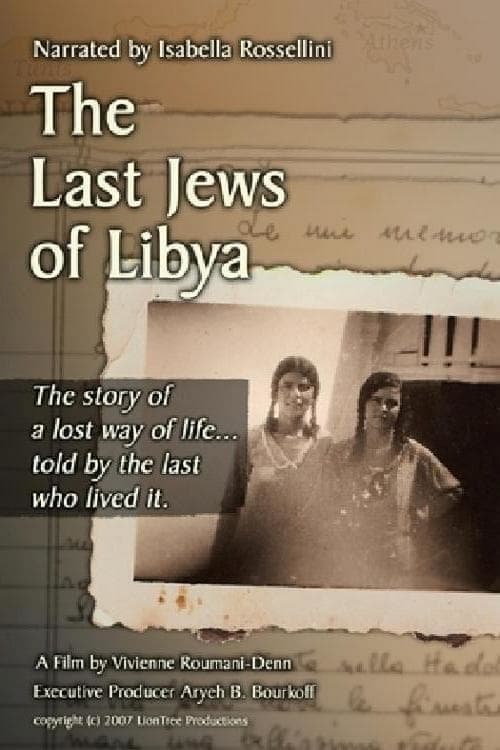
Isabella Rossellini narrates this memoir of the Sephardic Jewish population in North African prior to WWII.
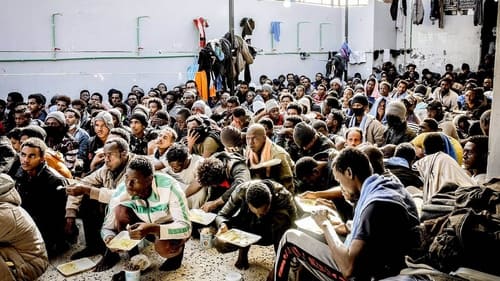
No description available for this movie.
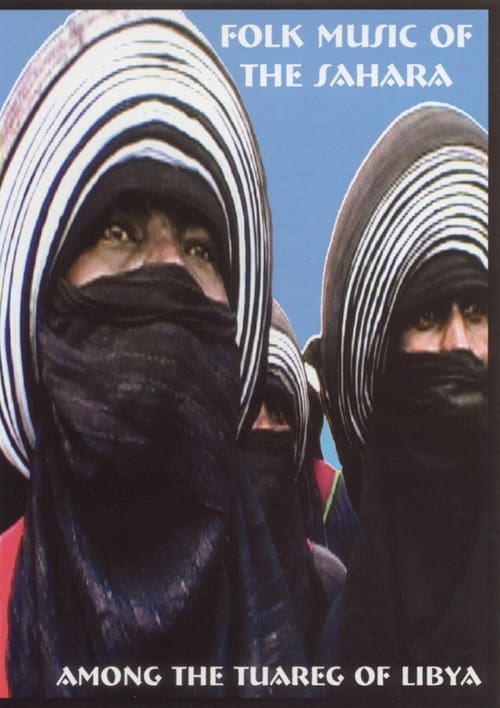
Folk music of the Sahara is an intoxicating experience of sight and sound captured among the Tuareg and Libyan people of North Central Africa. Filmed from the perspective of actually being one of the performers, this mind-blowing IN YOUR FACE document captures the spirit of Libyan folklore and the essence of emotion armed with pounding rhythms and wailing vocal choruses. Both men and women are featured here equally as overseers of the hybrid forms of expression where central African traditions collide with the tones and colors of the Arab world creating one of the most unique overviews of Saharan folk music ensemble and dance the outside world has ever witnessed. The diversity of faces is extraordinary, every costume is stunning, and the women are among the most beautiful on earth.
Ross travels to North Africa as he investigates the arduous journeys taken by those desperate to leave Libya for Europe.

No description available for this movie.
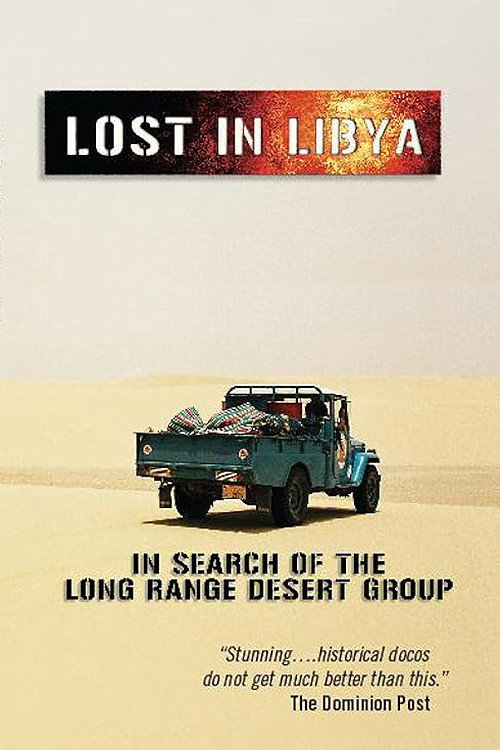
1941: Deep behind enemy lines in the blistering heat of the Sahara, a Kiwi unit of the elite Long Range Desert Group (LRDG) is ambushed by an Italian patrol in the remote valley of Gebel Sherif. In the battle that follows one of their tight-knit unit is killed, four go missing and three of their valuable trucks are left burnt out wrecks. Join three History Hunters on a Libyan Safari as they trek deep into the Sahara Desert in search of the last remaining evidence of the famous Long Range Desert Group.
In the shadow of an anonymous rooms, somewhere in Tunis, a man - Yasine - painfully utters fragments of words. Words that speak about an ancient, shameful, overwhelming wound: a rape, committed by khadafist soldiers during the 2011 war. Through his words, and those of other men who finally dare to speak after seven years of silence, the extent of and unspeakable crime - mass male rape - gradually resurfaces.

On 6 November 2017, a rescue vessel operated by the NGO Sea Watch (SW) and a patrol vessel of the Libyan coastguard were both en route towards a migrants’ boat, in distress in international waters. The boat, a few hours out of Tripoli, was carrying between 130 and 150 passengers. A confrontational rescue operation ensued, and while SW was able to rescue fifty-nine passengers, bringing them to safety in Italy, at least twenty died before or during the incident, while forty-seven passengers were ultimately ‘pulled back’ to Libya, where several faced grave human rights violations – including being detained, beaten, and sold to another captor who tortured them to extract ransom from their families. -FA
When the Libyan coastguard interrupted a rescue operation by the NGO Sea Watch, at least twenty migrants lost their lives, and more were "pulled back" to inhumane detention in Libya. Forensic Oceanography shone a light on the practices of a coastguard funded and trained by the Italian government.

No description available for this movie.
Beyond the hostilities of the Libyan civil upheaval rose one of the most compelling expressions of the Arab awakening: an unarmed front. For a full year we follow the peaceful battle that began during the first days of the uprising. We see artists, intellectuals, ex-military, and young Libyans who sought to lead a different kind of revolution, one of ideas. Beyond the Frontline is an intimate and humane story. It explores the contradictions that coexist within Libyan society, in their struggle for justice and liberty.
An American Ambassador is killed during an attack at a U.S. compound in Libya as a security team struggles to make sense out of the chaos.

In response to political pressure from Senator Lillian DeHaven, the U.S. Navy begins a program that would allow for the eventual integration of women into its combat services. The program begins with a single trial candidate, Lieutenant Jordan O'Neil, who is chosen specifically for her femininity. O'Neil enters the grueling Navy SEAL training program under the command of Master Chief John James Urgayle, who unfairly pushes O'Neil until her determination wins his respect.

Noah, who grew up believing he’s Gaddafi’s secret son, is now a treasure hunter obsessed with finding the Libyan leader’s lost gold, scattered across the Sahel after his death. To reach it, he teams up with Zoulika—formerly Louise—an endearing, unpredictable firebrand freshly out of civic reintegration camp. Their cover: joining forces with Ryan, a 52-year-old conservative, visually impaired late bloomer determined to run the legendary Marathon des Sables. Noah wants his father’s gold, Zoulika wants to slip across the border, and Ryan wants to fulfill a childhood dream. Off they go, heading straight into the Sahel.
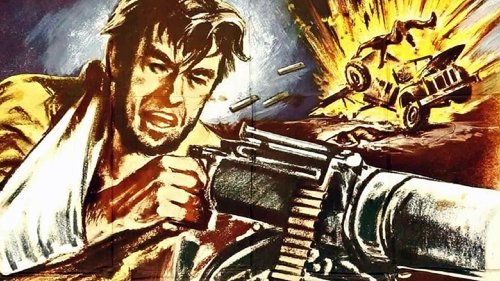
A small British army team is sent deep behind enemy lines to destroy a German petrol dump as part of the preparation for a major attack in the North African campaign. Sea of Sand was distributed in the US in a shortened version, Desert Patrol.

In the near future, a Navy SEAL framed for war crimes is offered a chance for freedom by participating in a TV show that requires him to outwit other professional killers to survive.
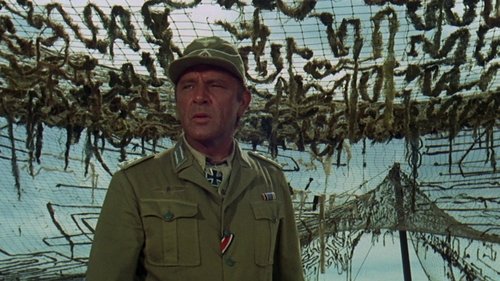
Captain Foster plans on raiding German-occupied Tobruk with hand- picked commandos, but a mixup leaves him with a medical unit led by a Quaker conscientious objector.
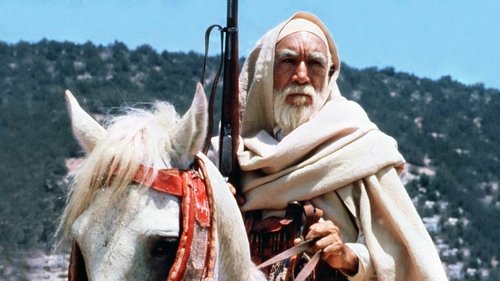
Resistance leader Omar Mukhtar opposes Italian colonization before World War II. The brutal guerrilla war against Italian General Rodolfo Graziani and the Fascist forces of Benito Mussolini highlights the struggle for Libyan independence and the harsh tactics utilised by the colonisers.
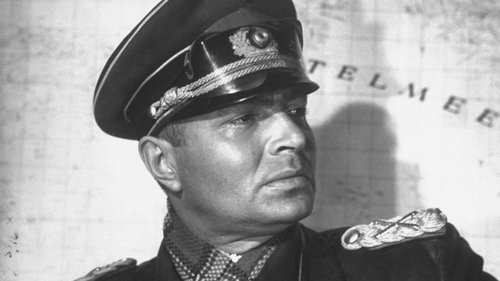
The life and career of Erwin Rommel and his involvement in the plot to assassinate Hitler.

An ordinary Libyan citizen tries to cope with different ideologies by changing the way he dresses. The Random examines post-revolution Libyian society and the way individuals try to uphold their opinions by force.

North Africa, World War II. British soldiers on the brink of collapse push beyond endurance to struggle up a brutal incline. It's not a military objective. It's The Hill, a manmade instrument of torture, a tower of sand seared by a white-hot sun. And the troops' tormentors are not the enemy, but their own comrades-at-arms.
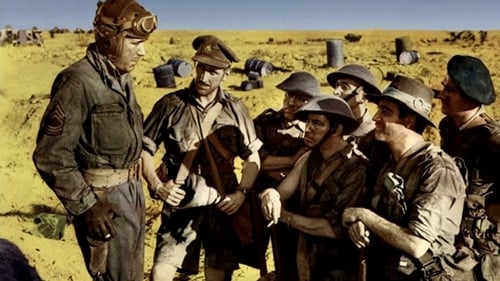
In Libya, an American tank commander, along with a handful of Allied soldiers, tries to defend an isolated well with a limited supply of water from a German Afrika Korps battalion during the Western Desert Campaign of World War II.
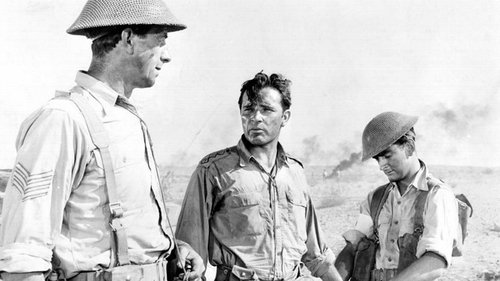
In North Africa, German Field Marshal Rommel and his troops have successfully fended off British forces, and now intend to take Tobruk, an important port city. A ramshackle group of Australian reinforcements sent to combat the Germans is put under the command of British Captain MacRoberts. The unruly Aussies immediately clash with MacRoberts, a gruff, strict disciplinarian, however this unorthodox team must band together to protect Tobruk from the German forces.
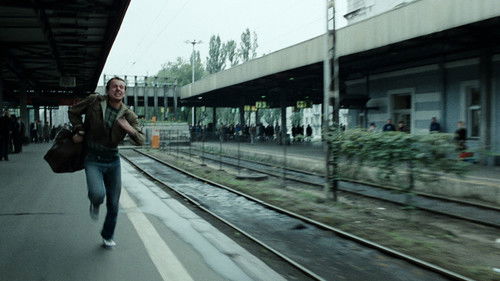
Witek runs after a train. Three variations follow on how such a seemingly banal incident could influence the rest of Witek's life.

During the second world war, two British officers, Brand and Leith, who have never seen combat, are assigned a vital mission. Their relationship and the operation are complicated by the arrival of Brand's wife, who had a tryst with Leith years earlier.
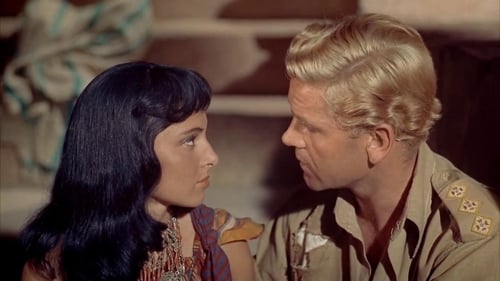
During the British retreat through Libya, a British officer takes shelter with a group of Arab Bedouin. He marries the chief's daughter. Sometime later, his younger brother, who had believed him to be dead, is informed that he may be alive in Libya - prompting him to set out and search for him.
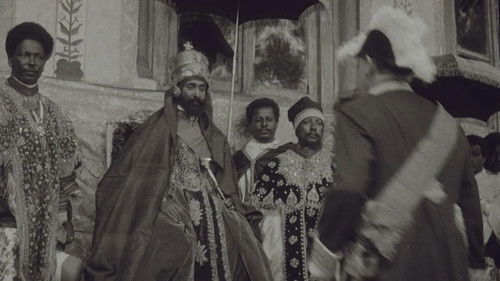
By means of a chronological arrangement of historical video material from the Istituto Luce archives, it tells the story of Fascist Italy's ambitions in Africa and the role they played in shaping fascist ideology and the stance of the fascist regime in the Western world at the height of the age of colonialism and aggressive European expansionism.
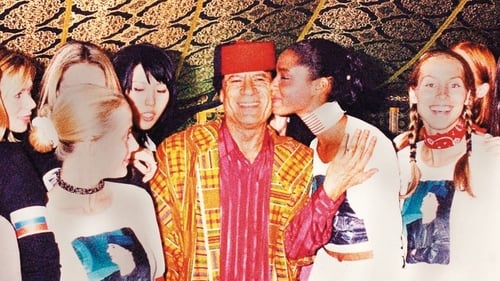
BEAUTY WILL SAVE THE WORLD charts the journey of 19 year old Tecca Zendik, a contestant in the Miss Net World contest, Libya's first every beauty competition. Colonel Muammar Qaddafi hosts this competition and the film includes extraordinary footage of the Colonel. Tecca's story reveals an incredible conclusion no-one could have guessed when private jests transported the beauties to the country feared by the West in the 1980's.
No description available for this movie.

A democracy and a dictatorship. A presidential campaign and dirty money. War and death. When Nicolas Sarkozy affirmed in the press that “No one can make sense of it”, he was trying to discredit the investigation into his ties with Muammar Gaddafi, portraying it as a bunch of gibberish. As Sarkozy and his many accomplices go on trial in the Libyan campaign financing affair, here’s the film that will finally explain all of the ins and outs of one of the most remarkable French political scandals in decades.
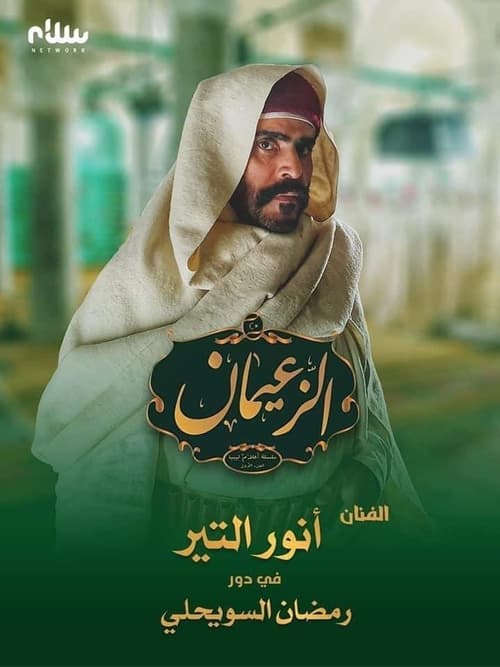
Al-Baroni's film deals with part of the life of the well-known Libyan freedom fighter (Suleiman Pasha Al-Baroni), better known as "The Leader", who was born in 1870 in the city of Kabao in the Nafusa Mountains of Libya. He was famous for combining science, religion, politics, poetry and literature, so he became one of the most important freedom fighters in the history of Libya. Libya and contributed to the establishment of the first Arab republic, the Tripolitan Republic, which he participated in establishing in 1918. He was one of the first fighters against the Italian occupation, who confronted him with politics and weapons. He paid a high price for his struggle and was exiled outside his homeland until he passed away in 1940 in Muscat, Oman.

Lisa Spinelli is a Staten Island teacher who is unusually devoted to her students. When she discovers one of her five-year-olds is a prodigy, she becomes fascinated with the boy, ultimately risking her family and freedom to nurture his talent.
No description available for this movie.

Two women on a road trip to Vegas get kidnapped.
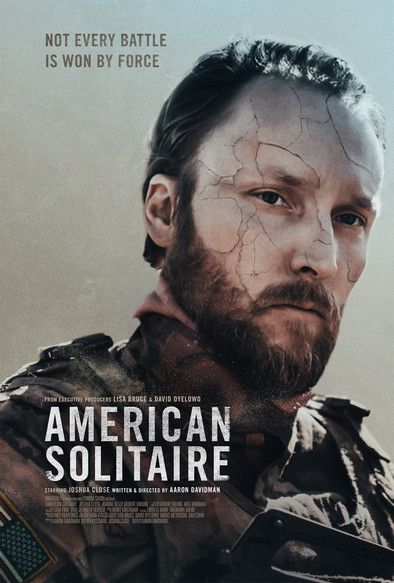
A U.S. soldier struggles to make sense of civilian life when he is confronted with the complexities of gun violence in America