
Action
Adventure
Animation
Comedy
Crime
Documentary
Drama
Family
Fantasy
History
Horror
Music
Mystery
Romance
Science Fiction
Thriller
War
Western
Found 35 movies, 1 TV show, and 2 people
Can't find what you're looking for?
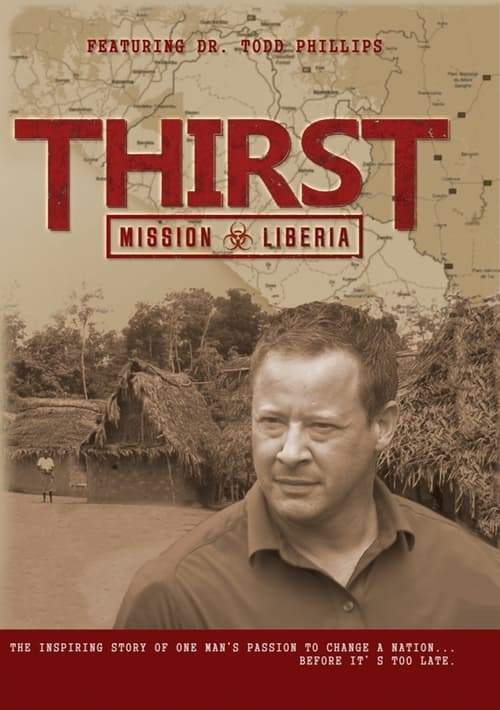
Follow Dr. Todd Phillips though the Ebola - stricken jungles of Liberia as he and his team struggle to bring the Gospel and clean water to an entire nation - border to border - for the first time in history.
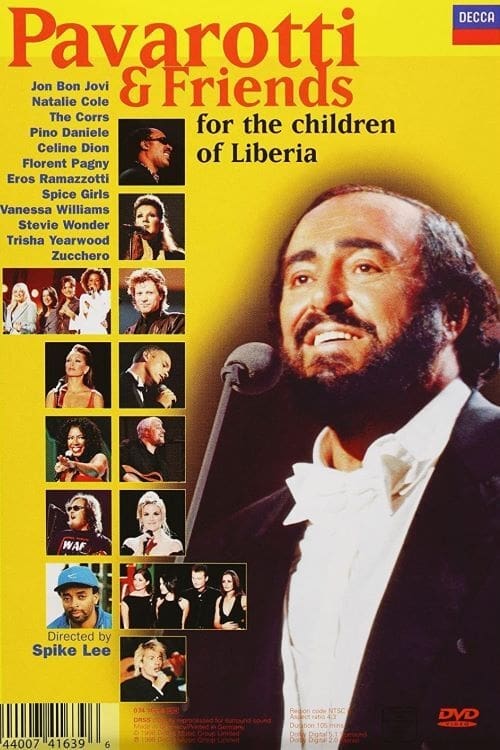
The Pavarotti & Friends for the Children of Liberia was held on June 9, 1998, in support of the War Child charity, specifically to benefit the orphans of war-torn Liberia. The concert was directed by Spike Lee and featured guest performances by Stevie Wonder, Celine Dion, Jon Bon Jovi, Spice Girls, Trisha Yearwood, Natalie Cole and The Corrs.
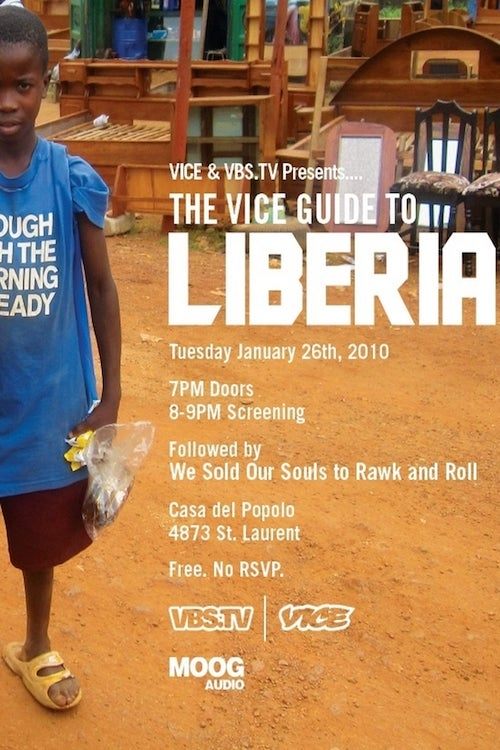
Vice travels to West Africa to rummage through the messy remains of a country ravaged by 14 years of civil war. Despite the United Nation’s eventual intervention, most of Liberia’s young people continue to live in abject poverty, surrounded by filth, drug addiction, and teenage prostitution. The former child soldiers who were forced into war have been left to fend for themselves, the murderous warlords who once led them in cannibalistic rampages have taken up as so-called community leaders, and new militias are lying in wait for the opportunity to reclaim their country from a government they rightly mistrust. America’s one and only foray into African colonialism is keeping a very uneasy peace indeed.
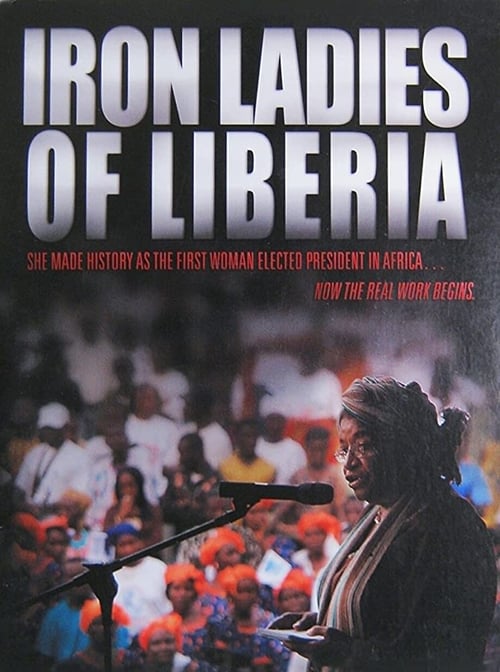
When Ellen Johnson Sirleaf became Africa's first ever elected female head of state, filmmakers Siatta Scott-Johnson and Daniel Junge were there to follow her. It was the start of an extraordinary year they spent with the Liberian president as she struggled to take control of a country devastated by years of civil war. Together with her 'iron ladies' (the finance minister and police chief are also formidable females), she takes a firm hold on the government, trying to root out corruption and spend the tiny annual budget carefully. But it is not an easy task, and everything seems to be against her - even her presidential mansion burns down. (Storyville)

Liberia, a nation burdened by its past. America, a nation with no memory at all." In Liberia, the summer of 2003 was pure insanity. A rebel army attempts to overthrow a government run by an indicted war criminal. Two armies engage in the final battle of a decade long civil war. Hundreds of innocent civilians die from mortar shells launched from afar and thousands more suffer hunger while the soldiers, mostly teenagers, keep the capital city under siege. The nation prays that America, the world's sole superpower, will put an end to the violence. Conceived in Washington in the early 1800s, its constitution written at Harvard, its founding fathers freed slaves who returned to Africa, Liberia is the one country in the world worthy of the title, Made in America. By the year 2000, Liberia, once considered the gem of Africa, was ranked last in the world for quality of life.

Longboard champ Sam Bleakley catches up with an old friend and learns about the thriving surf tourism industry in Robertsport, Liberia.
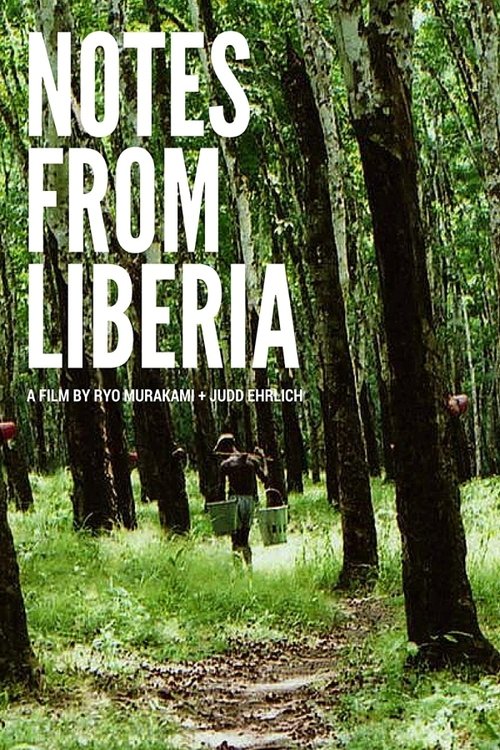
This film traces the journey of the late Japanese cinematographer Ryo Murakami to the Firestone Tire and Rubber Plantation in Liberia. Under the cover of night, he trespasses onto the plantation grounds and enters a scarcely seen world, where coercive living conditions and labor practices have changed alarmingly little since the plantation opened in 1926. Journalistic access to the plantation is tightly controlled and monitored by the company, and Ryo’s footage is a rare independent vision of the lives of plantation workers.

Jules had been hard at work rehearsing the steps to "Billie Jean" for the end-of-the-year show. That same year, he jumped onstage in the middle of a post-rock concert, took off his shirt, leapt into the crowd. That’s when we started to film him. Then we offered to spend a day in a studio and film him dancing.
On assignment in Ghana, a filmmaker confronts not only his past and is introduced to a former killer who has become a born-again preacher.
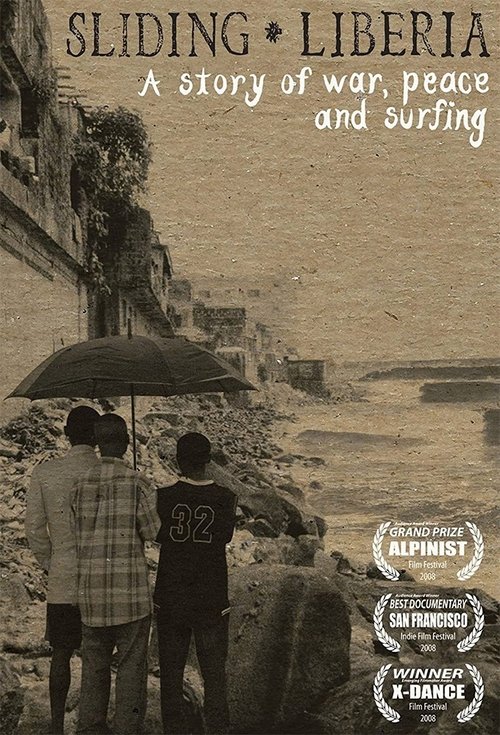
Sliding Liberia follows four young surfers to Liberia in search of more than perfect waves. Risking everything to explore the West African country devastated by decades of war, they record the stories of people they meet - people like Alfred, who became Liberia's first surfer after finding a bodyboard while fleeing from rebels. Besides rediscovering a break that could be the best-kept secret in the surfing world, they find something more important - a way to travel responsibly in the 21st century.
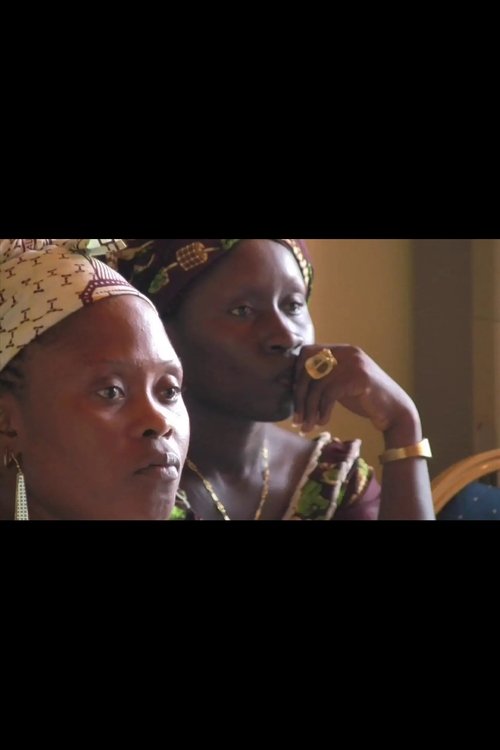
Hundreds of African women and international delegates joined Liberian president Ellen Johnson Sirleaf to strategize about how women leaders can help bring a lasting peace. In March 2009, women leaders from around the world met in Monrovia, Liberia for the International Colloquium for Women's Empowerment, Leadership Development, International Peace and Security. The conference had first been proposed at the inauguration of Liberian president Ellen Johnson Sirleaf, the only female head of state in Africa. This short film captures the energy of the event, where 800 female participants gathered to envision a new era of peace and gender equality in Africa and beyond.
Sam Bleakley a former pro surfer and travel writer explores hard to reach places often misrepresented in the press. In this amazing journey he visits Liberia 10 years after the end of a civil war to tell the story of how surfing has helped a small community rebuild and grow. Between 1989 and 2004 a civil war gripped Liberia with child soldiers, amputees and war crimes so horrific that the memories still haunt the nation to this day.
A chronicle of the period from the departure of Charles Taylor to the election of Ellen Johnson-Sirleaf, the first African woman head of state, that presents the difficulties of rehabilitating a nation destroyed by war. LIBERIA: A FRAGILE PEACE is a perfect follow-up to Liberia: An Uncivil War, picking up the Liberian saga in October 2003, with the departure of the despotic Charles Taylor, the arrival of interim President Gyude Bryant and the deployment of a U.N. peacekeeping force. More than a historical record, however, this film is an ideal case study in how difficult it is to rebuild a society once it has lapsed into anarchy, a condition afflicting more and more nations around the world. The success or failure of the Liberian experience could have long-lasting impact on peace-keeping missions in the future.
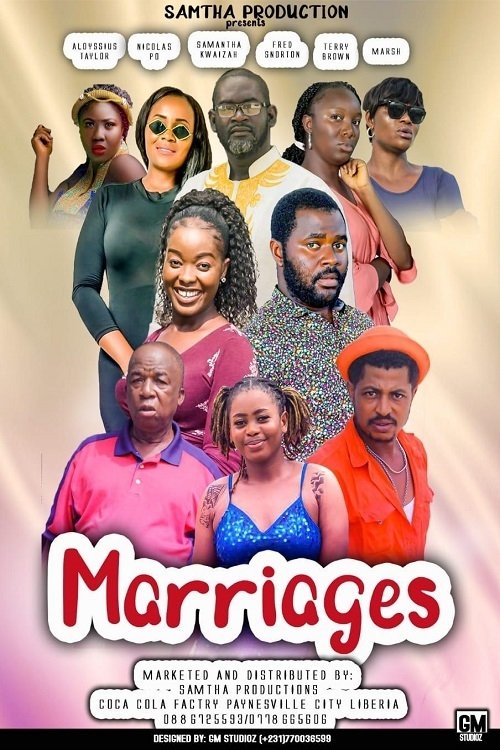
Liberian wedding

"West Africa is being plagued by a new outbreak of Ebola — a terrifying disease that causes its victims to bleed to death from the inside out. Ebola has no cure, and the latest epidemic is spreading fast. "VICE News visited Liberia, where many feel the new outbreak began, borne from the bushmeat markets of Lofa. Western scientists feel that the consumption and preparation of meat from monkeys, fruit bats, and other forest animals is behind the transmission of Ebola, and possibly a new supervirus, which if left uncontrolled could kill a third of the world's population."
Two hundred years after the first Africans were transported to America against their will, their descendants sailed back to the land of their ancestors. Soon, thousands of freeborn Blacks and former slaves settled on Africa's west coast, in the land that would become Liberia, named for the liberty they so dearly sought. Liberia's growth from a "colony" with a coastline barely 600 miles long to a modern state was not without challenges, but nothing prepared Liberians for the country's devastating civil war that began on Christmas Eve, 1989, and lasted seven long years.
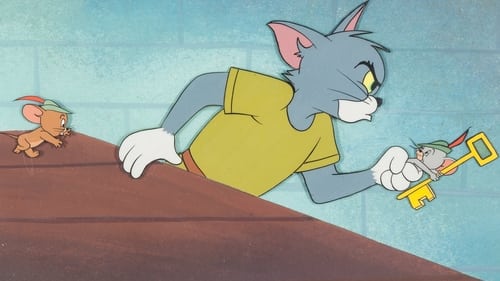
Jerry and a friend overhear that Robin Hood is imprisoned; they set off to free him, but first they have to contend with his guard, Tom.
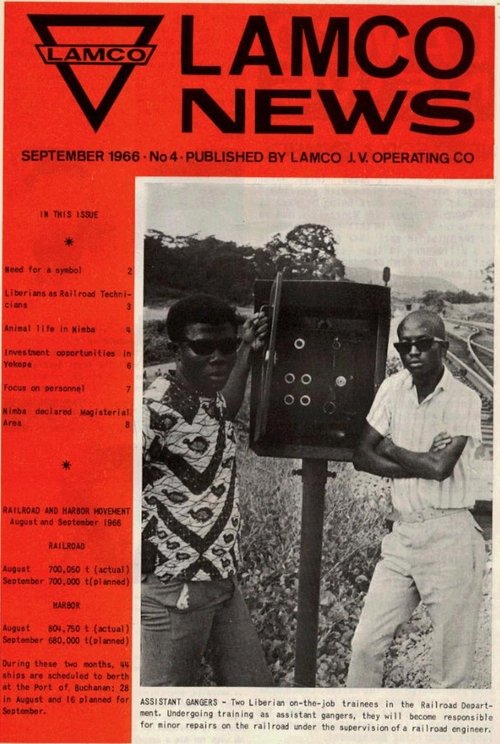
The Liberian American Swedish Mining Company (LAMCO) was a mining company that mined iron-ore in northern Liberia at the Nimba massif. About 15,000 Swedes worked for Lamco and the project was cited as a successful example of international cooperation. But in this film the Swedish TV viewers were presented a very different picture. The film broke with the conventional African portrayal and the Swedes in Liberia were portrayed as colonial-era heirs. The film was supplemented with a debate.

No description available for this movie.
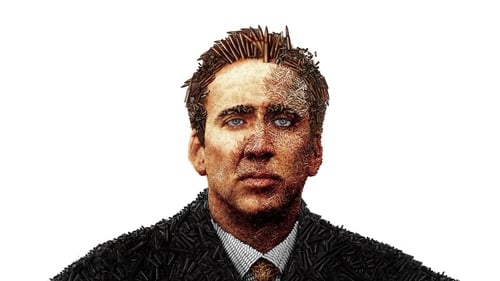
Yuri Orlov is a globetrotting arms dealer and, through some of the deadliest war zones, he struggles to stay one step ahead of a relentless Interpol agent, his business rivals and even some of his customers who include many of the world's most notorious dictators. Finally, he must also face his own conscience.
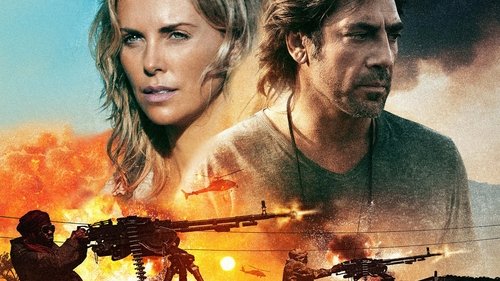
Miguel, a heroic Spanish doctor, puts himself in harm's way to deliver medical treatment to the victims of military uprisings in Africa.
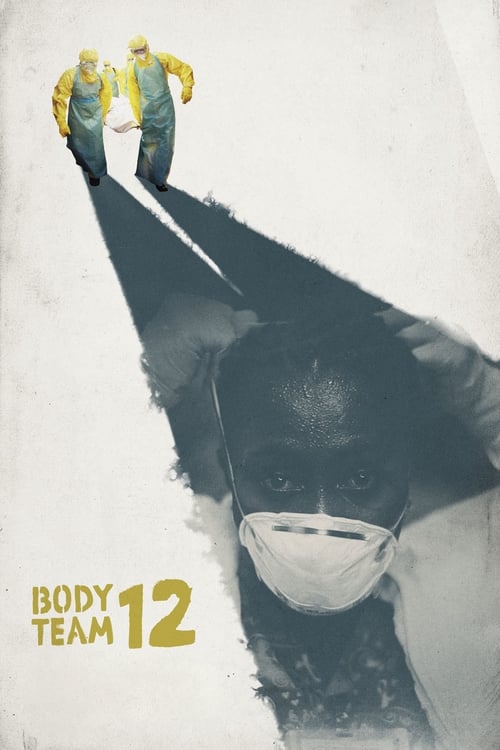
Body Team 12 is tasked with collecting the dead at the height of the Ebola outbreak. These body collectors have arguably the most dangerous and gruesome job in the world. Yet despite the strain they emerge as heroes while the film explores their philosophy and strength.

A struggling Liberian rubber plantation worker risks everything to discover a new life as a Yellow Cab driver in New York City.
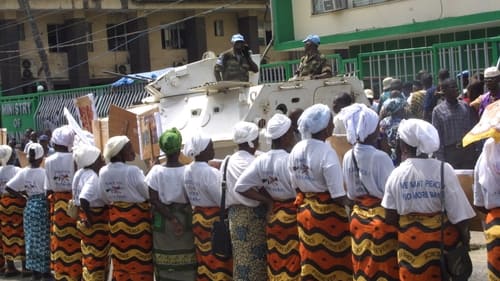
Pray the Devil Back to Hell chronicles the remarkable story of the Liberian women who came together to end a bloody civil war and bring peace to their shattered country.
A Liberian refugee SAM REAYAH and his family have been separated for five years and live in uncertainty waiting for family reunion. While Sam and his younger daughter Ruth continue their lives in Buduburam Refugee camp in Ghana, his wife Decontee and his older daughter Joyce have already started a life in Rochester, USA. The film explores the idea of home. Sam's family had a home in Liberia, but they had to give it up. They were forced to build homes elsewhere. They built a home in Ghana. They build a home in The United States. They built homes together, they build homes separate of each other. But which home does the heart want?
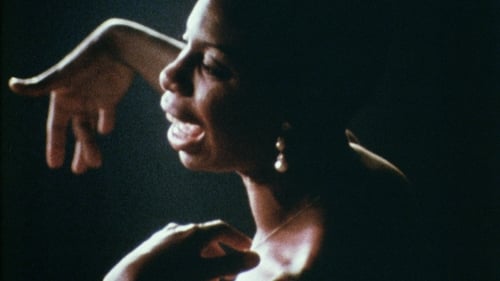
The film chronicles Nina Simone's journey from child piano prodigy to iconic musician and passionate activist, told in her own words.
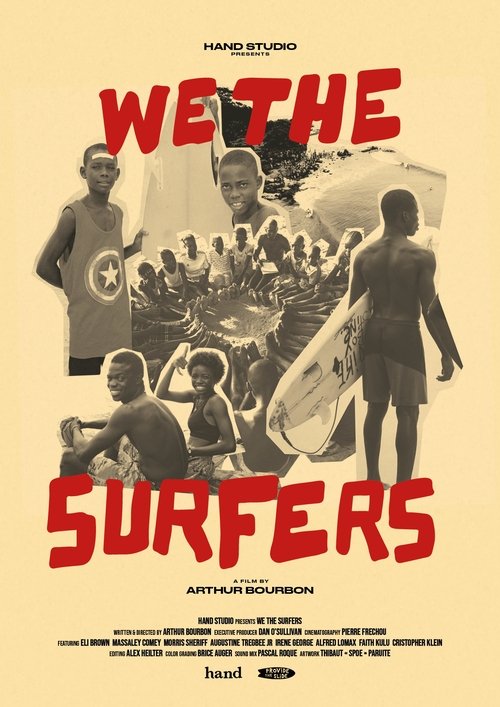
In a small village in Liberia, a West African country scarred by 20 years of civil war, local surfers are striving to change their destiny and that of their village through the creation of a surf club.
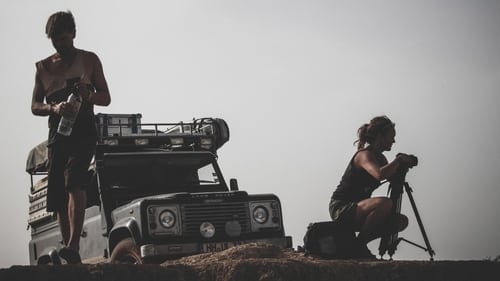
When Lena and Ulli start the engine of their old Land Rover, Lady Terés, they have a plan: to drive from Hamburg to South Africa in six months. What they don't know yet is that they won't ever get there. Two totally different characters, jammed together in two square meters of space for almost two years, they experience what it really means to travel: leaving your comfort zone for good.
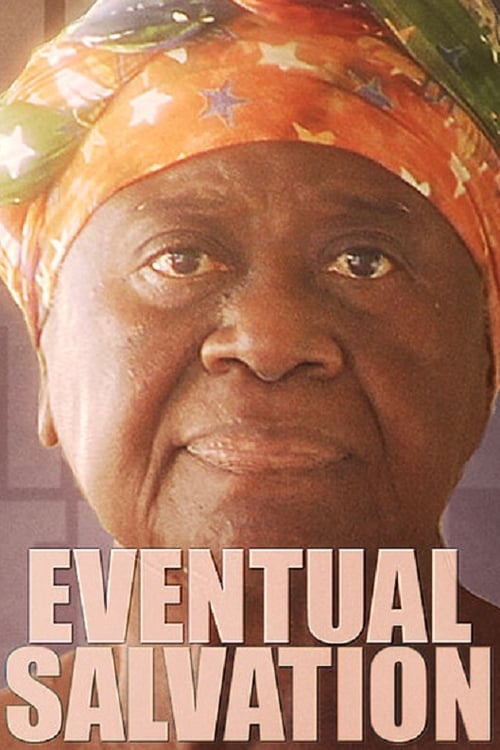
A documentary following the efforts of Earnestine Smith, an 80-year old American, to return to Liberia in order to rebuild her life following the devastation of the Liberian civil war.
The gripping true story that reveals how an acclaimed American charity failed Some of the world's most vulnerable girls. Katie Meyler captivated Americans with the stories of girls she met in Monrovia, Liberia, who she said were so poor that they had to sell their bodies to buy clean drinking water. She started a charity called More Than Me, and in 2012 she won $1 million live on NBC to build a school of her own. She said she was saving vulnerable girls from sexual exploitation. But from the very beginning, girls were being raped by a man Meyler trusted. A yearlong ProPublica investigation delves into the question of who is responsible when those who help also cause enduring and irreversible harm.
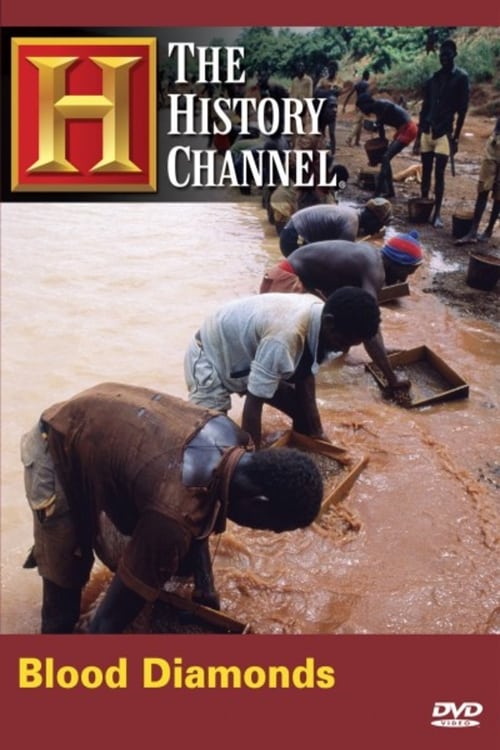
Blood Diamonds is a made-for-TV documentary series, originally broadcast on the History Channel, that looks into the trade of diamonds which fund rebellions and wars in many African nations. The program focuses primarily on two nations: Sierra Leone and Angola. Diamonds which are traded for this purpose are known as blood diamonds.

One morning, Bafiokadié and his sister Téné, two African children, leave their village. The only thing on their mind is to find their lost blue bird before the day is over. But they will find much more along their way: they encounter their deceased grand-parents, they fight the soul of the forest and learn from the chief of pleasure. Everyone tells them a story about life and death. At the end of their long journey, the brother and sister enter the Kingdom of the Future and meet some yet-to-be born children. Delighted with this discovery, they eventually return home.
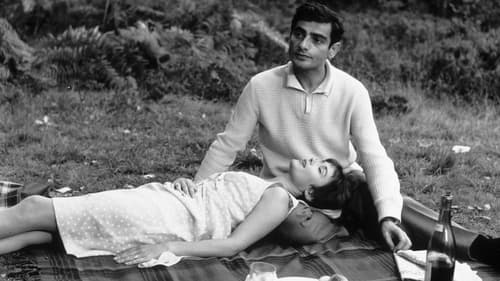
A Paris real estate developer feels compelled to withdraw from his seemingly perfect life into a world of his own. Is the man going insane? By conventional standards, maybe, but it's clear that the life he's fleeing is madder still from his point of view, and since that point of view is unfailingly witty and astute, we even come to accept his delusions as more "real" than reality.
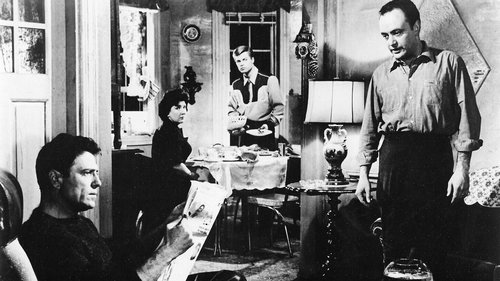
Eddie Carbone, a Brooklyn longshoreman is unhappily married to Beatrice and unconsciously in love with Catherine, the niece that they have raised from childhood. Into his house come two brothers, illegal immigrants, Marco and Rodolpho. Catherine falls in love with Rudolpho; and Eddie, tormented but unable to admit even to himself his quasi-incestuous love, reports the illegal immigrants to the authorities.
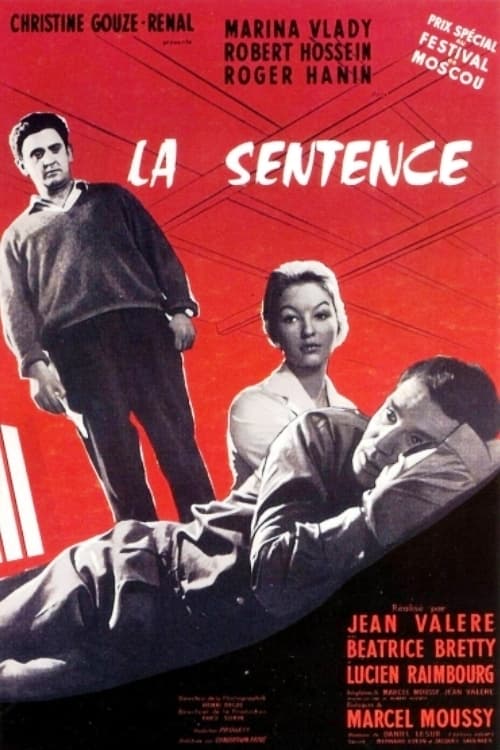
WW2 is coming to an end. On the seaside, resistant fighters are captured and imprisoned in a basement. Within an hour, all of them will be shot—an hour of fear, of impossible dreams, of false hopes. Based on a Bernanos play, it sometimes recalls, by the subject of sacrifice (a sacrifice of an average human being is not an average one), "Dialogue des Carmélites," in which nuns, during the French Revolution, were guillotined because they would have betrayed their faith if they had accepted the new rules.