
Action
Adventure
Animation
Comedy
Crime
Documentary
Drama
Family
Fantasy
History
Horror
Music
Mystery
Romance
Science Fiction
Thriller
War
Western
Found 19 movies, 1 TV show, and 2 people
Can't find what you're looking for?
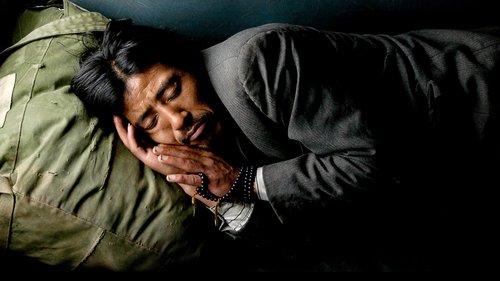
Karma, a Tibetan filmmaker from New York, goes to Dharamsala, the Dalai Lama's exile headquarters in northern India, to make a documentary about former political prisoners who have escaped from Tibet. She wants to reconnect with her roots but is also escaping a deteriorating relationship back home.One of Karma's interviewees is Dhondup, an enigmatic ex-monk who has just escaped from Tibet. He confides in her that his real reason for coming to India is to fulfill his dying mother's last wish, to deliver a charm box to a long-missing resistance fighter. Karma finds herself unwittingly falling in love with Dhondup even as she is sucked into the passion of his quest, which becomes a journey into Tibet's fractured past and a voyage of self-discovery
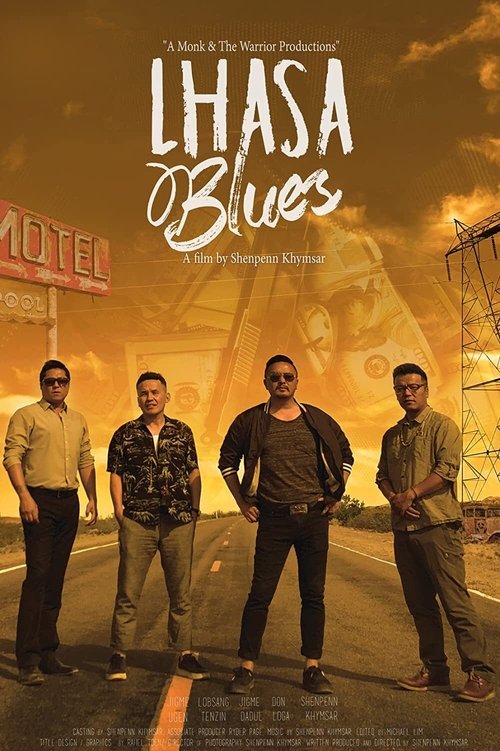
Lhasa Blues is the first Tibetan heist/crime thriller ever made. This experimental short film was written in three days and shot in four days. It features first-time actors and was written, produced, and directed by Shenpenn Khymsar.

Tripping Towards Lhasa is a visually meditative tale of travel along the high road to Lhasa, Tibet. It is a vivid chronicle of an overland adventure through a fading culture and landscape that is distinctly sacred and spiritually inspiring. Taking the road trip documentary into contemplative territory, viewers venture over 1000 kilometers through the land kingdom alongside prostrating pilgrims, debating monks, and towering Buddhas. Through Western eyes, glimpses of Tibet from the road provide simple and elegant insights into a unique way of life at the turn of the millennium. The moving images provide a meditation in motion about the Shangri-La of the high plateau, capturing a soon-to-be-forgotten way of life. Tripping Towards Lhasa is an inward and outward ride through one of the world’s last great cultures.

Documentary on Tibet co-directed by Chen Zhen and Li Ying.
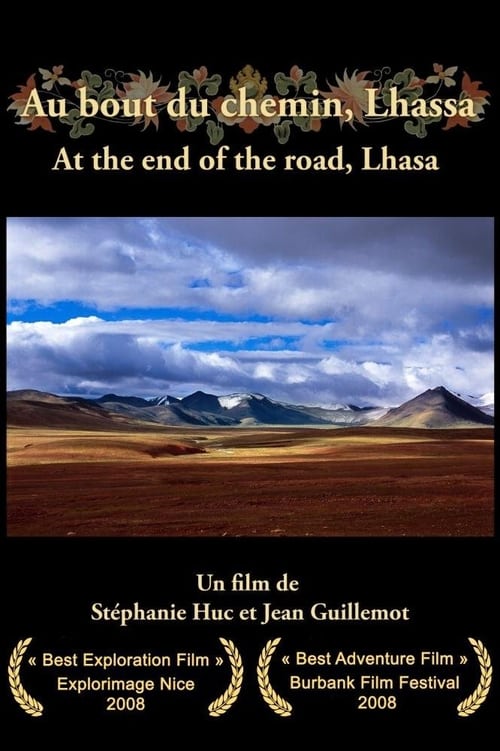
Beijing to Lhasa, 5400km by bicycle and horseback on the trail of Evariste Huc (1813-1860).

Independent documentary by Jiang Yue.

In 1938 Nazi leader Heinrich Himmler sponsored an expedition to Tibet lead by several Nazi SS scientists to study the regions flora and fauna, and to take scientific measurements of the Earths magnetic fields. The expedition was also sent to find traces of the orgins of the "Aryan" race in Tibet which was where Himmler thought evidence of could be found. This film is a Nazi era documentary of that expedition.
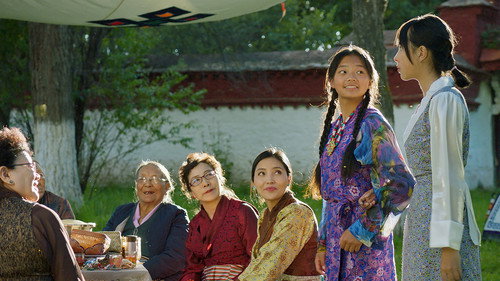
Samgyi returns to Lhasa to shoot a film about her childhood. Struggling with creative uncertainty, she finds herself in an endless cycle of arguments with her father. At a chance party, she meets Lhamo, the girl who inspired the character in her story. As the night quietly slips away, the summer that once lingered in fragments of memory gradually comes into full view...
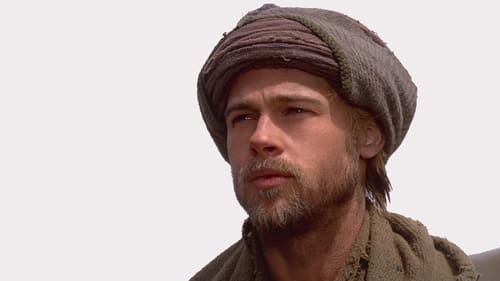
Austrian mountaineer Heinrich Harrer journeys to the Himalayas without his family to head an expedition in 1939. But when World War II breaks out, the arrogant Harrer falls into Allied forces' hands as a prisoner of war. He escapes with a fellow detainee and makes his way to Lhasa, Tibet, where he meets the 14-year-old Dalai Lama, whose friendship ultimately transforms his outlook on life.
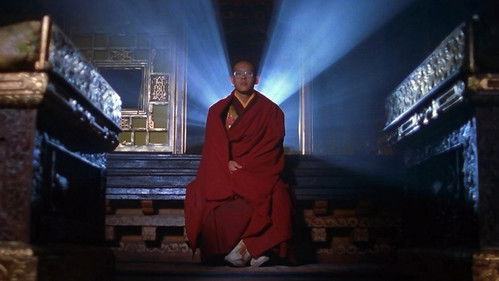
From childhood to adulthood, Tibet's fourteenth Dalai Lama deals with Chinese oppression and other problems.
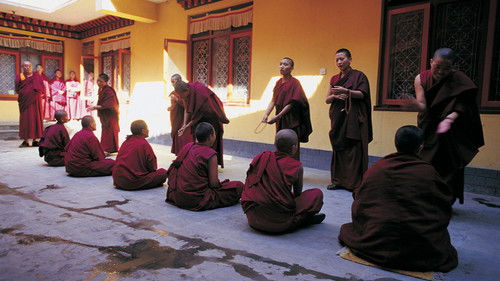
Follows three young Tibetans faced with moral dilemmas: a rising pop star asked by her Chinese official boyfriend to sing pro-government songs; her brother, an embittered drunk; and their cousin, a Buddhist nun savagely beaten after shouting anti-Chinese slogans.
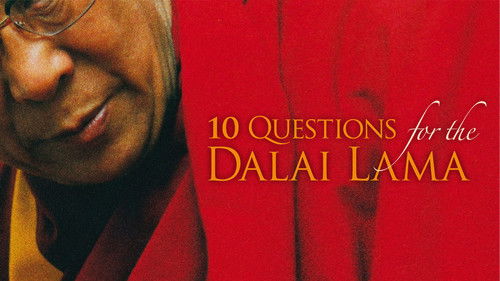
How do you reconcile a commitment to non-violence when faced with violence? Why do the poor often seem happier than the rich? Must a society lose its traditions in order to move into the future? These are some of the questions posed to His Holiness the Dalai Lama by filmmaker and explorer Rick Ray. Ray examines some of the fundamental questions of our time by weaving together observations from his own journeys throughout India and the Middle East, and the wisdom of an extraordinary spiritual leader. This is his story, as told and filmed by Rick Ray during a private visit to his monastery in Dharamsala, India over the course of several months. Also included is rare historical footage as well as footage supplied by individuals who at great personal risk, filmed with hidden cameras within Tibet.
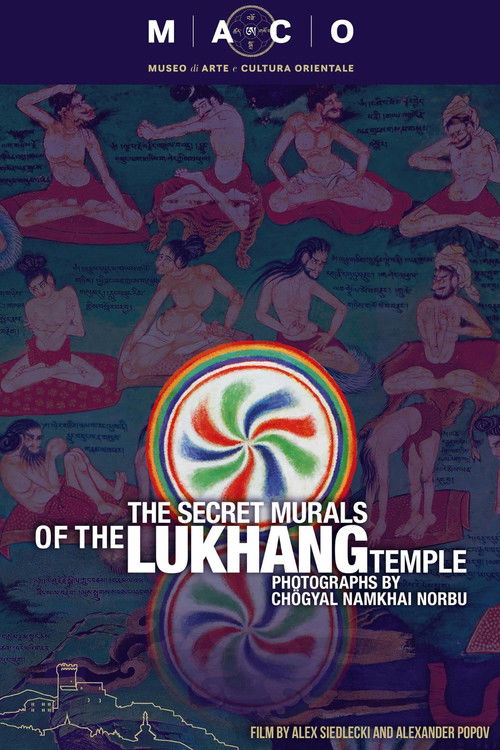
In 1981 Professor Namkhai Norbu, returning to Lhasa after more than 20 years, made the first photographs of what were then considered the most secret images of Tibet, the 18th-century murals of the Lukhang, a small temple located behind the Potala Palace which contains what has become known as the Sistine Chapel of Tibetan Buddhism. An esoteric wunderkammer, the images of the Lukhang present a panorama of Tibetan culture in the 1700s and an authentic visual guide to enlightenment. The exhibition brings together a selection from the over 100 photographs made by Prof. Namkhai, luminous reflections, that Rinpoche captured, fleeting moments that represent all that remains of some of the murals of the Lukhang, treasures now lost.

Traditional games, dancing and music among the people of Sikkim - in vivid colour.

A 52-year-old cab driver drives stolen cars to taxi his clients through the streets of Barcelona.

Malo has separated from his wife and a divorce is in the works. His children leave with his wife on holiday, and he is lonely and depressed. His friend Rémi drags him to a party in the country, and driving back they see by chance a notice of a house being sold at auction by creditors. The low reserve price surprises them and they go round to have a look. Finding the door open, Malo picks up a letter from a little girl to her father saying she misses him - moved by the resonance with his own daughter, Malo accidentally takes the note with him when they leave in a hurry. He then resolves to return the note to the now grown-up little girl Cloé, but of course it's awkward to explain how he got it. He learns that she really doesn't want to sell the house, which is all that remains of her childhood. The relationship between them develops, and emotions run high at the auction. Ultimately the film explores whether Malo can give both or either Cloé and his daughter what they want/need,

The film is about the heroic struggle of the Kazakh people against the hordes of bloodthirsty Dzungars and the victory over the Dzungars (XVIII century).
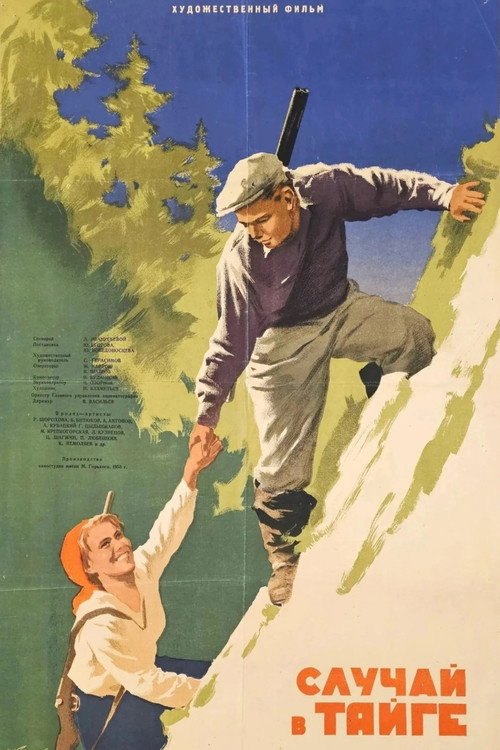
Young scientist is going to taiga for his experiments but meets poachers on the way.
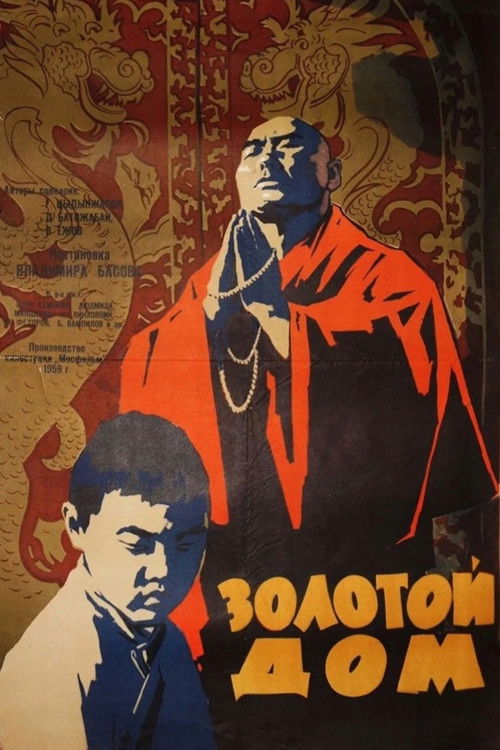
No description available for this movie.