
Action
Adventure
Animation
Comedy
Crime
Documentary
Drama
Family
Fantasy
History
Horror
Music
Mystery
Romance
Science Fiction
Thriller
War
Western
Found 28 movies, 0 TV shows, and 1 person
Can't find what you're looking for?

The film tells a real story about the last two years of the life of the Russian writer Leo Tolstoy and about the national mourning over his death.

Who is he - Leo Tolstoy? The film, based on Tolstoy's diary and his photographs, plunges into Tolstoy's special, borderless dialogue with himself and with the world, which does not end, as he believed, with death. However, it will not be possible to see Tolstoy himself - he is given only in reflections: in photographs and in the perception of other people.
German documentary on the Russian writer Leo Tolstoy.
About the role of Yasnaya Polyana estate in the life and work of the great Russian writer Leo Tolstoy.
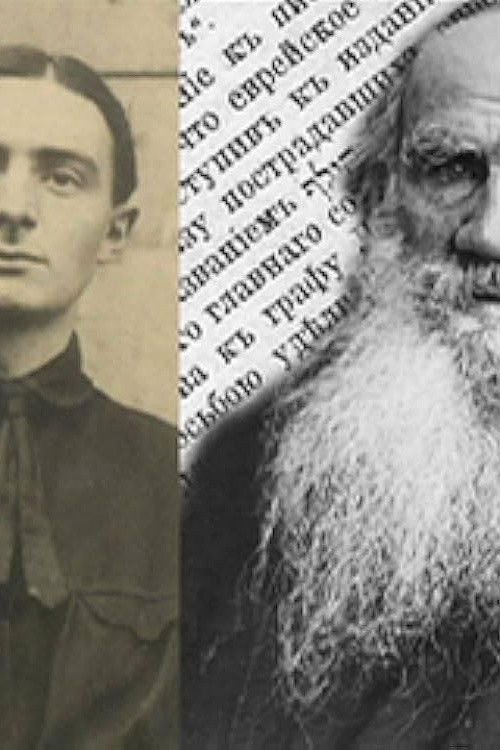
In the year of Leo Tolstoy's death, Dziga Vertov, an unknown boy from Bialystok, was 14 years old. The elder of Yasnaya Polyana could not know either the name or the work of the documentary filmmaker, the founder of non-fiction cinema as a high art. However, the film is structured as a parallel movement of creative aspirations, views and biographies of two artists. In his best paintings ("Kinoglaz", "Man with a Movie Camera", "Symphony of Donbass" and others), Vertov followed the basic aesthetic principles of Tolstoy, supported and developed the traditions of Russian classical literature on the screen. One of the main episodes of the film is a screen story about the Moscow agricultural exhibition of 1923, which reveals the common focus of the writer and director's efforts.
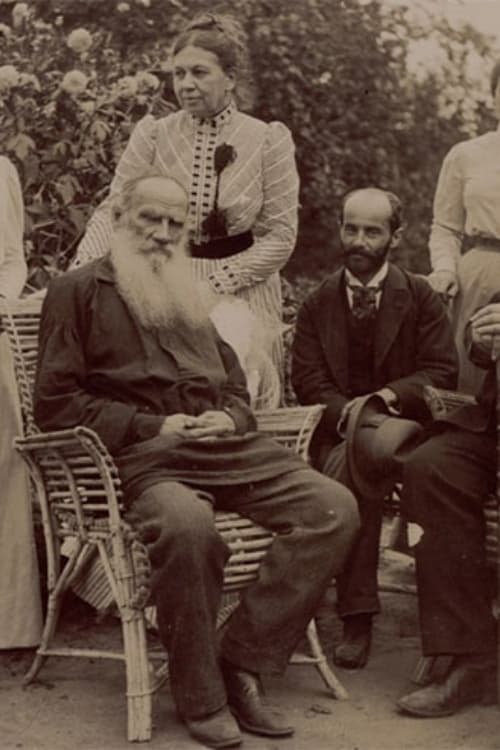
The film takes the viewer back to the turn of the last century and the last, to the works and biographies of Leo Tolstoy and the famous sculptor Ilya Ginzburg. The heroes are contemporaries. familiar with each other and not indifferent to each other. Their friendship is a vivid example of humanism that transcends class, national and cultural boundaries."
Born into great wealth and privilege, during the 19th Century Lev Tolstoy turned away from celebrity and high society and instead looked inward to become a writer who transformed fiction writing and the novel into fine art.
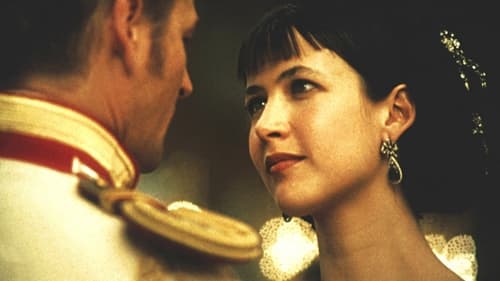
In Imperial Russia, Anna, wife of the officer Karenin, goes to Moscow to visit her brother. On the way, she meets charming cavalry officer Vronsky, to whom she's immediately attracted. But in St. Petersburg’s high society, a relationship like this could destroy a woman’s reputation.
Events at Astapovo, the residence of the ailing Count Lev Nikolaevich Tolstoy and his family. Tolstoy’s doctor, after a consultation with the writer's relatives, leaves the train carriage where they are staying. Members of Tolstoy's family head to the stationmaster's house for a doctors' concilium. The writer's wife, Sophia Andreevna, also heads there.
Transporting the body of Leo Tolstoy from the station chief's apartment to a train carriage. His funeral in Yasnaya Polyana on November 9, 1910. Carrying Tolstoy's body out of his house in Yasnaya Polyana. The mournful procession of people to the writer's burial place.
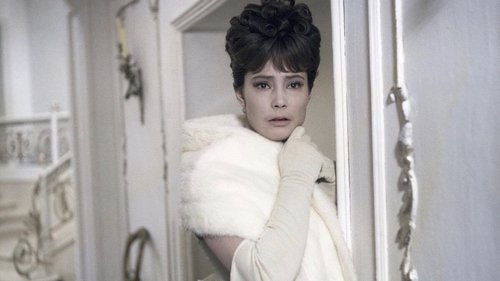
In Imperial Russia, Anna, wife of the officer Karenin, goes to Moscow to visit her brother. On the way, she meets charming cavalry officer Vronsky, to whom she's immediately attracted. But in St. Petersburg’s high society, a relationship like this could destroy a woman’s reputation.
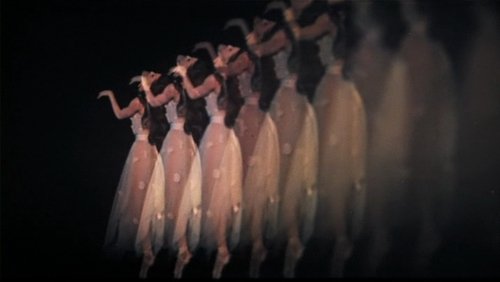
In Imperial Russia, Anna, wife of the officer Karenin, goes to Moscow to visit her brother. On the way, she meets charming cavalry officer Vronsky, to whom she's immediately attracted. But in St. Petersburg’s high society, a relationship like this could destroy a woman’s reputation. A Bolshoi Ballet adaptation of Leo Tolstoy’s novel with choreography by Maya Plisetskaya, who also took on the titular role.
Ah Hing is made pregnant by her master Fan Chun-kit. Fan soon leaves for his studies overseas while Ah Hing suffers gross prosecution and is reduced to becoming a prostitute. In a momentary slip of a struggle, Ah Hing commits manslaughter. Now a qualified lawyer, Fan acquits Ah Hing of the charge, and intends to marry her to redeem his negligence in the past. Ah Hing, however, is determined to pursue an independent life.
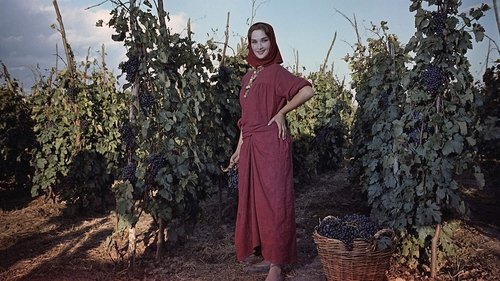
Historical drama based on the eponymous novel by Leo Tolstoy. Junker Olenin, a representative of St.Petersburg's golden youth, is traveling from St.Petersburg to the Caucasus in search of romance. His regiment is stationed in the Cossack village. Here he falls in love with the beautiful Maryana and is ready to marry her, but she loves the Cossack Lukashka and is not going to exchange him for the master...
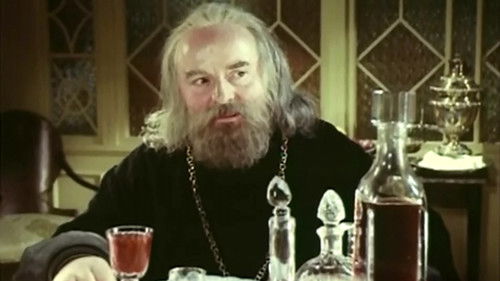
A film adaptation of the novel of the same name by Leo Tolstoy. The main character of the film is Prince Stepan Kasatsky, an officer, an ardent, proud young man — a big fan of the tsar. Kasatsky is going to marry, but at the last moment he learns from the bride that she was the mistress of the emperor. The prince is deeply disappointed in social life, he takes a monastic vow and leaves the capital. Faith in God was to save the soul, but passions and worldly temptations don't leave Kasatsky.

In this three-part series, Nikolai Irteniev reminisces and reflects on his life; he is eager to find answers to the most important questions of life. "How to be? how to do the right thing? What goals to strive for?" Based on Lev Tolstoy's autobiographical trilogy.
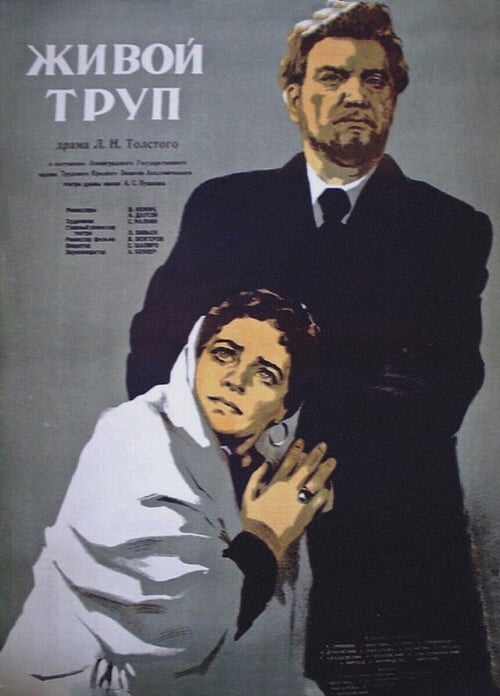
The Russian nobleman Fyodor Vasilievich Protasov cannot put up with the hypocrisy of his environment, but is powerless to fight it. He begins to drink, leaves the house and gradually falls. The behavior of Protasov helps to bring his wife Liza closer to a longtime friend of the family, Viktor Karenin. Unable to endure the lies and humiliation associated with the upcoming divorce proceedings, Fedya pretends to commit suicide and seemed to forever leave his family. It is only due to the accident that it becomes known that Fedor Protasov is alive. Liza, reconciled with the death of her husband and became the wife of Karenin, is summoned to court on charges of duality. To stop the stupid and deceitful comedy of the court and rid the shame of innocent people, Protasov shoots himself.
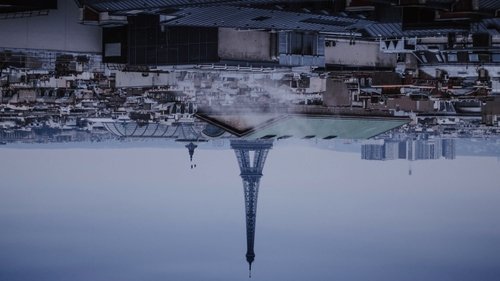
Narrator dreams of Madrid while being caught in a repetitive loop somewhere in Paris. He questions if his interlocutor is a real human being, as their dialogue, mostly built of citations, doesn't seem to be helping with breaking the loop.
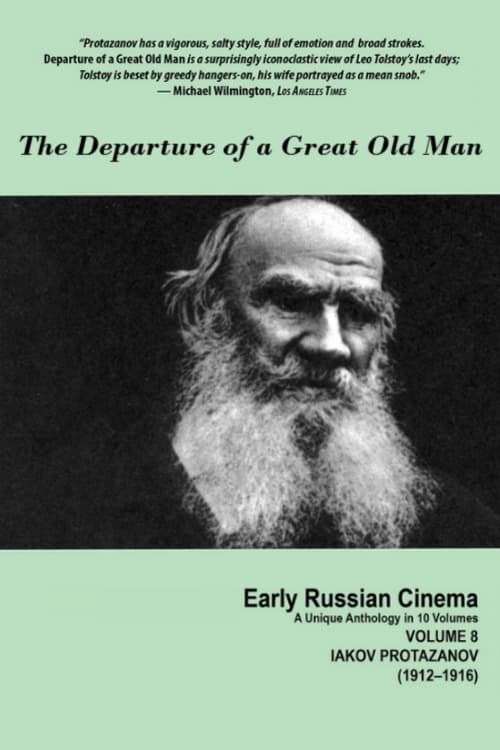
A group of peasants comes to see Leo Tolstoy and his wife, the Countess, to request some land. Tolstoy must explain to them that it is his wife who has authority over their land-holdings, and she will not help them. Stung by their negative reaction to him, Tolstoy becomes increasingly preoccupied with the problems of the poor. This leads to a number of conflicts with his wife, and then to a deep despondency, as the noted writer continues vainly to search for answers to the sufferings he sees around him.
The Tragedy of an Artist, is an experimental short shot over the course of a week. This film is meant to illustrate who Hero Foltz is as a person and his struggles with self identity
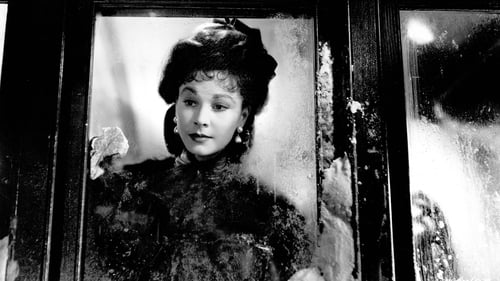
In Imperial Russia, Anna, wife of the officer Karenin, goes to Moscow to visit her brother. On the way, she meets charming cavalry officer Vronsky, to whom she's immediately attracted. But in St. Petersburg’s high society, a relationship like this could destroy a woman’s reputation.
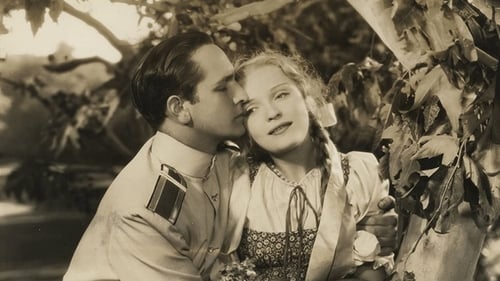
Nekhludoff, a Russian nobleman serving on a jury, discovers that the young girl on trial, Katusha, is someone he once seduced and abandoned and that he himself bears responsibility for reducing her to crime. He sets out to redeem her and himself in the process.
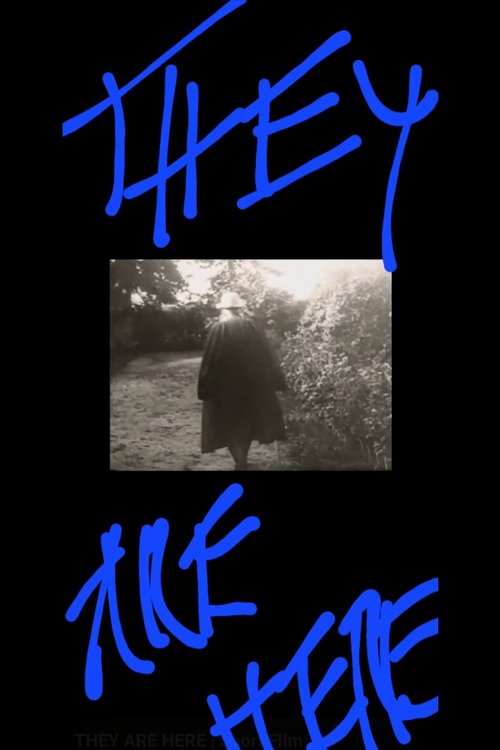
Dangling from a high window, a young non-binary person is on the cusp of life and death. Flashes of film, literature, art (paintings) and cultural history pass them by, as if to tell a message. A postmodern treatise on connection to culture and the past.
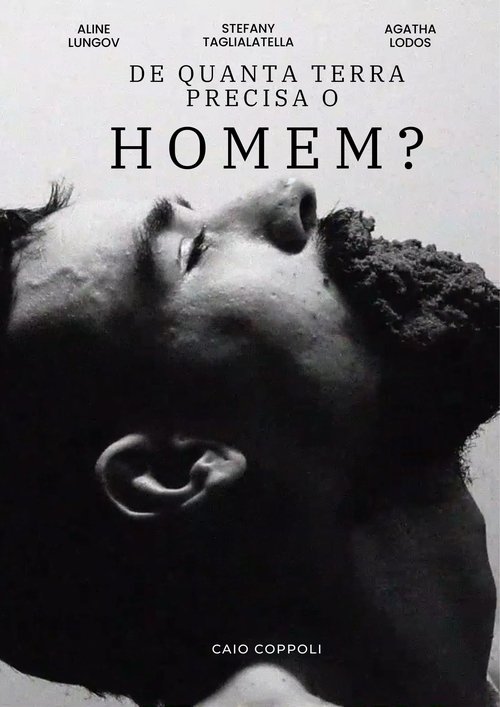
A reflection on man's relationship and needs with the earth, with the self and with hope.
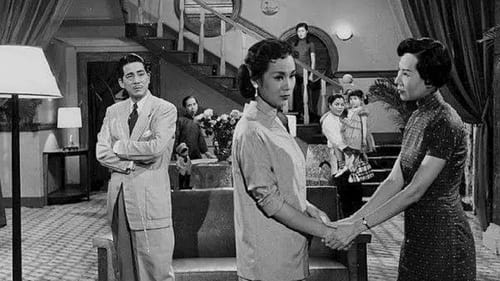
Though her marriage with rich businessman Chan Hak-lit is crumbling, Anna Poon refuses to accept her childhood sweetheart Wong Kei-shu's courtship. Anna's younger sister Mei-na has a crush on Shu and treats Lee Man coldly. When she sees Anna being with Shu, she taunts Anna with stealing who she likes. Anna is hurt and goes back to Chan's house. Chan holds a house party and invites business celebrities. Shu attends it and when tells Anna he loves her when they dance. Anna rejects him and tells him never to see her again. Chan goes to the racecourse. When Shu falls down from a horse, Anna faints. Chan asks Anna what her relationship with Shu is. He warns her not to have any wrongdoing and ruin his reputation. Shu is fine and asks Anna to meet for the last time. Anna cannot turn down him and goes to meets him. Lit miscomprehends the situation and files a divorce. He even forbids Anna to see their daughter. A distressed Anna becomes a victim of love in a conservative society.
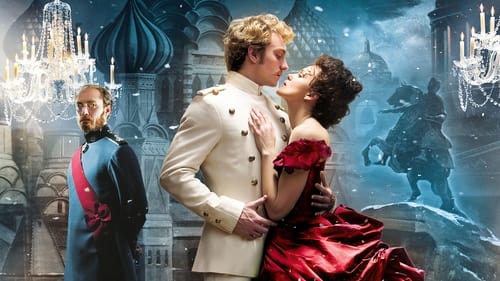
In Imperial Russia, Anna, wife of the officer Karenin, goes to Moscow to visit her brother. On the way, she meets charming cavalry officer Vronsky, to whom she's immediately attracted. But in St. Petersburg’s high society, a relationship like this could destroy a woman’s reputation.
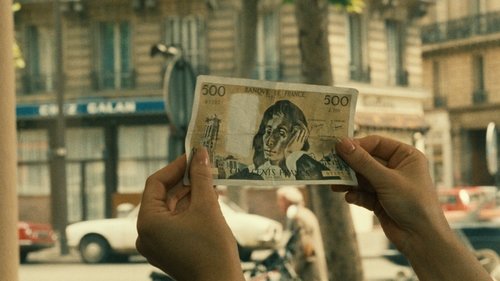
A forged 500-franc note is passed from person to person and shop to shop, until it falls into the hands of a genuine innocent who doesn't see it for what it is—which will have devastating consequences on his life.
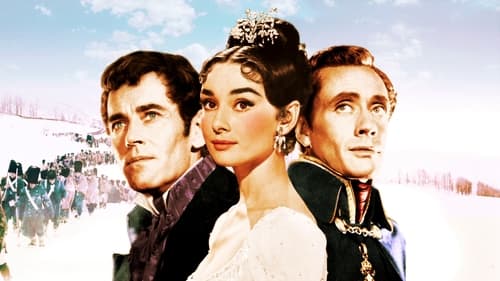
The love story of young Countess Natasha Rostova and Count Pierre Bezukhov is interwoven with the Great Patriotic War of 1812 against Napoleon's invading army.