
Action
Adventure
Animation
Comedy
Crime
Documentary
Drama
Family
Fantasy
History
Horror
Music
Mystery
Romance
Science Fiction
Thriller
War
Western
Found 21 movies, 0 TV shows, and 0 people
Can't find what you're looking for?
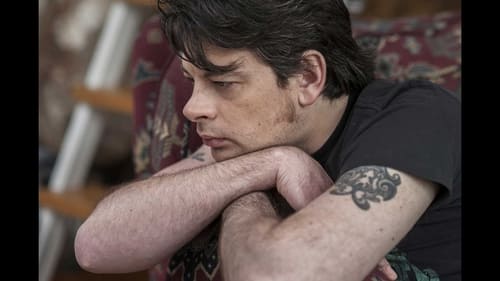
Two couples, Chris Bailey and Judith Lazard, along with Paul Adler and Albertine Langlois, meet for dinner on the 9th of July 2006, the night of the Football World Cup Final between France and Italy. Their conversations wander from intimate subjects to substantial political comments in such an intricate manner that their personal lives and their perception of the ideological struggle, the battle for the leadership of the french left, are more and more difficult to differenciate. For six years, their political attitudes evolve with the changing image of themselves and each other.
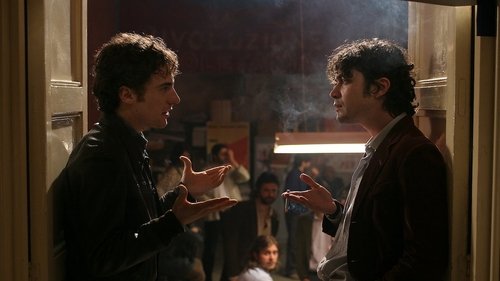
Accio and Manrico are siblings from a working-class family in 1960s Italy: older Manrico is handsome, charismatic, and loved by all, while younger Accio is sulky, hot-headed, and treats life as a battleground — much to his parents' chagrin. After the former is drawn into left-wing politics, Accio joins the fascists out of spite, but his flimsy beliefs are put to test when he falls for Manrico's like-minded girlfriend.
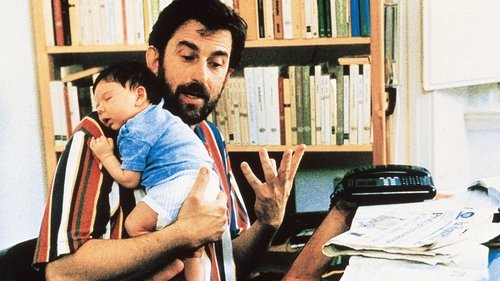
Nanni Moretti takes another look at the ebbs and flows of life in April 1996, as he becomes a father for the first time and seems unable to focus on his documentary about the upcoming national elections.
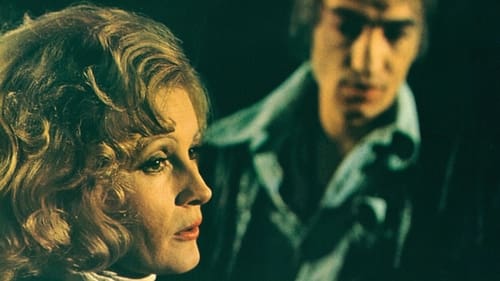
After a worker kills a superior and commits suicide, each of his family members attempts to forge a path forward in life.
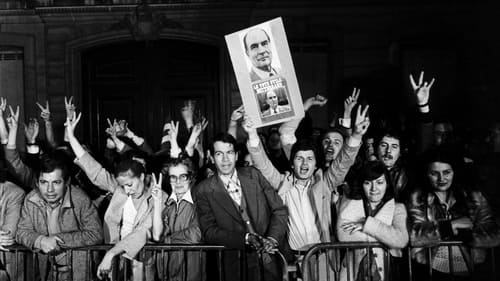
No description available for this movie.
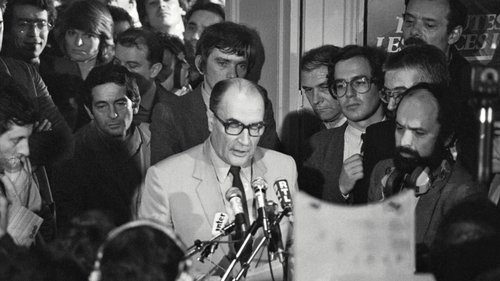
Fourty years ago, in May 1981, with François Mitterrand's election, some people were letting themselves dream about a better life while others were predicting the coming of soviet tanks upon the Champs-Élysées. If we gladly remember the turning point of austerity in 83, there were also the wage rises, the fifth week of paid leave, the abolition of death penalty, the decriminalisation of homosexuality, or the advent of independent radio stations. Rare archives and accounts by those who were at the heart of this story give an overview of it and shed light on lesser-known aspects.
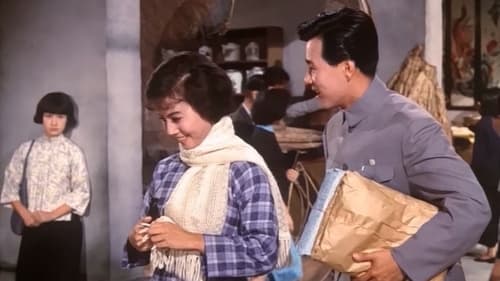
Yang Mengchi is a spoiled, rich do-nothing whose habit of smoking opium has cost him his entire fortune and the family mansion, the Garden of Repose, now due to be sold to Yao Guodong. Fearing that Yao's spoiled and unruly son Siaofu will follow in Yang's footsteps, Yao's stepwife Wan Zhaohua tries to instil discipline in the child but her efforts are undermined by the child's indulging and protective father and grandmother. Unable to reform himself despite his own son's chastisement, Yang leaves home to lead a reclusive life in a destitute temple, only helped out by his filial daughter Han'er. The poverty-stricken Yang is drafted into the army and tragedy ensues.
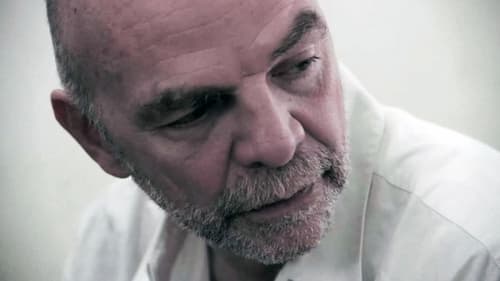
The journalist Andrés Oviedo must write about the murder of a young political activist Mariano Ferreyra for the magazine where he works. Oviedo performs a series of interviews and dialogues with familiars and friends of Ferreyra. The search for the truth and the motifs of the crime lead him to confront his publishers, who removed him from the case. In front of the arising complications, Andrés doubts to proceed with the investigation, but the support of his daughter, of the same generation as Mariano, helps him to continue. (FILMAFFINITY)
PROJEKT A is a documentary that resists the common clichés about anarchism to instead show anarchist ideas of a society in which no one shall have the power to control knowledge, natural resources, land, soil or other people. After inspiring over 25,000 German cinema-goers, this award-winning documentary about anarchism and anarchist projects in Europe is now available on VoD! “Projekt A stirs up the audience and is grippingly shot, getting close to the kinds of tenacious people who are so vital to change in our society.” (kinokino) “…a cinematic portrait, not of anarchy, but of anarchists. A story, not of possibilities, necessities or even failure, but a depiction of achievements, initiative, action, ideas, as well as success.” (kino-zeit.de) Audience Award Filmfest Munich
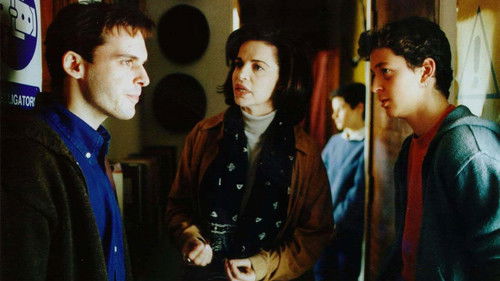
Teenage problems intertwine during the occupation of a high school in Rome. Silvio—much like his peers desperate to lose his virginity—wants to make his move on the girl he likes, despite her being already his friend's girlfriend and not knowing that her best friend harbors feelings for him—while clashing also with his parents, onetime Sixties radicals who look down on the kids' aimless political commitment.
The First Year tells the inside story of Jamie Driscoll’s first 12 months as the new North of Tyne Mayor.
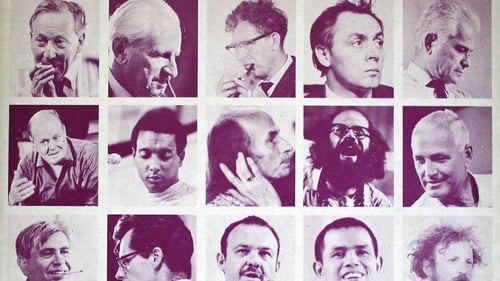
Documentary of the Symposium on the Dialectics of Liberation and the Demystification of Violence, held in London, July 1967, organized by R.D.Laing, with Stokely Carmichael, Allen Ginsberg, Paul Goodman, Herbert Marcuse, John Gerassi, and many others. An important record of the spectrum of left-wing politics and personalities during the turbulent Sixties.
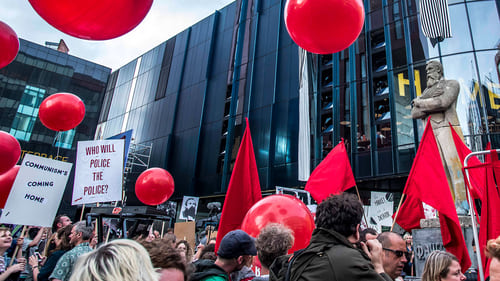
Following the artist Phil Collins' search for a decommissioned statue of German philosopher Friedrich Engels in eastern Ukraine, and documenting its journey and arrival to a homecoming party in Manchester.
No description available for this movie.
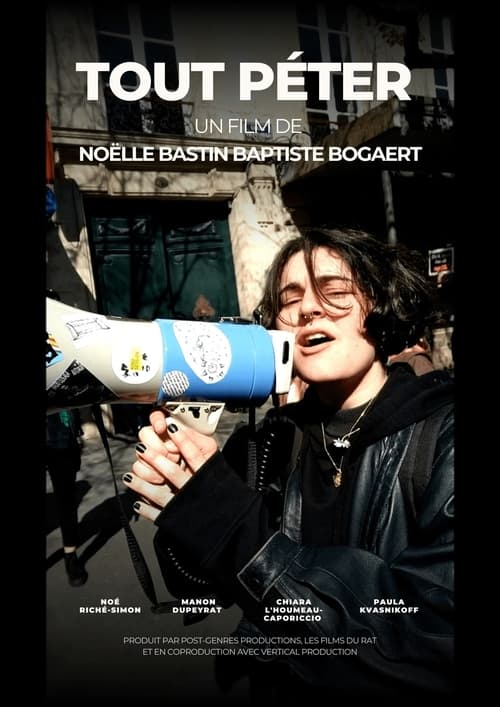
In an insurrectionary climate, four twenty-year-old friends talk about politics. As a big protest looms, one of them, Clara, has to write a college essay. Caught in the virtual images and the comfort of her bedroom, going out is harder than expected.
A young woman falls in love with a political activist who's wanted by the police.
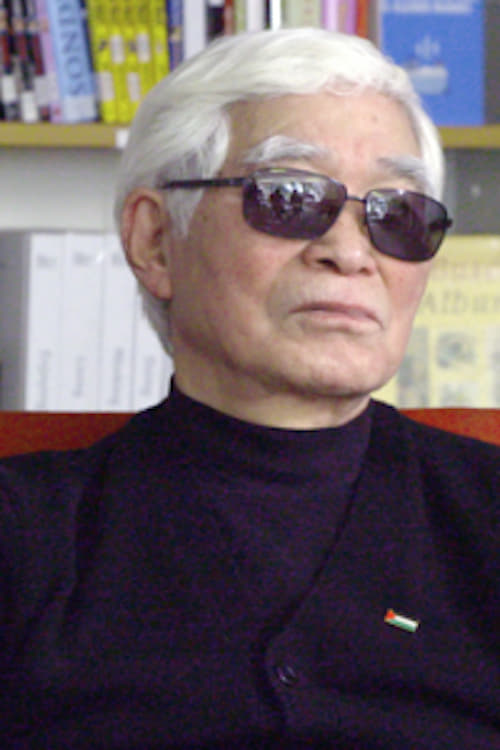
Masao Adachi, the author and director of experimental works and pinku-eiga in the 1960s, was a member of the Japanese New Left that shifted from being a filmmaker to a guerrilla fighter. In 1974, he joined the Japanese Red Army in Lebanon, which worked closely with the Popular Front for the Liberation of Palestine. Filmmaker Lutz Dammbeck met Adachi in Tokyo in 2018 and talked with him about a wide range of topics, including art, revolution, the influence of western avant-garde art and American underground; the Japanese Red Army; collaboration with secret services; the role of the Left after 1968; and the reasons for failures of leftist ideas and strategies.
No description available for this movie.
No description available for this movie.
No description available for this movie.
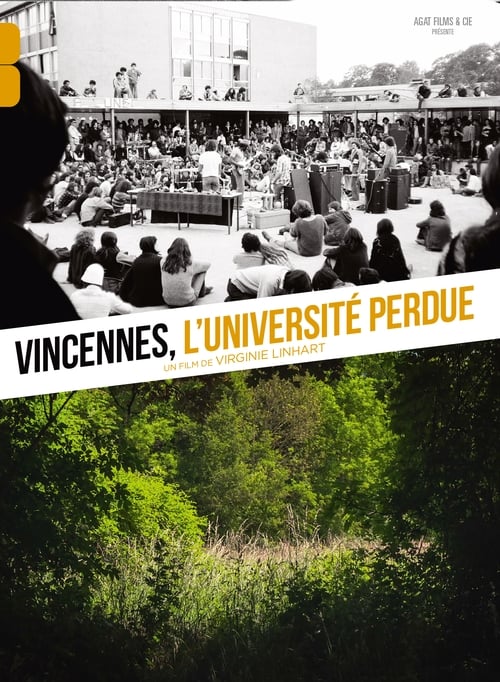
Recounts the epic of Vincennes Experimental University Center, from its creation after the events of May 68 until its demolition in the summer of 1980. To talk about Vincennes is to relive unique ten years of intense intellectual and political extravaganza, educational and artistic inventiveness, utopias, hopes, and betrayals that marked the history in a unique place, the forest with the eponymous name.