
Action
Adventure
Animation
Comedy
Crime
Documentary
Drama
Family
Fantasy
History
Horror
Music
Mystery
Romance
Science Fiction
Thriller
War
Western
Found 20 movies, 2 TV shows, and 0 people
Can't find what you're looking for?
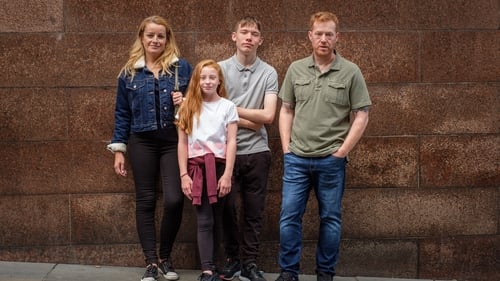
Hoping that self-employment through gig economy can solve their financial woes, a hard-up delivery driver and his wife struggling to raise a family end up trapped in the vicious circle of modern-day labour exploitation.
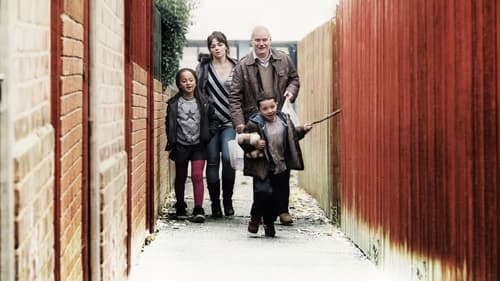
A 59-year-old carpenter recovering from a heart attack befriends a single mother and her two kids as they navigate the impersonal, Kafkaesque benefits system. With equal amounts of humour, warmth and despair, the journey is heartfelt and emotional until the end.
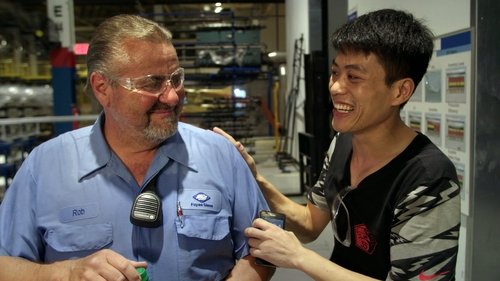
In post-industrial Ohio, a Chinese billionaire opens a new factory in the husk of an abandoned General Motors plant, hiring two thousand blue-collar Americans. Early days of hope and optimism give way to setbacks as high-tech China clashes with working-class America.
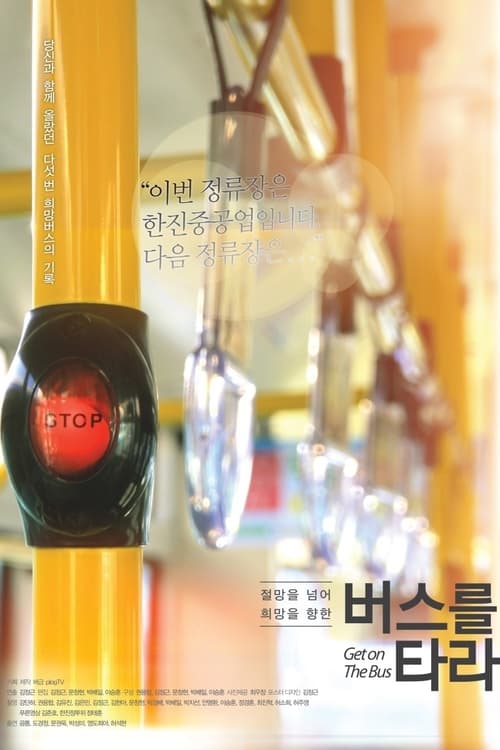
In 2011, social network and the Hope Bus initiated a new movement which fractured the firm and unilateral media while demanding the arrogant political and financial circles to be awakened. They jumped over the high fences of Hanjin HIC using their mobile phones and ladders and finally embraced the moment when the rally became a festival. The Hope Bus slowly evolved to become a great big carnival that invited anyone and everyone to join in.
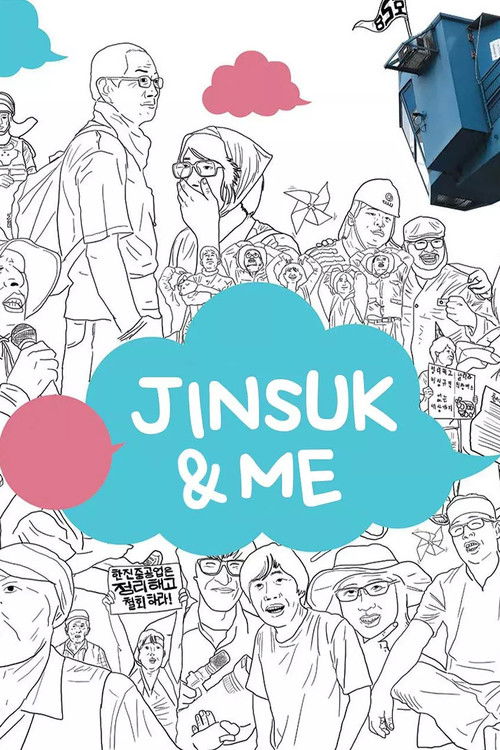
I have been pretty satisfied with my life before I got on the bus. When I do in June 2011, my whole life turns upside down. I am just a regular passenger at first. Like other people I was sorry, and felt obliged to help and care for other passengers. Then I begin to film these common heroes with my camera. Those who speak about hope, who provide it and get on the bus, Ms. Kim Jin-suk, and other crane laborers who risk their safety while demonstrating for their rights on high. She, while stationed insecurely on high, begins interacting with the world through Twitter and makes friends. Then I realize I really love her. Will we have her back safely?
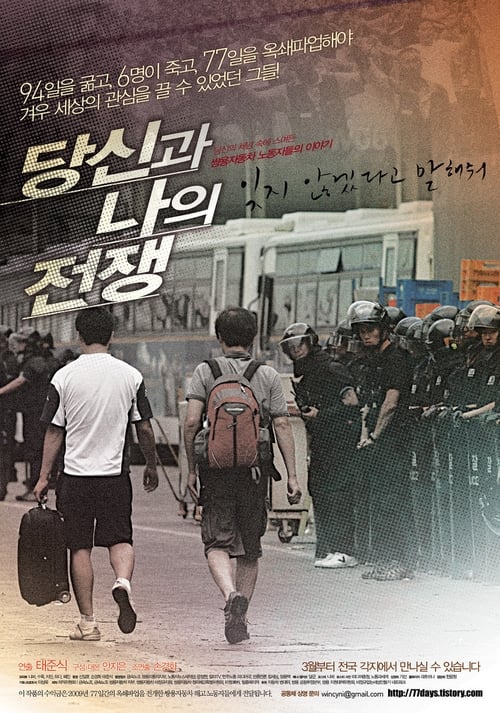
With the unexpected dismissal of 2045 workers, the strike by Ssangyong employees has received the most public support and attention since the IMF. It was an intense period inside and outside the factory.

Working-class Angie, sacked from a recruitment agency for bad public behaviour, teams up with her flatmate to run a similar business from their kitchen. With immigrants desperate for work, the opportunities are considerable, particularly for two girls so in tune with these times.

In the late 19th century, a former high school teacher turned unionist tries to organize workers laboring with inhuman conditions at a textile factory in Turin, Italy.
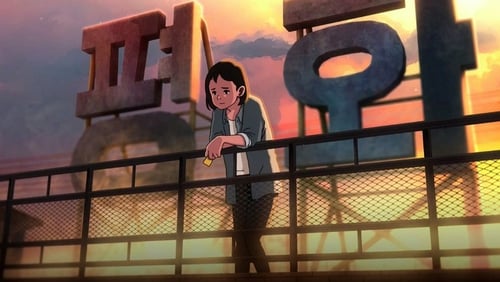
When Taeil gets hired as a tailor's assistant, he dreams of becoming a fully-fledged tailor to be able to financially support his family. But he finds himself constantly reminded of the laborers' inferior working conditions. The young 22-year-old Taeil decides to confront the reality and become the flame of hope himself.
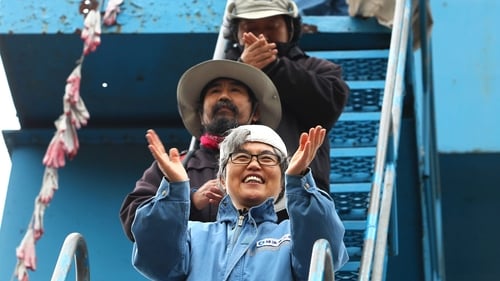
The workers talk about the pleasure of starting work in a shipyard, the pride of making the vessel, and the recognition of workers and the high spirit of their novel struggle. There was solidarity everywhere, even in each other's mind. But there is no more energy in Hanjin Shipyard. The workers have been laid-off and the strike shows no sign of stopping. A 34 year-old worker committed suicide as well. It's the fourth who has become a martyr for the cause. Why have the laborers who worked at Hanjin shipyard separated like this? They are starting to ask themselves why they decided to hate each other.
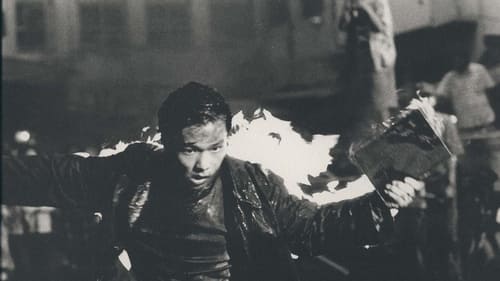
Activist and law school graduate Kim is being persecuted by the mid-’70s Park regime for trying to write a book about Jeon Tae-il, a union activist who immolated himself at age 22 to protest government hypocrisy.
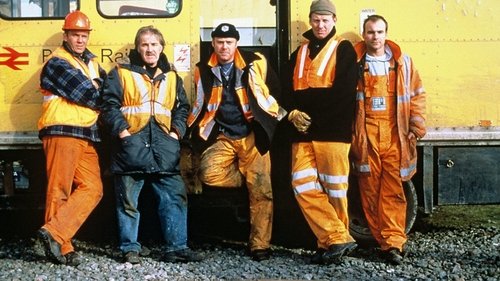
In South Yorkshire, a small group of railway maintenance men discover that due to privatisation, their lives will never be the same. When the trusty British Rail sign is replaced by one reading East Midland Infrastructure, it becomes clear that there will be the inevitable winners and losers as downsizing and efficiency become the new buzzwords.

After spending 25 years as a domestic worker, Edilsa faces the reality of unemployment in an era where all the rules seem to have changed.
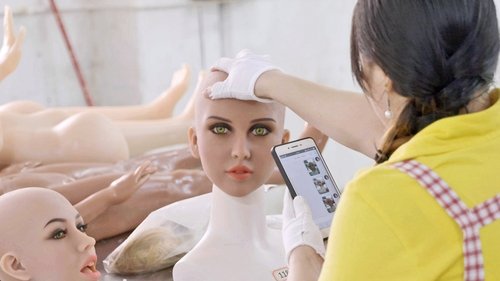
The film explores the pursuit of the “Chinese Dream.” Driven by mesmerizing—and sometimes humorous—imagery, this observational documentary presents a contemporary vision of China that prioritizes productivity and innovation above all.

In response to a sudden dismissal of staff, workers at a big retail store begin a protest against their employer's oppressive labor policies.

The film depicts the story of four people working in a sewing factory in Guro Industrial Complex in Seoul and the problems they face.

In this short film, we follow the life cycle and transformation of sugarcane from harvesting, through the milling and boiling process, culminating in the production of the molasses stage. The film focuses on the historical character and community life in a rural area of the high hinterland of Paraíba. It is a record of the knowledge of the workers at the Silva sugar mill through sound experiments and comedic interludes.

Based on the inspiring true story of Lilly Ledbetter, an ordinary Alabama tire factory supervisor who discovers she's being paid less than her male peers. Her fight for fair pay takes her to the Supreme Court and Congress, while powerful forces try to shut her down. Lilly refuses to accept the status quo and has the courage to fight for what is right.

María and Isabel are two women in their fifties who, like many others, recycle in Quito, where there is no recycling system. María leads a collective fight for basic labor rights; while Isabel transmits her knowledge of environmental care while she raises her daughters.

The drastic economic development in South Korea once surprised the rest of the world. However, behind of it was an oppression the marginalized female laborers had to endure. The film invites us to the lives of the working class women engaged in the textile industry of the 1960s, all the way through the stories of flight attendants, cashiers, and non-regular workers of today. As we encounter the vista of female factory workers in Cambodia that poignantly resembles the labor history of Korea, the form of labor changes its appearance but the essence of the bread-and-butter question remains still.