
Action
Adventure
Animation
Comedy
Crime
Documentary
Drama
Family
Fantasy
History
Horror
Music
Mystery
Romance
Science Fiction
Thriller
War
Western
Found 33 movies, 3 TV shows, and 0 people
Can't find what you're looking for?

An appreciation by Jan-Christopher Horak, Director of the UCLA Film & Television Archive
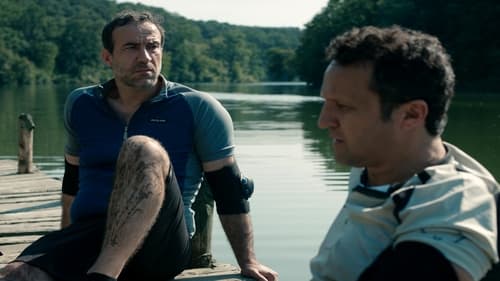
After the suspicious death of his best friend Nic, Stefan, a fifty-year-old businessman, uncovers the unknown part of their relationship and has to come to terms with his new life.
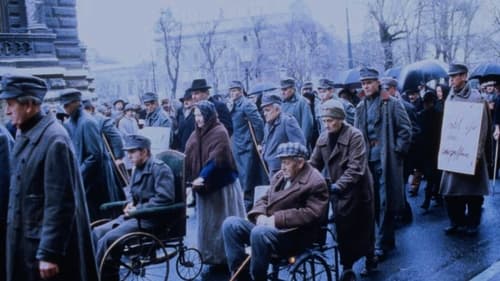
The disabled ex-soldier Andreas Pum lost a leg for emperor and father land. After leaving the army he receives a license and a drehorgel. One day he gets into a controversy with a welldressed gentleman, disturbs the public order, and hits a policeman. Andreas Pum goes to jail, loses his license and becomes toilet guard in the Cafe Halali after his release. Only at the moment of death he recognizes that he was always too decent and too obedient.
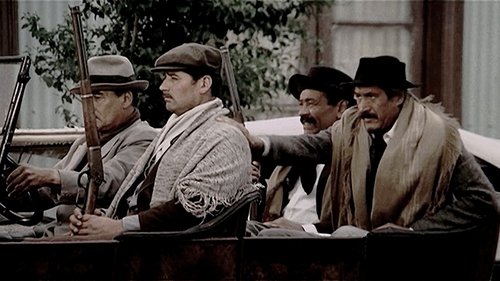
In 1920, workers from Patagonia, in Southern Argentina, gather around an anarcho-syndicalist society and go on strike, demanding better working conditions. When the situation turns unsustainable, President Yrigoyen sends Lieutenant Colonel Zavala to impose order.
Following the Watts Uprising, UCLA’s School of Theater, Film and Television enacted affirmative action policies to increase the enrollment of students of color in its film program—a group that had historically been underrepresented in the student population. The “ethno-communications” initiative to recruit students from Black, Asian, Chicano and Native American communities took on a movement of its own, when a critical mass of Black student filmmakers emerged known as the “L.A. Rebellion.” Includes interviews with Ben Caldwell, Larry Clark, Sandy Osawa, Eddie Wong and more.
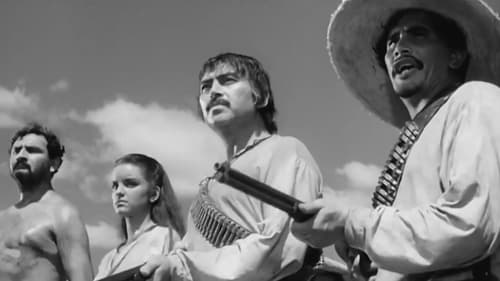
A peasant who works in a mahogany camp in the Mexican jungles with his family is disgusted with the miserable living conditions imposed upon himself and his co-workers, the peasant finally spearheads a revolt against the sadistic bosses.

Kitty, the pretty young wife of a Texas businessman, feels neglected and unwanted as her husband pays more attention to his business interests than he does to her and spends more and more time away from home. A handsome young neighbor notices her emotional state and decides to try to take advantage of it. In her confused and lonely condition, Kitty finds herself attracted to the man and begins to think about running away with him.

The legendary story of a folk hero's rebellion against an oppressive empire, fighting for his freedom and forever altering the course of Yoruba history.
Across the country, every Friday and Saturday night, they gather in the temples to perform ceremonial dances to a rhythm that seems to reach back in time. It's called the beat." A quickie documentary, originally paired on a drive-in double bill with "Mondo Mod," claims to provide the lowdown on crazy teenage goings-on around the globe. We are shown glimpses of the Los Angeles Sunset Strip teen riots, The Paris student revolt, and the English mods and rockers running wild in Brighton. Things soon wind down to such critical issues of the day as go-go dancing, striped hip huggers, bikers, and surfing, all of which are seen to have worldwide popularity.

A group of rebels travel the outskirts of space evading the sinister Alliance regime. Their lives of smuggling and cargo-running are interrupted by a psychic passenger who harbours a dangerous secret. Soon, the crew find themselves being pursued by an Alliance agent who will stop at nothing to find them.
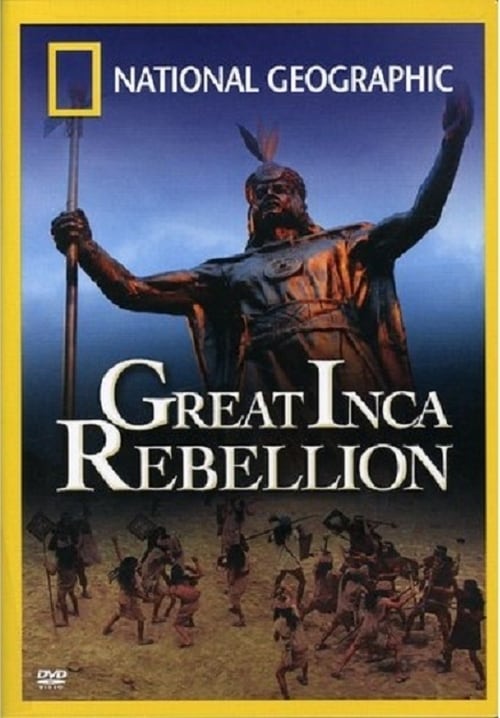
Through a mix of crime-lab science, archeology, and history, this NOVA/National Geographic special presents new evidence that is changing what we know about the final days of the once-mighty Inca Empire.
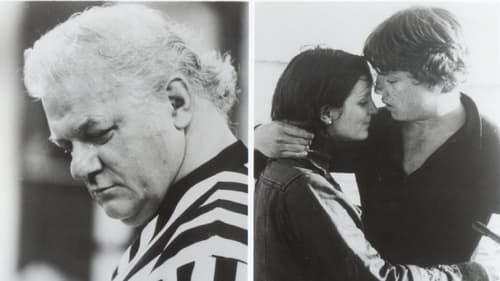
After he transfers to a new school, Hadley is victimized and ostracized by his too-cool classmates. To prove his worth, our hero takes up wrestling, and before long he’s the school champ, thanks to the input of coach Ball, a washed-up alcoholic who finds redemption through Hadley’s example.
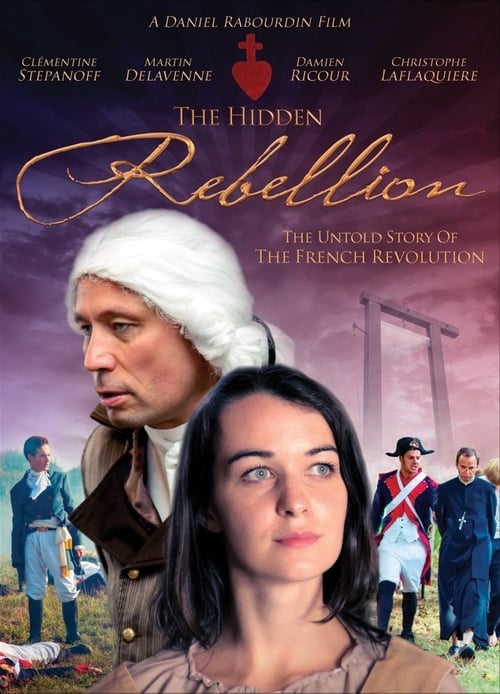
The Hidden Rebellion is a docudrama about an 18th Century popular uprising against the French Revolution, and how the rebellion was brutally suppressed by the Revolutionary armies. Victorious at first, the Vendean farmers of Western France are ultimately exterminated in a mass-slaughter of 150,000 inhabitants -- largely women, children and clergy -- in what would become one of Europe's first modern genocides.
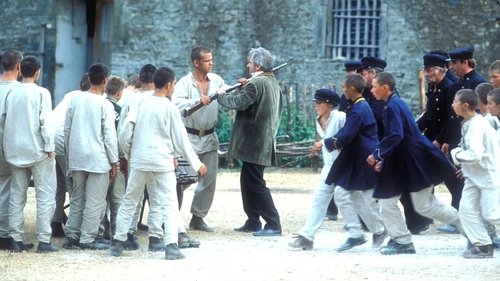
In the 19th century, children -- particularly the children of the poor -- were considered to be an exploitable resource of docile and cheap labor. Anyone who had the effrontery to steal so much as a portion of a loaf of bread for any reason would (at the very least) go to prison, regardless of their age. However, people of conscience were beginning to protest against this situation. The story takes place in a prison for children where conditions are particularly harsh. The warden is a thick-headed martinet who demands complete compliance with the rules, or the children will be brutally dealt with. The assistant warden is a more modern man, and is appalled by the whole institution, but seeks to begin by reforming it. To that end, he has invited a journalist to come and see the conditions that prevail there, in the hopes that she will rouse public opinion against at least this one form of injustice.
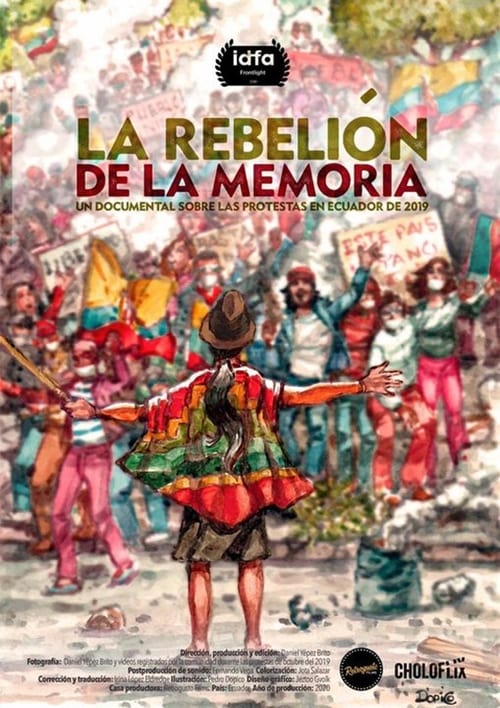
It became world news in October 2019 when economic reforms in Ecuador led to gas prices suddenly shooting up by 123 percent. People from urban and indigenous communities united in protest. In The Rebellion of Memory we follow the events through their eyes, as the country’s capital, Quito, descends into smoke-filled chaos.
Former child soldier Carlitos wants to unite his wartime parents. But Tania and Shogún are no regular parents. Carlitos chose them as his mother and father although they were enemies in the Peruvian civil war.
This film is a beautiful musical documentary about a key band of Touareg music: Tinariwen. They represent Touareg rock, a mix between a sharp BB King and frantic muezzins. It is a cry for uprising, wandering, love, a nomadic blues popular outside Mali's frontiers. It is the new Touareg culture.

Is it possible for the entire world to switch to decentralized and renewable energy sources by 2030? In this inspiring documentary, we meet with German politicians, scientists, farmers, social workers, activists and visionaries who say yes, and who all push forward for a global change in climate by changing the local power supply sources to renewable energy. Director Carl-A. Fechner is not ready to give up on our planet just yet, and POWER TO CHANGE is a welcome antidote to the pessimism that defines our era's visions of the future.

A young girl Abigail lives in a city whose borders were closed many years ago because of an epidemic of a mysterious disease. Abby's father was one of the sick - and he was taken when she was six years old. Going against the authorities to find his father, Abby learns that her city is actually full of magic. And she discovers in herself extraordinary magical abilities.
From the rediscovery of Argentine documentary cinema, cruelly persecuted and hidden by the Argentine dictatorship, filmmakers from very different political and social backgrounds embarked on a collective aesthetic and counter-information movement that accompanied the struggles against the neoliberal project of the 1990's and uprising of December 19 and 20, 2001. From this movement, a reactivation of Argentine documentary filmmaking was generated, which today, almost coming full circle, is more present than ever.
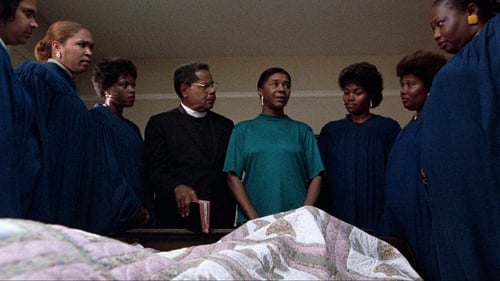
An enigmatic drifter from the South comes to visit an old acquaintance who now lives in South-Central LA.
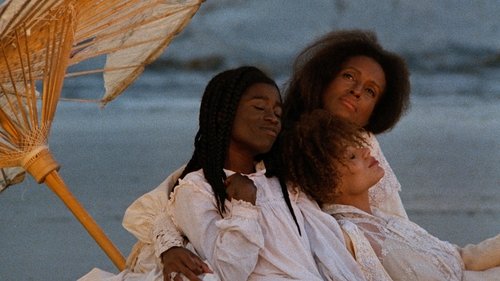
In 1902, a Gullah family on the Sea Islands off South Carolina decide whether to migrate to the mainland, risking their unique cultural heritage.
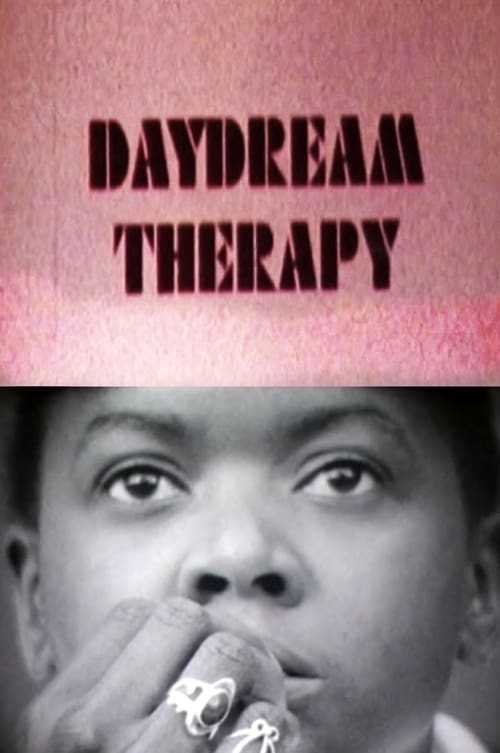
Daydream Therapy is set to Nina Simone’s haunting rendition of “Pirate Jenny” and concludes with Archie Shepp’s “Things Have Got to Change.” Filmed in Burton Chace Park in Marina del Rey by activist-turned-filmmaker Bernard Nicolas as his first project at UCLA, this short film poetically envisions the fantasy life of a hotel worker whose daydreams provide an escape from workplace indignities. —Allyson Nadia Field
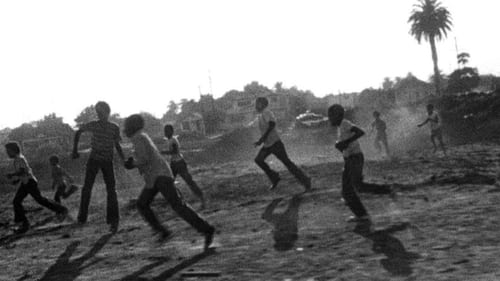
An African-American man working at a slaughterhouse in the Watts area of Los Angeles leads a dissatisfied and listless existence.
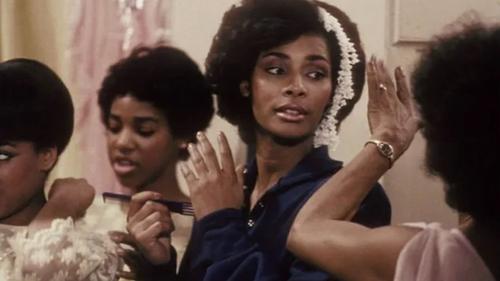
A young African-American man, living in Los Angeles without direction in his life, reluctantly agrees to be the best man for his brother, an upwardly mobile lawyer.
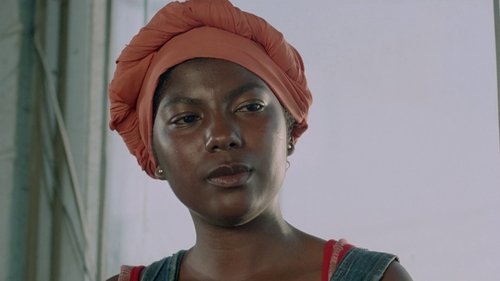
A naive young woman moves from the South to stay with her aunt and uncle in Compton. As an outsider, she struggles at first to find her footing, but soon falls into the middle of a community of rebellious youth. She soon becomes more and more aware of the social injustices of the big city.
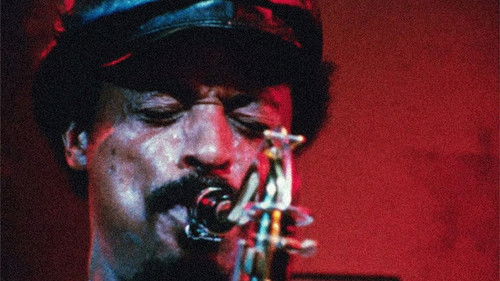
Eddie Warmack, an African American jazz musician, is released from prison for the killing of a white gangster. Not willing to play for the mobsters who control the music industry, including clubs and recording studios, Warmack searches for his mentor and grandfather, the legendary jazz musician Poppa Harris.
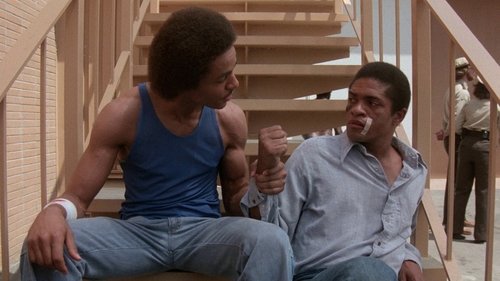
A hitchhiker named Martel Gordone gets in a fight with two bikers over a prostitute, and one of the bikers is killed. Gordone is arrested and sent to prison, where he joins the prison's boxing team in an effort to secure an early parole and to establish his dominance over the prison's toughest gang.
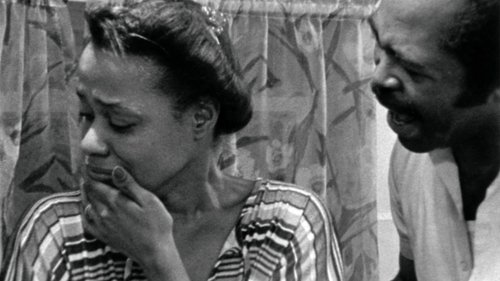
Charlie Banks, chronically unemployed, struggles to find dignity and a meaning for life in the impoverished Los Angeles neighborhood of Watts.

Filmed in response to the LAPD’s shooting of Eulia Love in 1979, Gidget Meets Hondo opens with stills taken by Bernard Nicolas of a demonstration against Love’s killing. Nicolas’ Gidget is a self-absorbed young white woman who remains clueless to the violence erupting around her, ultimately to her own peril. The film asks whether such police brutality would be tolerated if the victim were a middle-class white woman.
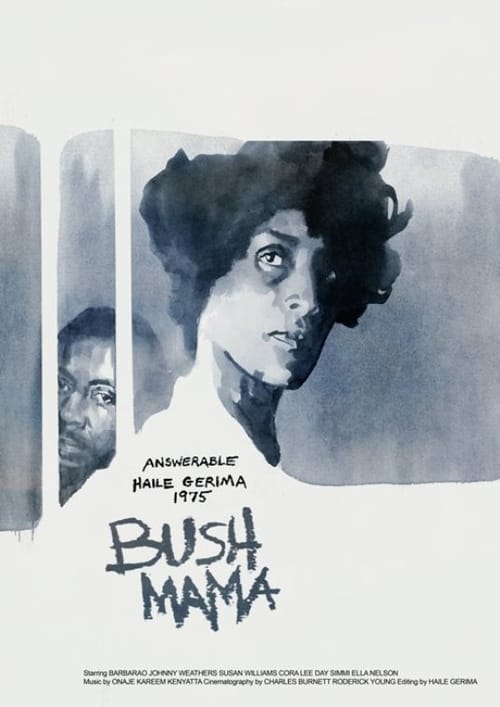
Dorothy is a poor black woman. Her husband is put in jail for no observable reason, and she is pregnant with a second child. The government threatens to take away her welfare if she does not get an abortion.

Ashes and Embers is an original screenplay by Haile Gerima, about a Vietnam veteran, who, several years after the war, is struggling to come to terms with his role in the war, and his role as a Black person in America. He survives by working odd jobs in Washington, D.C. and living with his girlfriend and her son. When criticism of his alienated behavior come from her and a father figure too often, he runs to the streets or to his grandmother's rural house in Virginia. Her criticism and his memories of the past both send him fleeing again to Los Angeles, where he is surrounded by superficial people who have forgotten how to be compassionate human beings. It is here that the advice of his friends and grandmother combine to transform him from an embittered ex-soldier to a strong and confident man.
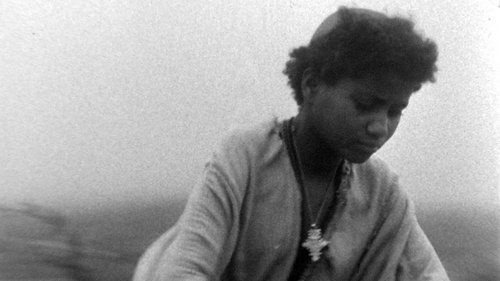
In this meditative film the everyday lives of poor Ethiopian peasants are shown using documentary as well as storytelling techniques, with its drama arising out of the timeless yet persistent issues of their lives.