
Action
Adventure
Animation
Comedy
Crime
Documentary
Drama
Family
Fantasy
History
Horror
Music
Mystery
Romance
Science Fiction
Thriller
War
Western
Found 25 movies, 21 TV shows, and 0 people
Can't find what you're looking for?
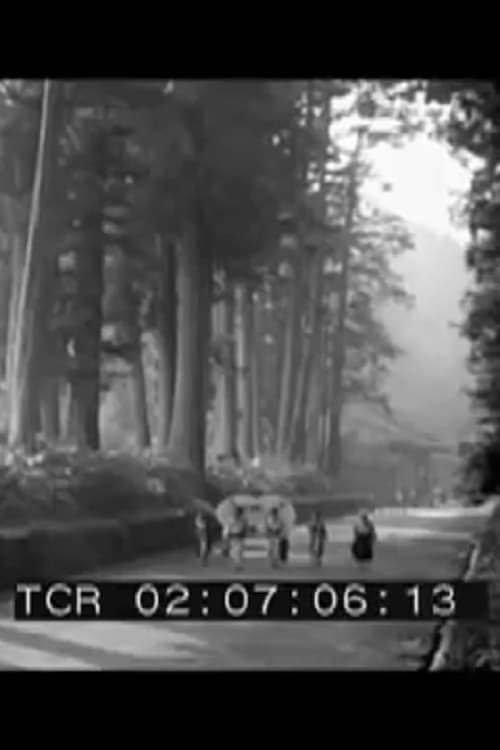
Street scenes shot by Burton Holmes in Kyoto and the shrines and temples of Nikkō, Japan.

Collection of everyday scenes in Kyoto, Japan in the year 1929. These films were taken with the early Movietone sound cameras.
Mayumi Ogawa stars in the tale of a Turkey miss—basically a prostitute who services men in Turkish baths—whose plans to get rich in the stock market, open a beauty salon, and marry her sweetie are turned upside down by the arrival of her boyfriend-stealing half sister Mako Midori. - Pulpinternational
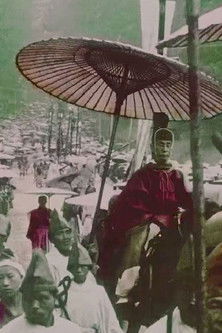
Early 20th century film footage of Japan.

Christina, on arriving in Japan, acquaints a Japanese man at the airport who looks like a sap. He takes her to his apartment where he brutally rapes her and keeps her hostage and bound in chains. Christina's alluring beauty eventually enchants the rapist and he is soon consulting his 'How to Stimulate a Woman' sex book in an effort to please her...
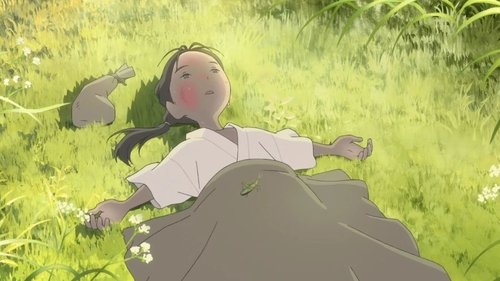
Kyoto during the Heian period (the 10th century) in Japan. Tens of thousands dead, gutters filled with corpses, children abandoned in the mountains, and groups of wild dogs vigilantly watching outside the city. The elegant image of the Heian period has been shown in many literary and artistic works. However, Katabuchi's new work takes us back to Kyoto a thousand years ago, when the city was shrouded in darkness due to repeated epidemics of plague.
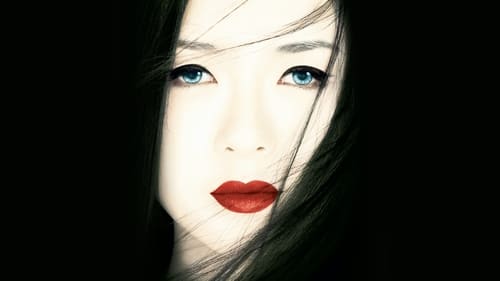
In the years before World War II, a penniless Japanese child is torn from her family to work as a maid in a geisha house.
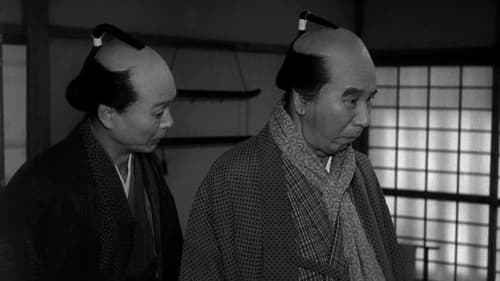
When the wife of a 17th century Kyoto scroll-maker is falsely accused of having an affair with his best employee, the pair flee the city and find themselves falling for one another.
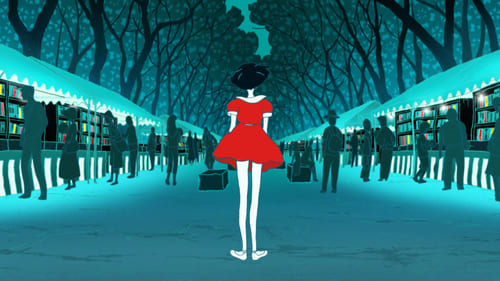
As a group of university students go out for a night on the town, a sophomore known only as "The Girl with Black Hair" experiences a series of surreal encounters with the local nightlife – all the while unaware of the romantic longings of "Senpai", a senior student who has been creating increasingly fantastic and contrived reasons to run into her in an effort to win her heart.
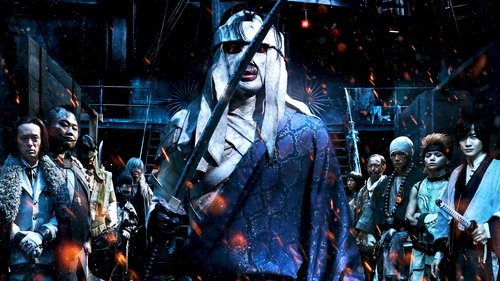
Kenshin has settled into his new life with Kaoru and his other friends when he is approached with a request from the Meiji government. Makoto Shishio, a former assassin like Kenshin, was betrayed, set on fire and left for dead. He survived, and is now in Kyoto, plotting with his gathered warriors to overthrow the new government. Against Kaoru's wishes, Kenshin reluctantly agrees to go to Kyoto and help keep his country from falling back into civil war.
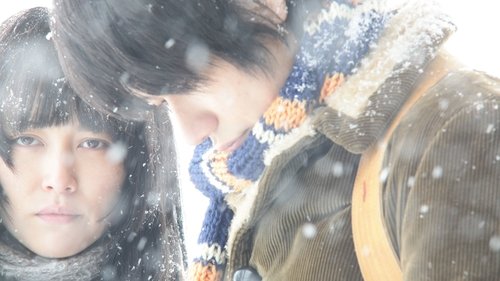
Toru recalls his life in the 1960s, when his friend Kizuki killed himself and he grew close to Naoko, Kizuki's girlfriend, and another woman, the outgoing, lively Midori.
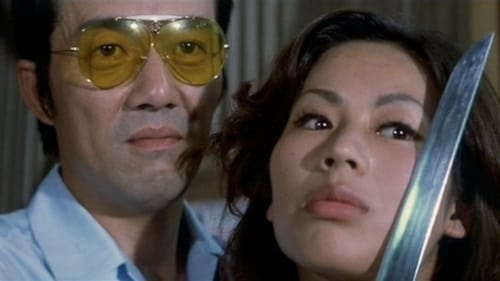
Sachiko is the leader of a girl gang from Shinjuku who wind up in Kyoto and make a bid to take over the local girl gangs there.
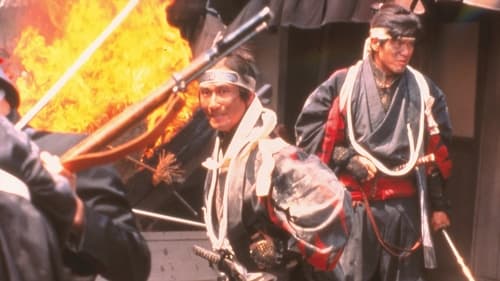
Kanichiro Yoshimura is a Samurai and Family man who can no longer support his wife and children on the the low pay he receives from his small town clan, he is forced by the love for his family to leave for the city in search of higher pay to support them.

The family of an older man who runs a small sake brewery become concerned with his finances and his health after they discover him visiting an old mistress from his youth.

In the early 1920s, Yasuko, a budding actress, crosses paths with Chūya Nakahara, a young poet destined to be revered as a genius. Drawn to each other by their shared pretentiousness, they begin living together and quickly fall into a complex relationship. Their lives take a dramatic turn when they move to Tokyo and are visited by Hideo Kobayashi, a friend of Chūya’s who would later emerge as one of Japan's foremost literary critics. This seemingly chance encounter not only alters Yasuko's fate but also entwines the three of them in an intense and inescapable destiny.
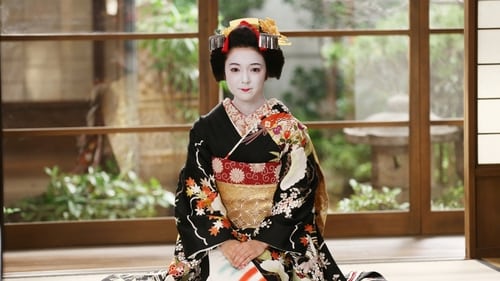
Country bumpkin Haruko only ever wanted to become a maiko, an apprentice geisha. Initially rebuffed for lack of references, Haruko's strong accent intrigues a linguistics professor, who undertakes to coach her.
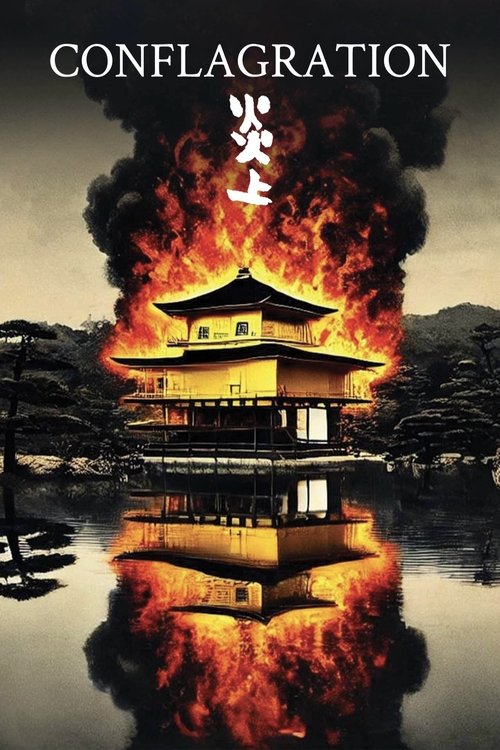
Learning of his family's collapse, acolyte Goichi, sent to study silently at the Temple of the Golden Pavilion, must endure acute psychological distress.

In the late 16th century, after the death of Nobunaga Oda, Hideyoshi Toyotomi takes power. The age of war is about to end, but Hideyoshi Toyotomi's rule makes life difficult for the people. Monk Senko Ikenobo is a master of flower arrangement. He prays for peace in the world and tries to give hope to the people with flower arrangement. He becomes good friends with Rikyu. Rikyu is a monk and a politician. He has the most profound influence on chanoyu. Rikyu is forced to commit hara-kiri by Hideyoshi Toyotomi’s order. Monk Senko Ikenobo challenges Hideyoshi Toyotomi.
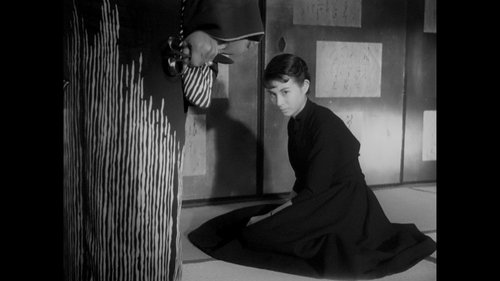
After living a traumatic experience in Tokyo, Yukiko returns to Kyoto, where Hatsuko, her mother, runs a brothel, which upsets Yukiko very much.
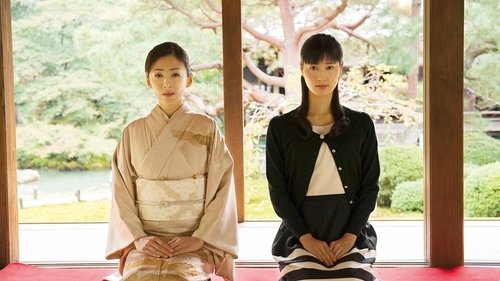
Chieko Sanda has operated a dry goods store in Kyoto for the past 20 years. Her family has owned the store for generations. Chieko is conflicted on whether her daughter Mai will take over her position with the changing of times. Mai is a college student and has not decided whether to take another job or take over the dry goods store. Meanwhile, Mitsuko Nakata runs a forestry in the outskirts of Kyoto. Mitsuko is Chieko Sanda’s twin sister, but they were separated at an early age. Mitsuko is in serious financial difficulties. Mituko's daughter, Yui, has talent in art and she goes to France. There, Yui feels a sense of powerlessness. Mitsuko notices and goes to Paris to see her daughter. Mai travels to Paris to take part in an event to show Japanese culture.
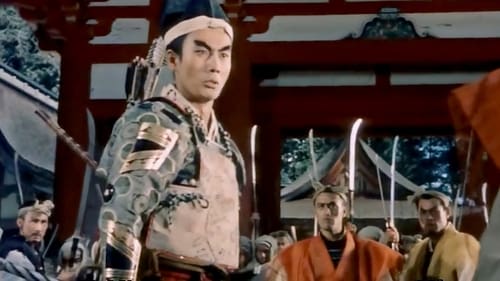
Japan, 1137. The Taira family, a samurai clan, becomes involved in the disputes between Emperor Toba and the monks of Mount Hiei.
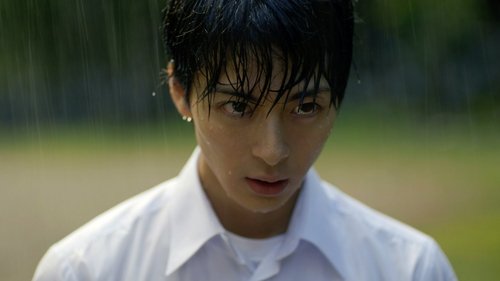
Born and raised in Kyoto, 17 years old Takatoyo spends all his summer holidays in his hometown. However, this time will be different. Takatoyo will experience his first love and first challenges, creating memories that will take him out of his ordinary life.
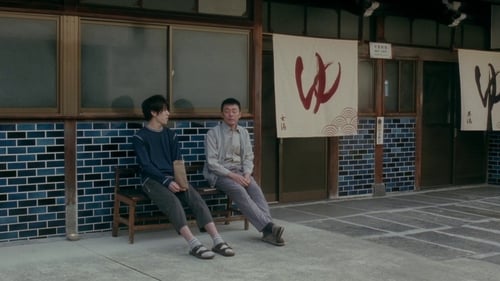
Set with three central figures, "Mother Water" describes the daily lives of people near the Kamo River in Kyoto, Japan.
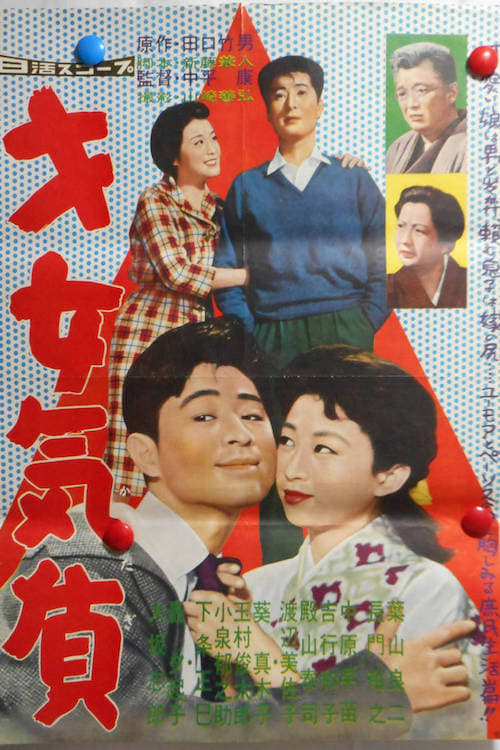
Set in an old merchant house in Kyoto, the film traces the passing of an era through the story of a parent and child.

After the closure of a coal mine leaves her husband unemployed, Fumiko travels from Kyushu to Kyoto with her daughter Kimiko, and they become hostesses at a cabaret.