
Action
Adventure
Animation
Comedy
Crime
Documentary
Drama
Family
Fantasy
History
Horror
Music
Mystery
Romance
Science Fiction
Thriller
War
Western
Found 36 movies, 10 TV shows, and 4 people
Can't find what you're looking for?
Documentary on various aspects of Kuwaiti life, the contrasts between a backward society that lives in the desert and a very modern society that lives in the city.
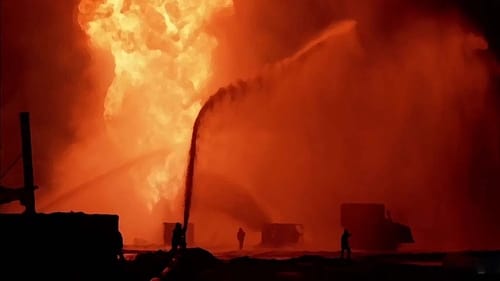
After Saddam Hussein had the Kuwait Oil wells lit up, teams from all over the world fought those fires for months. They had to save the oil resources, as well as reduce air pollution. The different teams developed different techniques of extinguishing the fires. Man's emergency creativity can be seen at it's best.

No description available for this movie.
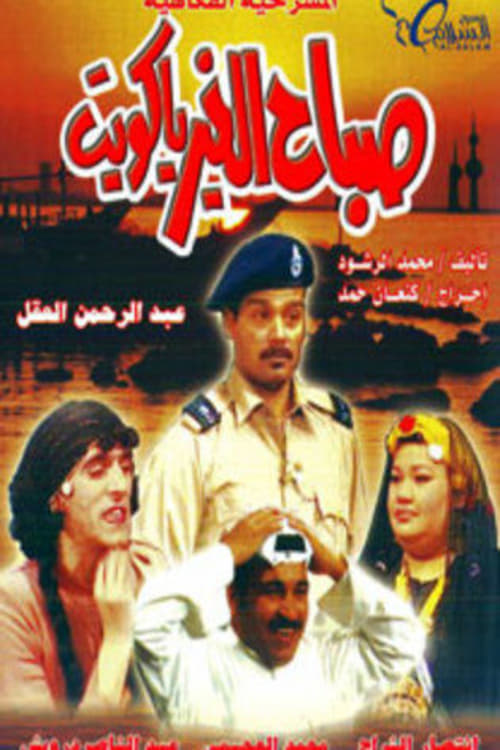
A Kuwaiti comedy play starring Abdulrahman Al-'Aqel, Intisar Al-Sharaah, Mohammed Al-'Ujaimi, Abdulnasser Darweesh.

NOVA covers the fight to put out Saddam Hussein's bonfire of oil wells in Kuwait, which has created the worst man-made pollution event in history. Fire fighting teams from Houston and elsewhere are faced with a Texas-size job.
"Kuwait in 2000" is a Kuwaiti comedy play that explores the future of Kuwait during, and after the decline of oil, produced on February 5, 1965

No description available for this movie.

Docudrama based on the events of August 1st/2nd 1990 and the drama that unfolded with British Airways Flight 149, after the outbreak of the Gulf War in Kuwait, and its invasion by Iraq.

Explores the rapid social evolution and economic transformation of Kuwait from a small pearling and trading community in the 1940s, to a country now occupying a pivotal position in world affairs.

We Die and Kuwait Remains is a documentary about Asrar Mohammed Al-Qabandi’s (a Kuwaiti martyr) significant role in the Kuwaiti resistance during the Iraqi invasion in the 90s. She joined the resistance since the first days of the siege as a link between inside and outside Kuwait, also prepared and implemented smuggling operation of an important civil documents that were on the Kuwaiti central bank computer to the Kuwaiti government in Saudi Arabia before Iraqi army obtain and destroy them. Furthermore, She forged the identities of foreigners and important figures were in Kuwait, protected them, and extended the Kuwaiti resistance with weapons and money. Thanks to her technical experience, She broke the media siege and was the first Kuwaiti woman talking to CNN about the killing, destruction, and violations that were happening in Kuwait.
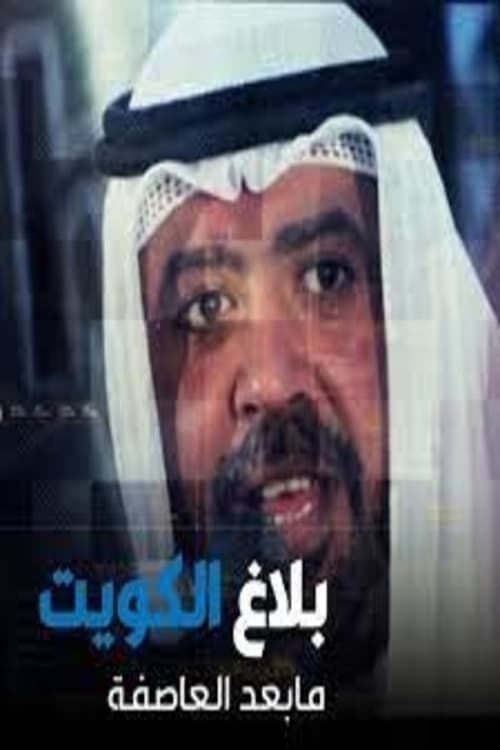
Last Friday 12 Sept. 2021 , the Swiss Criminal Court issued its first judgment against Sheikh Ahmed Al-Fahd Al-Sabah, President of the Olympic Council of Asia (resigned from him last Friday), the former Kuwaiti minister and a member of the ruling family, after convicting him of forging a Swiss arbitration award linked to a “fake coup plot.” Al-Fahd tried to promote it to eliminate his political opponents inside Kuwait, namely the former Prime Minister Sheikh Nasser Al-Mohammed Al-Sabah, and the late former Speaker of the National Assembly (parliament) Jassem Al-Kharafi, according to Reuters.
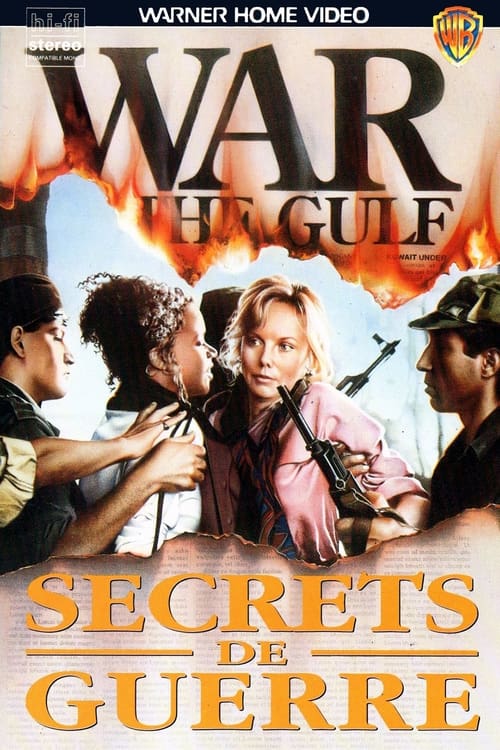
A follow up to Under Cover aka The Company (1991). Linda Purl is again Kate Del'Amico, National Intelligence Agent who travels to Kuwait in 1990 to investigate the possibility of an Iraqi invasion. When it is discovered that the Iraqi's plan to launch a missile of chemical warfare, the Agency must sacrifice trainee Sam Hamadi (Jesse Borrego) in order for the missile site to be pinpointed.

The story of a young Kuwaiti man who married an Egyptian during his studies in Egypt and had a son, then he left the son with his mother and returned to Kuwait in the hope of returning to them again, but he lost his memory in an accident.
A Vietnam veteran takes over the small Kuwaiti Cafe in downtown Melbourne and holds the manager hostage in a countdown to prevent the Gulf War
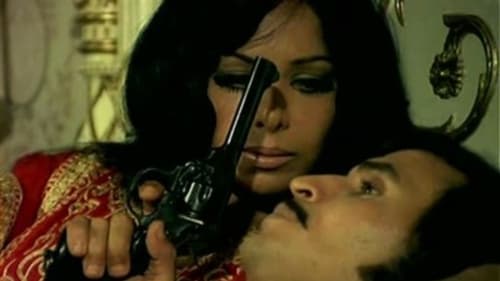
Wolves That Do Not Eat Meat is an Arabic narrative film from the adventure and suspense films produced in 1973, represented by Izzat Al-Alayli in the role of "Anwar", Nahed Sharif in the role of "Thuraya" and Mohsen Sarhan in the role of "Saleh", and from Kuwait Muhammad Al-Mansour in the role of "Al-Saffah" Khaled Al-Saqabi in the role of “The Officer” and Ali Al-Mufidi in the role of “Al-Akhras”, and from Lebanon Silvana Badrakhan in the role of “Linda” and Les Sirkisian or actress Iman as she was known later in the role of “Nihad”. And directed by Samir A. Khouri. All the movie clips were shot in the State of Kuwait.
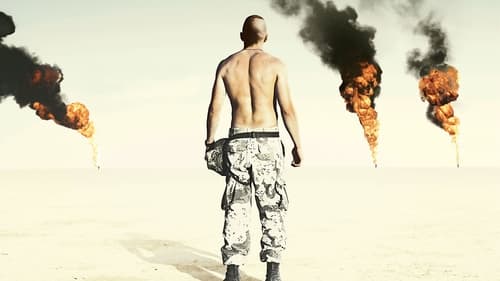
Jarhead is a film about a US Marine Anthony Swofford’s experience in the Gulf War. After putting up with an arduous boot camp, Swofford and his unit are sent to the Persian Gulf where they are eager to fight, but are forced to stay back from the action. Swofford struggles with the possibility of his girlfriend cheating on him, and as his mental state deteriorates, his desire to kill increases.
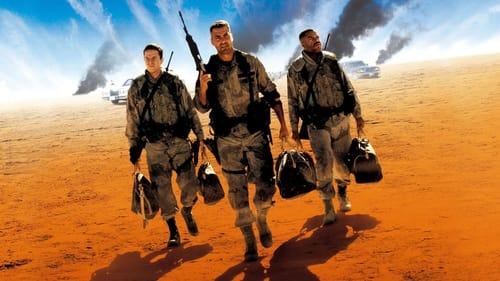
A group of American soldiers stationed in Iraq at the end of the Gulf War find a map they believe will take them to a huge cache of stolen Kuwaiti gold hidden near their base, and they embark on a secret mission that's destined to change everything.
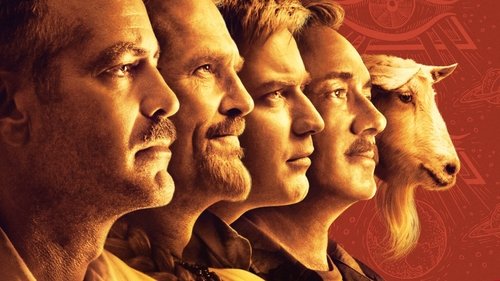
A reporter in Iraq might just have the story of a lifetime when he meets Lyn Cassady, a guy who claims to be a former member of the U.S. Army's New Earth Army, a unit that employs paranormal powers in their missions.

Years after his squad was ambushed during the Gulf War, Major Ben Marco finds himself having terrible nightmares. He begins to doubt that his fellow squad-mate Sergeant Raymond Shaw, now a vice-presidential candidate, is the hero he remembers him being. As Marco's doubts deepen, Shaw's political power grows, and, when Marco finds a mysterious implant embedded in his back, the memory of what really happened begins to return.
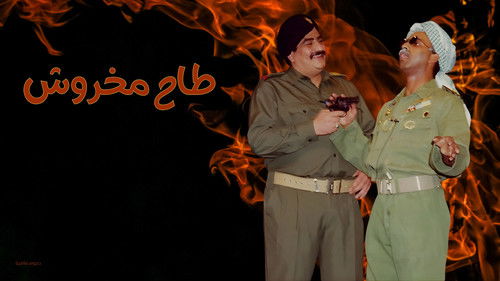
The play deals with the post-liberation stage of Kuwait from the Iraqi invasion, highlighting the political, economic and social issues and problems that came after liberation in a satirical comedy mold.

It's Fourth of July Weekend, and the recently discovered corpse of Sgt. Sam Harper rises from the dead to punish the unpatriotic.

Shortly after the Gulf War, oil fires were raging all through Kuwait. In the week before this sea of fire would be extinguished, Werner Herzog filmed this apocalyptic landscape with its murky skies, scorched earth and capricious flames.
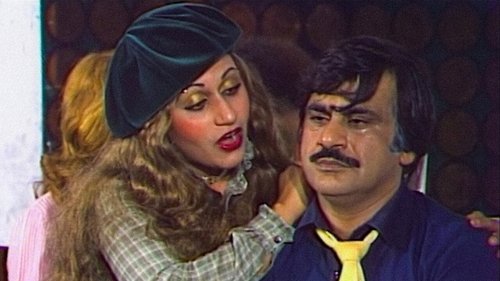
A comedy about an old married man that travels to London with his nephew who does his to save him from exposure to fraud, and being mugged in London, the play also covers some political aspects and projections in addition to social criticism of some of the Arab situations.

A dark Kuwaiti comedy that follows "Arab," an idealist who embarks on a fantastical journey with "Marjan the Genie" to unite the Arab world—only to confront a reality far from his hopes.

The story revolves around people who go out in the spring to the desert and hunt pigeons. A person sets off into the desert, and while he is out in the desert, his car breaks down on one of the sand dunes in bad weather conditions, which exposes him to very bad situations, and things get worse when a wolf appears in front of him. The wolf attacks the car and tries to get him.
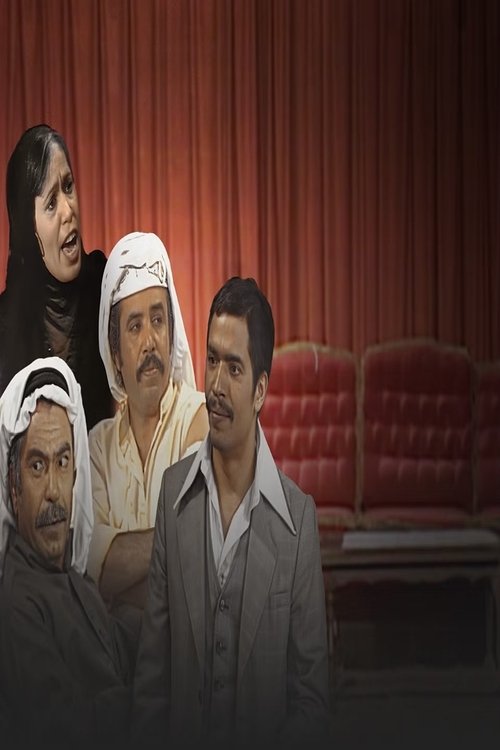
No description available for this movie.

A Kuwaiti comedic romance drama following the story of an accountant that fell in love with the daughter of his employer.
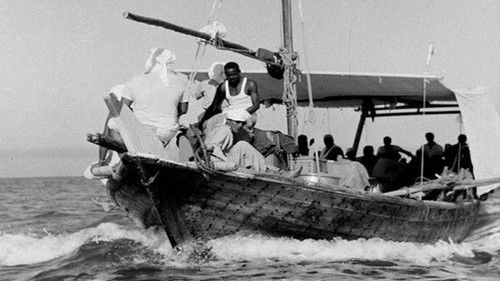
The first feature film to be made by the state of Kuwait. It is a period piece about Kuwait before the discovery of oil when fishing was the predominant occupation. Bas Ya Bahar is the story of a crippled pearl diver who forbids his son Mussaid to go to sea to dive for pearls.

The story revolves around two friends from an orphanage who, along with a friend, engage in theft and are nicknamed "The Thieves." They challenge the police to arrest them, until events occur that turn the story upside down.
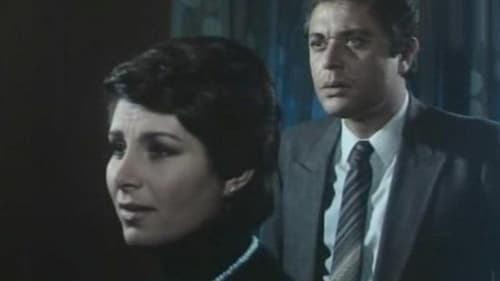
Mahmoud, a simple employee of the Ministry of Health, loves lawyer "Amal", who trains in the office of her teacher, "Ali Hammad", Mahmoud "travels" to Kuwait to improve his financial situation. Her wealthy professor escapes chasing her cousin, Fathi officer, Mahmoud settles in Cairo after returning from abroad and renews his hope to marry Amal after her husband's death. Bribery from "Ibrahim Al-Fakharani" to facilitate the process of importing rotten food for "Al-Fakharani". Amal defends him and accuses her cousin of fabricating the accusation. Mahmoud's order is revealed, he collapses and confesses that he is already bribed after he reaches his home to find that his brother, sister and children died after eating the canned food that he admitted to the country.

(Abdullatif) is a Kuwaiti soldier combing the sea area he is guarding on February 27, 1991, then the events move to a day after liberation, after he was drowned, found and captured by Iraqi soldiers, then he is alone on Boubyan Island, to face severe suffering.

A political and social play in which the old narrator preaches and guides during the Iran-Iraq war, the bombings that occurred in Kuwait and the attempted assassination of the Emir of the State of Kuwait during that period, and the clear difference in opinions between support for stopping the war on Iran and the positions of the President of Iraq.
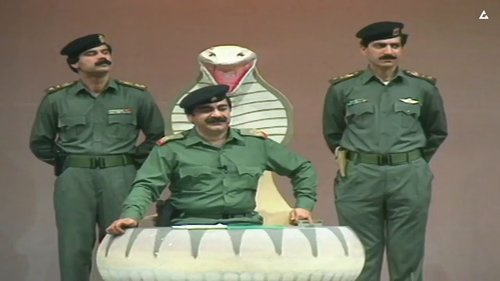
The play deals in a social comic framework, the period of the Iraqi invasion of Kuwait in 1990, and what was experienced by Kuwaitis and Iraqis alike during the aggression period, through the social changes that occurred in both societies in that period.

The Kuwaiti short film العاصفة (The Storm) explores Kuwait's social and economic shifts before and after the discovery of oil. Through the perspectives of an older father and his modernized son, it delves into the challenges of tradition versus rapid modernization.
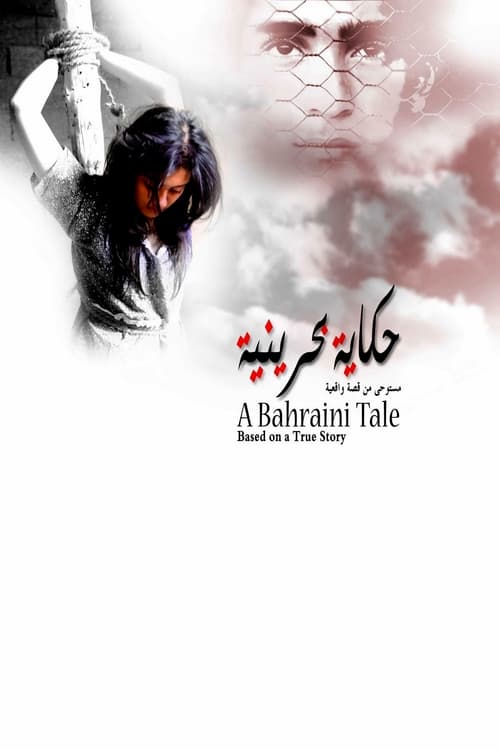
Set during the Arab-Israeli war of 1967, this epic drama is both the personal story of a middle-class Bahraini family and an account of the hopes and faith the Arab world had in Jamal Abdul Nasser as its leader. Intimately told, it skillfully interweaves the personal and the general to reveal a society built on male domination and female sacrifice, as women attempt to enjoy freedom of choice.
Salah and Daud Al-Kuwaiti, Jewish musicians in Iraq in the 1930's, are considered the creators of modern Iraqi music, and two of the greatest Arab musicians in history. In the 1950's they immigrated to Israel, where no one paid attention to their music. They forbade their family members to become musicians, lest they experience the same pain. Despite this, Daud's grandson, Dudu Tassa is a leading performer in today's Israeli rock scene. Releasing an album which features the original music of the Al-Kuwaitis in modern style, Dudu attempts to bridge time, space and culture, healing the family's pain.