
Action
Adventure
Animation
Comedy
Crime
Documentary
Drama
Family
Fantasy
History
Horror
Music
Mystery
Romance
Science Fiction
Thriller
War
Western
Found 32 movies, 1 TV show, and 1 person
Can't find what you're looking for?
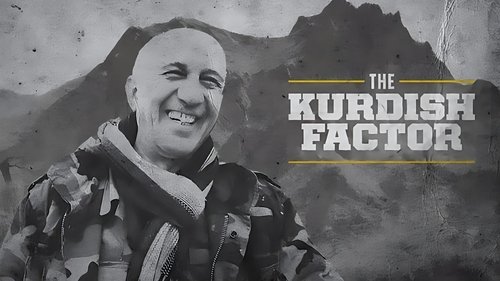
Democratic, pro-Western Iraqi Kurds are forward thinking, sensitive to women's rights, effective in the fight against ISIS and an important role in the 2 Gulf Wars. They stand on the threshold of an independent state and are a vital component in the establishment of long-term peace in the region.
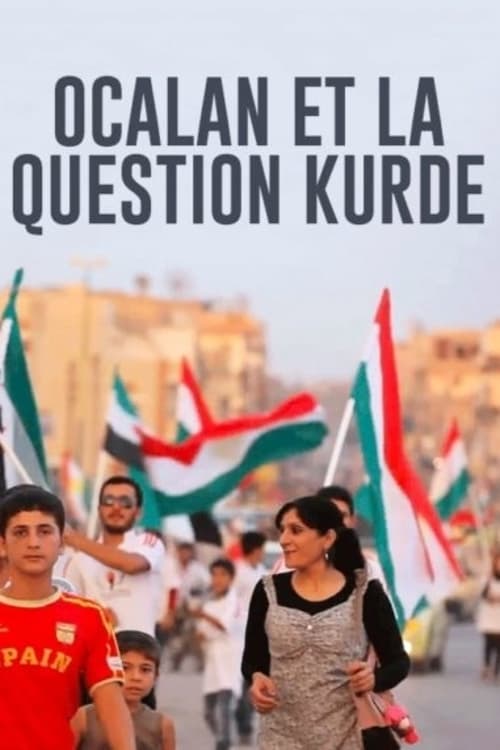
Kurdistan, partitioned between Iran, Iraq, Turkey and Syria, could play a major role in a torn Middle East. But who are the Kurds? What influence do they have? Who exactly is Abdullah Öcalan, the leader of the Kurdistan Workers' Party? An enlightening investigation by Luis Miranda.
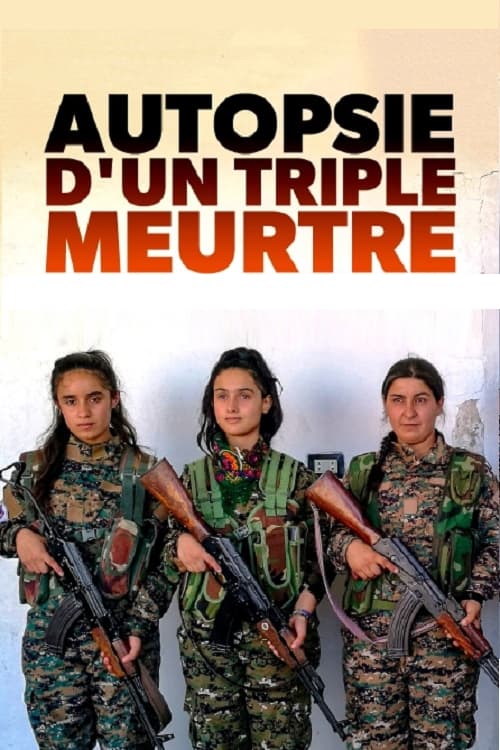
Documentary about the murder of three Kurdish women activists in Paris in 2013 and the investigations against an agent of the Turkish intelligence service MIT.
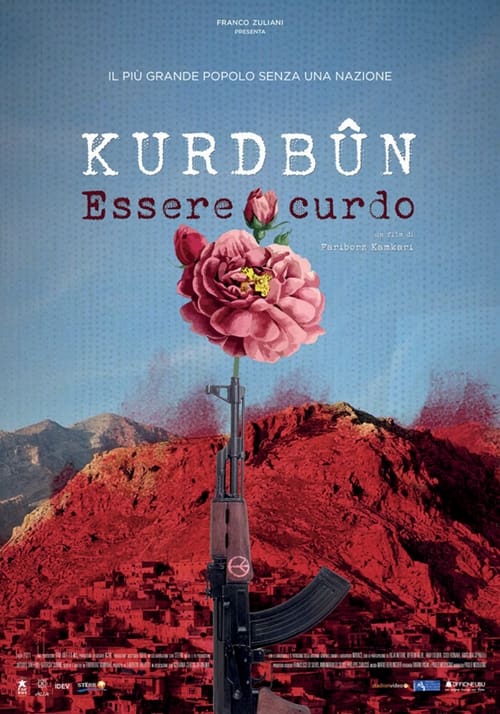
An impassioned documentary on the resistance of the largest population in the world without a state. Their identity perennially denied, told through dramatic unreleased footage filmed by a Kurdish journalist during the siege of Cizre in the Kurdistan that was yet never born
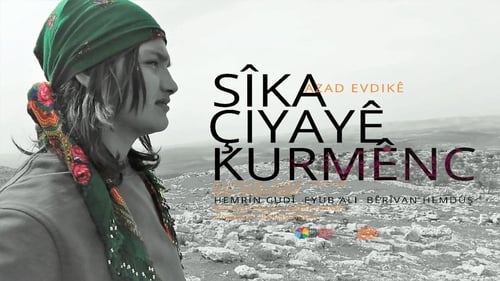
Documentary on the Turkish invasion of Afrin in Northern Syria in 2018.
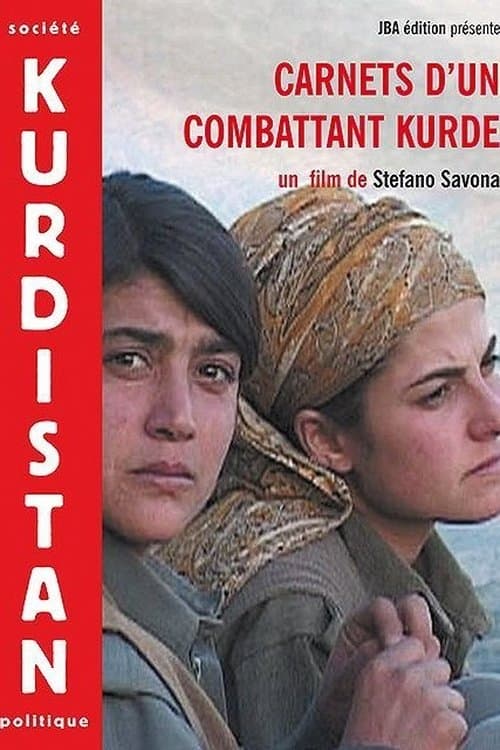
Akif left Germany to join up with the PKK guerrilla fighters. His diary records the doubts, dreams and political discussions that the fighters share as they march through the mountains, and in the meetings where the women criticize male prejudices.
No description available for this movie.
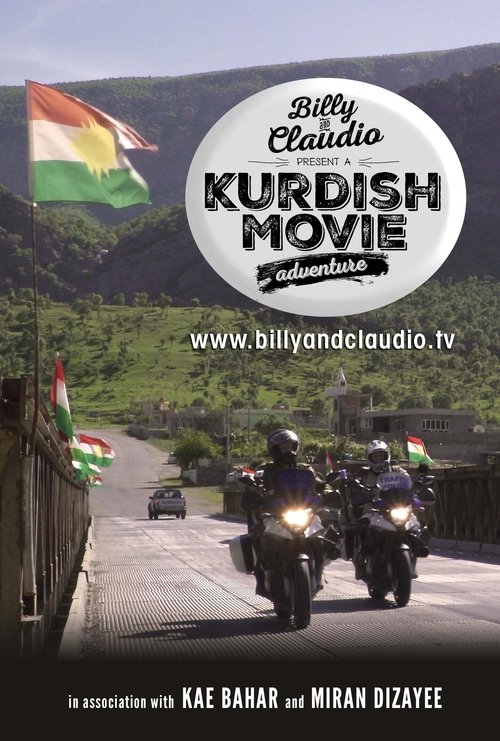
A quirky motorcycle adventure in Iraqi Kurdistan with the 'Long Way Round' cameraman Claudio von Planta and his fellow biker friend Billy Ward (Biketruck) and supported by the Kurdish filmmakers Kae Bahar and Miran Dizayee.

The Kurdish lover is Oktay, the man with whom I share my life. We went to his village in Kurdistan, a region brought to a standstill by war. At this place, loving someone can become confused with having a hold over them. It is with humor that the characters featured in this film find ways, within their community, to affirm that they truly exist. A shaman goes into trance in front of the television, a hermit dreams of marriage, a shepherdess wants to leave the top of the mountain, soldiers watch over the village, a man from Europe goes off to request the hand of a young woman. It is through these situations that we discover the reality of families doing what they can to find a way of living together, to take the best – or the worst – from each moment.
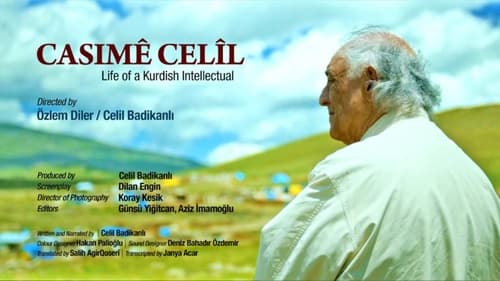
Casimê Celîl was born into a Yezidi Kurdish family in 1908, in a village called Kızılkule, located in Digor, Kars. The village and family life, which he longed to remember throughout his life, ends with the massacre they endured in 1918. During his long road to Erivan, Armenia, he lost all his family members. Left all alone, Casim was placed into an orphanage and was forced to change his name. To remember who he was and where he came from, every morning he repeated the mantra “Navê min Casim e, Ez kurê Celîlim, Ez ji gundê Qizilquleyê Dîgorê me, Ez Kurdim, Kurdê Êzîdî me”, which translates to: “My name is Casim, I am the son of Celîl, I come from the village of Kızılkule in Digor, I am a Kurd, and I am Yezidi”. He clings to every piece of his culture he can find, reads, and saves whatever Kurdish literature or art he comes across. As the year’s pass, Casim finds himself with an impressive collection of Kurdish culture and history.

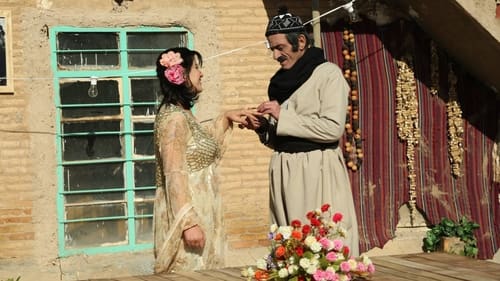
Ka Nooreh (Reza Pashabadi), the father of Shah Mamah (Abedin Rezaei), who lost his wife years ago, decides to marry Aghdas (Kajal Fattahi), the sister of Sia (Asad Faridi), who has come from the city to the village for a funeral ceremony.
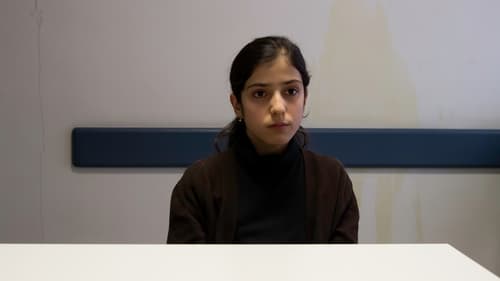
Fatma and her mother are Kurdish refugees living in Italy. One day at the hospital, Fatma learns her mother has breast cancer.
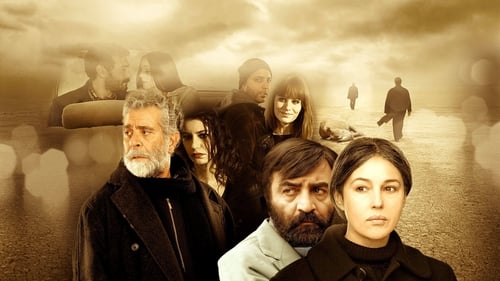
Kurdish-Iranian poet Sahel has just been released from a thirty-year prison sentence in Iran. Now the one thing keeping him going is the thought of finding his wife, who thinks he's been dead for over twenty years.
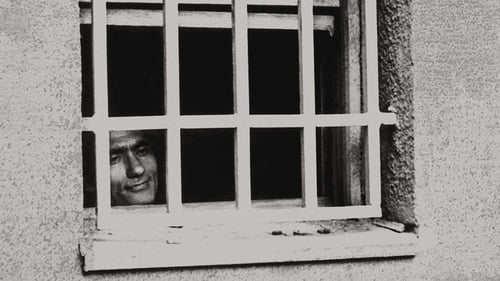
Director Hüseyin Tabak explores the legacy of Yilmaz Güney — political dissident, convicted murderer, and visionary Kurdish filmmaker — who directed the 1982 Palme d'Or–winning Yol from inside prison and died in exile just two years later.
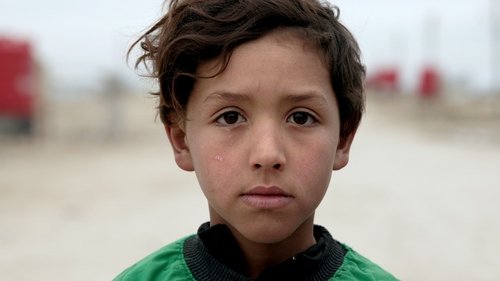
A look back over nine years of the Syrian Civil War, an inextricable conflict, like a black box, due to the competing interests of the many factions in presence and those of the foreign powers.
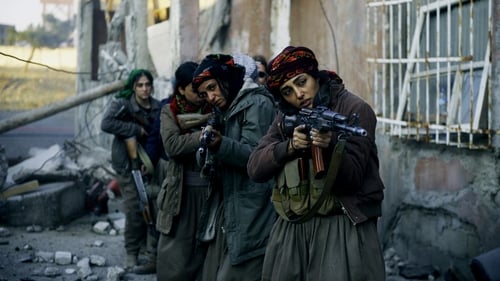
Bahar, the commanding officer of the Daughters of the Sun, a battalion made up entirely of Kurdish female soldiers, is on the cusp of liberating their town, which has been overrun by ISIS extremists.

A priceless tablet of Gilgamesh, the oldest and most important work of literature is stolen from a museum. A security guard vows to do whatever it takes to get it back from a group of smugglers. Along the way, he faces his own inner demons.
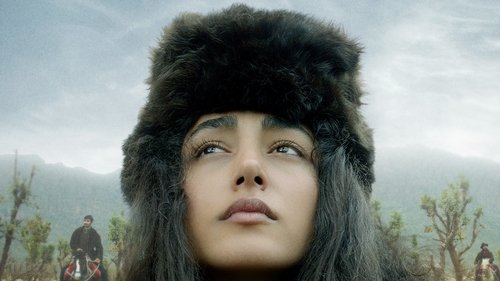
Baran, a war hero, becomes sheriff of the capital and refuses to bow down to a tribal chief.
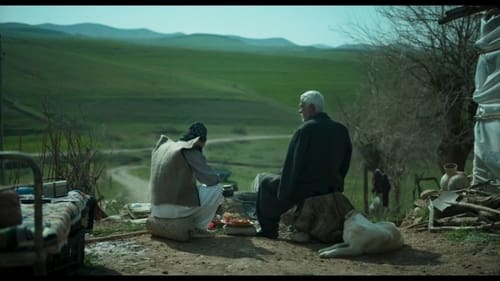
In the winter of 1988, in the depths of the Iraq/Iran war, the border town of Halabja was attacked by chemical weapons with all its people and their different stories.

This Rain Will Never Stop takes the audience on a powerful, visually arresting journey through humanity’s endless cycle of war and peace. The film follows 20-year-old Andriy Suleyman as he tries to secure a sustainable future while navigating the human toll of armed conflict. From the Syrian civil war to strife in Ukraine, Andriy’s existence is framed by the seemingly eternal flow of life and death.
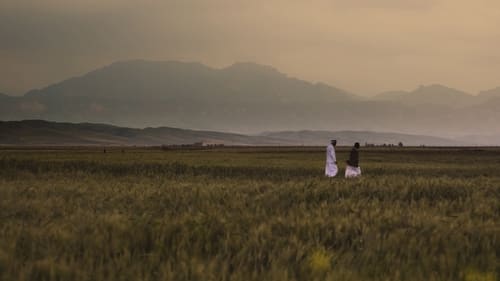
Through a series of vignettes from the ancient and war-torn Levant, WILD IS THE SPRING captures moments in the lives of diverse ethnic communities who struggle to survive when life descends into chaos.
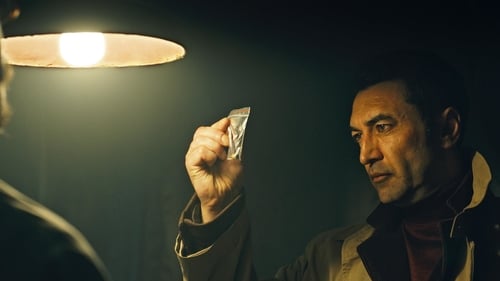
When Lady Winsley, the famous American novelist, is discovered dead on the remote Turkish island of Büyükada, the great detective Fergün is sent from Istanbul to solve the murder case. With the help of Azra, the beautiful local hotel tenant, he must confront stubborn members of the island community to untangle well-guarded family secrets and discover who the murderer is.
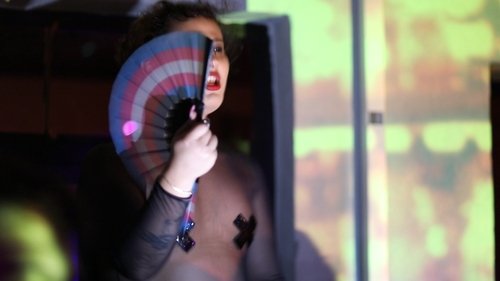
This documentary discusses how LGBTIQA+ people experience the streets and nightlife of Istanbul in terms of a safe space through the unique, yet common experiences of queers from different backgrounds, and focuses especially on nightlife and the issue of safe space there, which is a very critical area for queers to exist as they are.
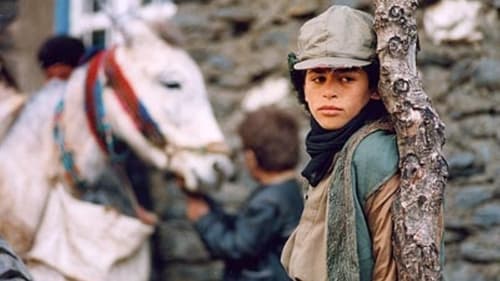
After their father dies, a family of five children are forced to survive on their own in a Kurdish village on the border of Iran and Iraq.
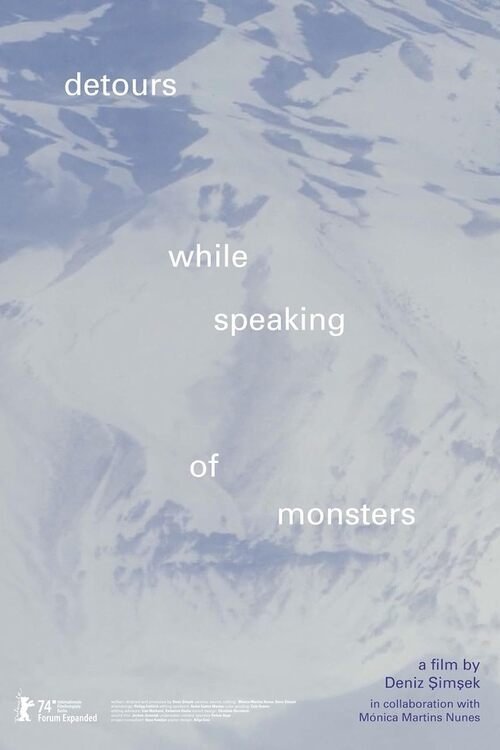
Here, where even monsters are political, the topography has its own memory. It has the mythological blues. Meanwhile, old gods are upset with us, and I am upset with my father.
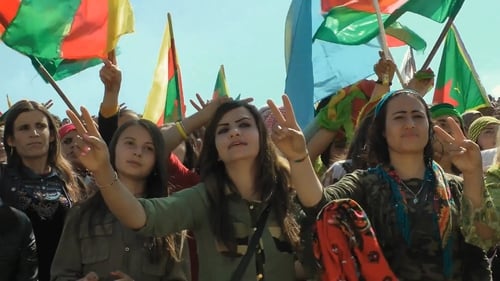
“Binxet – Under the border” is a journey between life and death, dignity and pain, struggle and freedom. It takes place along the 911 km of the turkish-Syrian border. On the one hand the ISIS, in the other Erdogan’s Turkey. In the middle the borders and one hope. This hope is called Rojava, only one point on the chart of a troubled region, a region of resistance and an example of grassroots democracy that speaks about gender equality, self-determination of peoples and peaceful coexistence.

Banned since 1993 in France and Germany, does the PKK still represent a danger? A dive into the heart of a complex geopolitical issue, where the fight for freedom, manipulation and pressure are intertwined.
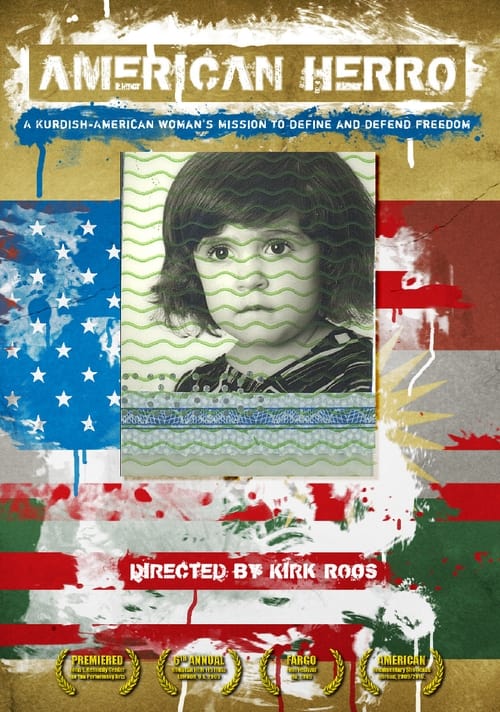
American Herro is the remarkable story of a young Kurdish girl who comes to America as a refugee from Iraq and lives out the American dream. 30-years later, traveling the globe working for Condoleeza Rice, U.S. Diplomat Herro Mustafa invites her first American friend, filmmaker Kirk Roos, to visit Iraq and retrace her steps to freedom.
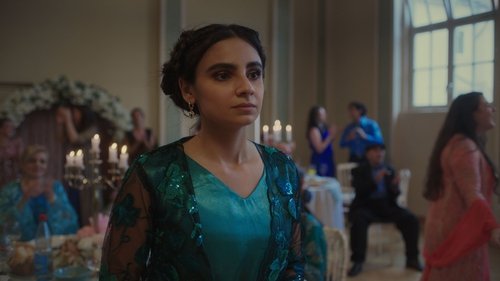
Elaha, 22, believes she must restore her supposed innocence before she weds. A surgeon could reconstruct her hymen but she cannot afford such an operation. She asks herself: why does she have to be a virgin anyway, and for whom?
The story of this film is an aesthetic narration of the death of a Kurdish Family, along the 20th century.

When five Kurdish prisoners are granted one week's home leave, they find to their dismay that they face continued oppression outside of prison from their families, the culture, and the government.

Lea is a teenage girl who goes on an adventure between the borders of Iran and Iraq to find out the truth that has been hidden from her since birth. She has to travel alone to the border towns of Iran's Kurdistan and Iraq's Kurdistan to find out the truth.