
Action
Adventure
Animation
Comedy
Crime
Documentary
Drama
Family
Fantasy
History
Horror
Music
Mystery
Romance
Science Fiction
Thriller
War
Western
Found 38 movies, 2 TV shows, and 0 people
Can't find what you're looking for?

Stolen Kosovo is a Czech language documentary by director Václav Dvořák (b. 1948), about the Serbian–Albanian conflict in Kosovo. The documentary describes the situation, first in a short overview of the history of the area, followed by the 1990s conflicts and bombing of Serbia by NATO forces in 1999 and ending with the situation after the Kosovo War. The documentary focuses on the 1990s in the time of Slobodan Milošević's rule as well as on numerous interviews of Serbian civilians and, less, of Albanian insurgents against the Milošević regime.
No description available for this movie.
The film "Kosova: Desperate Search" recounts the repercussions and effects of the Kosovar war on the Albanian population. Ethnic cleansings and other atrocities mentally and physically destroyed the people. The entwined destinies of individual persons and families from various geographic regions and social classes are the basis of a closely interconnected storyline. Families are not only looking for their missing children, but also for new hope and perspectives.

Rio 2016 was the first time athletes from the newly emergent nation of Kosovo were allowed to compete in the Olympic Games. This film captures the behind the scenes struggles, hard graft and grit of the humble Kosovo Olympic Team as they prepare to make history on the world stage. Go Go Kosovo! is about triumphing over adversity and never giving up, no matter what. It’s the ultimate underdog story about hope and fighting for what you believe in.
An elegy for a non-existent country explores the hypothesis that breaking ties with the past can be the path to a new identity. Through an inventive narrative and across temporal distance, it connects a Vietnamese-speaking Kosovan woman and an American soldier in Vietnam, who are surprised by a new experience with language that affects their memory and their reading of the world and relationships.
The film is about the events on Kosovo from 1970 to 1990.
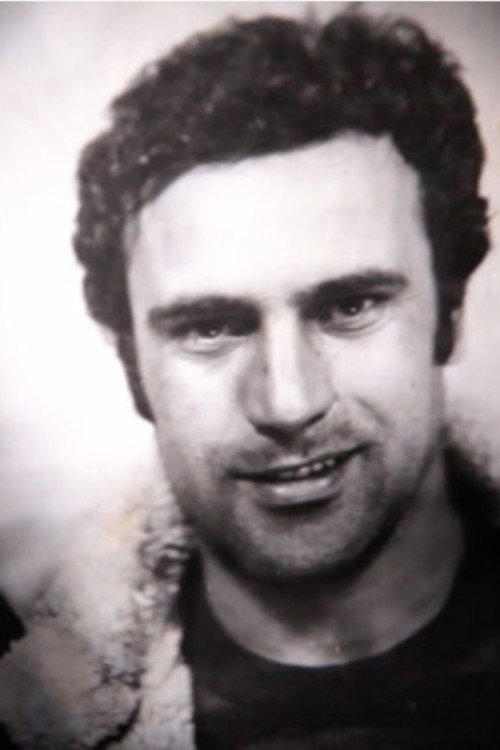
In 1968, Asllan Gjinovci is a student of physics at the University of Pristina. After his involvement in student protests that Yugoslavia, he is forced to flee the country. His escape away from home keeps him inexorably away from his family and homeland for more than thirty years.
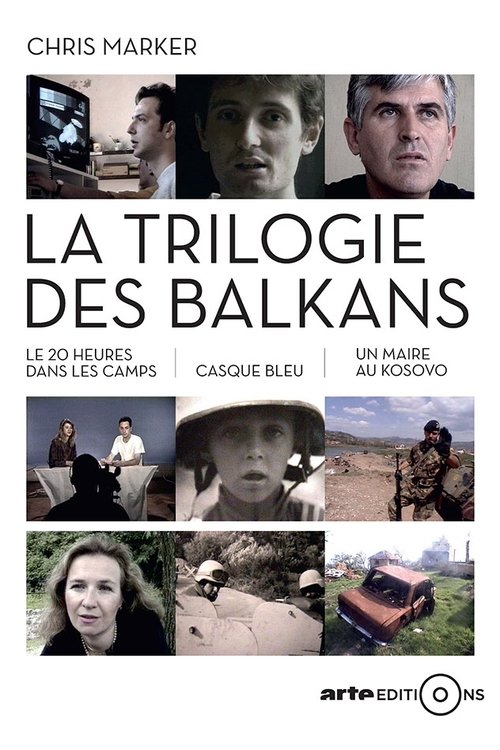
This is where sizzling fire still smoldering in a war which everybody talked a lot and which we rarely had the opportunity to hear the actors. Once removed their image of poor refugees on the roads, the Kosovars have strangely disappeared from the media world and Kosovo is again an abstraction. Bajram Rexhepi is entirely concrete. Surgeon by profession, he's a surgeon that fought the war in the ranks of the KLA, the Kosovo Liberation Army. With the upcoming of peace, his unquestioned authority made him the elected mayor of Mitrovica. The use made of this authority may undermine some misconceptions.
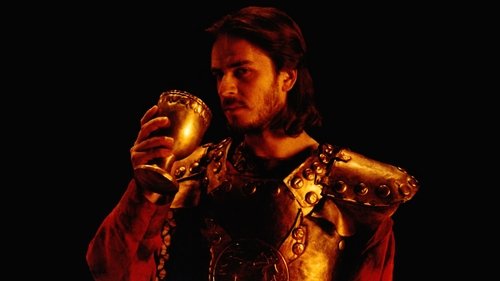
In 1389, the Serbian prince Lazar Hrebeljanović refused to submit to the Turkish Sultan Murat, who was invading Serbia with a large army, in order to continue conquering Europe through it.
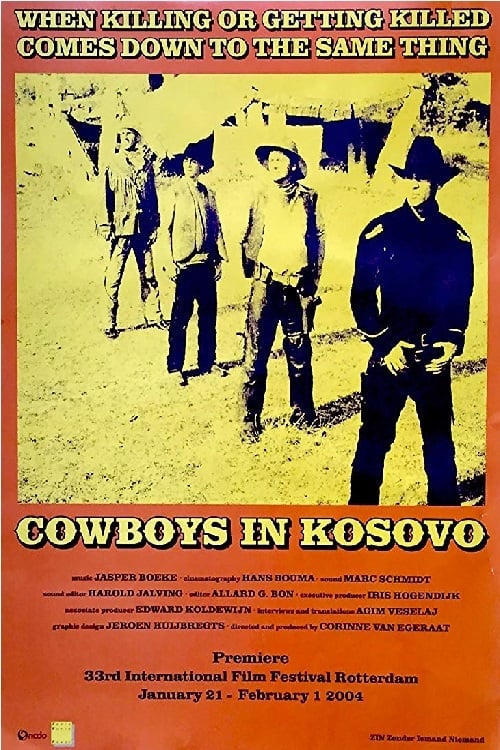
Four men from Kosovo play cowboy like they used to in their childhood and compare this to the war they have just gone through.
No description available for this movie.
A Swedish guy, who grew up on the streets, becomes a successful business man, only in risk all he's built, to rescue a young Romanian girl he had wanted to adopt, from being organ harvested.
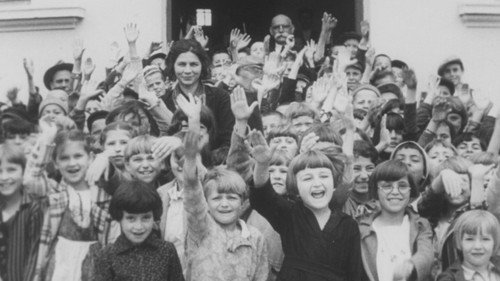
A visually striking silent film from 1933, Through Our Kosovo offers a rare glimpse into interwar life across the region. Directed by Dr. Drago Chloupek and shot by Aleksandar Gerasimov, it captures cities, villages, and diverse communities—Albanians, Serbs, Turks, Roma, and Jews—with lasting historical depth.
Kosovo: Can You Imagine? is about the Serbs that live in Kosovo and the lack of human rights that they have today, in the 21st century. Most of the Kosovo Serbs have been ethnically cleansed by the Albanians who make up the majority of Kosovo. Kosovo has been under UN administration since 1999 when NATO bombed Serbia for 76 days to halt a crackdown on ethnic Albanian separatism in its province of Kosovo. In the years following the war, thousands of Serbs were expelled from their homes, kidnapped and killed. Their houses, cultural and religious sites were burned and destroyed. Kosovo for the Serbs is what Jerusalem is for the Jewish people. It is the cradle of their statehood, culture and religion. Most of the important Serbian Christian Orthodox monasteries are in Kosovo. Today, Serbs still have a deep spiritual and traditional connection to Kosovo, a land which is being cleansed of everything Serbian.
The Pavarotti & Friends for Guatemala and Kosovo concert was held on June 1, 1999, and raised $1 million for War Child programs to aid young refugees from Kosovo and Guatemala. The concert featured guest performances by Mariah Carey, Ricky Martin, B.B. King, Joe Cocker, Boyzone, Lionel Richie, Gianni Morandi, Renato Zero and Gloria Estefan.
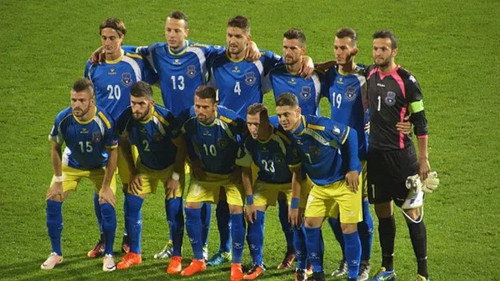
There will be no 2018 World Cup in Russia for the new small nation of Kosovo. Only three goals scored, one point earned and last place in their qualifying group. In Kosovo, there is talk of crisis and disaster. But in Sweden, life goes on as usual for the NT stars Arber Zeneli and Albert Bunjaku.
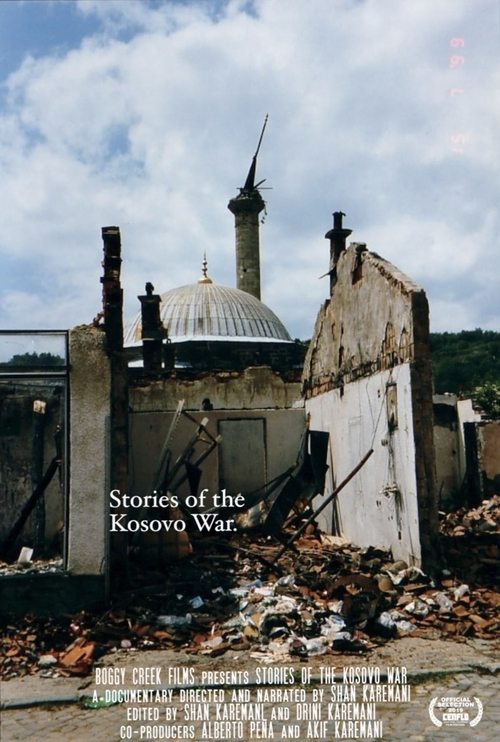
A documentary unraveling the untold stories and brutal experiences of the Kosovo War in the late 1990s.
Austrian United Nations Judge Claudia Fenz arrives in Kosovo to hear the case of a group of ethnic Albanian men accused of killing a Serbian woman. Whilst dealing with the peculiarities of the region, including rolling blackouts, she meets with prominent locals and learns of the traditional, somewhat radical, approach to justice in Kosovo, favoring reconciliation over punishment.
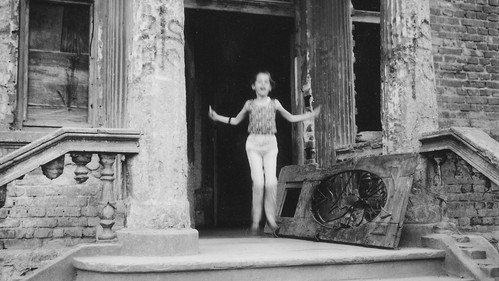
Kosovo in the spring of 2000. Winter is over but in a meteorological sense only. Ruins and pain. The marks of devastation in the sunny landscape. Wounds that never heal, the hesitating , vague gestures of a new beginning. Paradoxes. In black and white, with the broken images of memory imprints in color. Two words: deca and fëmijët , they mean children in Serb and Albanian. These expressions have no place in the irrational dictionary of war. It is the children though who are the most defenseless victims of this war governed by mad hatred. Their suffering has become an indelible chapter of the chronicle at the end of the century, the dawn of the new millennium. Besarta, Violeta, Edmond and Valdrin, Miljana and Jelena are Albanian and Serb children, the film tells their story in black and white with color Super 8 images shot by the children themselves.
A documentary about the fights that took place along the Serbian-Albanian border during the NATO intervention against the Serbians (then Yugoslavia) in 1999
Three ordinary people from Serbia go on a journey to Kosovo. A student, an actor and a journalist decide to explore this troubled place for themselves. The camera follows them during their journey and discovers the reality of Kosovo through their eyes. Each of them has different motivations: the journalist writes an article, the photographer takes pictures for an exhibition and the actor records his video diary.
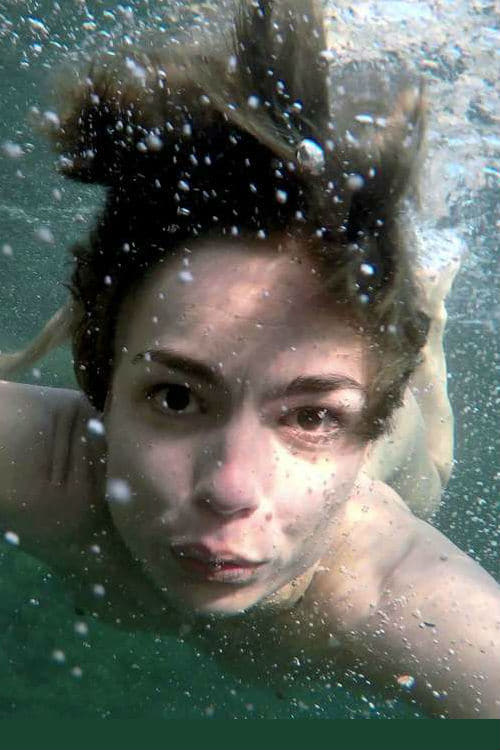
Prishtina, Kosovo. Mark works as 'an international employee'. One night he meets three local girls in a bar: Besa, her girlfriend Hana, and Shpresa. Mark is attracted to Shpresa's extreme passion, but the romance is soon shattered. Her mood swings from passionate love to hate and death threats in a matter of seconds. For Mark this is hard to handle. He believes Shpresa might suffer from borderline personality disorder. As he wants to confront her, she starts pushing him away. Hana and Besa's relationship is also in danger, but for a completely different reason: Hana is afraid of the social stigma that love between two girls carries in the deeply conservative and patriarchal Kosovo.

After the NATO bombing of Yugoslavia in 1999, the Yugoslav army pulls out of Kosovo region, leaving Serbian people at the mercy of the Albanian UCK. A small band of soldiers must take over the Slatina airport, and hold it until the Russian peacekeepers arrive.
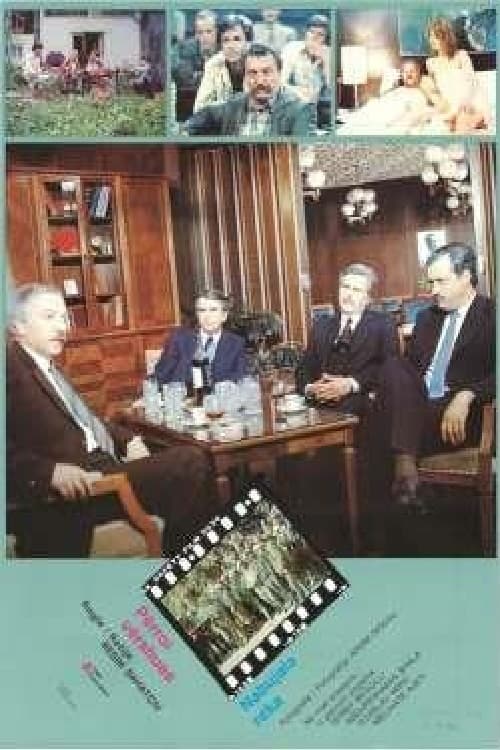
In a mining plant in Kosovo, as occurs in many work organizations across the country, workers continue to win new positions in the self-management. The former miner and fighter - now general manager of the factory - is on the side of the workers, but has troubles in personal life.
'History is always made in the middle of the night. And when it happens, you are so damned tired, that you couldn't care less,' says Robert Cooper, an EU peace negotiator whose job it is to get Serbia and Kosovo to reach an agreement about peaceful coexistence. National pride and compromise are on everyone's lips, and much is at stake: Kosovo wants to come closer to independence, the Serbs have been promised EU membership if they can reach an agreement, and the EU tries to strengthen its credibility. But how far is each party willing to go? It is the unique characters that make this fascinating film about a delicate political game so vivid and loveable. The stoic, Serbian negotiator has a great passion for rock music, his colleague from Kosovo does not want to miss out on his daily visit to the hairdresser, and Cooper himself has a closet full of ties - one for every conceivable occasion.

Drin finds himself unchanged, aside from his experience, at the end of his existential crisis.
The Unidentified is a feature-length documentary which reveals who were the commanders responsible for some of the most brutal attacks of the Kosovo war. The result of a two-year-long investigation, the documentary names the officers who ordered attacks on villages in the area around the town of Pec during the 1999 war and those who were involved in the removal of victims’ bodies to mass graves at the Batajnica police centre near Belgrade in Serbia. Sixteen years after they committed the crimes, they live peacefully in the Serbian capital, and despite the evidence that exists, they have not been prosecuted.
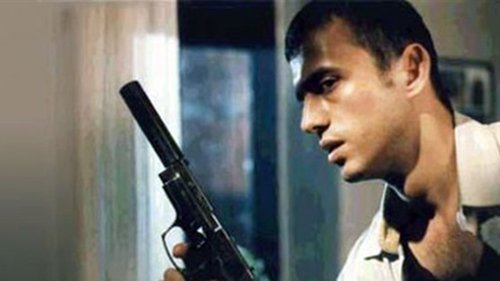
A love story between a Serbian girl and young Albanian set against the background of current Balkanic conflict.
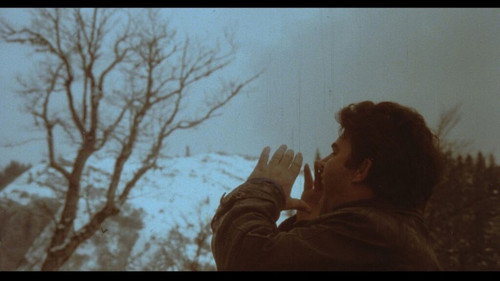
A couple of foresters living in the snowing mountains of Rugova get stuck after a blizzard.
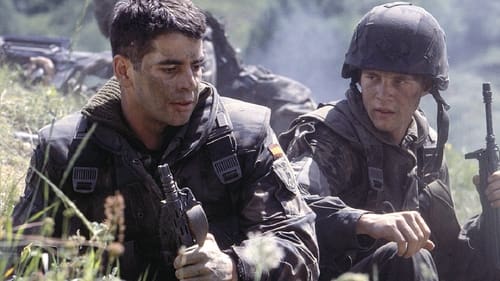
Kosovo, winter 1999. KFOR forces perform their humanitarian task while trying to maintain a difficult neutrality between Kosovo Albanians and Serbs. A platoon of Spanish Army engineers becomes unwittingly caught up in the spiral of violence between the two sides.
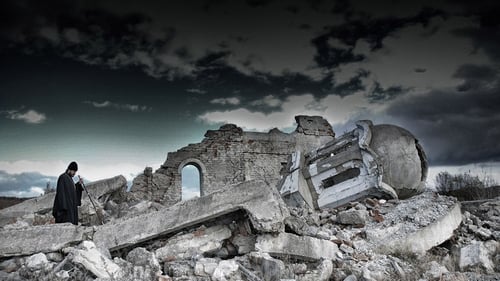
Story about the suffering of the Serbian people on Kosovo and Metohija based on Metropolitan Amfilohio's book "The Chronicle of the New Kosovo Crucifixion".
Story of Azem Bejta (1889–1924), commonly known as Azem Galica, who was an Albanian nationalist and rebel who fought for the unification of Kosovo with Albania.
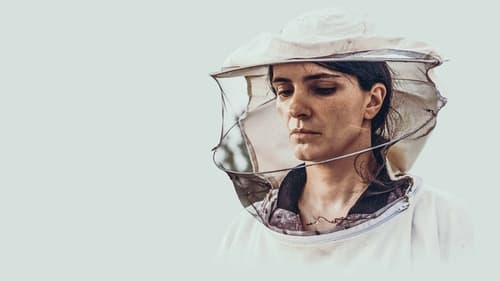
Fahrije’s husband has been missing since the war in Kosovo so she sets up her own small business to provide for her kids, but as she fights against a patriarchal society that does not support her, she faces a crucial decision: to wait for his return, or to continue to persevere.
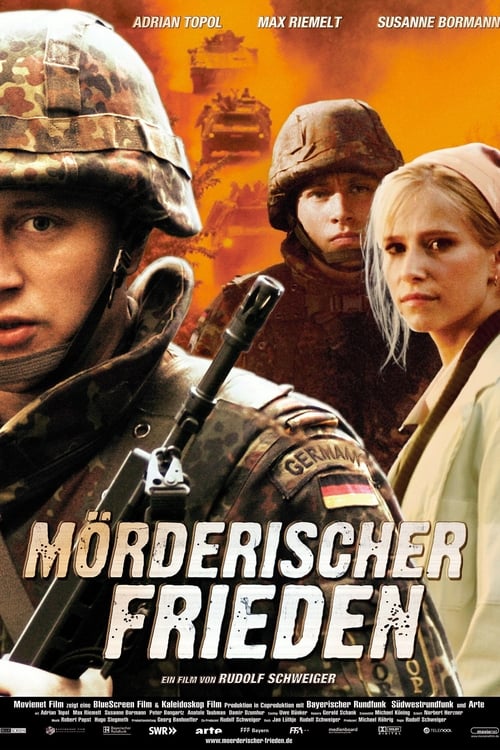
Young Bundeswehr soldiers Tom and Charly are stationed in Kosovo with the KFOR peacekeeping force. Their mission is to secure peace. Although the brutal war between the enemy Serbs and Albanians is officially over, the hatred between people continues to smoulder. When Tom and Charly rescue the young Serbian Mirjana from the fatal shot of the young sniper Durcan, they get caught between all fronts. They lose their professional distance due to the resulting closeness to Mirjana - who has to learn that her father was a war criminal - but also to Durcan - whose entire family was wiped out. Soon they are entangled in a conflict about guilt, manipulation, love and revenge...
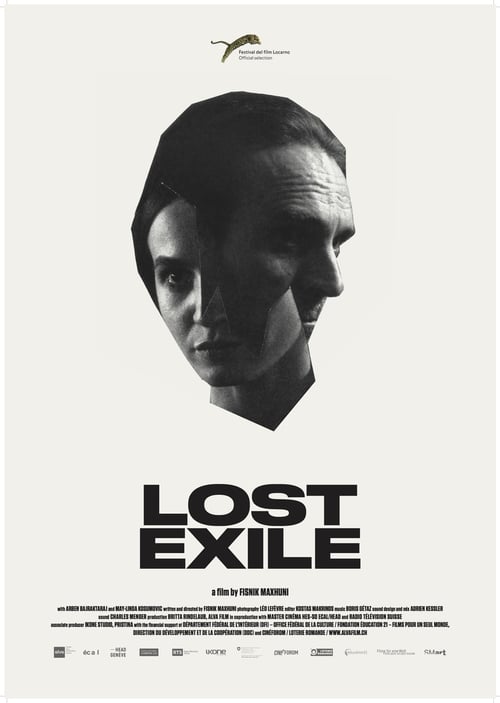
To escape from a lack of perspective in Kosovo, Hana decides to resort to the services of Emir, an illegal smuggler in Serbia that will drive her to Hungary. On the way, complications arise as Emir's unscrupulous associates try to take advantage of Hana's vulnerability. In the midst of the frozen winter, Hana's courage and determination and Emir's principles and beliefs will be put to the test.
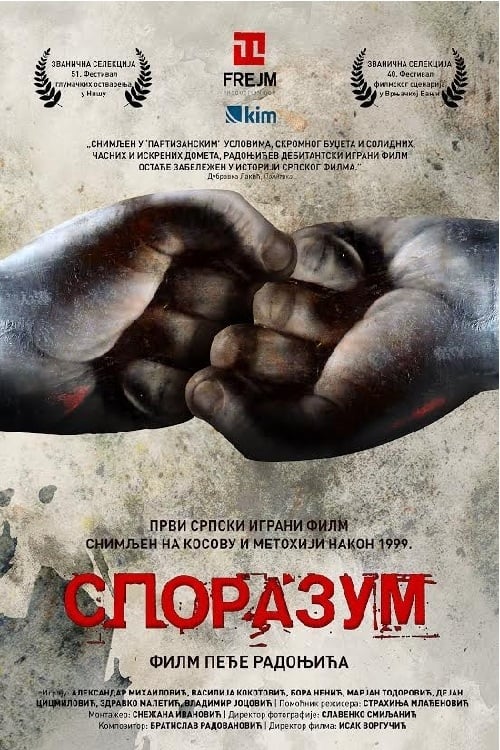
First Serbian film shot in Kosovo after its separation, exploring the relations between Serbs and Albanians is inspired by true events and depicted through the fate of two tragic heroes and their families. The film was created from the personal experience of producer and screenwriter Predrag Raonić, observing the reality of journalistic work.
No description available for this movie.
In this sequel to "Captain Leshi", a group of Albanian nationalist movement (ballists) continues obstruction of the new Yugoslavian authorities even after the war. Captain Leshi manages to fight them successfully, as well as to fulfill his romance with beautiful Azira.