
Action
Adventure
Animation
Comedy
Crime
Documentary
Drama
Family
Fantasy
History
Horror
Music
Mystery
Romance
Science Fiction
Thriller
War
Western
Found 11 movies, 0 TV shows, and 0 people
Can't find what you're looking for?
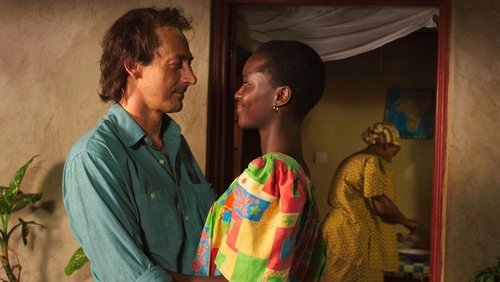
In April 1994, the middle-aged Canadian journalist Bernard Valcourt is making a documentary in Kigali about AIDS. He secretly falls in love for the Tutsi waitress of his hotel Gentille, who is younger than him, in a period of violent racial conflicts. When the genocide of the Tutsis by the Hutus in Rwanda begins, Bernard does not succeed in escaping with Gentille to Canada. When the genocide finishes in July 1994, Bernard returns to the chaotic Kigali seeking out Gentille in the middle of destruction and dead bodies.
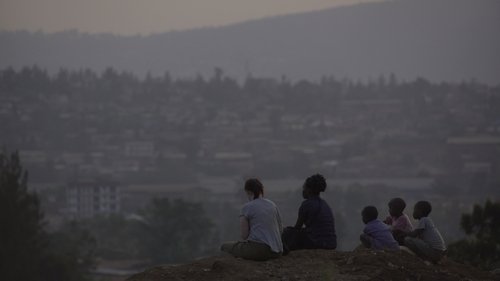
We meet ornithologist Anna in 1994 just as genocide is raging in Rwanda, perpetrated by the majority Hutus against the Tutsis. Anna manages to save the daughter of a colleague whose family has been murdered, and she takes her to Poland. But the woman returns to Rwanda to visit the graves of her loved ones. The director originally worked on the movie with her husband Krzysztof Krauze (My Nikifor – Crystal Globe, KVIFF 2005), but after his death in 2014 she eventually finished this challenging picture alone.
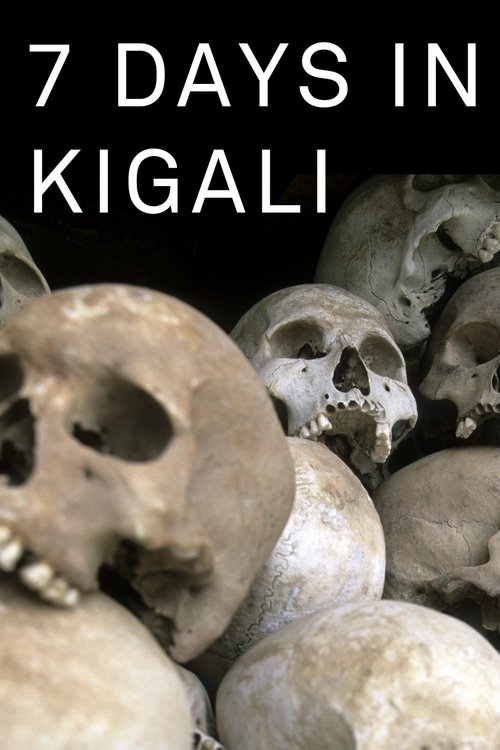
What happened in Rwanda in 1994 was not simply the spontaneous eruption of inter-ethnic hatred. It was planned genocide, on an industrial scale. Something that was prepared for at least a year in advance. Lists were made. Weapons were collected. RTLM radio spent months conditioning their audience to believe that one sector of their population represented a threat.
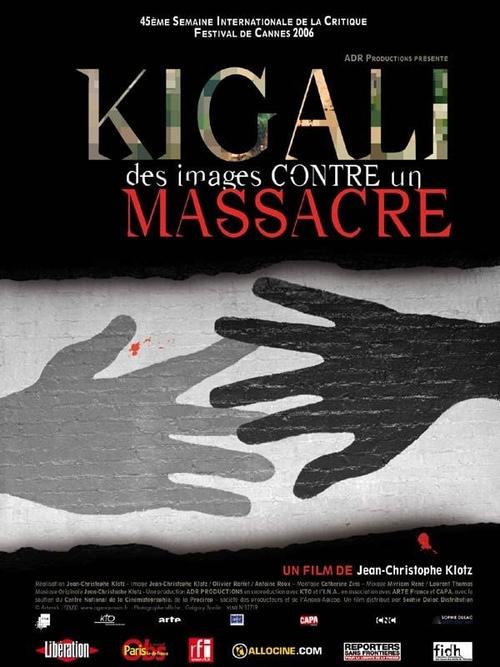
Jean-Christophe Klotz was a cameraman for a French broadcast news service in 1996 when he was sent to Rwanda to cover the growing violence between ruling Hutus and rival Tutsi tribespeople. What Klotz saw profoundly shocked him, as bodies littered the sides of the roads and bloody massacres became the order of the day. In between interviews with government officials and United Nations forces vainly struggling to contain the violence, Klotz captured the mayhem on film, believing that if world leaders saw what was happening, they would step forward to stop the violence. When Klotz was injured while filming an attack, he was sent back to Paris, and while his footage was aired, French forces only belatedly arrived, ultimately doing more to protect those who caused the massacre than bringing them to justice. Years later, Klotz used his footage to help identify some of the victims of the killings, and in 2006 he returned to Rwanda to visit the nation after the violence had ceased.
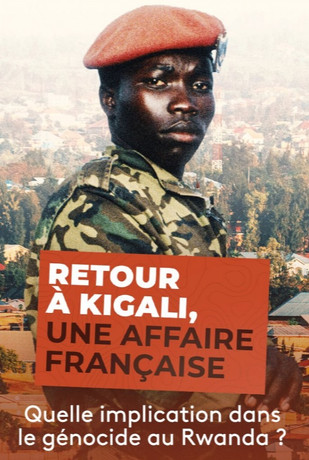
No description available for this movie.

A young woman in Rwanda is about to give birth. The baby is turned the wrong way and her life is in danger. At the same time the water breaks for a woman in Sweden. She decides that she will cope with it herself; she refuses to accept any help. These two stories of women giving birth are woven into each other and appear to go on simultaneously in two completely different parts of the world.
No description available for this movie.

Kigali Shaolin Temple is a kung-fu club in Rwanda started by a group of orphans from the genocide. They find fulfillment in passing on their skills and teaching young Rwandans the values of sharing, tolerance and mutual respect. The visual beauty of kung-fu highlights the resilience of a new generation of Rwandans, 20 years after the genocide.
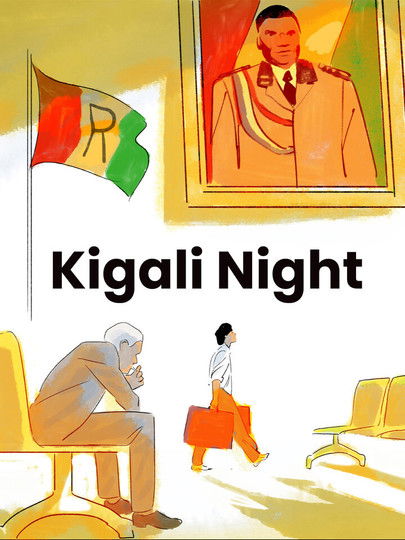
Samuel is 23 when he arrives in Rwanda as an audiovisual facilitator at the French Cultural Centre in Kigali. Having made this choice to avoid the classic military service, he finds himself without a camera in a country at war. The French army has even set up camp within the Cultural Centre. During the 18 months he spends there, the warning signs accumulate, but Samuel doesn't believe or doesn't want to believe them. What he is told seems impossible to him: France cannot possibly support a regime that commits or encourages such atrocities. It doesn't keep him though from enjoying the country and partying, but doubt creeps in, his certitudes start wavering, and Samuel finally opens his eyes.
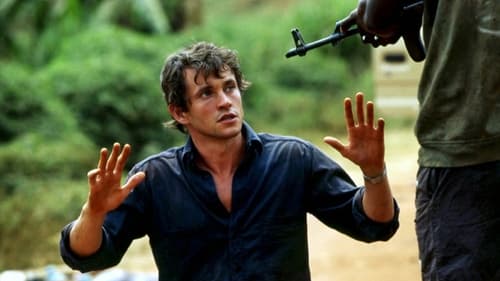
Two westerners, a priest and a teacher find themselves in the middle of the Rwandan genocide and face a moral dilemna. Do they place themselves in danger and protect the refugees, or escape the country with their lives? Based on a true story.
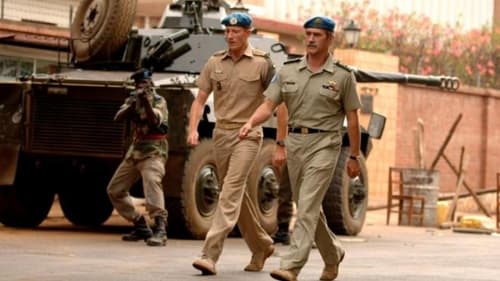
In 1993, Canadian Lieutenant General Roméo Dallaire was sent by the United Nations to Rwanda as commander of the United Nations Assistance Mission for Rwanda (UNAMIR). Its mission, to ensure the ceasefire, is underfunded, excessively bureaucratized and made up of military units which come from dozens of countries and which each have a very different program... These are Lt Gen Dallaire's efforts to stop the madness of the Rwandan Genocide, despite the complete indifference of his superiors.