
Action
Adventure
Animation
Comedy
Crime
Documentary
Drama
Family
Fantasy
History
Horror
Music
Mystery
Romance
Science Fiction
Thriller
War
Western
Found 36 movies, 3 TV shows, and 0 people
Can't find what you're looking for?

Reverend Sensho Sasaki's home movie shows the people, places and activities near his Buddhist churches in Tacoma, Washington and Stockton, California.

The National Park Service tells the story of a very bleak chapter in American history. In 1942, in reaction to the Japanese attack on Pearl Harbor, the United States government ordered more than 110,000 men, women and children to leave their homes to be detained in remote military style camps. Japanese Americans and legal migrants were unjustly imprisoned in these concentration camps until the end of World War II.

This is the riveting, emotional story of Japanese Americans who were forced into encampments in the U.S. during World War II. Utilizing in-depth interviews with former internees, a rich collection of rare photos and film clips, and beautifully crafted recreations, Silent Sacrifice reveals the pain, shame, regret, and healing that nearly 120,000 Japanese Americans endured throughout the war. Delve into the historical background of the internment, the impact on American citizens of Japanese descent, and their experiences in assembly centers and incarceration camps.
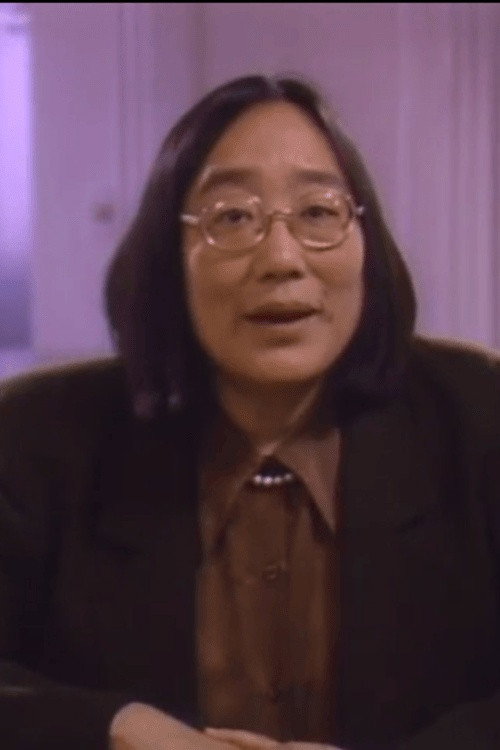
The stereotype of the polite, docile, exotic Asian woman is shattered in this documentary in which a dozen women speak about their experiences as part of the "model minority." JAPANESE AMERICAN WOMEN explores the ambivalent feelings the women have both towards Japan and the United States. The underlying theme is the burden of being different, of being brought up “one of a kind” as opposed to growing up part of an ethnic community. An uneasy feeling prevails of being neither Japanese nor American, and the documentary ultimately becomes the story of Japanese American women and their search for a sense of place.
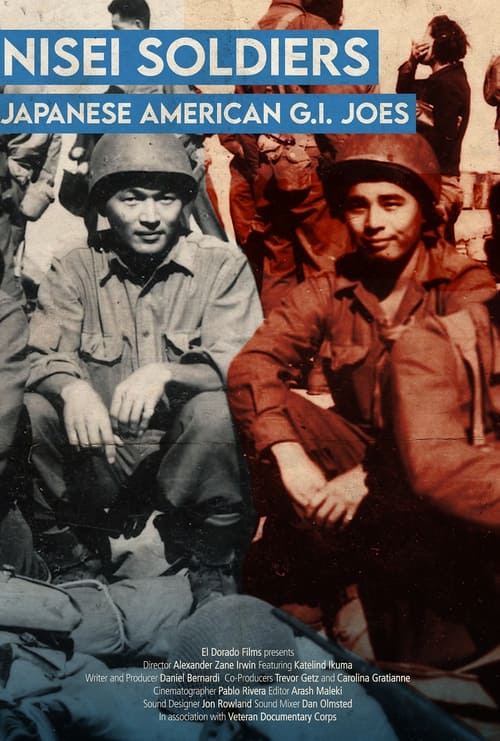
Leaving internment camps to defend their country in Europe, Japanese-American Nisei soldiers of WWII became the most decorated unit in American history.
From the hand-drawn typeface on the book cover of The Godfather to Herman Miller’s biomorphic coffee table, the work of Japanese American artists/designers including Ruth Asawa, George Nakashima, Isamu Noguchi, S. Neil Fujita, and Gyo Obata permeated American postwar culture. While these second generation Japanese American artists have been celebrated, less-discussed is the powerful effect their World War II incarceration—a period of intense hardship and discrimination—had on their lives and art.
A vivid, collective portrayal of Japanese Americans during World War II. Three distinct stories are told: the 442nd Regimental Combat Team, the most decorated military unit in U.S. history; M.I.S. (Military Intelligence Service), linguists who decoded Japanese military plans; and the thousands of draft resisters and army protesters who challenged the constitutionality of the internment camps.
Takes a close look at the long and difficult journey Japanese Americans faced as they transitioned from being forcibly removed from their homes and imprisoned in concentration camps during World War II, to readjustment to society upon their release.
As a child, Dr. Frank Kitamoto and his family lived on Bainbridge Island, WA, where the U.S. government first ordered Japanese Americans to register, leave their homes, and then intern them in detention camps - a panic-stricken reaction to the bombing of Pearl Harbor. In After Silence, the past comes alive as Frank - who spent 3 -1/2 years of his childhood in an internment camp during WWII - and five students from his island community develop archival photographic prints in the high school darkroom. Together, Frank and the students discuss the need to safeguard the constitutional rights of those living in the United States.
Documentary chronicling the life of Senator Daniel K. Inouye.
Within 48 hours of Japan's attack on Pearl Harbor, Hawaii authorities arrested several hundred local Japanese in Oahu, Maui, and Kauai. Within a few months over 2,000 men and women of Japanese ancestry were arrested, detained and incarcerated in Hawaii and later sent to the Department of Justice and War Relocation Authority camps on the continental U.S. There was no evidence of espionage or sabotage and no charges were ever filed against them. While the story of mass internment of Japanese Americans in California, Oregon and Washington has been well documented, very little is known about the Hawaii internees and the confinement sites located in Hawaii. This is the first full length documentary to chronicle this untold story in Hawaii's history.
During World War II, Japanese Americans were forced to live under guard at several camps because of racist fears.
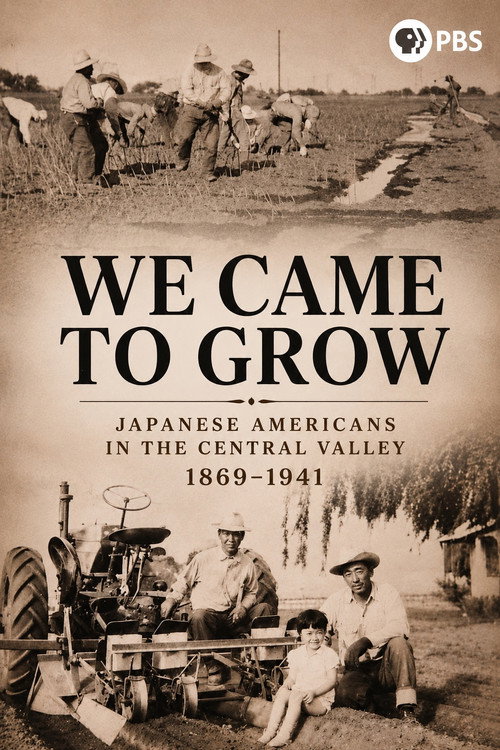
We Came to Grow highlights the rich history of Japanese Americans in the Central Valley from 1869 to 1941. Using photos, home movies, and archival materials, We Came to Grow illustrates the vital role of Japanese Americans played in agriculture and business and documents the development of social and religious organizations in the Japanese American community from Placerville to Fresno.
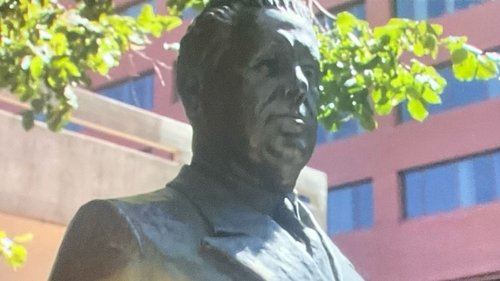
This historical documentary tells the little-known story of Ralph Carr, who was the Governor of Colorado from 1939-1943. Governor Carr was a passionate defender of Japanese Americans' rights when people of Japanese ancestry, including many American citizens, were relocated to internment camps in 1942.
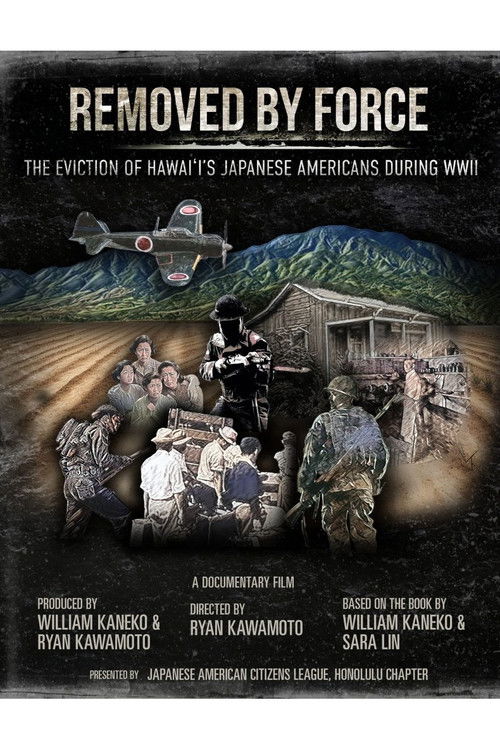
"Removed by Force: The Eviction of Hawaiʻi’s Japanese Americans During World II" sheds light on the relatively unknown experiences of the 1,500 Americans of Japanese ancestry from 23 geographic areas in Hawai‘i who were evicted, but not interned, during World War II.

NAMBA tells the American story of May Namba, born in 1922 to Japanese immigrants. During WWII, 125,000 Japanese Americans were incarcerated, including the Namba family. May’s granddaughter, Miyako, narrates and guides us through her grandmother’s experiences living at Minidoka. Miyako packs a suitcase heart-wrenchingly contemplating the most important belongings to bring to the prison camp. She makes a mattress out of hay and lays down in a horse stall to use as a bed, just as her grandmother did. Throughout the film May and Miyako share this complex history—the injustice and love of country—that’s rarely discussed in history books.
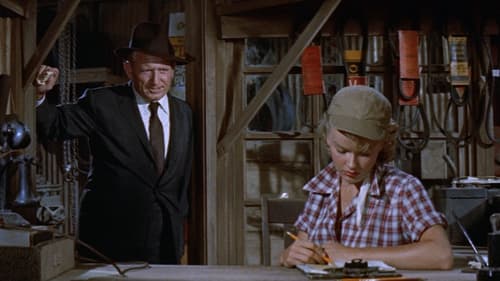
One-armed war veteran John J. Macreedy steps off a train at the sleepy little town of Black Rock. Once there, he begins to unravel a web of lies, secrecy, and murder.

In the 1950s, a Japanese-American fisherman is suspected of killing his neighbour at sea. For Ishmael, a local reporter, the trial strikes a deep emotional chord when he finds his ex-lover is linked to the case. As he investigates the killing, he uncovers some startling clues that lead him to a shocking discovery.

An elderly Nagasaki hibakusha spends a summer caring for her four grandchildren, whose curiosity about the 1945 bombing stirs buried memories and moral questions. When an American nephew from Hawaii visits, the family confronts grief, guilt, and the possibility of reconciliation across generations.
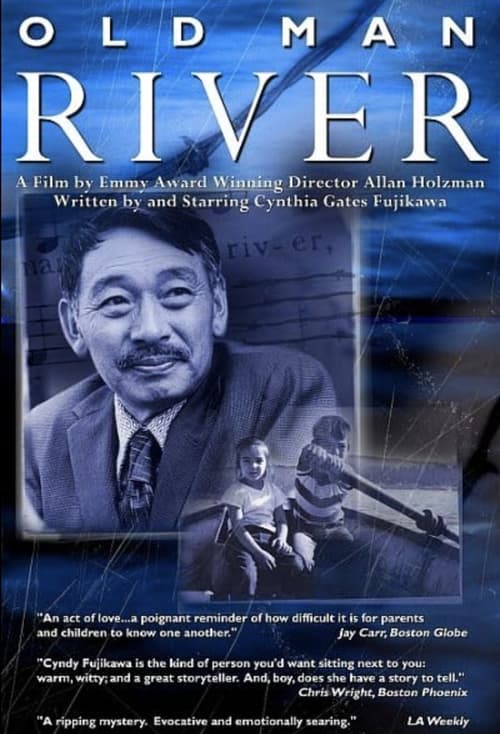
Documentary film version of the stage show in which actress Cynthia Gates Fujikawa explores the story of her father, actor Jerry Fujikawa, who had a long career in films and television, most often as a stereotyped Asian. The daughter, in the course of searching out her late father's history, discovers many things that she had not known, among them that her father had spent time in Manzanar, the internment camp for Japanese-Americans during World War II, that he had had a family prior to hers, and that somewhere out there was a sister she had never known existed.
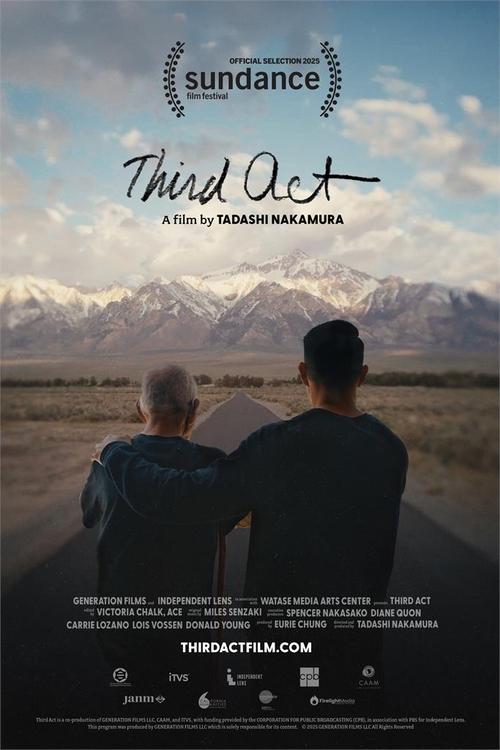
Filmmaker Tadashi explores his father Robert A. Nakamura's life as an influential Asian American artist and activist, while grappling with Robert's Parkinson's diagnosis, navigating themes of art, grief, and their father-son relationship.
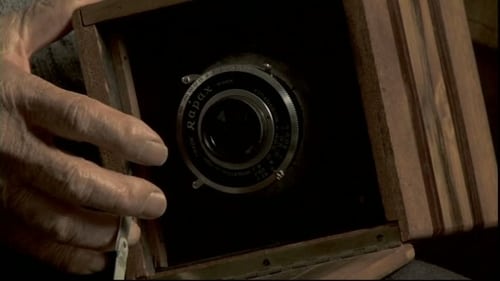
Even though bringing in cameras to the internment camps was prohibited, one man managed to smuggle in his own camera lens and build a camera to document life behind barbed wires, with the help of other craftsmen in the camp. That man was Toyo Miyatake, a successful issei (first generation immigrant) photographer and owner of a photo-shop in the Los Angeles Little Tokyo district, and of one of the many Americans who was interned with his family against his will. With his makeshift camera, Miyatake captured the dire conditions of life in the camps during World War II as well as the resilient spirit of his companions, many of whom were American citizens who went on to fight for their country overseas. Miyatake said, "It is my duty to record the facts, as a photographer, so that this kind of thing should never happen again."
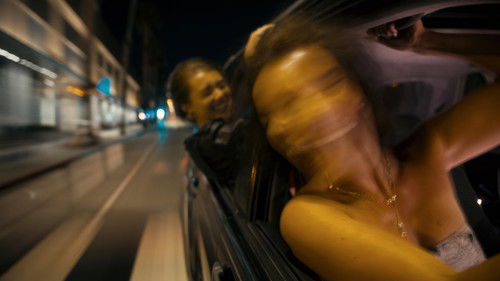
On the verge of a threesome, a wild surprise turns Noah's evening from seductive fantasy to real life nightmare.
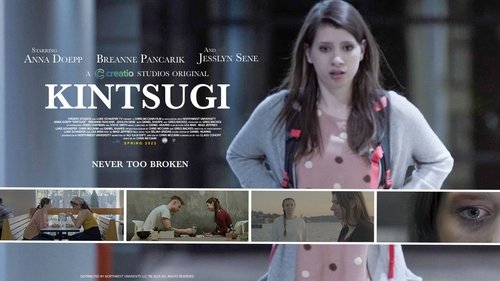
Kylie, a college nursing student troubled and traumatized by the recent events of her passing boyfriend, learns to find peace and strength through an ancient practice from the relationships around her.
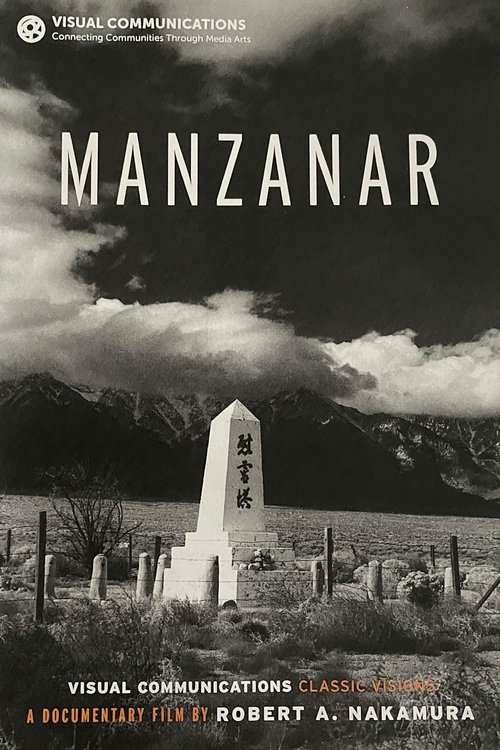
Short film about the Manzanar Japanese American internment camp. Preserved by the Academy Film Archive in 2011.
During the Japanese-American internment of World War II, a woman held at the Tule Lake segregation camp with her family leaves her barracks one night.
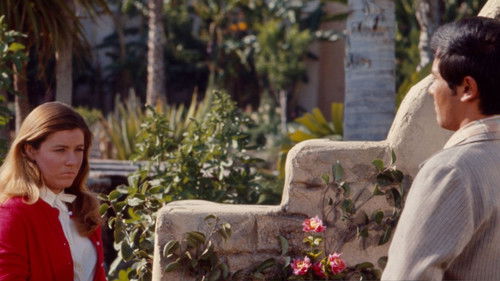
In California, a young Caucasian girl and a Japanese-American boy defy local prejudices and secretly marry on Dec. 7, 1941, minutes before Pearl Harbor is attacked.

After the closure of US Japanese Internment Camps at the end of World War II, a Japanese American family returns home and must find the strength to rebuild both their house and family amidst the emotional and physical destruction.
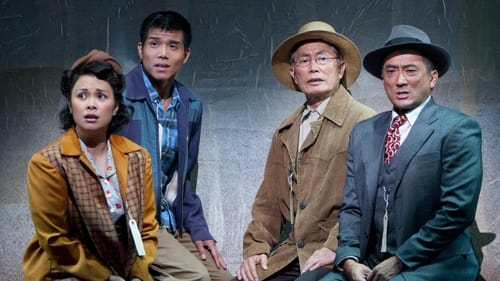
Inspired by the true-life experience of its star George Takei, Allegiance follows one family's extraordinary journey in this untold American story following the events of Pearl Harbor. Their loyalty was questioned, their freedom taken away, but their spirit could never be broken.
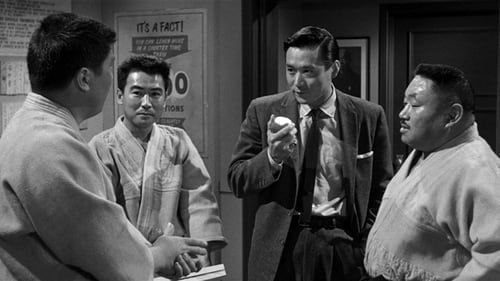
Two detectives clash over the hunt for a burlesque dancer’s killer in Los Angeles’ Japanese district.
FREEWAY CITY is a provocative case study on how the collision of race, politics and casino economics shaped the destiny of Gardena, California.
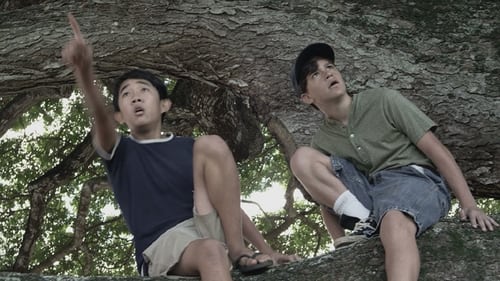
December 7, 1941 - TOMIKAZU “TOMI” NAKAJI (Kyler Ki Sakamoto) and his best friend BILLY DAVIS (Kalama Epstein) are playing baseball in a field near their homes in Hawaii when Japan launches a surprise attack on the US at Pearl Harbor. As Tomi looks up at the sky and recognizes the Blood-Red Sun emblem on the fighter planes, he knows that his life has changed forever. Based on actual events, Under the Blood-Red Sun is an unforgettable story of friendship, courage and survival.
The film looks back at the life of a man named Oda and other Japanese Americans through the decades as they face great challenges and joys living in the United States.
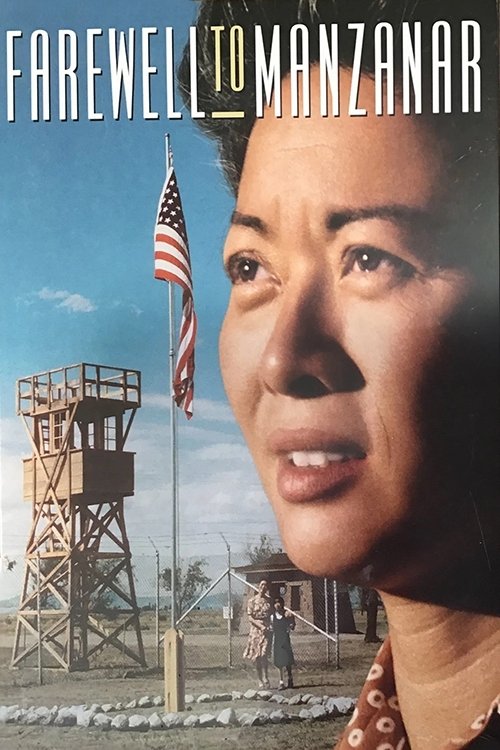
Fact based drama about one of the internment camps used by the American military during World War II to detain some 100,000 Japanese Americans (most of them U.S. born) following Japan's attack on Pearl Harbor.
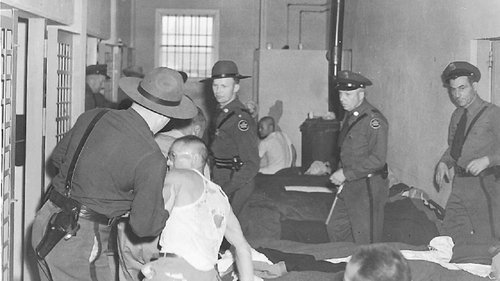
The long-suppressed story of 12,000 Japanese Americans who dared to resist the U.S. government's program of mass incarceration during World War II. Branded as 'disloyals' and re-imprisoned at Tule Lake Segregation Center, they continued to protest in the face of militarized violence, and thousands renounced their U.S. citizenship. Giving voice to experiences that have been marginalized for over 70 years, this documentary challenges the nationalist, one-sided ideal of wartime 'loyalty.'
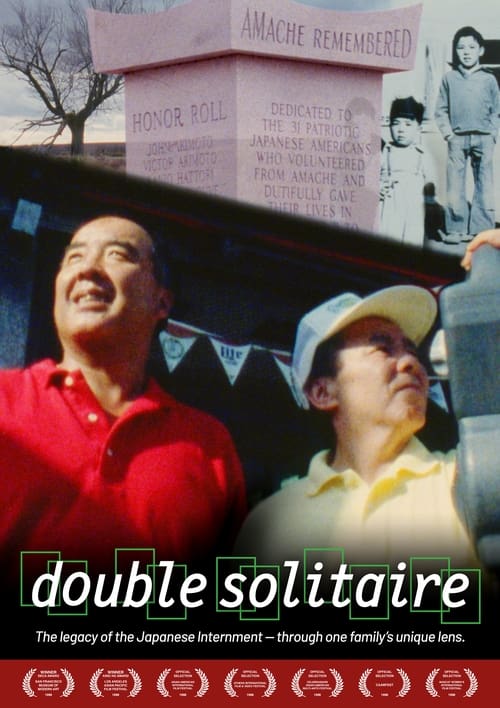
The filmmaker's father and uncle, Norm and Stan, are third generation Japanese Americans. They are "all American" guys who love bowling, cards and pinball. Placed in the Amache internment camp as children during World War II, they don't think the experience affected them that much. But in the course of navigating the maze of her father's and uncle's pursuits while simultaneously trying to inquire about their past, the filmmaker is able to find connections between their lives now and the history that was left behind.