
Action
Adventure
Animation
Comedy
Crime
Documentary
Drama
Family
Fantasy
History
Horror
Music
Mystery
Romance
Science Fiction
Thriller
War
Western
Found 13 movies, 0 TV shows, and 1 person
Can't find what you're looking for?
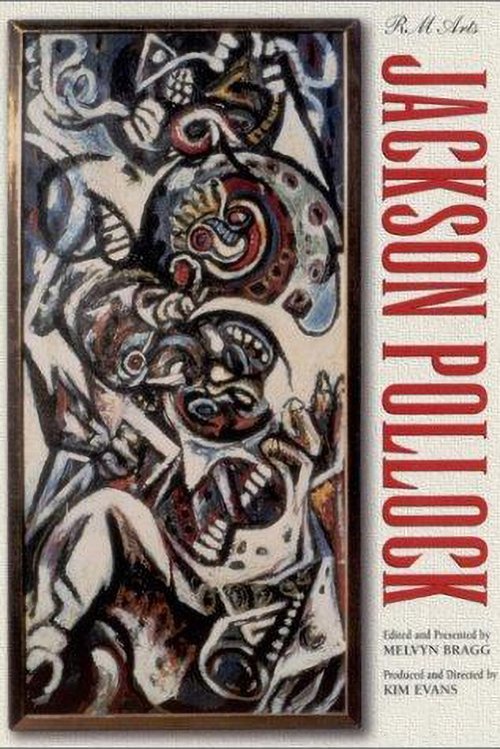
This British documentary examines the life of painter Jackson Pollock--from his childhood in Wyoming to his death in a car crash on Long Island in 1956--in an effort to understand both the development of his work and its place in the history of art.

A documentary about the life and tragic death of abstract artist Jackson Pollock. Features are interviews with Lee Krasner (Pollock's wife), and other friends and fellow artists. Also featured are scenes of Pollock as well as an interview he did. This is a great glimpse into the mind of a great artist.
Pacing across an empty stage, boastfully offsetting artists' names against environmental disaster and political deception, he toggles between over-confidence, self-justification, and a search for validation. Nonsensical, devastating, urgent, humorous, and eerily soothing, the words are familiar but the pairings are unsettling. Good and evil are jumbled, as we watch him descend into delusion. With sculptures and projections throughout the space, this immersive experience sets us at the center of this puzzle.
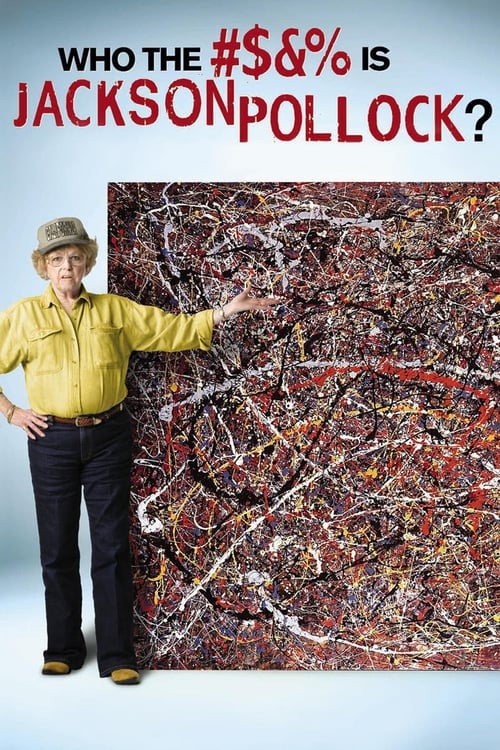
After semi-truck driver Teri Horton bought a large splatter painting for her friend for $5, she was forced to sell it in her own garage sale when her friend said she had no place for it. Eventually someone commented on the painting stating it might be an original Jackson Pollock. This documentary follows Teri, her son, and a forensics specialist as they attempt to prove to the world, or more specifically the art community, her painting is a true Jackson Pollock
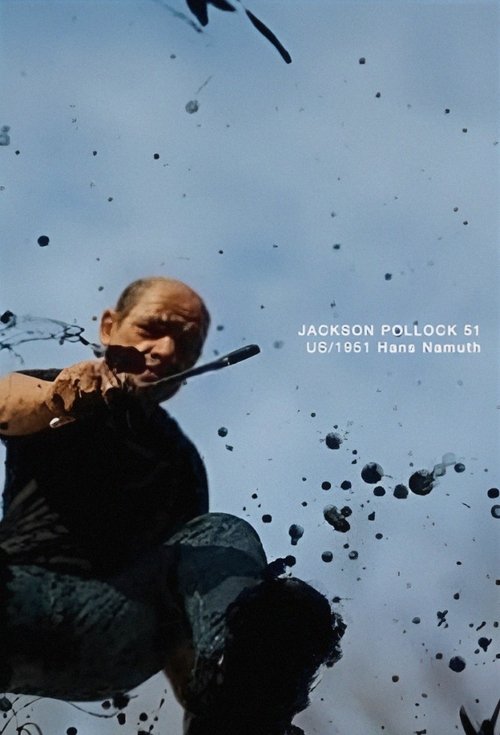
The photography of German photographer Hans Namuth is largely credited for Pollock’s rise to fame, and as the painter gained a higher profile, along with Abstract Expressionism in general, Namuth returned to capture Pollock’s “action painting” on video for the short documentary below. In a cinematically brilliant move, Namuth asked Pollock to create a painting on glass, so that he could film underneath, giving the viewer the experience of actually being the canvas. Lacking a lighting crew, they shot in the cold Long Island expanse of grassland outside of Pollock’s home.
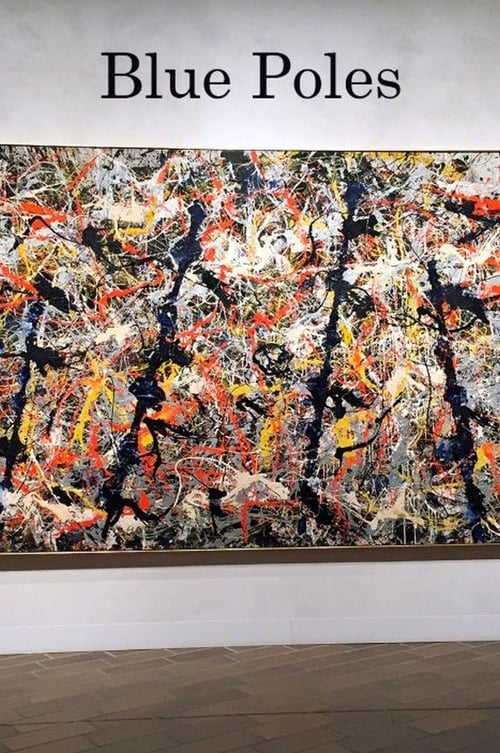
The extraordinary price-tag of Jackson Pollock's Blue Poles - now considered one of the most expensive painting in the world which almost brought down the Australian government.
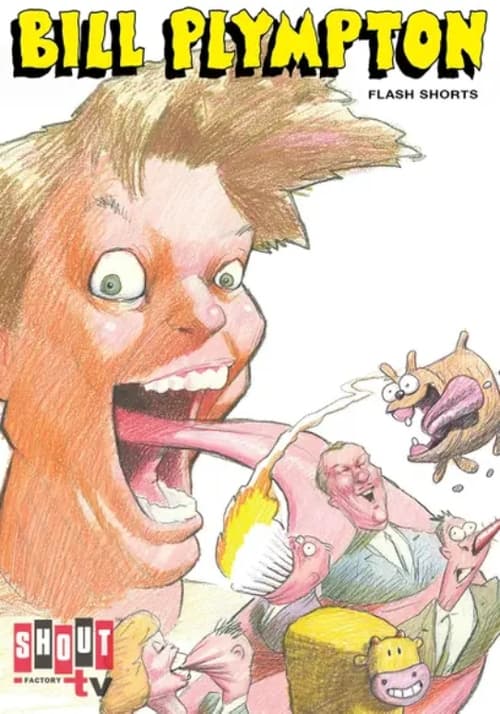
Crude animation by Bill Plympton. How the expressionist painter met his demise.
Barbara Rose narrates the life and artistic development of Jackson Pollock.
Born in Wyoming in 1912, Jackson Pollock became one of the most notorious artists that America ever produced. He developed a technique in which he would fix his canvas to the floor, drip and splash paint onto it, then use a variety of objects to manipulate the paint. With these innovative paintings, he became the front-runner of the Abstract Expressionist movement.
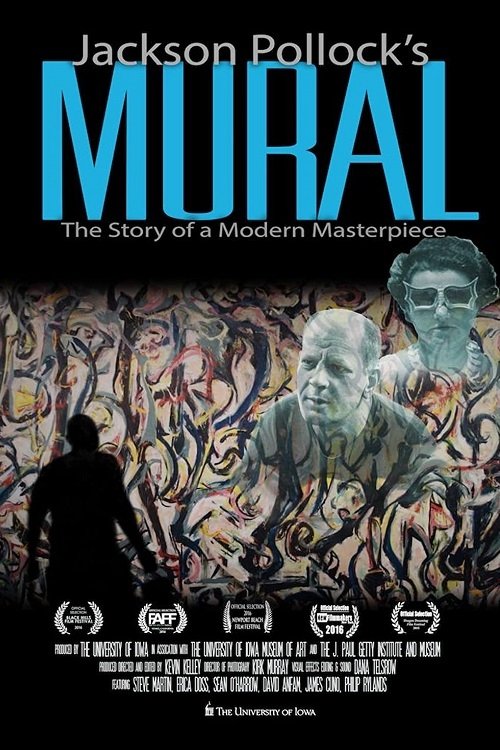
Jackson Pollock's 'Mural': The Story of a Modern Masterpiece is an Emmy Award winning documentary that explores the remarkable journey Pollock’s most influential painting took from New York to Iowa and around the world. Featuring well-known and respected art collectors and scholars, the film examines this powerful work and its enigmatic creator, celebrating the timeless energy of a once-controversial painting now hailed as a keystone of modern American art.
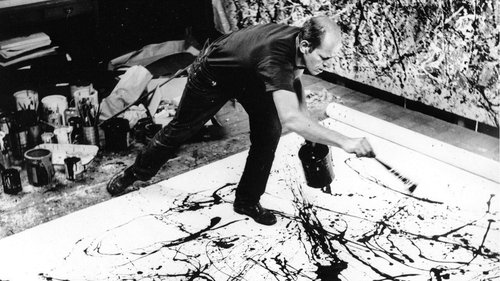
In August of 1949, Life Magazine ran a banner headline that begged the question: "Jackson Pollock: Is he the greatest living painter in the United States?" The film is a look back into the life of an extraordinary man, a man who has fittingly been called "an artist dedicated to concealment, a celebrity who nobody knew." As he struggled with self-doubt, engaging in a lonely tug-of-war between needing to express himself and wanting to shut the world out, Pollock began a downward spiral.
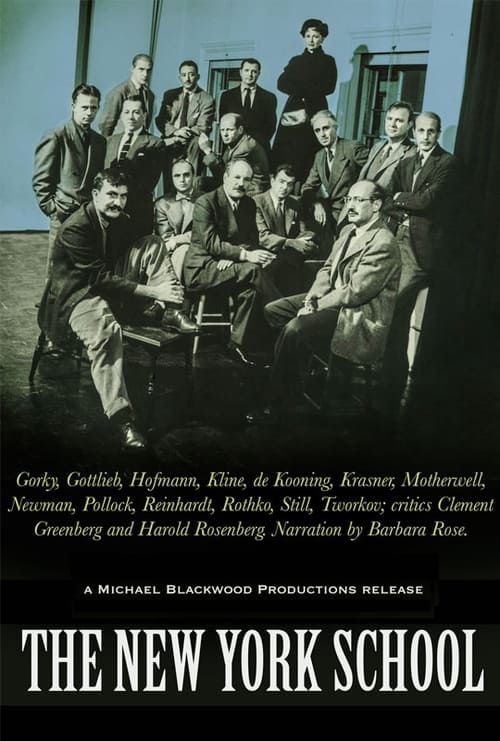
The band of American artists known as the New York School toyed with tradition and rebelled against the Renaissance.Feeling as though free association yielded their best results, the painters, poets and performers of the New York School took a surrealist approach that was concerned less with aesthetic and more with expression. Those associated with the School were unified by their desire to create from within. They created a monumental, dramatic art that remains a singular expression of the crucial modern quest for individuality and personal freedom." Never knowing exactly how their pieces would turn out, the artists of the New York School embraced their own complex humanity and worked from a place of bold, sporadic realness.
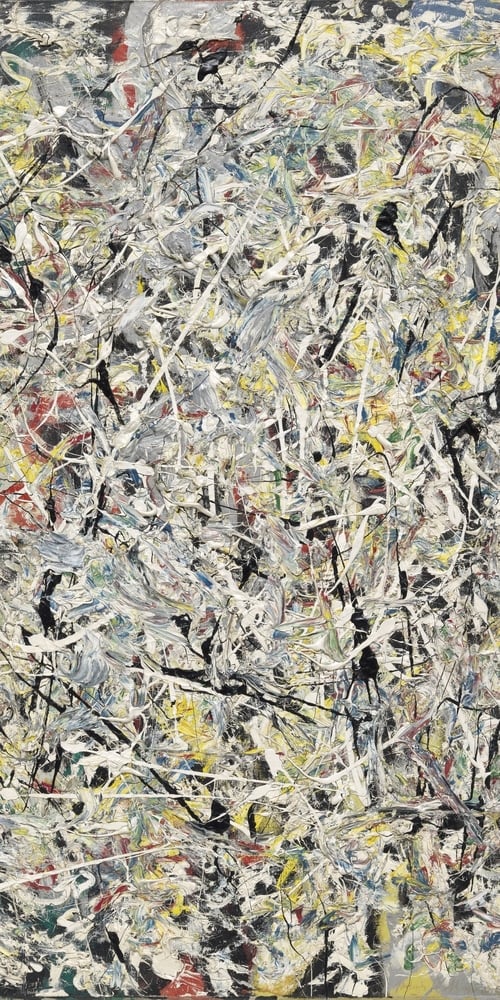
Ken Jacobs applies his patented Eternalism process to 3D images he took of Jackson Pollock's 1954 splatter painting.