
Action
Adventure
Animation
Comedy
Crime
Documentary
Drama
Family
Fantasy
History
Horror
Music
Mystery
Romance
Science Fiction
Thriller
War
Western
Found 19 movies, 0 TV shows, and 0 people
Can't find what you're looking for?

No description available for this movie.
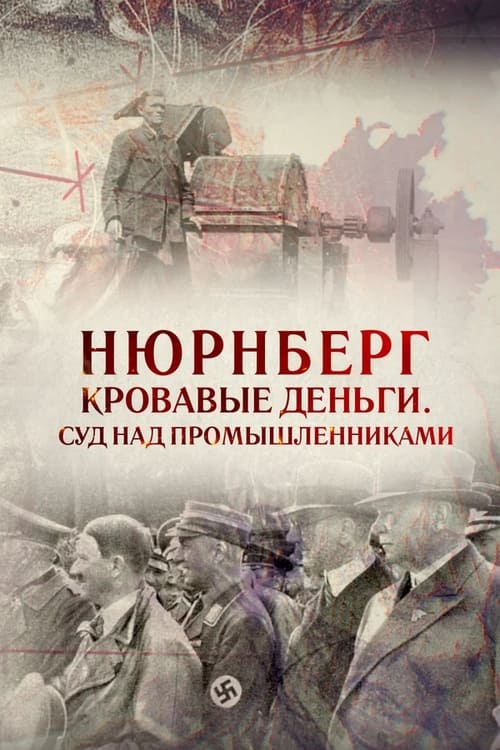
At Nuremberg the Soviet side demanded that the list of the accused should include financial and economic figures. And first of all Hjalmar Schacht, the chief banker of the Third Reich, the man who brought Hitler to power, the mastermind behind the German economic miracle of the 1930s. At the same time he took part in the attempted murder of the Führer, was a prisoner of the concentration camp. But can one make money on war and keep one’s hands clean? Kill millions and sleep serenely?

It's the musical phenomenon of the moment: K-Pop, short for "Korean Pop," has taken the world by storm in just a few years. But behind the powerful lyrics, elaborate choreography, and polished looks lies a ruthless industry.
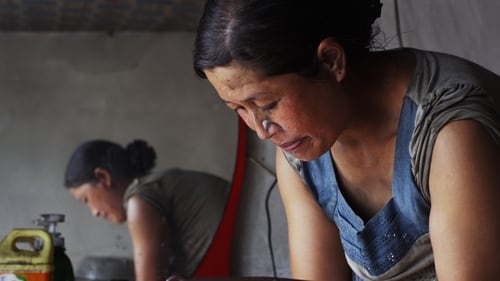
Under the sun, the heavenly beauty of grasslands will soon be covered by the raging dust of mines. Facing the ashes and noises caused by heavy mining , the herdsmen have no choice but to leave as the meadow areas dwindle. In the moonlight, iron mines are brightly lit throughout the night. Workers who operate the drilling machines must stay awake. The fight is tortuous, against the machine and against themselves. Meanwhile, coal miners are busy filling trucks with coals. Wearing a coal-dust mask, they become ghostlike creatures. An endless line of trucks will transport all the coals and iron ores to the iron works. There traps another crowd of souls, being baked in hell. In the hospital, time hangs heavy on miners' hands. After decades of breathing coal dust, death is just around the corner. They are living the reality of purgatory, but there will be no paradise.
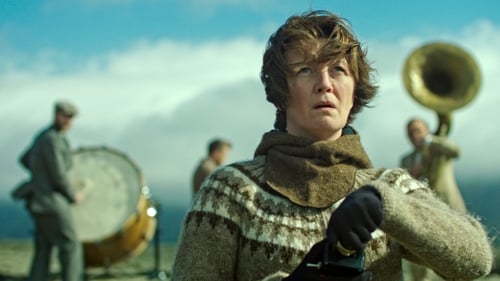
Halla declares a one-woman-war on the local aluminium industry. She is prepared to risk everything to protect the pristine Icelandic Highlands she loves… Until an orphan unexpectedly enters her life.

Manoel de Oliveira's final work revisits one of his earliest films and celebrates a century of industrialization in Portugal.
No description available for this movie.
No description available for this movie.
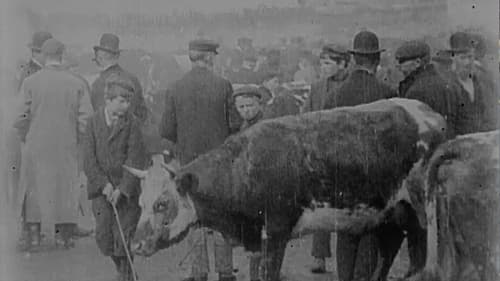
Bustling scenes show Edwardian Derry-Londonderry before industrialisation took hold.
Fordlandia is a small settlement on the River Tapajos in the Brazilian part of the Amazon, where Henry Ford set up a rubber industry in the 1920s. Mainly due to the resistance of nature, the project failed and was abandoned some 20 years later. Fordlandia is a voyage of (de)colonisation whereby the drifts and detours of modernity in uncertain places are highlighted, turning away from whatever their historical imaginaries were. The tensions between industrial and natural landscape are levelled off in a certain horizontality of hierarchies between form and content, and at the same time the animal resignifies possibilities of the community of the living.
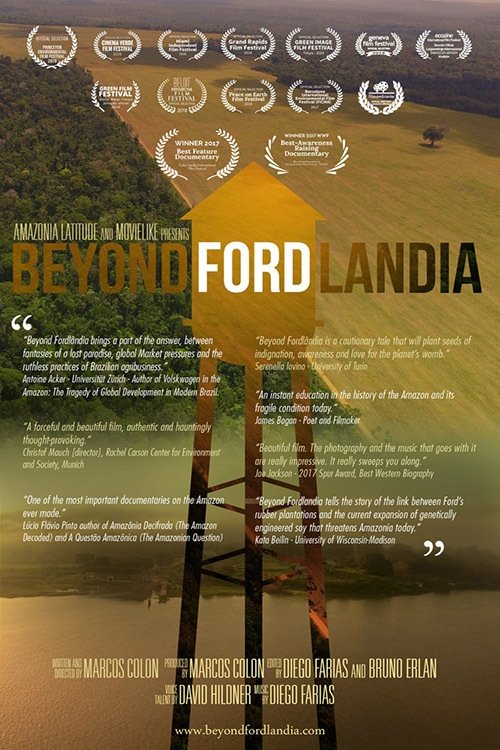
An environmental account of Henry Ford’s Amazon experience decades after its failure. The story addressed by the film begins in 1927, when the Ford Motor Company attempted to establish rubber plantations on the Tapajós River, a primary tributary of the Amazon. This film addresses the recent transition from failed rubber to successful soybean cultivation for export, and its implication for land usage.
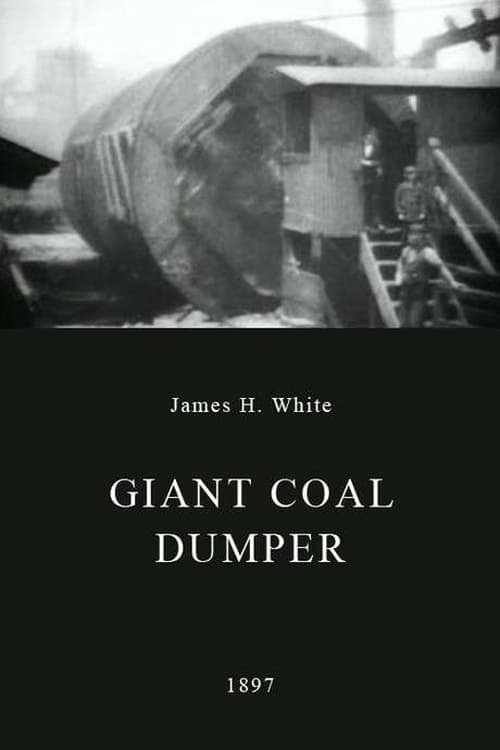
“Shows how a full carload of coal is loaded onto a vessel every thirty seconds at the great Erie Railroad Docks, Cleveland, Ohio. Great clouds of coal dust rise as each car is unloaded.”
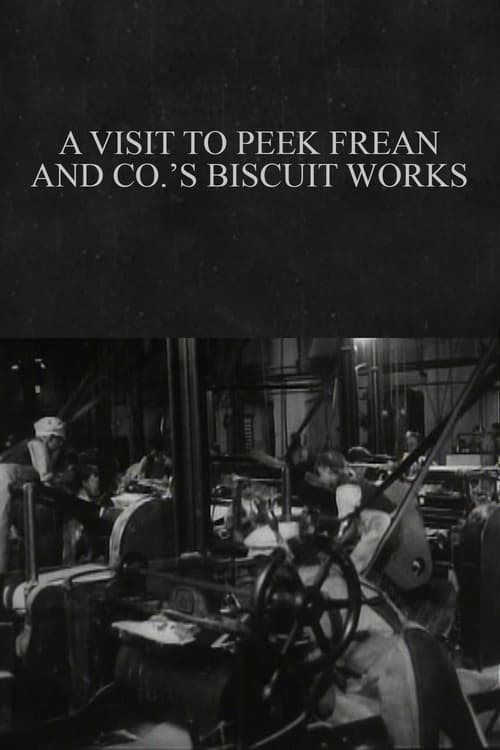
A look at typical activities taking place in the Peek Frean factory: First, the workers get up steam, as supplies of milk and flour arrive. Sheets of dough are rolled, then cut, shaped, and readied for baking. The camera then continues to show further events throughout the work day.

This 10-minute short documentary exploring the shifting state of the American poultry industry was preserved in 2015 from an original nitrate print. More information is available on the film's page in the National Film Preservation Foundation's website, where this version can be found featuring original music by Michael D. Mortilla.
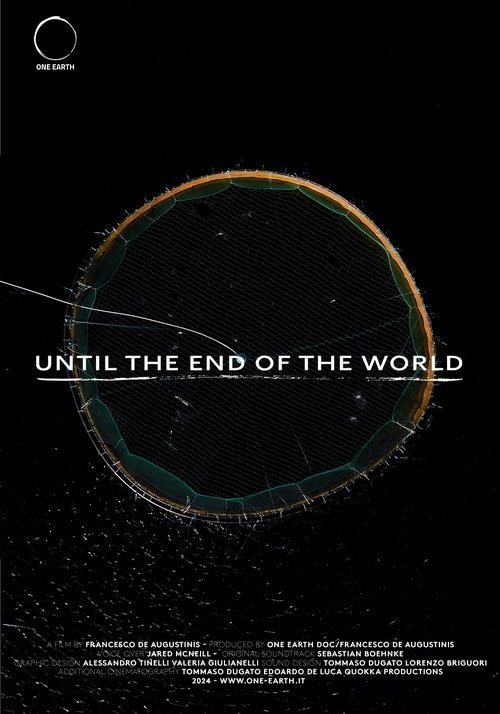
The United Nations Food and Agriculture Organization, along with other international organizations, is leading efforts to increase aquaculture by encouraging countries around the world to invest in its development. However, local communities strongly oppose the expansion of fish farms due to resource depletion and water pollution concerns. From Italy to Greece, Spain to Senegal, and all the way to Patagonia in Chile, their journey to uncover the truth extends to the ends of the earth.
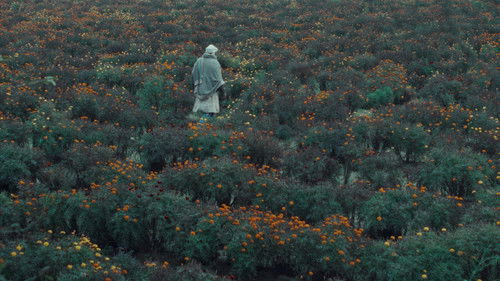
In a smog-choked village in Haryana, a retired professor turns to an outlawed ritual, crafting a calf doll from a stillborn's body, to save his cow from the urbanization slowly erasing his rural world.
No description available for this movie.
No description available for this movie.
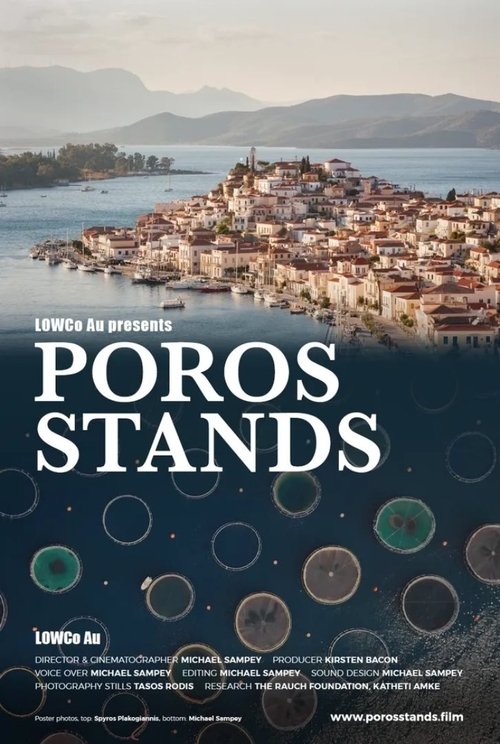
No description available for this movie.