
Action
Adventure
Animation
Comedy
Crime
Documentary
Drama
Family
Fantasy
History
Horror
Music
Mystery
Romance
Science Fiction
Thriller
War
Western
Found 20 movies, 0 TV shows, and 0 people
Can't find what you're looking for?
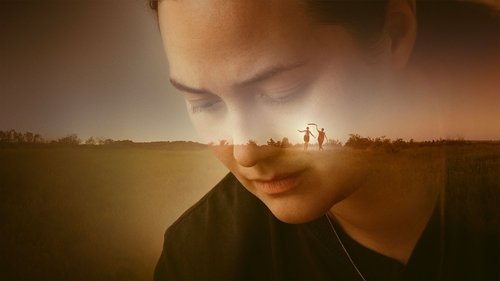
Following her sister's disappearance, Jax and her niece Roki must stick together. Desperate to keep what's left of their family intact, Jax and Roki defy the law and hit the road on a journey to the Grand Nation Powwow in Oklahoma City.

Joyce Jonathan Crone—Mohawk matriarch, retired teacher, activist, humanitarian—reaches forward into her community of Huntsville, Ontario, opening hearts and bridging gaps for Indigenous education.
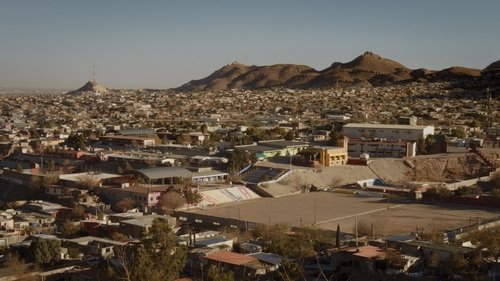
Nohemí and Mary are two women resisting structural violence in Ciudad Juárez. United by pain and hope, both mothers find inspiration to move their families forward. The dragonfly, a symbol they share, embodies their resilience and capacity for change.
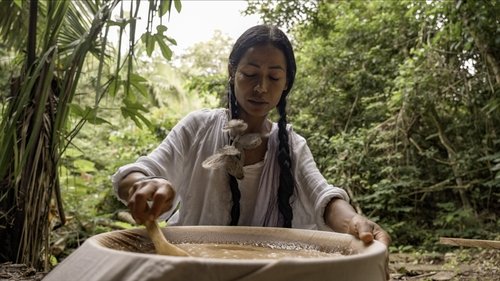
A documentary film about one woman's incredible life journey to meet and build a relationship with Ayahuasca. Her name is Tatiana Aya Tupinambá and she chose the path of an Ayahuasca curandera. Travel into the jungle with us near Pucallpa, Peru to meet Tatiana's Ashaninka teacher, Juan Flores. Experience the magical location of Mayantuyacu, where Tatiana's journey of self-discovery and healing blossomed. Mayantuyacu is a world famous healing center and is known for it's incredible unique geothermal river which is the largest boiling river on the planet. Learn about plant 'dietas', see the process of making Ayahuasca, and witness the fascinating practice that is 'Curanderismo', the way of healing in the Amazon rainforest. Understand how the Ayahuasca songs, Icaros, are learned from the plants and connect to force that these vibrational medicines carry.
Mary is catapulted into a horrific struggle to right old wrongs when she discovers the bones of the missing and murdered babies of an Indian residential school.
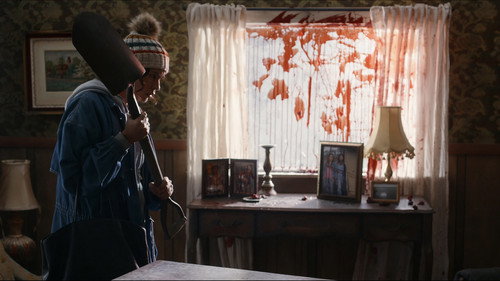
In the haunting landscape of rural Canada explores the terrifying idea: what if a severe mental health disorder took on a physical form—a creature lurking in the shadows? After cutting ties with her toxic sister, Elyse retreats to her ancestral home to rebuild her mental health. But her journey toward healing is derailed when a grotesque creature begins to stalk her. It feeds on her emotional turmoil, forcing her to confront the past she tried to escape or lose herself and those she loves.

It tells the story of 3 scientific renegades: a botanist (Robin Wall Kimmerer), a forester (Suzanne Simard), and a philosopher (Paco Calvo) who listen and learn from plants. Today the world is finally waking up to their message.
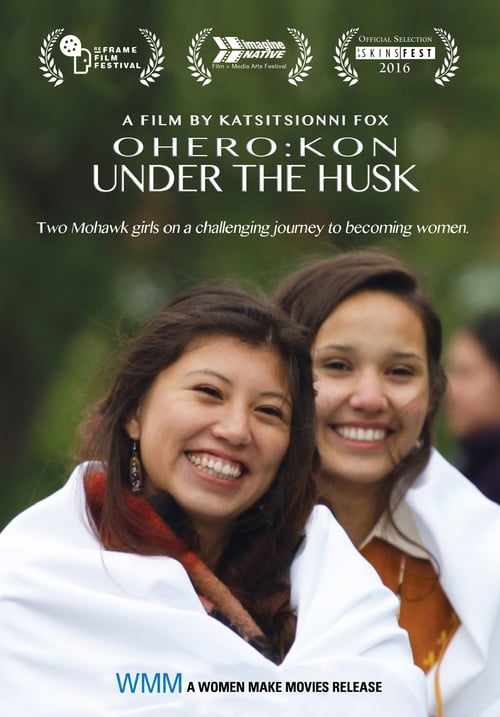
This documentary follows two Mohawk girls on their journey to become Mohawk women. Friends since childhood, Kaienkwinehtha and Kasennakohe are members of the traditional community of Akwesasne on the U.S./Canada border. Together, they undertake a four-year rite of passage for adolescents, called Oheró:kon, or "under the husk." The ceremony had been nearly extinct, a casualty of colonialism and intergenerational trauma; revived in the past decade by two traditional leaders, it has since flourished. Filmmaker Katsitsionni Fox has served as a mentor, or "auntie," to many youth going through the passage rites.

This documentary follows Dawn Murphy, or “Princess Delta Dawn”, who rose to fame in the 1980s and early 1990s and became the first Indigenous woman wrestler and the first Canadian woman wrestler to compete in Japan.
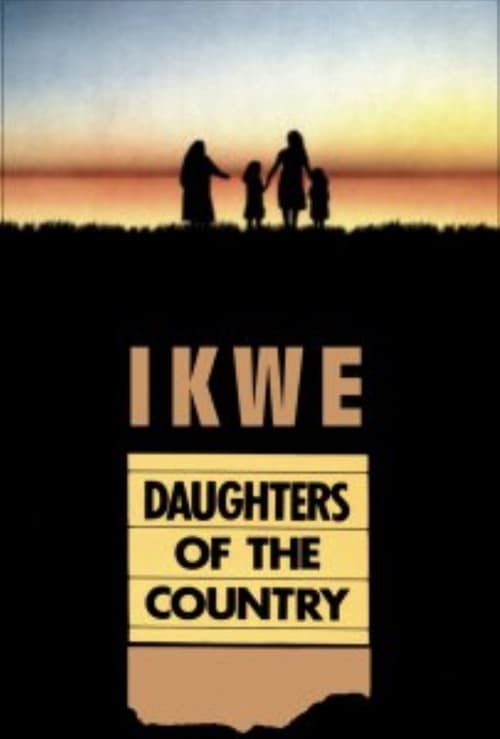
A young Ojibwa girl from 1770 marries a Scottish fur trader and leaves home for the shores of Georgian Bay. Although the union is beneficial for her tribe, it results in hardship and isolation for Ikwe. Values and customs clash until, finally, the events of a dream Ikwe once had unfold with tragic clarity.
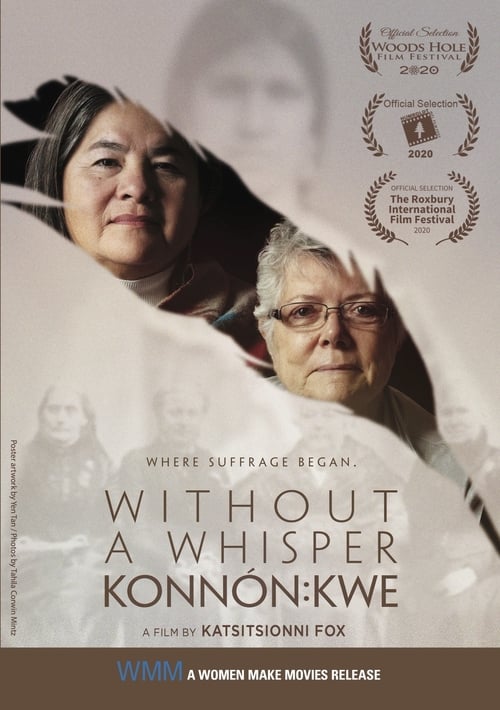
"Without a Whisper" is the untold story of how Indigenous women influenced the early suffragists in their fight for freedom and equality. Mohawk Clan Mother Louise Herne and Professor Sally Roesch Wagner shake the foundation of the established history of the women’s rights movement in the United States. They join forces on a journey to shed light on the hidden history of the influence of Haudenosaunee Women on the women’s rights movement, possibly changing this historical narrative forever.

In Southern Bahia, seven indigenous women invite to reflection, sharing their mythology, ancestry and paths to living well.
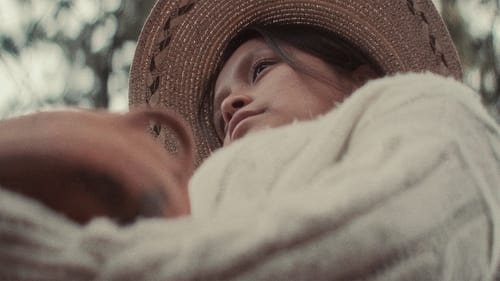
In an isolated community, a young indigenous woman fights for her freedom after enduring sexual assaults. Confronted with a life-altering decision, she stands at a crossroads between resisting or forging a path away from the shackles of violence.
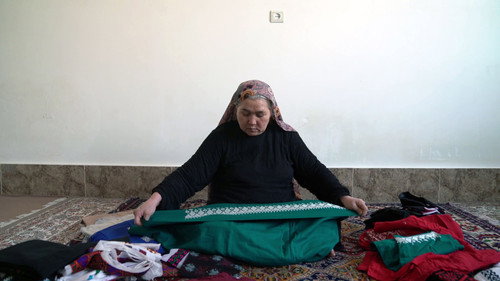
Afghan documentary maker Najiba Noori offers not only a loving and intimate portrait of her mother Hawa, but also shows in detail how the arduous improvement of the position of women is undone by geopolitical violence. The film follows the fortunes of Noori’s family, who belong to the Hazaras, an ethnic group that has suffered greatly from discrimination and persecution.
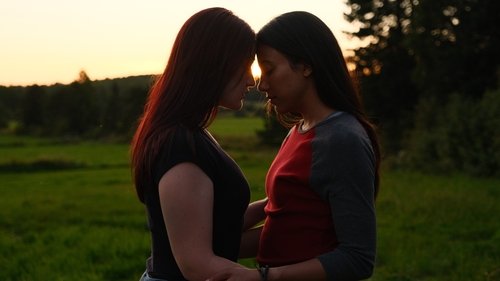
Whilst embarking on a lesbian relationship with the new girl in town, a Métis woman’s life is rocked to the core when her estranged mother returns.
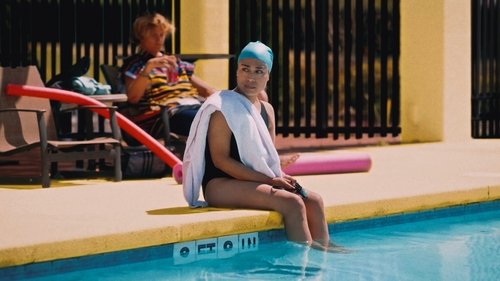
It's the summer after high school graduation and Gabriela, a young undocumented Guatemalan woman, pursues her dream of swimming for an illustrious Country Club swim team. Despite her single-minded determination, Gabriela is continually confronted with her overprotective mother’s ears, limitations on her economic and legal status, and self-judgment. As she questions her self-worth against the structures of contemporary American Southern life, Gabriela embarks on a quest towards personal freedom and self-acceptance.
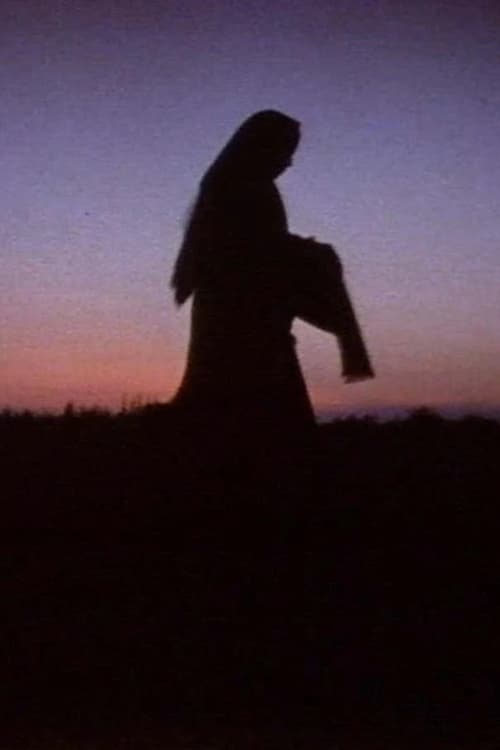
Filmed on location in Saskatchewan from the Qu'Appelle Valley to Hudson Bay, the documentary traces the filmmaker's quest for her Native foremothers in spite of the reluctance to speak about Native roots on the part of her relatives. The film articulates Métis women's experience with racism in both current and historical context, and examines the forces that pushed them into the shadows.
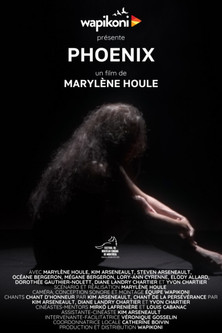
With its moving personal approach, careful artistic direction, and inspired sound design, this skillfully symbolic work embodies the importance of transmission.
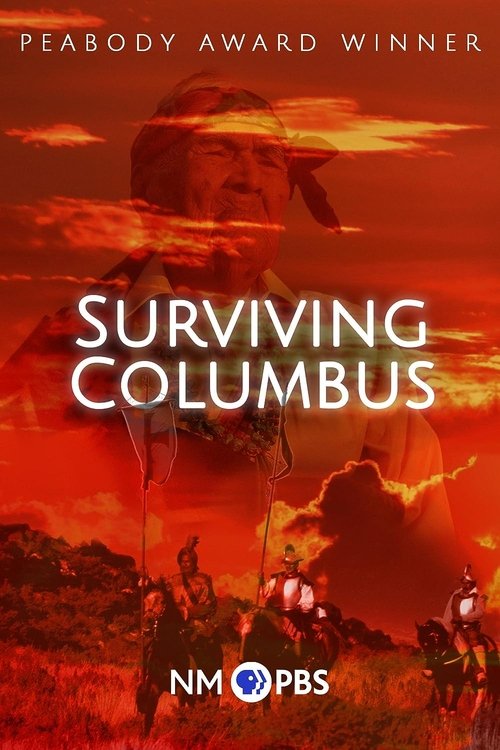
This Peabody Award-winning documentary from New Mexico PBS looks at the European arrival in the Americas from the perspective of the Pueblo Peoples.

No description available for this movie.