
Action
Adventure
Animation
Comedy
Crime
Documentary
Drama
Family
Fantasy
History
Horror
Music
Mystery
Romance
Science Fiction
Thriller
War
Western
Found 21 movies, 8 TV shows, and 0 people
Can't find what you're looking for?

Faced with the lack of interest from state authorities in curbing common crime, the Coastal-Mountain communities created their own public, comprehensive, and assembly-based justice system. In 1995, the Regional Coordinator of Community Authorities (CRAC) was established, under which the Community Police are controlled.
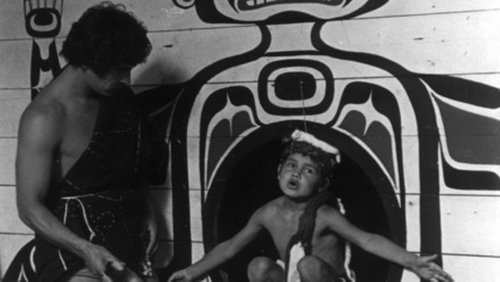
In 1921 the Kwakiut'l people of Alert Bay, British Columbia, held their last secret potlatch. In 1980 at Alert Bay, the U'mista Cultural Centre (U'mista means "something of great value that has come back") opened its doors to receive and house the cultural treasures which were seized decades earlier and only then returned to the people. The center also took up activities such as recording stories told by elders so that some part of the past would always be alive and teaching children about their heritage in order to make them feel connected to their ancestors. This film documents the cultural significance of these events for today's Kwakiut'l people. It is an eloquent testimony to the persistence and complexity of Kwakiut'l society and to the struggle for redefining cultural identity for them.
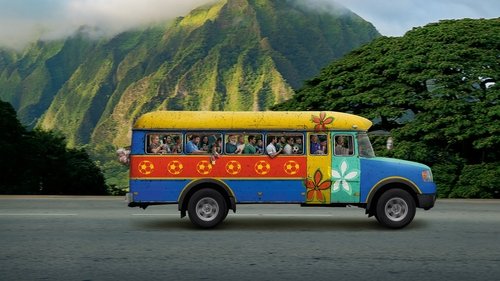
Dutch coach Thomas Rongen attempts the nearly impossible task of turning the American Samoa soccer team from perennial losers into winners.
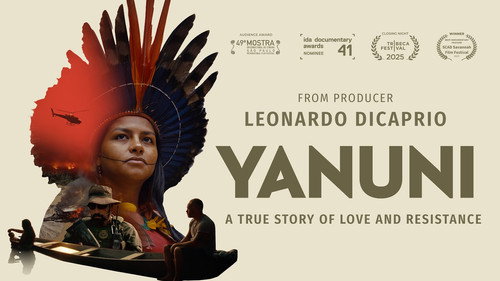
Indigenous chief Juma Xipaia fights to protect tribal lands despite assassination attempts. Her struggle intensifies after learning she's pregnant, while her husband, Special Forces ranger Hugo Loss, stands by her side.
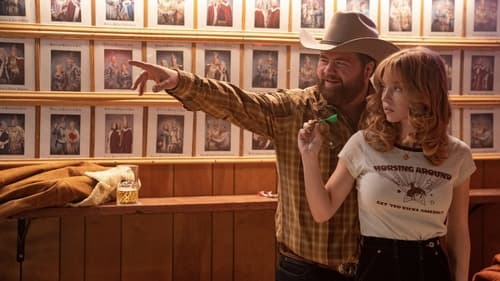
After a rare Native American artifact falls onto the black market, a shy waitress with big dreams teams up with a lovelorn military veteran to gain possession of it, putting them in the crosshairs of a ruthless criminal working on behalf of a Western antiquities dealer.
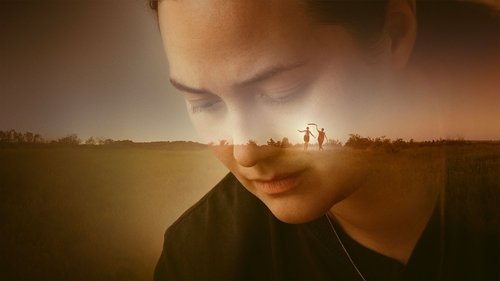
Following her sister's disappearance, Jax and her niece Roki must stick together. Desperate to keep what's left of their family intact, Jax and Roki defy the law and hit the road on a journey to the Grand Nation Powwow in Oklahoma City.
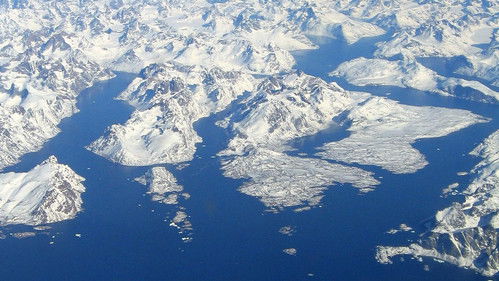
Greenland has become a major geopolitical issue between the United States, Europe, Russia, and China due to its geographical location and mineral resources. Its geopolitical destiny will have significant ecological consequences for the entire planet. What choice will the people of Greenland make? The largest island in the world, with its 2.2 million square kilometers covered 80% by ice, is also one of the least densely populated territories on Earth, with barely 57,000 inhabitants. Mainly living off fishing, tourism, and Danish subsidies, yet sitting on a potential treasure. We are talking about 25% of the world's hydrocarbon reserves, the third-largest uranium reserves, and 20% of rare earths. An icy Eldorado that today sparks all sorts of ambitions, one of the hotspots where the future of our multipolar world is being shaped. This is what the film will explore, addressing both its economic and commercial challenges, as well as its geo-ecological and military implications.
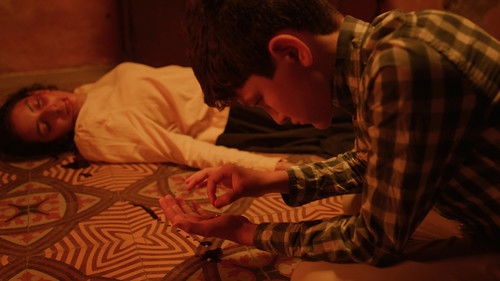
A federal agent is investigating a complex case: a series of chilling infanticides in which the victims’ teeth have been extracted; meanwhile, in a nearby village, two healers find a wounded man in the woods and offer him refuge.

Joyce Jonathan Crone—Mohawk matriarch, retired teacher, activist, humanitarian—reaches forward into her community of Huntsville, Ontario, opening hearts and bridging gaps for Indigenous education.
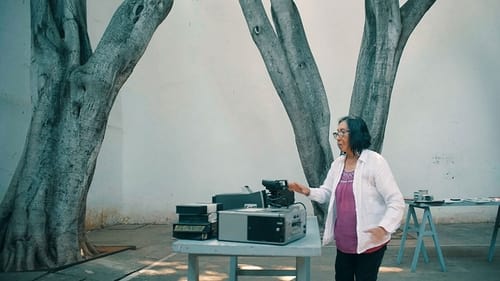
This documentary rescues the valuable work of Martha Colmenares, an indigenous woman from the Zapotec highlands, who in the 1980s filmed the life and customs of her own community, becoming a pioneer of indigenous documentaries. And for the first time, her forgotten story, for forty years, will no longer be invisible.

TOKYO Ainu features the Ainu, an indigenous people of Japan, living in Greater Tokyo (Tokyo and its surrounding areas), who are and actively in promoting their traditional culture in a metropolitan environment away from their traditional homeland, Hokkaido. Shedding a common assumption that all Ainu live in Hokkaido, the film captures the feelings, thoughts and aspirations of Ainu people that who try to follow the Ainu way no matter where they live.
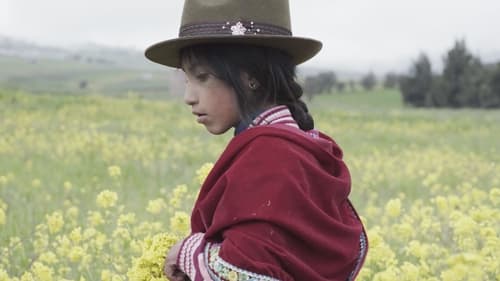
Cuviví is the Ecuadorean indigenous name for the upland sandpiper, a wading bird that has special significance for the communities living around the Ozogoche lakes in the middle of the Andes. Each year, these birds migrate south from North America. Around September they pass the Ozogoche lakes, where large numbers then “commit suicide,” plunging from great heights into the ice-cold water. A girl lives near the lake. Her uncle lives in the US, and she might be heading there herself. In the meantime, she awaits the arrival of the cuvivís, few of which have appeared in recent years. The lakes are drying up.

Through her child’s eyes, Patpro will go through three periods of the history of her indigenous people, in the heart of the Brazilian forest. Tirelessly persecuted, but guided by their ancestral rites, their love of nature and their fight to preserve their freedom, the Krahô never stop inventing new forms of resistance.
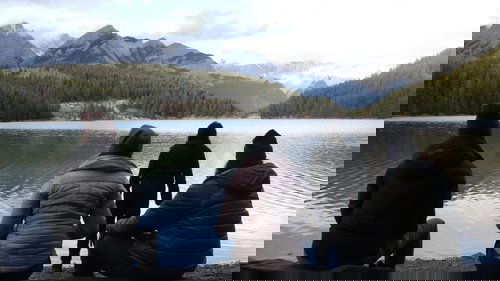
The film tells the story of four Cree siblings, Connie, Marianne, Gwen, and Anthony, separated as babies through Canada’s notorious Sixties Scoop, which saw indigenous children taken from their homes to be adopted by white families. Excited and curious, but also scared and afraid of rejection, they agree to meet for the first time over a holiday weekend in the mountains of Banff.
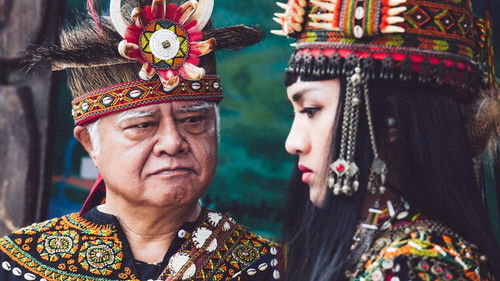
Alifu, a 25 year-old Paiwan boy, works as a hair-dresser in Taipei and struggles between his dream of getting a sex change operation and following his father’s footsteps to inherit the title as Chief of the indigenous Paiwan tribe. His lesbian roommate, Pei-Zhen, is also his best friend and confidante. Sherry, a transgender man, is the owner of a drag queen bar. For years, Sherry has been in love with the plumber, Wu, even though Wu only sees him as his buddy. Chris, a civil servant, lives a dull life. A one-time gig as a drag queen in the bar unexpectedly becomes his unique and secret way to relief stress. Chris has no choice but to keep this gig a secret from his girlfriend Angie. Across different genders and sexualities, the only common ground these people share is their search for love, understanding and acceptance. (Source: Golden Village)

What seems to be a burgeoning romance between two Indigenous people takes an unexpected turn in this bold and thrilling blend of the satirical and the sinister by writer-director ishkwaazhe Shane McSauby.
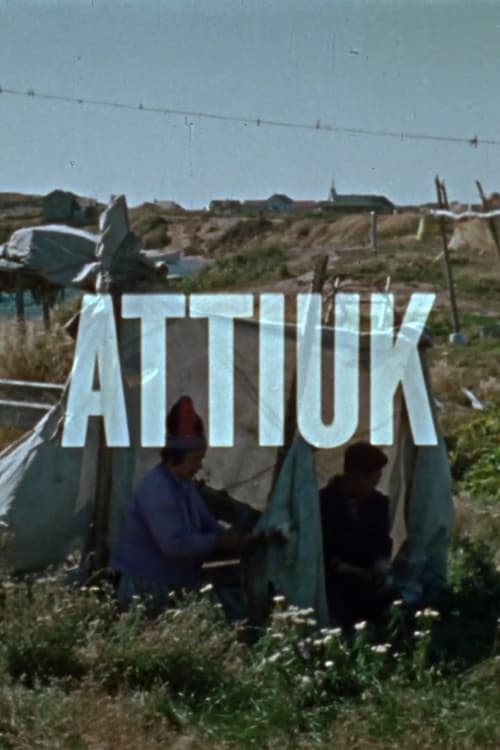
The people of Unamenshipu (La Romaine), an Innu community in the Côte-Nord region of Quebec, are seen but not heard in this richly detailed documentary about the rituals surrounding an Innu caribou hunt. Released in 1960, it’s one of 13 titles in Au Pays de Neufve-France, a series of poetic documentary shorts about life along the St. Lawrence River. Off-camera narration, written by Pierre Perrault, frames the Innu participants through an ethnographic lens. Co-directed by René Bonnière and Perrault, a founding figure of Quebec’s direct cinema movement.

In a fantastical and anachronistic world, Huashi visits Roqshelashé’s palace on behalf of the Qom community. Tired of oppression, the indigenous people demand an end to the exploitation of their territory.
In Gabon, within the Congo Basin, a young aspiring filmmaker forced into his father’s logging empire uncovers a plan to destroy a sacred forest—and a buried colonial-era family secret.
In 1675, colonial settlements replace the New England wilderness, summarily threatening the lives - and lifestyle - of its indigenous people. Some plan for a moment of reckoning; others plan to provoke. Rumors of war abound...
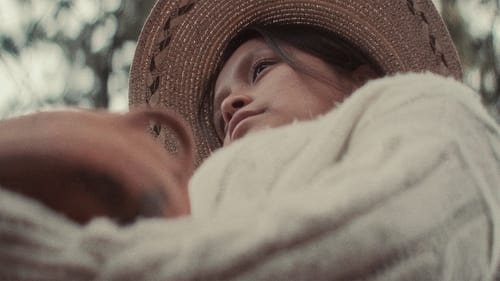
In an isolated community, a young indigenous woman fights for her freedom after enduring sexual assaults. Confronted with a life-altering decision, she stands at a crossroads between resisting or forging a path away from the shackles of violence.