
Action
Adventure
Animation
Comedy
Crime
Documentary
Drama
Family
Fantasy
History
Horror
Music
Mystery
Romance
Science Fiction
Thriller
War
Western
Found 19 movies, 1 TV show, and 0 people
Can't find what you're looking for?
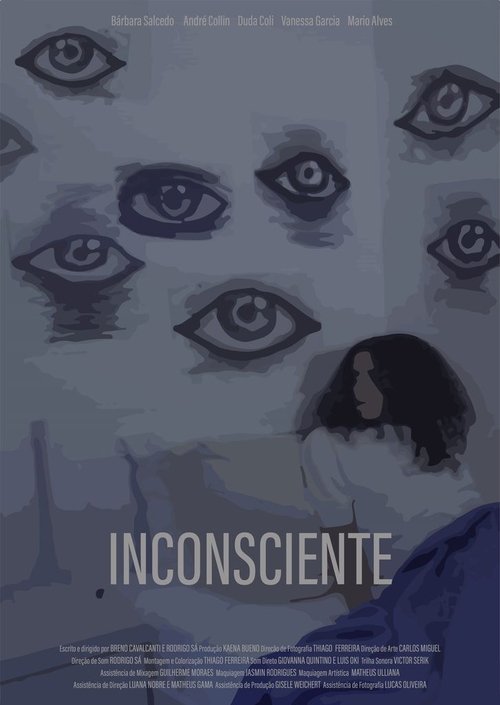
A mysterious health condition emerged in late 2022: dozens of people go to sleep and never wake up, entering a deep coma popularly known as "The Sleep Plague." Ester, a psychology student burdened with guilt over her recent loss of her mother, finds herself involuntarily living in her own dreams. With the chance to reunite with her mother, Ester will discover that living in her mind may not be as pleasant as it seems.

What do dreams mean about the macho Jair?
No description available for this movie.

No description available for this movie.
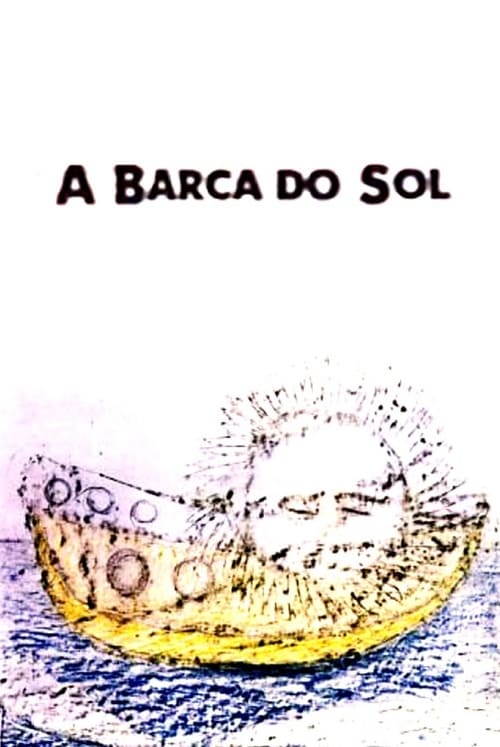
The episode dives into the mystical universe of Carlos Pertius, the son of a family of French immigrants, hospitalized at the age of 29. After facing personal problems such as the death of his father, one day he caught a glimpse of a cosmic image, which he named “the planetarium of God”. He was incarcerated at Praia Vermelha hospital, in Rio de Janeiro, and was diagnosed with schizophrenia. In 1946, he began to attend the studio created by Nise da Silveira, becoming fond of it as if it were his home. His works are marked by the presence of mandalas, signs of his attempts to organize psychic chaos.

A Freudian comedy set in Barcelona, 1913, that playfully questions sexual taboos through a Sherlock Holmes-style investigation.
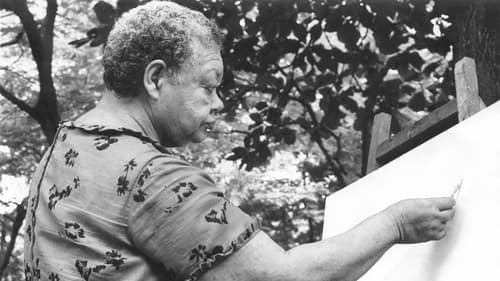
In hopes of unraveling the causes and cure for various forms of insanity, a psychiatrist in Brazil created the Museum of Images from the Unconscious in 1952. It gathered paintings and drawings made by mental patients from all over Brazil. Many of the works in the museum are paired with the case-histories of the patients who created them in this fascinating film.

Dialoguing directly with the trilogy of documentaries “Images of the Unconscious”, made between 1983 and 1986 and based on clinical cases and therapies with a humanist approach and artistic expression, conducted by the pioneering psychiatrist Nise da Silveira (1905-1999) – screenwriter of that film –, here is presented, in two parts, an interview with the doctor, a student of Carl Jung and a pioneer in the application of non-violent treatments for psychiatric patients, given to director Leon Hirszman, in 1986. The conversation is divided in two parts: the first, "The emotion of dealing", the second, "The egress".
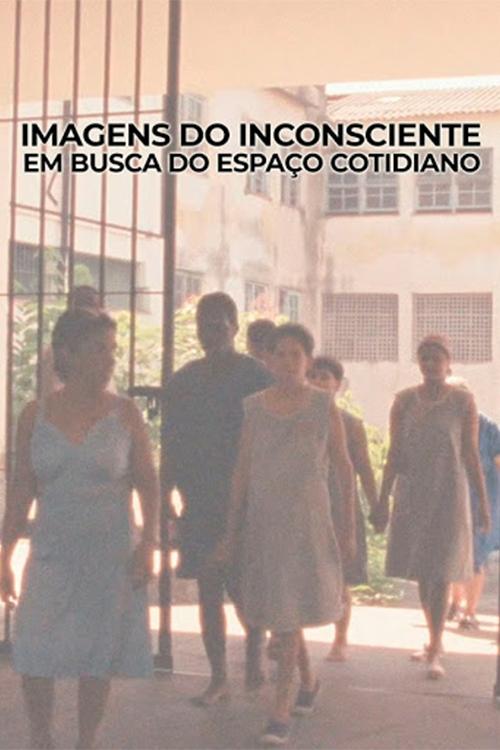
Part 1 of the "Images of the Unconscious" documental series.
A 1917 Argentinian film.
No description available for this movie.

No description available for this movie.

No description available for this movie.

No description available for this movie.
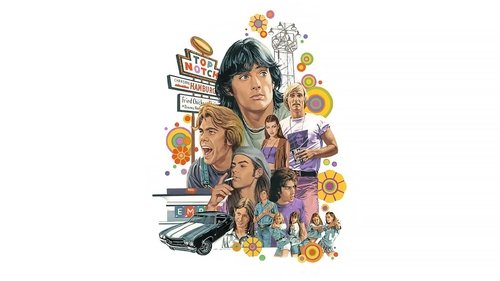
The adventures of a group of Texas teens on their last day of school in 1976, centering on student Randall Floyd, who moves easily among stoners, jocks and geeks. Floyd is a star athlete, but he also likes smoking weed, which presents a conundrum when his football coach demands he sign a "no drugs" pledge.

A horrific car accident turns a married couple's lives upside down. Artist Maria's husband, businessman Kirill, becomes disturbingly perfect. Is he repenting his mistakes and trying to make up for what he almost lost forever, or is it all a figment of Maria's injured imagination? A series of increasingly strange coincidences and signs suggest that Maria can no longer trust herself.

Adelina Gomes, a poor girl, daughter of peasants, with a primary education and some manual training, shy and submissive to her mother, had never had a boyfriend until she was 18 years old, when she fell in love with a man who was not accepted by her mother. He submitted himself to the fact and gradually withdrew until one day he strangled the cat, which he liked very much. By killing the cat, Adelina denied herself as a woman, taking refuge in madness with great aggression.

This film is based on a long-term study of the dreams of chimney sweepers. The most frequently encountered images have been selected from the abundant material available and the script was created on the basis of those images. Statistics support the claim that this film presents one of the dreams that chimney sweepers encounter most frequently.
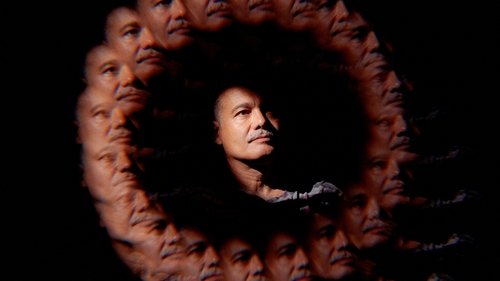
Sidarta Ribeiro, a Brazilian neuroscientist, explores how dreams and other forms of access to the unconscious can transform human experience. In his research, he proposes combining the ancestral knowledge of indigenous peoples and people of African origin in Brazil with scientific knowledge, as well as a scientific reevaluation of experiences with hallucinogens.