
Action
Adventure
Animation
Comedy
Crime
Documentary
Drama
Family
Fantasy
History
Horror
Music
Mystery
Romance
Science Fiction
Thriller
War
Western
Found 29 movies, 3 TV shows, and 0 people
Can't find what you're looking for?
An examination of the connection between relentless government intervention since colonisation to the trauma and disadvantage experiences by Indigenous Australians - the two key drivers of incarceration.
This video, The Road to Mass Incarceration, by Greenhouse Media summarizes criminal justice policy decisions dating back to the 1960s. Although the effects often took decades to manifest, each of these policy shifts increased the rate of incarceration in the U.S. The video ends with many of the architects of these changes, Democrats and Republicans alike, admitting the failure of these policies and suggesting that it is time for real change.
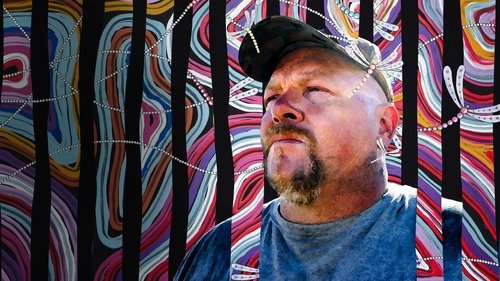
Narrated by Uncle Jack Charles and seen through the eyes of Indigenous prisoners at Victoria’s Fulham Correctional Centre, this documentary explores how art and culture can empower Australia's First Nations people to transcend their unjust cycles of imprisonment.
Almost Home is a feature-length documentary that examines the many challenges individuals face when they get released from prison and the positive impact they can have if given the opportunity to succeed.

The National Park Service tells the story of a very bleak chapter in American history. In 1942, in reaction to the Japanese attack on Pearl Harbor, the United States government ordered more than 110,000 men, women and children to leave their homes to be detained in remote military style camps. Japanese Americans and legal migrants were unjustly imprisoned in these concentration camps until the end of World War II.

This is the riveting, emotional story of Japanese Americans who were forced into encampments in the U.S. during World War II. Utilizing in-depth interviews with former internees, a rich collection of rare photos and film clips, and beautifully crafted recreations, Silent Sacrifice reveals the pain, shame, regret, and healing that nearly 120,000 Japanese Americans endured throughout the war. Delve into the historical background of the internment, the impact on American citizens of Japanese descent, and their experiences in assembly centers and incarceration camps.
Four stories of Wisconsinites forced to rebuild their lives after incarceration. This short documentary explores hope, humanity, and most of all, the restorative power of community.

A CRISPRpunk documentary about Neo-China, bionic black holes and hope.

NAMBA tells the American story of May Namba, born in 1922 to Japanese immigrants. During WWII, 125,000 Japanese Americans were incarcerated, including the Namba family. May’s granddaughter, Miyako, narrates and guides us through her grandmother’s experiences living at Minidoka. Miyako packs a suitcase heart-wrenchingly contemplating the most important belongings to bring to the prison camp. She makes a mattress out of hay and lays down in a horse stall to use as a bed, just as her grandmother did. Throughout the film May and Miyako share this complex history—the injustice and love of country—that’s rarely discussed in history books.
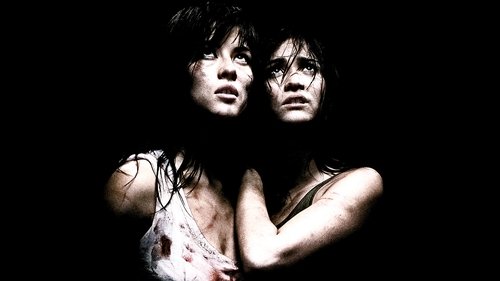
A young woman’s quest for revenge against the people who kidnapped and tortured her as a child leads her and her best friend, also a victim of child abuse, on a terrifying journey into a living hell of depravity.
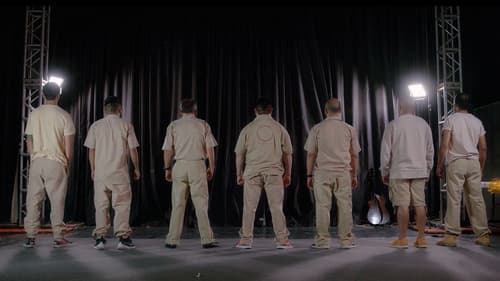
The internal journey of eight men, who, through a theater workshop, go through the different prisons they inhabit. Practicing the art of seeing themselves, in Boal's words, this group of men reflects on their masculinity as a representation to hide their true strength: their vulnerability.
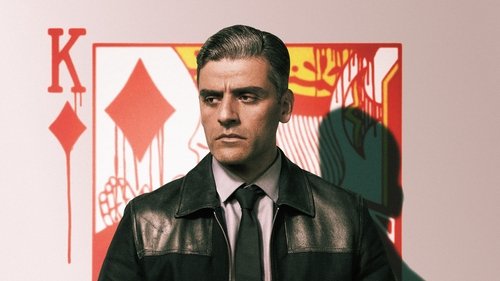
William Tell just wants to play cards. His spartan existence on the casino trail is shattered when he is approached by Cirk, a vulnerable and angry young man seeking help to execute his plan for revenge on a military colonel. Tell sees a chance at redemption through his relationship with Cirk.
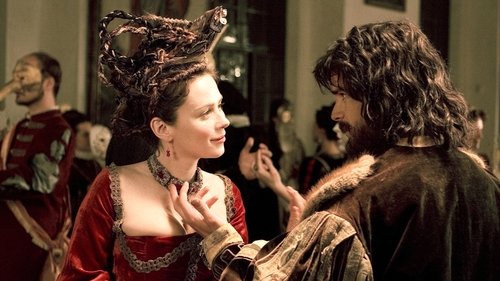
Bathory is based on the legends surrounding the life and deeds of Countess Elizabeth Bathory known as the greatest murderess in the history of mankind. Contrary to popular belief, Elizabeth Bathory was a modern Renaissance woman who ultimately fell victim to men’s aspirations for power and wealth.

A Southern Indiana man endures a fatal night of torture after being arrested for a routine traffic stop.
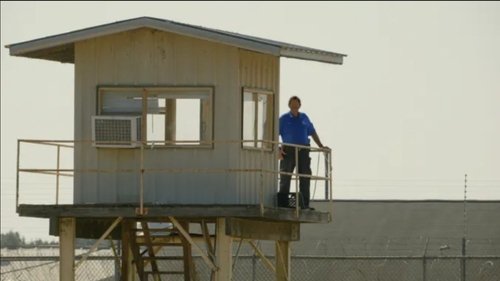
Incarcerated men defy the odds to expose a cover-up in one of America’s deadliest prison systems.

Elementary Genocide is a documentary executive produced by award winning journalist/filmmaker Rahiem Shabazz. The documentary appeals to a wide general viewership by addressing the social, cultural, political and personal ramifications of how the federal government allots money to each state, to build prions based on the failure rate of 4th and 5th graders. In America, where half of the 4th grade is reading below grade level and more African-American males are in jail than are in college, Elementary Genocide serves as a striking reminder of a flawed system in need of repair.

MILWAUKEE 53206 chronicles the lives of those living in the ZIP code that incarcerates the highest percentage of black men in America, up to 62%. Through the intimate stories of three 53206 residents, we witness the high toll that mass incarceration takes on individuals and families that make up the community. The film examines Milwaukee’s ZIP code 53206 to illuminate the story of people from across the United States who live with the daily affects of mass incarceration.
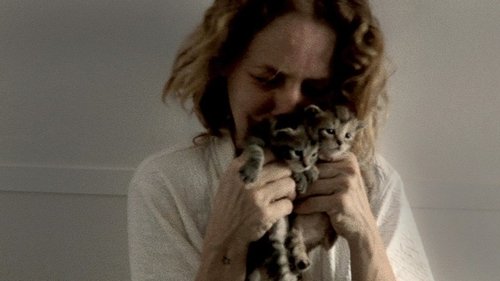
Francine is released from prison and settles down in a small town. She is unable to regain a foothold in society and turns to animals for comfort.
A man that is a stranger, is an incredibly easy man to hate. However, walking in a stranger’s shoes, even for a short while, can transform a perceived adversary into an ally. Power is found in coming to know our neighbor’s hearts. For in the darkness of ignorance, enemies are made and wars are waged, but in the light of understanding, family extends beyond blood lines and legacies of hatred crumble.
After giving away her young daughter, an incarcerated immigrant mother begins to make sense of her contrition when she connects with a kindred inmate.
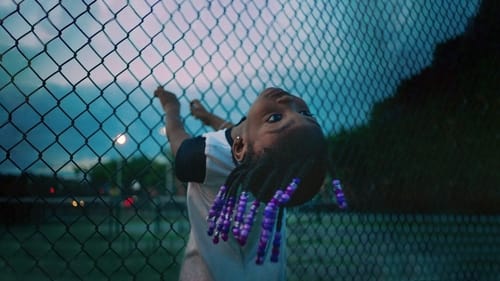
Four young girls prepare for a special Daddy Daughter Dance with their incarcerated fathers, as part of a unique fatherhood program in a Washington, D.C., jail.
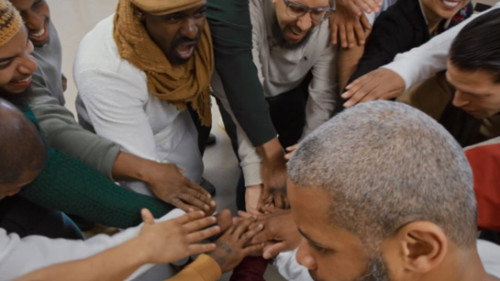
Inmates at Sing Sing prison share their passions, thoughts, and aspirations in a unique speaking event.

Andrea visits her incarcerated son for the first time. Initially eyed with suspicion by other women in line, she gradually gains their trust — and emerges as a powerful advocate for justice reform.
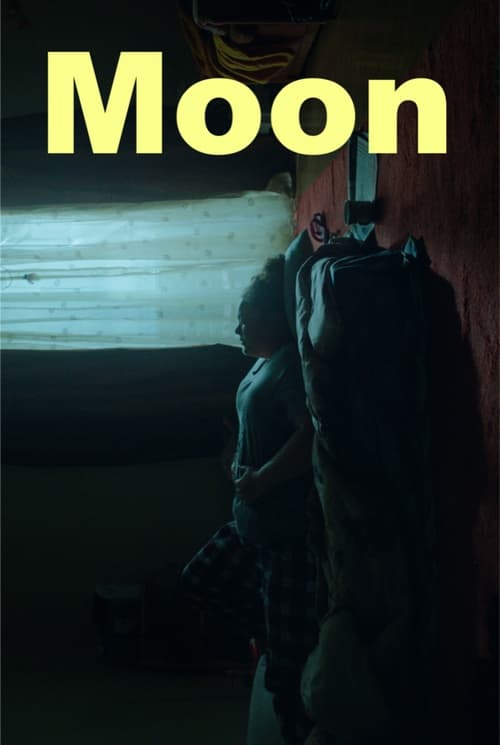
Babz Dubreuil, a lonely ex-convict, works as a cook in a brunch restaurant. At the encouragement of a colleague, she finds the courage to ask an attractive customer on a date. It might be the beginning of redemption.
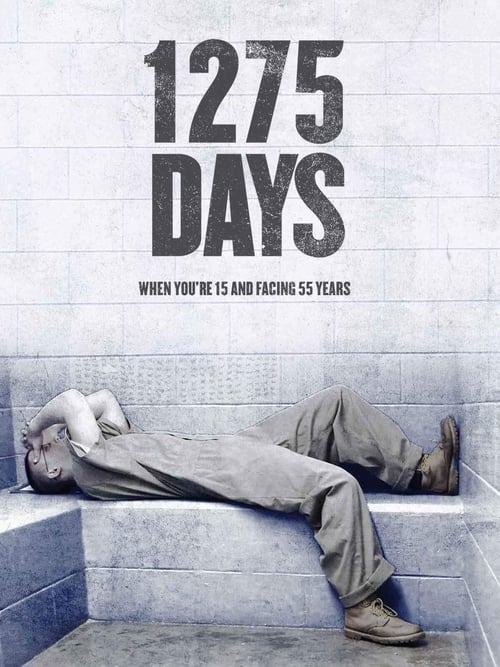
After a botched home invasion, 15-year-old Blake finds himself facing a virtual life prison sentence for Felony Murder. With the unwavering support of his single mother and teenage girlfriend, a David-and-Goliath uphill battle ensues in Elkhart, Indiana. They take on the system in hopes of a second chance.

While the nation is terrorized by a slew of kidnappings and murders, a young woman falls in love with a mysterious man; not realizing that he is the one who went to jail for the murder of her parents, thirteen years earlier.
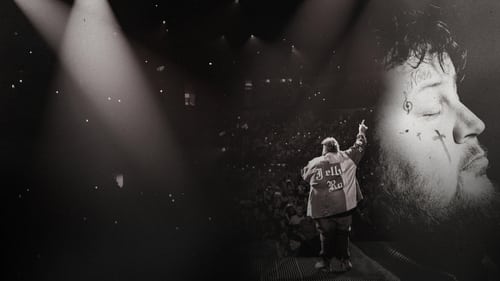
An inside look as the 38-year-old prepares to perform at the famed Bridgestone Arena in his hometown of Nashville, featuring never-before-seen tour footage and interviews with the musician and those closest to him. It also shows how Jelly Roll balances life on tour with philanthropic work, including a visit to a juvenile detention facility where he was incarcerated multiple times to share his story in the hopes of inspiring positive change in others.
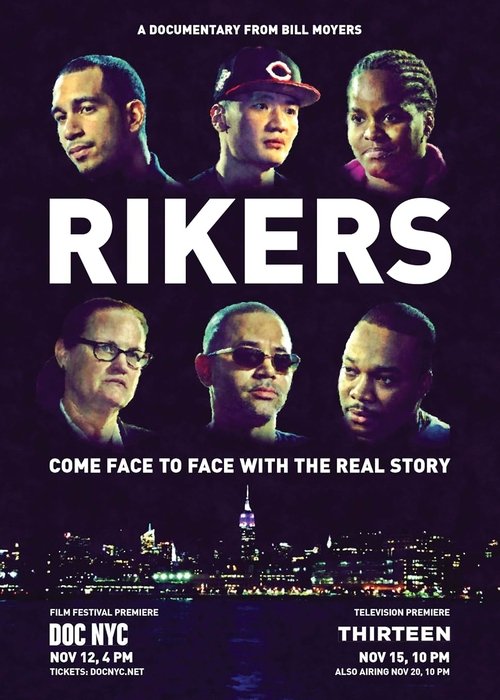
This film from Bill Moyers is the first documentary to focus exclusively on people formerly detained in New York City’s notorious Rikers Island Jail. They tell their compelling stories direct to the camera, revealing the violent arc of the Rikers experience – from the trauma of entry to extortion and control by inmates, to oppressive corrections officers, violence and solitary confinement.

After Aaron is charged with murder, he uses the power of prayer to help prove his innocence turning his life around and saving his son Jalen from the street life before it is too late.