
Action
Adventure
Animation
Comedy
Crime
Documentary
Drama
Family
Fantasy
History
Horror
Music
Mystery
Romance
Science Fiction
Thriller
War
Western
Found 39 movies, 10 TV shows, and 0 people
Can't find what you're looking for?
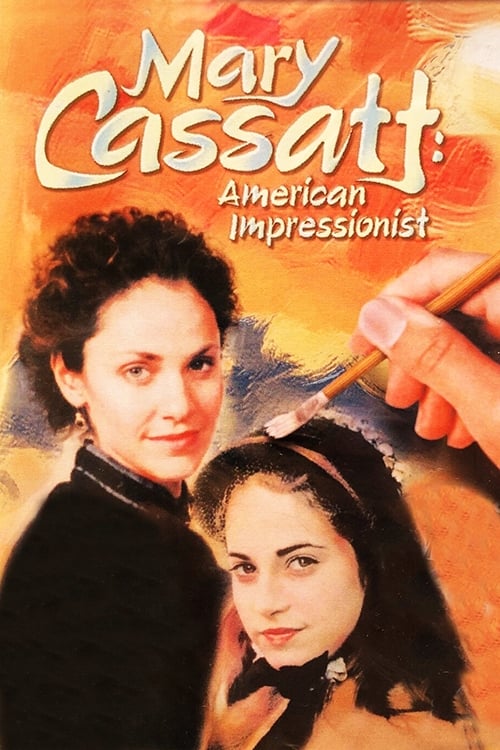
Cassett's Parisian solitude is disrupted by the unexpected arrival of her brother's three kids, but she soon finds herself inspired and uses the children as models. Meanwhile, Cassatt's teenage niece plays cupid between Cassatt and the great painter Degas. Romance does not blossom but Degas invites Cassatt to join the Impressionists.
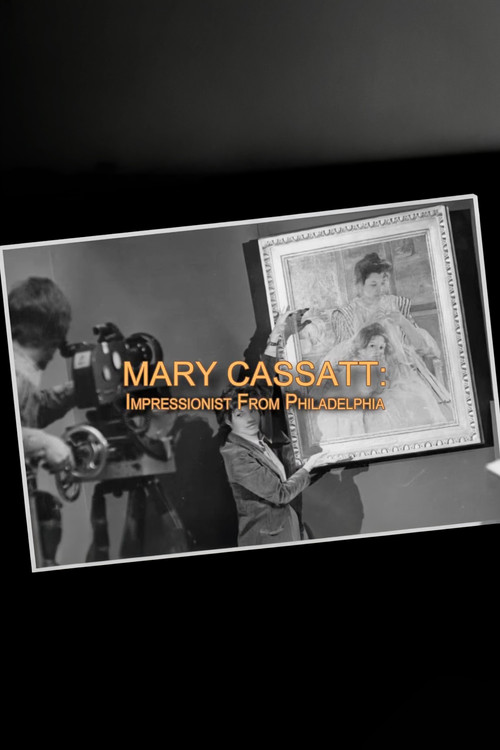
This documentary portrait is the first to celebrate the only American member of the French Impressionist school and the first American woman to become a famous painter. 'Mary Cassatt Impressionist From Philadelphia' is not only a biography of the artist’s life and work; the film sees both in the context of the status of the woman painter in Victorian America in the second half of the 19th century.
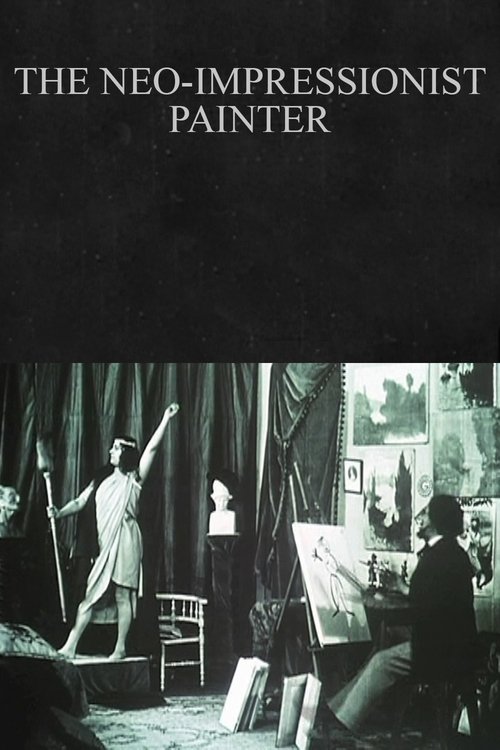
A painter is seen in his studio with his model. A buyer comes in, and the painter shows him a number of his paintings, all of them based on puns, including one of a devil shooting pool. Eventually, the buyer purchases all of the paintings.

John Russell tells the fascinating story behind the only Australian artist at the centre of the Impressionist movement in France and how his famous friendships forever changed the way the world sees colour.

“Impressionism is female”: we understand this when we consider Berthe Morisot, Mary Cassatt, Eva Gonzalès and Marie Bracquemond, four outstanding artists who developed distinct Impressionist subjects and manners of painting. All four knew each other, were regulars in the contemporary artist circles of Paris and, above all, shared a common fate: they were talented women in a world ruled by men. The documentary by Rudij Bergmann, an expert on impressionalism, which was filmed in France and the United States tells the story of the four women, placing their works at the centre of reflection on aesthetic, historical but also social matters. Set against the backdrop of Paris in the late 19th century, it reveals a new dimension of this fascinating and revolutionary period of art.
Russia's rich cultural heritage features a fascinating array of artistic works. This in-depth documentary examines the lives and art of some prominent Russian impressionists, including Vasily Polenov, Wassily Kandinsky, Konstantin Korovin, Philipp Malyavin, Mikhail Larionov and Natalia Goncharova. A variety of artists from other schools of painting (rayonism, Cézannism, cubism and suprematism) are also discussed.

How did the Impressionists view the world? What relationship did they have with technique, with color, with light and with the universe of shapes that made up reality before their eyes? How were their works received? How did they go from being rejected by critics and the public to becoming among the most loved in the world in a few years? Secret Impressionists is an immersive journey into the intimacy of the Impressionists and their paintings which aims to offer a "privileged" visit that stimulates the spectators' curiosity and gives them a perspective on the works complementary to the live experience, allowing spectators in the hall to immerse themselves in the work of painters and grasp unpublished details.
Monet, Cezanne, Degas, Renoir: some of the world’s most popular artists. Their works, and that of their contemporaries, fetch tens of millions of dollars around the globe. But who were they really? Why & how exactly did they paint? What lies behind their enduring appeal? To help answer these questions, this unique film secured unparalleled access to a major exhibition focussing on the man credited with inventing impressionism as we know it: 19th-century Parisian art collector Paul Durand-Ruel. This eagerly anticipated international exhibition is possibly the most comprehensive exploration of the Impressionists in history.
Dick Carew, the son of a soap-maker, and Dorothy Wilton, the daughter of a lawyer, meet in Paris, where they have gone from America to imbibe an atmosphere sicklied with artistic buncomb by the Cubists. The young man, visiting a cabaret, the meeting place of frowsy post-impressionists, is impressed with their windy theories, mainly denunciations of everything that common sense and decency understand. Dick is just ignorant enough about art to be impressed with this buncomb, and takes Dorothy to the Cubist.
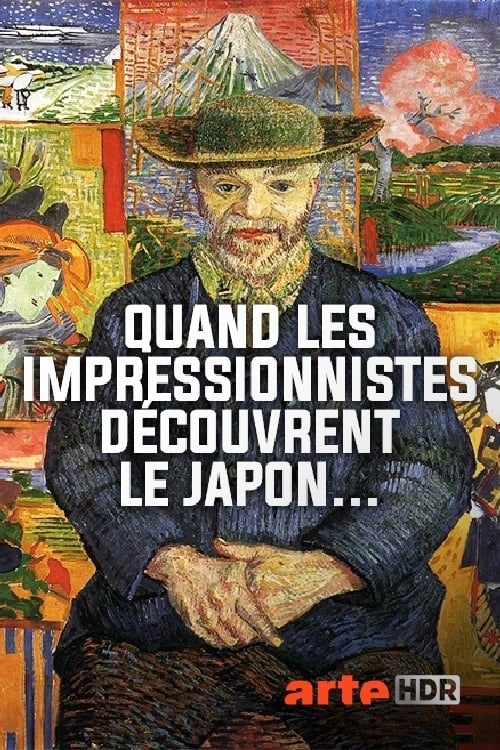
From 1853, Japan opens up to the West. Numerous works of art and woodcuts find their way to Europe. The Impressionists and later the European artistic avant-garde succumb to this one passion: Japonism. 150 years after the beginning of the Meiji period in 1868, the film traces the connections between Japan and the Western world.
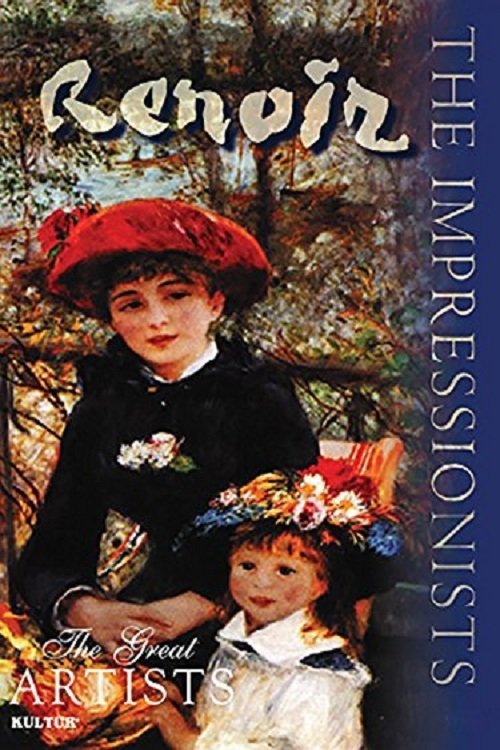
Pierre August Renoir's brilliant Le Moulin de la Gallette created immense controversy in its day. Famous for his use of hot reds, orange and gold to portray nudes in sunlight, Renoir's later life was blighted by arthritis, which crippled his hands. This fascinating story of a man and his work includes a visit to the artist's home.
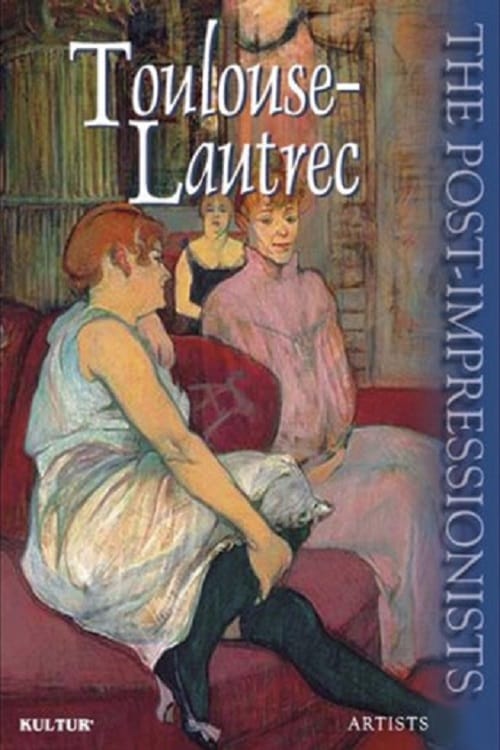
Henri Toulouse-Lautrec was ultimately, a tragic figure in the history of art. Crippled by an ill-proportioned body, he lived for just 36 years before the effects of alcoholism and syphilis took their final toll. His dissolute life spent in the brothels and nightclubs of late 19th century Paris provided the subject matter for his finest work. His radical, boldly-colored paintings and posters of the famous Moulin Rouge nightclub succeeded in conveying the unique feeling and energy of contemporary Parisian nightlife.
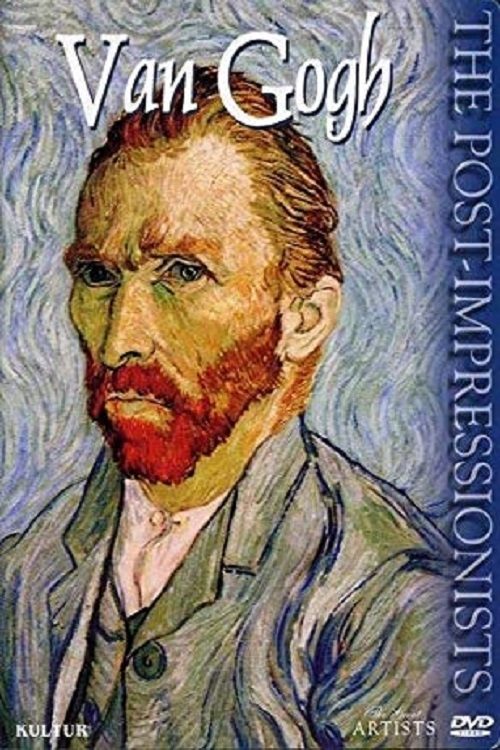
Brilliant but tormented Dutch painter Vincent van Gogh is profiled through his art, his letters and expert commentary in this engrossing documentary. Famous for his thick, swirling brushstrokes, van Gogh -- the son of a pastor -- battled frequent bouts of madness throughout his short life and committed suicide at age 37. Though he was once the quintessential starving artist, his masterpieces now fetch millions of dollars.
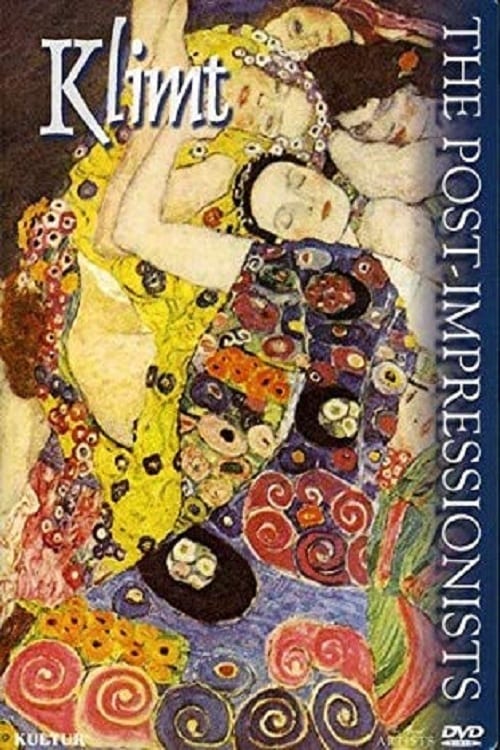
Gustav Klimt was an unlikely artistic rebel, but in early 20th century Vienna, the work of this mild-mannered painter created a scandal in his home city. Having enjoyed a conventionally successful early career, Klimt's art changed radically in his mid-thirties. He became leader of the Vienna Secession, a group of avant-garde artists who would change the conservative Viennese art scene forever. Klimt¹s own work became increasingly erotic in nature. His deeply sensual portraits of Viennese women still make a powerful impression upon the modern viewer.
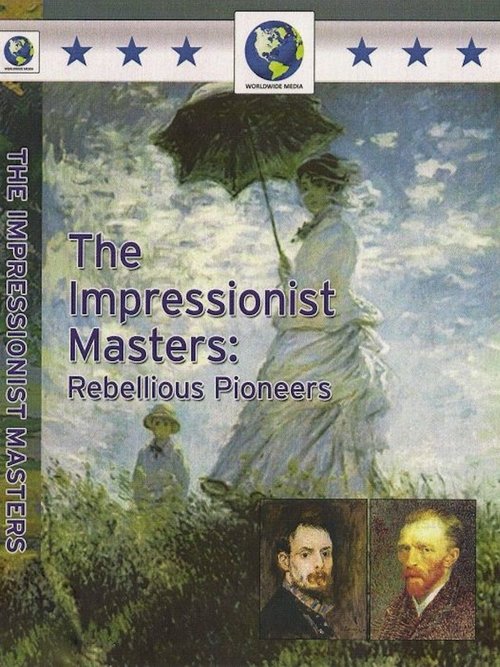
Beginning just prior to the emergence of the Impressionist movement in 19th Century France, this program provides a comprehensive history of how the movement began, it's major players, and how it influenced the future of French painting and sculpture. Noted artists included Claude Monet, Pierre-Auguste Renoir, Camille Pissarro, Edgar Degas, and many others.
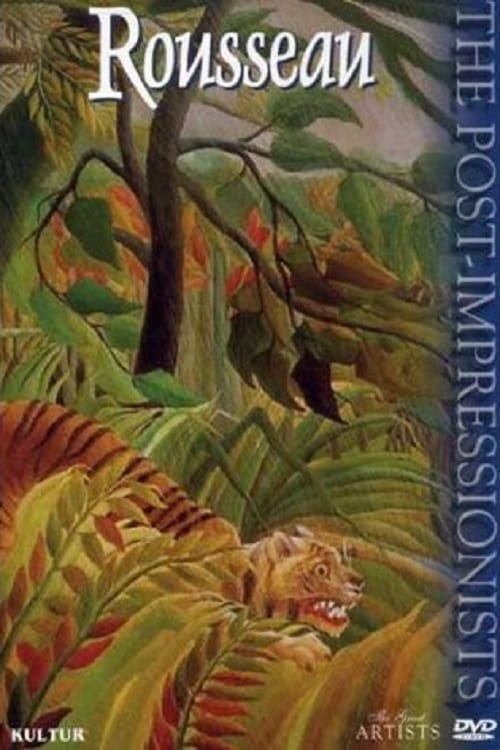
Henri Rousseau was a true amateur. His professional life was spent working as a customs official. But in his spare time, he painted and was utterly convinced of the greatness of his art, despite his complete lack of formal training. Although he was heavily criticized by many for his use of brightly colored images and child-like techniques, he did bring a sense of vitality, charm and innocence to his painting.
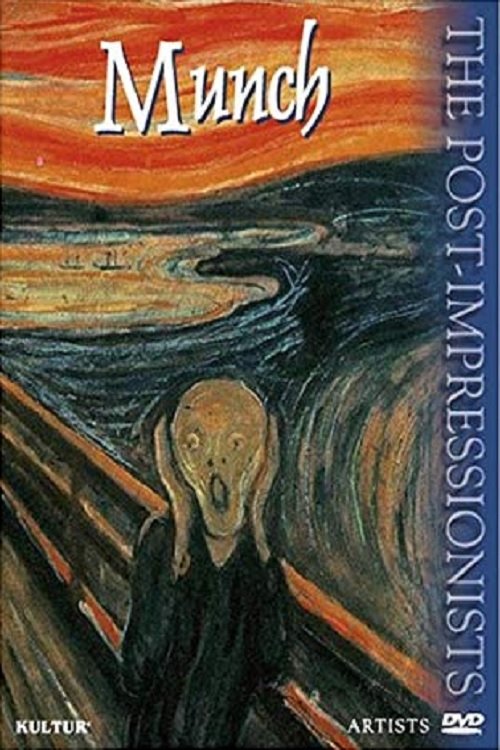
In 1893, a Norwegian artist created a masterpiece which became a defining image of the 20th Century. The Scream is a picture whose sense of anguish reveals much about our own lives, as well as the life of its creator. All his life, Edvard Munch suffered the consequences of a childhood surrounded by madness and death.
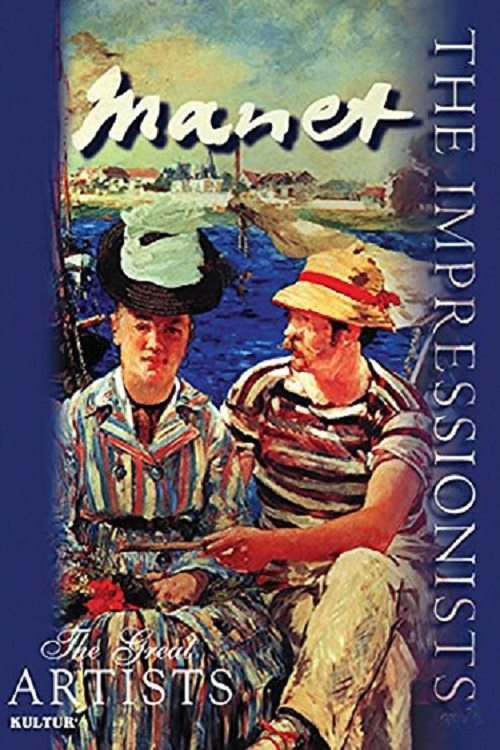
This program tells the story of one of the art world's most colorful characters. A true maverick and a highly controversial figure in his day, Edouard Manet became a father figure to the Impressionist movement because of his stand against the restrictions and conventions of the French salon.
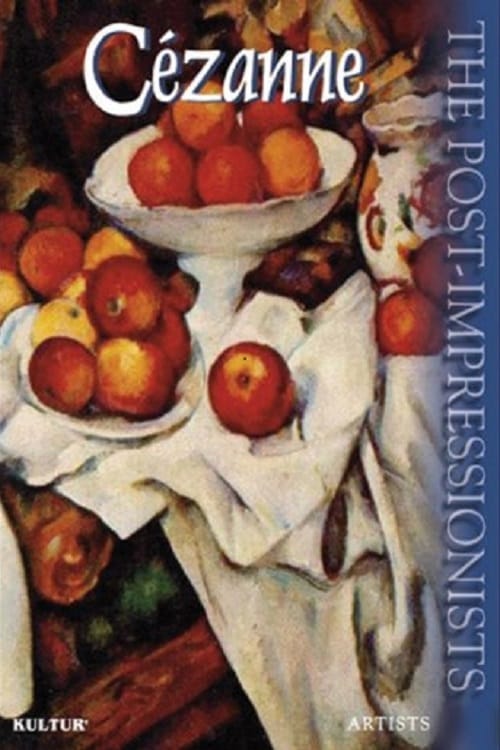
Paul Cézanne sought a method of capturing the underlying structure of any subject matter. His eventual triumph derived from a revolutionary new approach to color and to perspective. His paintings were often derided by the critics, but by the end of his life, his genius was beginning to be appreciated. Cézanne's influence on 20th century artists was so great that he is now referred to as the "Father of Modern Painting."
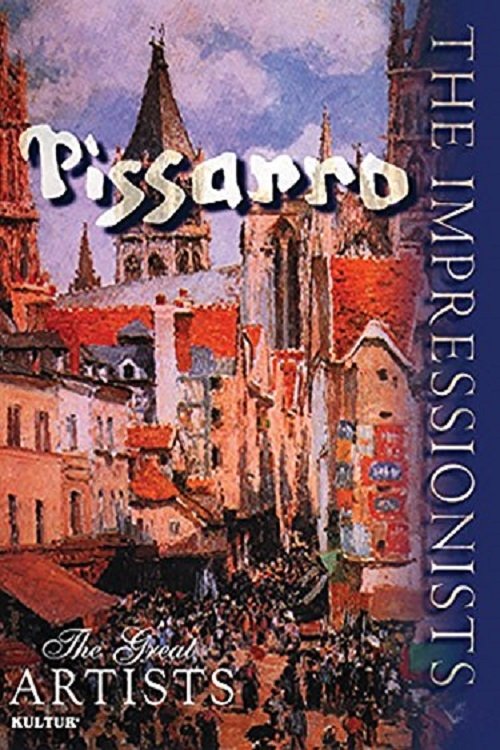
This is the story of the life and work of Camille Pissarro, the West-Indian born leader of the original Impressionists and the only artist from that school to exhibit at all eight of the exhibitions from 1874 to 1886. Pissaro's great works include the famous Boulevard Montmarte which hangs today in the National Gallery, London.

When four distant cousins inherit a 19th-century home in Normandy, they decide to visit and examine their family history. No one has lived there since the 1940s, and the cousins are intrigued by all of the items they find there, little things that help them to understand their ancestor, Adèle Vermillard. Jumping back and forth in time, they meet the mysterious Adèle, whose bohemian lifestyle, and her relationships with the leading artists of the time, changes their lives.
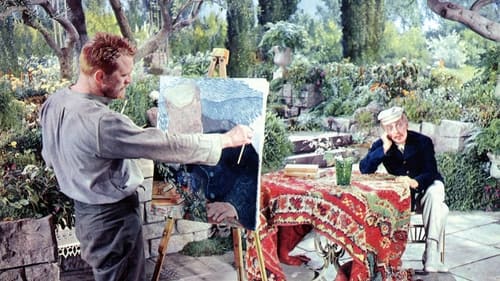
An intense and imaginative artist, revered Dutch painter Vincent van Gogh possesses undeniable talent, but he is plagued by mental problems and frustrations with failure. Supported by his brother, Theo, the tormented Van Gogh eventually leaves Holland for France, where he meets volatile fellow painter Paul Gauguin and struggles to find greater inspiration.
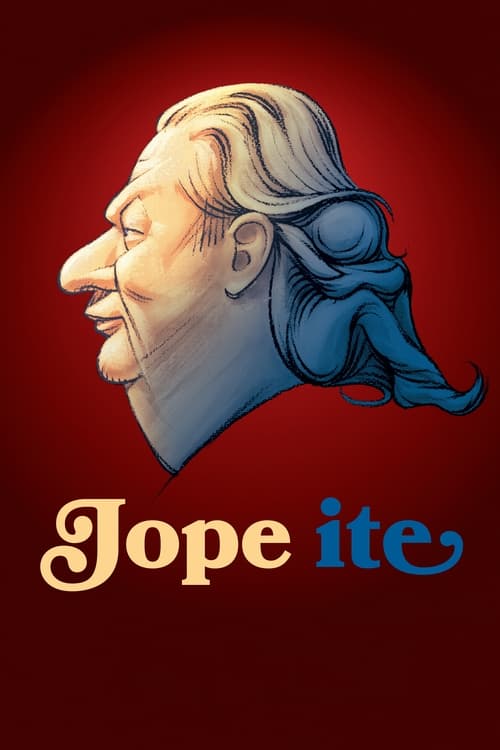
An overweight boy who was a bullied at school grew up to become a beloved comedian, folk artist Jope Ruonansuu. He was a versatile entertainer, but above all an impressionist, able to imitate more than 150 characters from the ruling class. Jope's journey was a natural extension of the post-war "Rillumarei" -culture. He broke through when the monoculturalism was at its most vibrant and grew in popularity as it began to crumble. With weight loss surgery, Jope sought a healthier life, but also to shed the extra pounds and childhood traumas. After the surgery, he was diagnosed with oesophageal cancer, but continued to fight, developing a number of different projects, including an anti-bullying campaign together with the President of Finland, Sauli Niinistö. The project was to culminate in a joint visit to Syväkangas school, in Jope's home town of Kemi. Jope passed away before then, but Niinistö kept his promise.
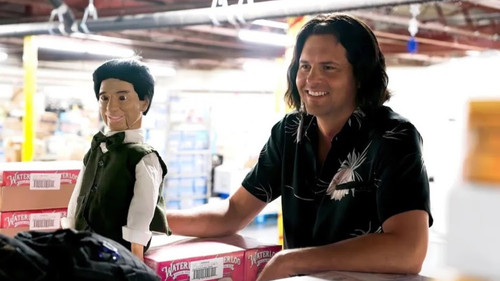
Down-on-his-luck impressionist Sam Reinhold makes a pact with Fergus-a wicked, strings-attached puppet-that holds the promise to propel Sam to stardom, unleashing a nightmare that threatens the safety of those he holds dear.
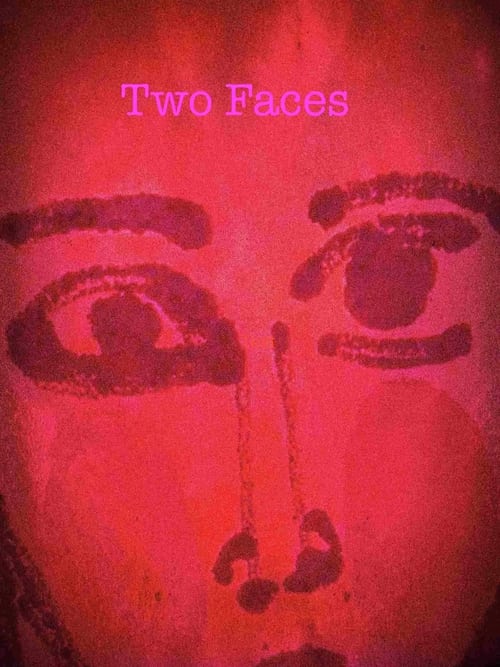
Loose impressionistic brushstrokes sketch a series of portraits of two faces, one male and one female, while the verse on the soundtrack tells the tale of both one and a thousand relationships.
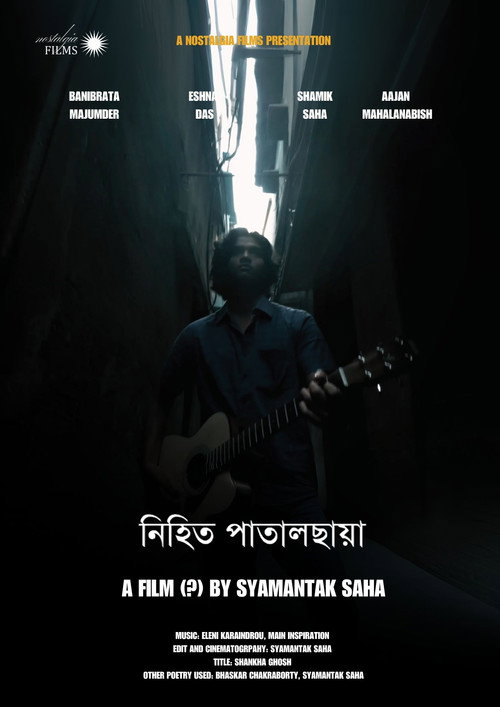
An impressionistic piece of art based on the musical piece "The Weeping Meadow" by Eleni Karaindrou, from the film of the same name by Theo Angelopoulos. It tracks a modern-day Pied Piper of Hamlin, as he plays his guitar through the streets of Calcutta. People from all over the city, morose, as if longing for something lost, come out to their balconies.
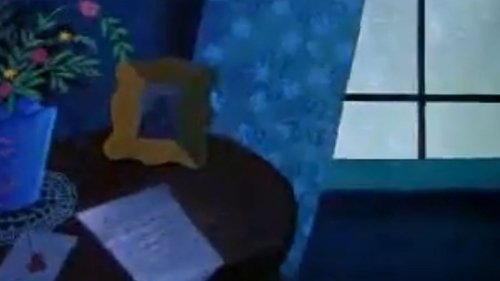
"A Ballad in Blue" is a series of impressionistic images set to Andy Russell's rendition of the title song.
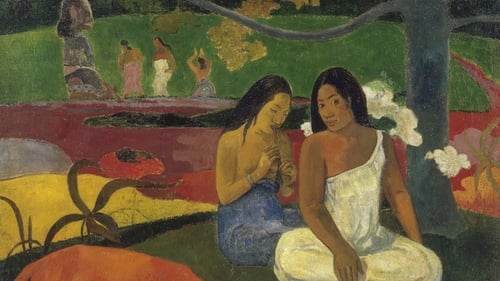
Gauguin’s vivid artworks sell for millions. He was an inspired and committed multi-media artist who worked with the Impressionists and had a tempestuous relationship with Vincent van Gogh. But he was also a competitive and rapacious man who left his wife to bring up five children and used his colonial privilege to travel to Polynesia, where in his 40s he took ‘wives’ between 13 and 15 years old, creating images of them and their world that promoted a fantasy paradise of an unspoilt Eden in the Pacific. Later, he challenged the colonial authorities and the Catholic Church in defence of the indigenous people, dying in the Marquesas Islands in 1903, sick, impoverished and alone.
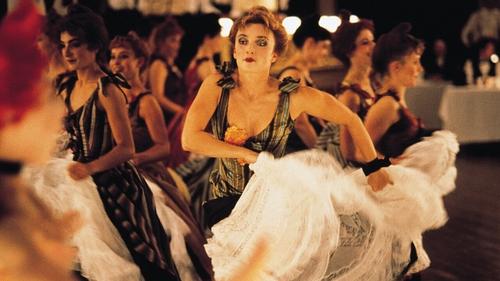
The life of Henri de Toulouse Lautrec, famous french painter, who lived, enjoyed, loved in the late 1800s Paris' Montmartre cultural life. He suffered from suffered from congenital health conditions traditionally attributed to inbreeding. His lifestyle and work are a testimony of the late-19th-century parisian bohemian lifestyle, as he was commissioned to produce a series of posters for the Moulin Rouge cabaret opening. As an alcoholic, he was addicted to absinthe. The movie related his love affair with the french painter Suzanne Valadon.
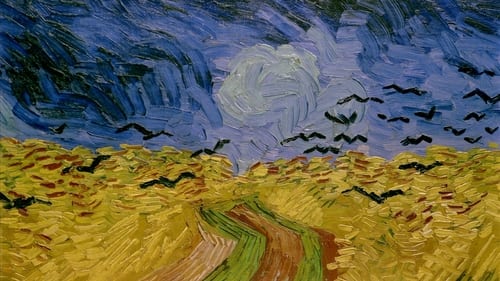
An artistic view of Van Gogh as if this movie is self narrated by himself.
A space occupies it, awaiting to be unlocked by a freeing action or notion. What lies ahead is its determination.
Two friends battle boredom with the power of their bong and marijuana, but failed to consider the perils of smoking on the couch.

Stand up Jay Pharaoh performs his most popular celebrity impressions in this powerhouse comedy special, including hilarious takes on Chris Rock, Dave Chappelle, Jay-Z, Barack Obama and more.
Forced on a journey together through their past, childhood friends Emma and Tuva are forced to confront the unspoken tensions that once drove them apart.
While playing his trombone one Sunday, the enthusiastic Zero sees Beatrix and falls in love. He returns the next week to express his feelings, and it's mutual. Over the next few months, they spoon, kiss, and find happiness. Then, she receives a letter from Kabul, demanding that she return to the palace of the Grand Vizier. The lovers part, heartbroken. Zero tries expressing himself to a woman on the street. He meets derision. Then, news of Beatrix. Does this romance end in smiles or tears?
No description available for this movie.
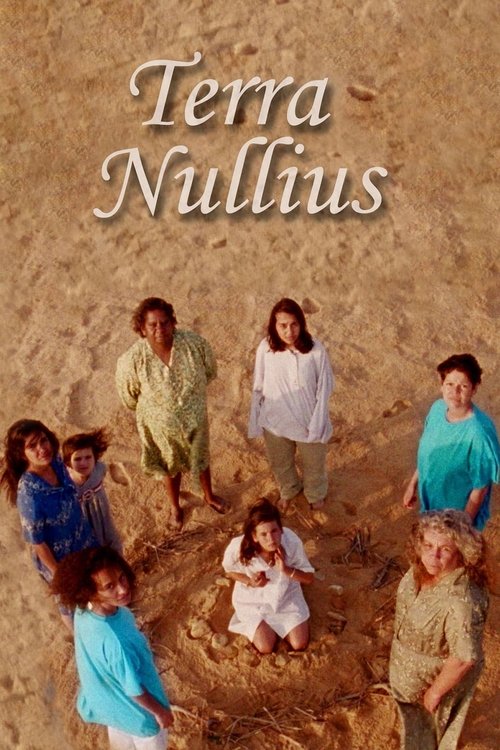
Loosely based on the filmmaker's personal experience, "Terra Nullius" is an impressionistic account of an eight year old Koori girl, Alice, growing up in a white adoptive family which denies her Aboriginality. The film examines how unacknowledged shame and fear passes from one generation to the next, from one culture to another. The last scene depicts a silent meeting between the young Alice and the adult Alice. In order to reclaim her life, Alice decides she must confront the pain and confusion of her childhood.
A short film made in response to returning to home during the Covid pandemic from 2020-2021. A series of vignettes capturing the serene countryside, juxtaposed with a personal voiceover, "Messages From Home" is a meditation on youth, belonging and the capitalist construction of time.
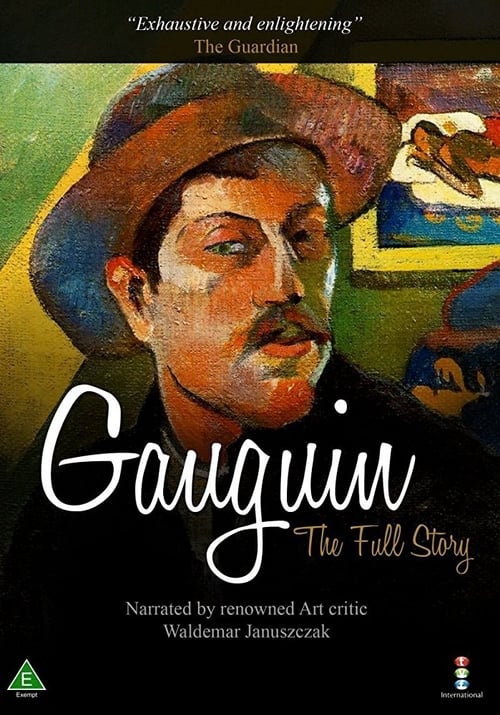
Art critic and broadcaster Waldemar Januszczak wrote and directed this examination of a man who was not only a great painter but sculptor, wood carver, musician, print maker, journalist and ceramicist. As well as telling the remarkable story of Gauguin's life, Januszczak also celebrates Gauguin's achievements and examines the various accusations of sexual misconduct, familial neglect and racism that are frequently made against him.