
Action
Adventure
Animation
Comedy
Crime
Documentary
Drama
Family
Fantasy
History
Horror
Music
Mystery
Romance
Science Fiction
Thriller
War
Western
Found 24 movies, 4 TV shows, and 0 people
Can't find what you're looking for?
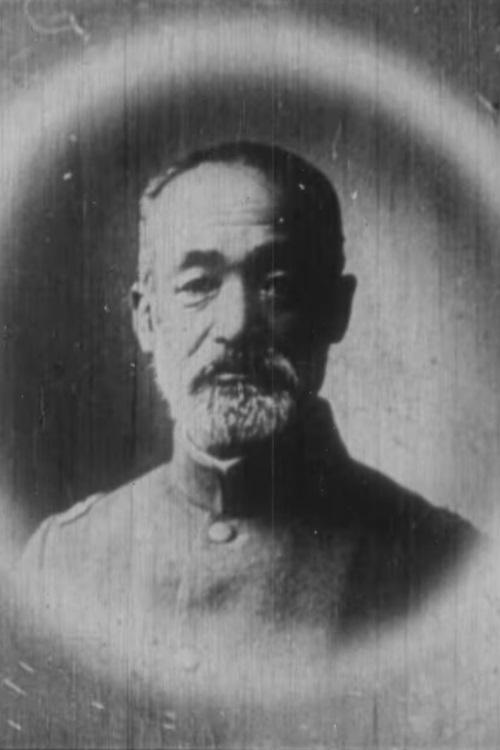
The film focuses primarily on Nogi as a person, as a leader, and as a humanitarian aiding the people of his nation. It paints him as a very militarily focused person, though one with a soft side as well.
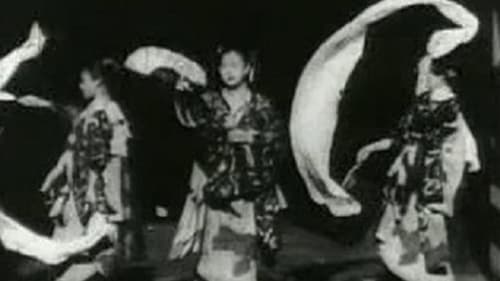
A graceful performance of the Mikado dance, featuring three Japanese women in elaborate traditional costume. Originally noted for its striking effect when hand-colored.
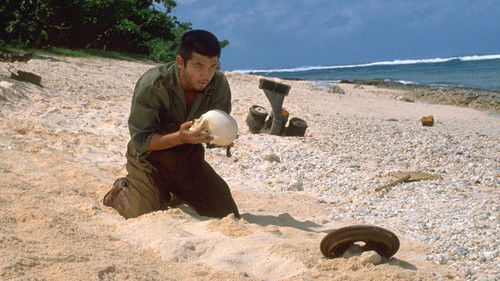
Story of three people, a barber, a Christian and a graduate of the Tokyo Military Academy during the 2nd World War.

Today, Japan has one of the largest fleets in the world. For over half a century, it has stood shoulder to shoulder with the U.S. Navy, defending the waters of Far East Asia and the vital sea lanes surrounding the Japanese islands. Yet half a century ago, these two forces were locked in history's largest and most destructive naval war.This feature-length special dramatizes the rise, fall, and re-creation of one of the most remarkable naval forces in all of history. See how the Imperial Japanese Navy was formed in response to 13th-century Mongol invasions. Follow its stunning rise under the influence of Great Britain and the United States during the 19th century. Examine its amazing victories and ultimate defeat in WWII. And sail with the ships of the modern Maritime Self-Defense Force--one of the world's strongest and finest navies.
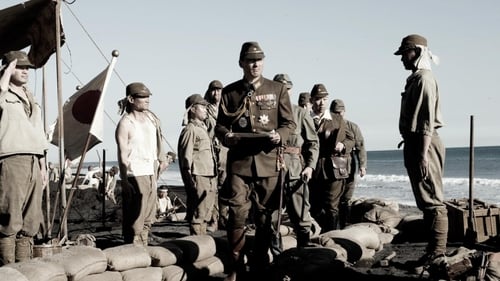
The story of the battle of Iwo Jima between the United States and Imperial Japan during World War II, as told from the perspective of the Japanese who fought it.
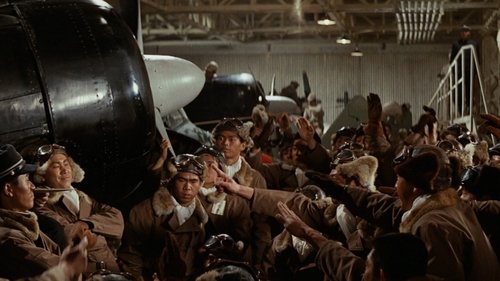
In the summer of 1941, the United States and Japan seem on the brink of war after constant embargos and failed diplomacy come to no end. "Tora! Tora! Tora!", named after the code words used by the lead Japanese pilot to indicate they had surprised the Americans, covers the days leading up to the attack on Pearl Harbor, which plunged America into the Second World War.
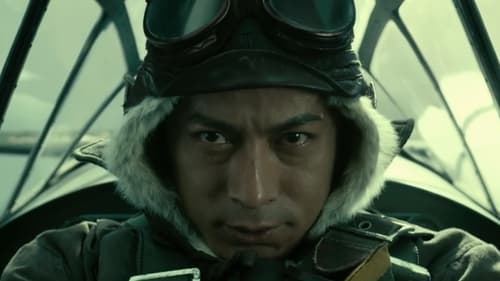
A brother and sister learn their biological grandfather was a kamikaze pilot who died during World War II. During their research into his life, they get conflicting accounts from his former comrades about his character and how he joined his squadron.
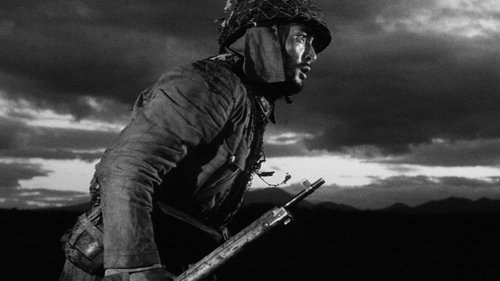
Kaji, sent to the Japanese army labeled Red, witnesses cruelties in the army and revolts against the abusive treatment against a fellow recruit. He also sees his friend Shinjô defecting to the Russian border, and he ends in the front to fight a lost battle against the Russian tanks division.
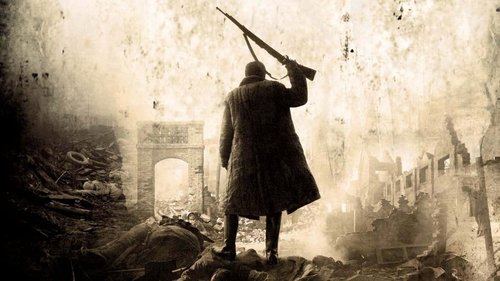
In 1937, during the height of the Second Sino-Japanese War, the Imperial Japanese Army has just captured Nanjing, then-capital of the Republic of China. What followed was known as the Nanking Massacre, or the Rape of Nanking, a six week period wherein tens of thousands of Chinese soldiers and civilians were killed.
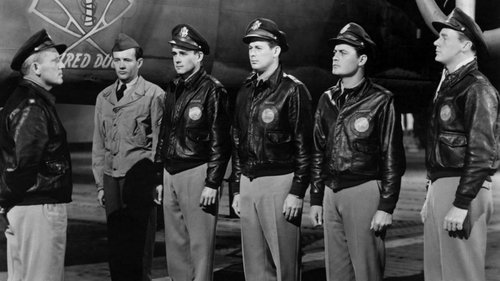
In the wake of Pearl Harbor, a young lieutenant leaves his expectant wife to volunteer for a secret bombing mission which will take the war to the Japanese homeland.
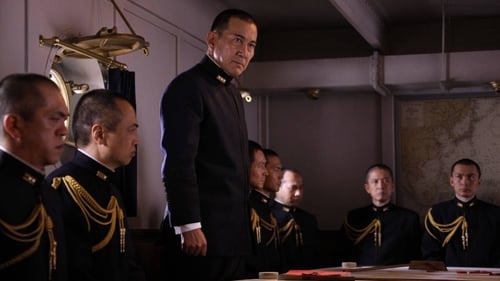
Admiral Isoroku Yamamoto (1884-1943) was the Japanese Naval commander who was given the order to attack Pearl Harbour, an order he was duty bound to obey which went against his own personal beliefs. While this infamous attack is a low point in Japanese and US history it wouldn’t have happened if the Japanese government had listened to Yamamoto in 1939 and searched for a more peaceful way to end their war campaign, proving his many ominous presages of the outcomes of the attack to come true.
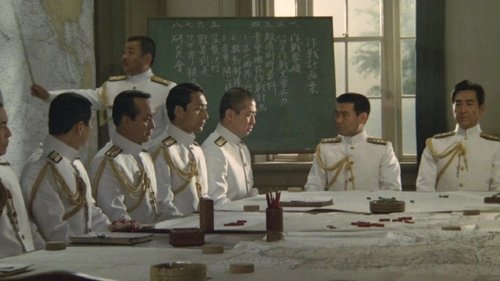
A lavish retelling of the true story of the final voyage and ultimate destruction and sinking of the battleship Yamato, Japan's greatest flagship during the Second World War.
Just 80 years ago, the peaceful sea was a battlefield. Soldiers continued to fight, dreaming of returning home, and their families continued to pray and wait for their safety. What stories were there in each of their lives, and what were they each thinking?
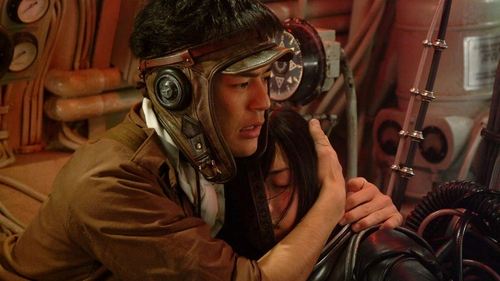
A drama set during World War II where a submarine carrying a secret weapon attempts to stop a planned third atomic bombing of Japan. Based on Harutoshi Fukui's novel Shuusen no Lorelei.
Japan and Russia clash in what comes to be known as the Russo-Japanese War. An attempt by the Japanese fleet and army to take Port Arthur fails, and a Russian fleet bears down on the Sea of Japan. Admiral Heihachiro Togo sends his fleet to confront the Russians, with results which stun both nations. Meanwhile, Major Genjiro Akashi makes secret negotiations with the Bolshevik revolutionaries in Russia, negotiations that have repercussions far beyond the conflict at hand.
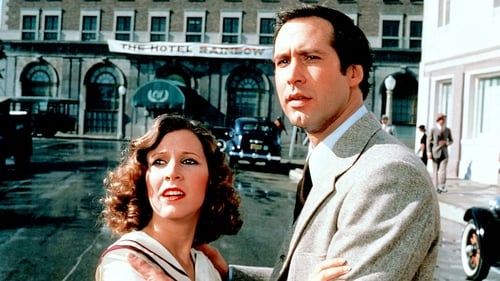
In World War II era Los Angeles, the manager of the Culver Hotel leaves his nephew in charge for a weekend. The nephew changes the name to the Hotel Rainbow and overbooks with royalty, assassins, secret agents, Japanese tourists, and munchkins. Secret Service agent Bruce Thorpe and casting director Annie Clark find romance amidst the intrigue and confusion.
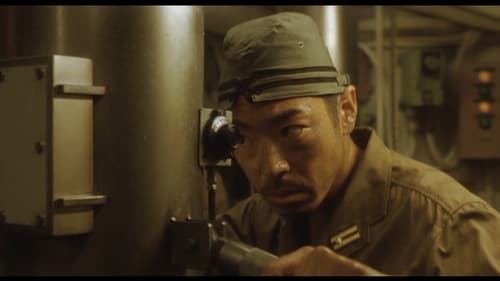
Koji Namiki is a young pitcher who has shown great promise on the diamond by winning the National High School Baseball Championships. Shortly after entering college, however, Namiki's athletic career is called into question after he suffers a severe elbow injury. But despite a disheartening diagnosis, Namiki is determined to make a comeback. With a little help from his teammates it appears that he is getting back on track, too. Recently, he's even developed a new slow ball that he and his teammates have christened "the magic pitch". Fate can be a cruel mistress though, and when World War II breaks out Namiki the entire team join the navy and begin a training regiment specifically designed to prepare them for the ultimate darkness, an submarine attack method also known as "The Human Torpedo".
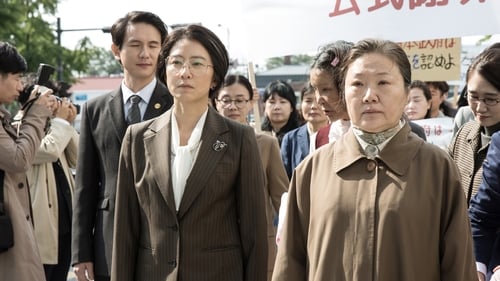
A true story of a six-year-long legal conflict of 10 comfort women and 13 attorneys against 200 Fukuoka supporters association.
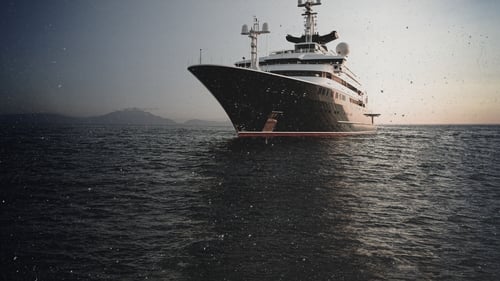
October 24, 1944, the world’s greatest battle at sea begins in the Philippines. Japan’s navy gambles on a decisive victory against the United States to turn the tide of World War II. Instead, Musashi, its top-secret super battleship, ends up at the bottom of the ocean.
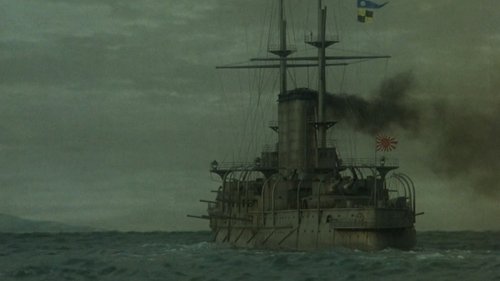
The story of Japan's victory in the battle of Tsushima Strait.
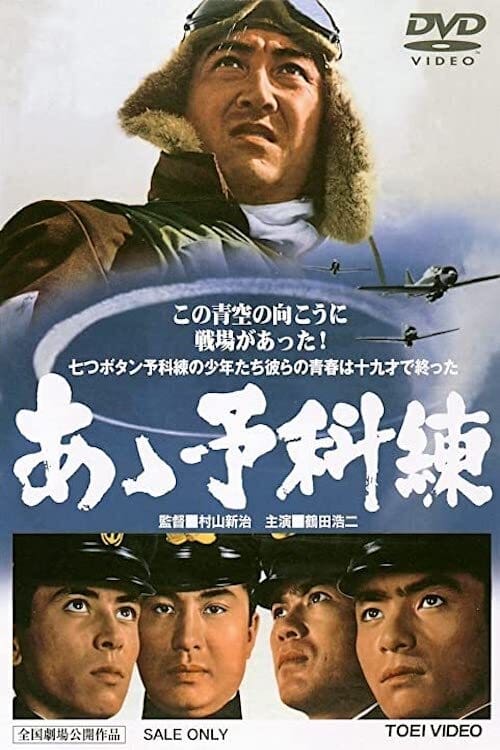
The film is dedicated to the souls of flight school graduates killed in World War II. Young boys dream about becoming pilots and apply to flight schools. However, the flight schools have extremely demanding, harsh training, and once they finally become pilots, they must become suicide bombers and give their lives for their homeland.
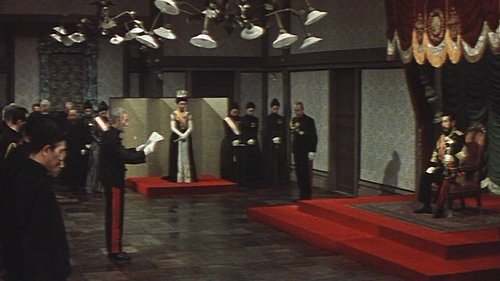
In January 1904, the situation between Japan and Russia had grown tense. The Emperor Meiji is deeply concerned, for Russia has started to build an invincible fortress at Port Arthur, and the relations between two countries have become strained to breaking point. General Nogi has retired to the first reserve and is now a gentleman farmer, but he is prepared for sudden mobilization. Finally, Japan declares war against Russia and Emperor Meiji appoints General Nogi as the commander of the force to attack Port Arthur. However, in spite of several all-out attacks, the fortress is strong and the casualties increase among the Japanese. Because of these reverses, there are loud cries for a change in command. However, the Emperor places his confidence in General Nogi.
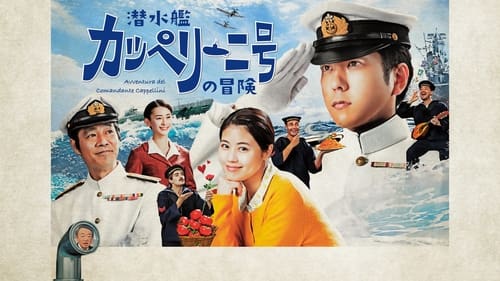
Based on a real story during WWII where Japanese naval soldiers met Italians who were in the submarine Comandante Cappellini used to transport strategic materials to and from Japan.

In the final hours of the Pacific War, Okinawa was the destination for Korean men conscripted as “military laborers” and Korean women taken as “comfort women.” Little is known about the number of casualties or their experiences. In 1989, Park Soonam started to track down the survivors of the Battle of Okinawa to record their testimonies. In 1990, Park visits Korea in search of former “military laborers” who had survived Okinawa and repatriated to Korea. The survivors vividly recount their experiences of their compatriots’ murder and about the “comfort women” to the Zainichi Korean female director. The film zeroes in on the murder of Korean “military laborers” and the presence of “comfort women” in Okinawa via testimonies of former Japanese soldiers.