
Action
Adventure
Animation
Comedy
Crime
Documentary
Drama
Family
Fantasy
History
Horror
Music
Mystery
Romance
Science Fiction
Thriller
War
Western
Found 44 movies, 17 TV shows, and 3 people
Can't find what you're looking for?
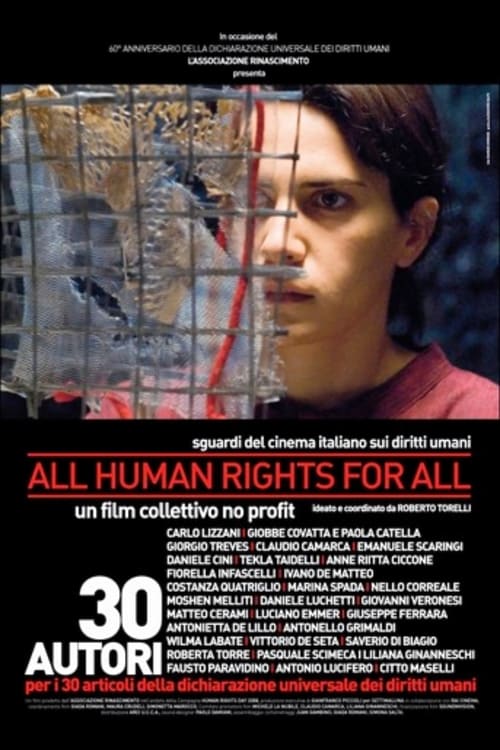
Collective film for the 60th anniversary of the Universal Declaration of Human Rights, with 30 directors each helming a segment about one of the 30 articles of the Declaration.
20 short films about human rights.

This documentary follows the testimonies of 7 LGBT people who left their countries to flee discrimination and live in Spain. Their testimony is strong, moving. The director steps aside to give them full voice in a sober setting that allows them to give their stories full attention.

Film by Nicole Van Goethem
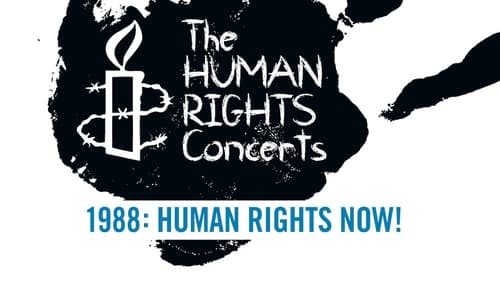
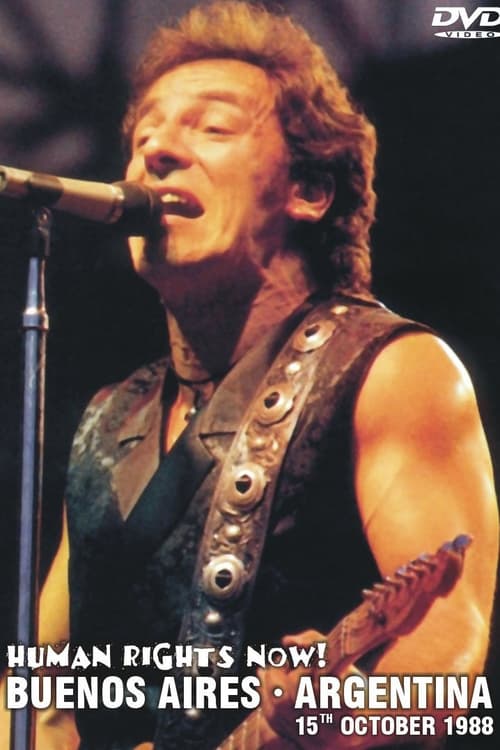
Human rights now concert from Argentina, Estadio River Plate, Buenos Aires
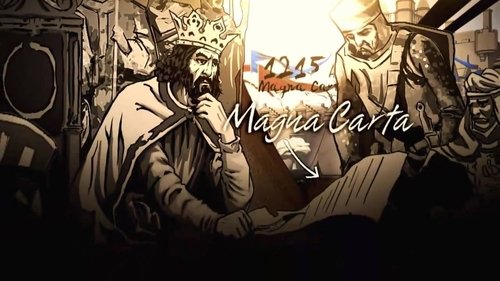
This striking short film defines—simply and concisely—one of the world’s most misunderstood subjects: human rights. The informative and dramatic presentation shows the history of human rights from its origins in ancient times to the present-day Universal Declaration of Human Rights. Here are all thirty of the human rights, the basic rights and freedoms to which all human beings are entitled, including the right to life and liberty, freedom of thought and expression, and equality before the law.

The play discusses in a comic context what is happening in the Arab world after the Arab Spring, and the revolutions that took place in many Arab countries, and simulates in a political form the human rights that were wasted during that period
Human Rights Now! was a worldwide tour of twenty benefit concerts on behalf of Amnesty International that took place over six weeks in 1988.

“Road to Human Rights” revisits Taiwan’s authoritarian past through the stories of four political prisoners during the nation’s White Terror era. The documentary resonates with viewers across generations, especially younger activists, who play a crucial role in effecting change in Taiwan’s politics and society.
No description available for this movie.
The concert titled The Struggle Continues... took place on December 10, 1998 - the exact 50th anniversary of the signing of the Universal Declaration of Human Rights.
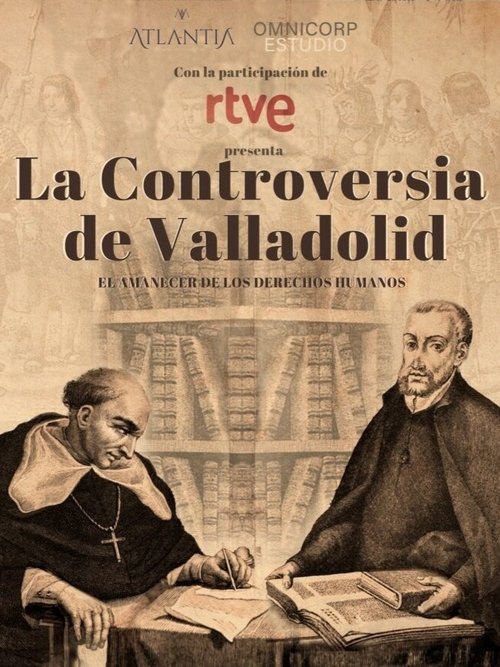
The Valladolid debate (1550-1551) was the first moral debate in European history to discuss the rights and treatment of an indigenous people by European colonizers.
25 years ago, the "Human Rights Now!" tour made music history: 20 concerts in six weeks across five continents attracted worldwide attention for human rights and democracy. Stars such as Peter Gabriel, Sting, Bruce Springsteen, Tracy Chapman and Youssou N'Dour make the tour, which begins on September 2, 1988 at London's Wembley Stadium, a huge success that does not suit the political agenda of all host countries.
No description available for this movie.
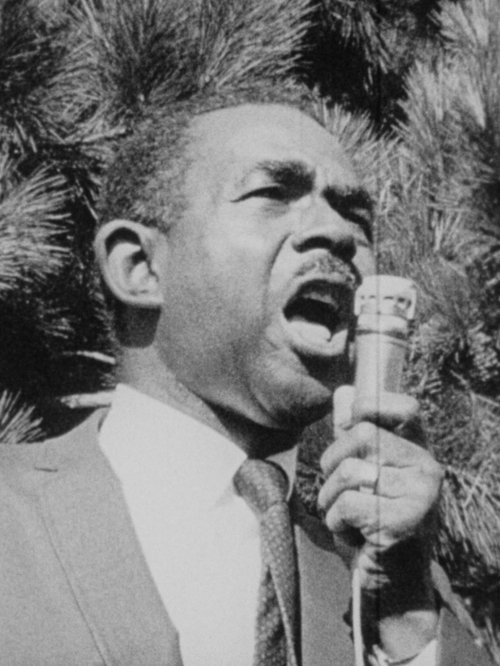
The film shows the medical committees role during the long strike at San Francisco State College and the need for tactical knowledge of first aid as the student movement intensified.
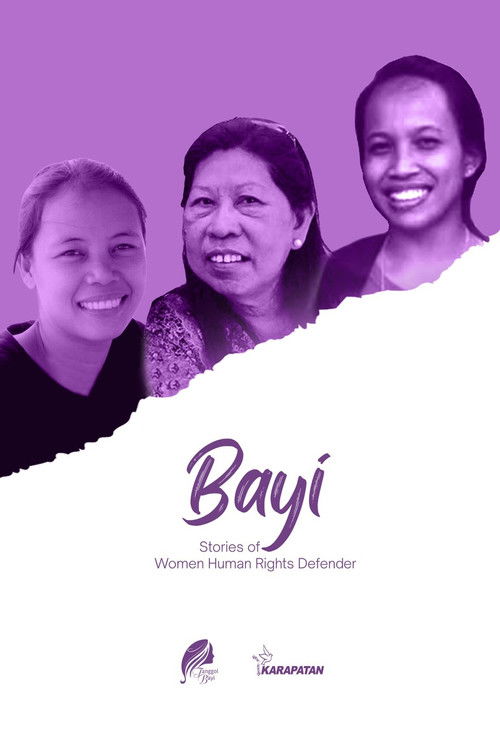
Filipino human rights defenders Zara Alvarez, Anna Mariz Evangelista, and Elisa Badayos were among the 62 women killed in the Duterte administration's counterinsurgency campaign. Their loved ones remember the lives they led and the legacies they left behind. The documentary is a salute to the brave Filipinas who are considered heroes by women’s and people’s movements in the Philippines.
Based on the homophobic antics of Roseanne Skoke, former MP for Central Nova in NS, this humourous video examines the somewhat unexpected implications of her obsession.
The An Embrace Of Hope concert was a de facto post-script to the Human Rights Now! tour. It took place in Chile - a country that for political reasons it was not possible for the Human Rights Now! tour to visit during the 1988 world tour.
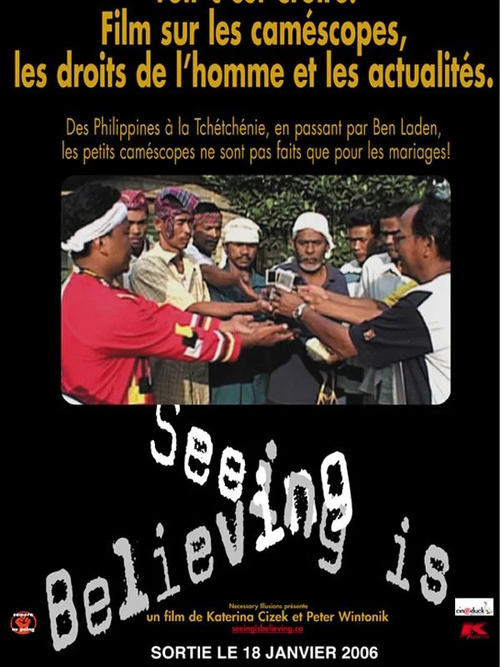
The impact of consumer video equipment on international political activism efforts.
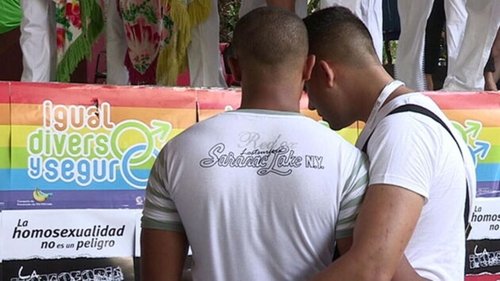
A global revolution is underway to obtain what UN Secretary General Ban Ki Moon and Barack Obama call ‘the final frontier in human rights’: the universal decriminalisation of homosexuality. After years of long diplomatic struggle, several world leaders have declared themselves in favour of the universal decriminalisation of homosexuality. But victory won’t come easily. The countries that still punish homosexuality refuse to give in to international pressure. Global acceptance and equality will take time to achieve.
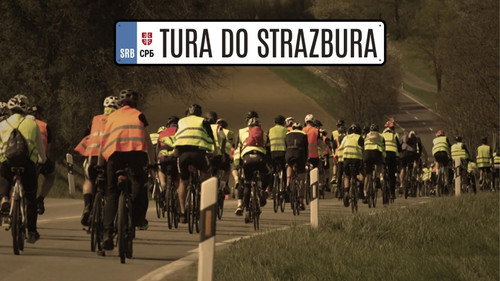
They started their 1400 km journey to the capital of Europe on bicycles from Novi Sad, Serbia. This trip, from a divided country that has been in a socio-political crisis for five months, since the tragedy at the Novi Sad railway station - they called it the trip of justice. Eighty students from Serbia cycled through 6 European countries and 15 large cities in 12 days. Festive welcomes, tears, song and laughter in the squares all over Europe. They were welcomed by the Serbian diaspora, but also by the leaders of the cities they passed through. They went to Strasbourg with the desire to be heard by Europe and the world and said "We are not driving to Europe to escape from Serbia. We are driving to bring it back."
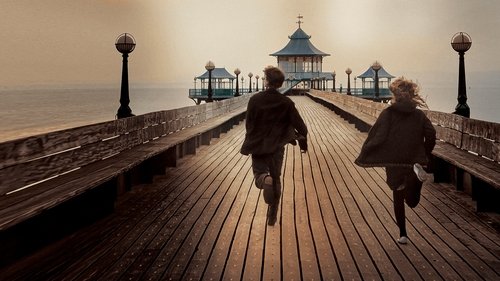
As children, Kathy, Ruth, and Tommy spend their childhood at an idyllic and secluded English boarding school. As they grow into adults, they must come to terms with the complexity and strength of their love for one another while also preparing for the haunting reality awaiting them.

Bertram Pincus, a cranky, people-hating Manhattan dentist, develops the unwelcome ability to see dead people. Really annoying dead people. Even worse, they all want something from him, particularly Frank Herlihy, a smooth-talking ghost, who pesters him into a romantic scheme involving his widow Gwen. They are soon entangled in a hilarious predicament between the now and the hereafter!
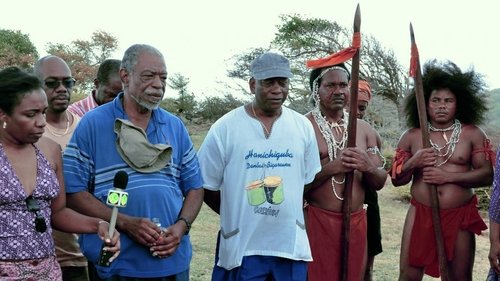
YURUMEIN (Homeland) is a documentary film which recounts the painful past of the Caribs on the island of St. Vincent in the Caribbean, their extermination at the hands of the British 200+ years ago, the decimation of their culture on the island, and their exile to Central America where much of that culture survived, even thrived. YURUMEIN (your -o- main) also explores what few cultural remnants of the Caribs, also known as Garifuna, still exist on St. Vincent and the beginnings of a movement to teach and revitalize Garifuna language, music and dance, and ritual to younger generations of Garifuna/ Caribs on St. Vincent.
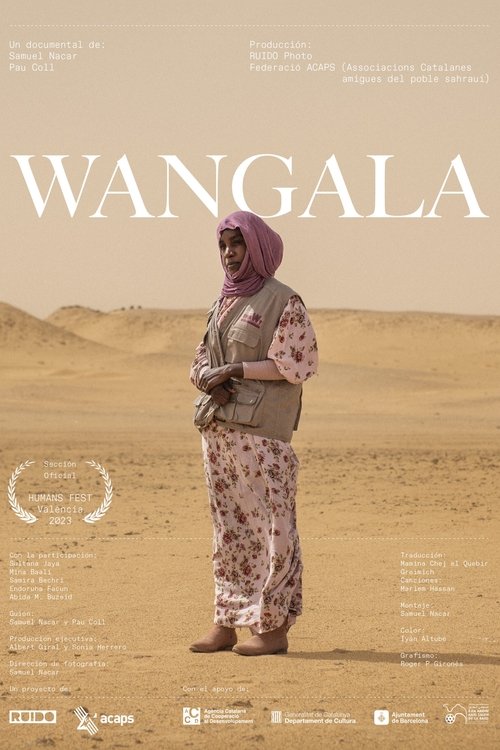
Wangala is a short documentary about women's resistance to the Moroccan occupation. Samira was born in the camps, in the middle of the desert, the only place that was given to them after the arrival of the invader. Through the concepts of torture, refuge and exile, we try to create a mosaic of experiences that explain the current situation of Sahrawi refugees in the camps, in exile and in the occupied territory.
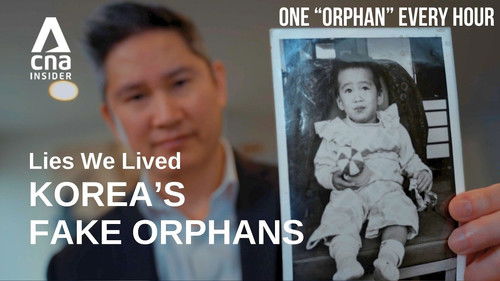
Nearly 250,000 South Korean children were adopted to the West as “orphans” in the 60 years following the Korean War. Some to loving homes. Others to tragic ends. Raised in places where they looked like nobody else, many were told to forget their past and be grateful. But the innate desire to understand where you came from has led many Korean adoptees to search for their roots. In the process, they discover lies in their past and families they never knew existed. In this documentary series, correspondent Wei Du travels around the world to meet Korean adoptees and accompany a few on their journey to reclaim who they are. Together, they reveal how an “orphan rescue” mission separated families and erased the roots of hundreds of thousands.
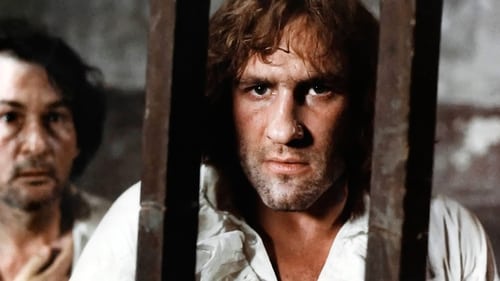
Danton and Robespierre were close friends and fought together in the French Revolution, but by 1793 Robespierre was France's ruler, determined to wipe out opposition with a series of mass executions that became known as the Reign of Terror. Danton, well known as a spokesman of the people, had been living in relative solitude in the French countryside, but he returned to Paris to challenge Robespierre's violent rule and call for the people to demand their rights. Robespierre, however, could not accept such a challenge, even from a friend and colleague, and he blocked out a plan for the capture and execution of Danton and his allies.
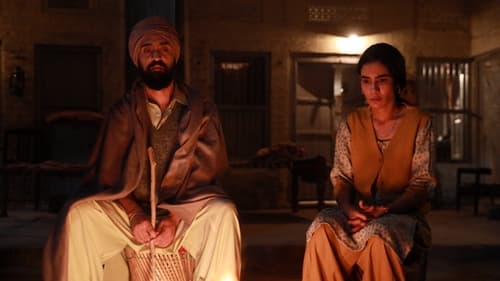
Triggered by the search for his missing aunt, human rights activist Jaswant Singh Khalra takes on a broken system in a courageous fight to uncover the conspiracy behind thousands of disappearances and extrajudicial killings during the nadir of Punjab’s period of insurgency.
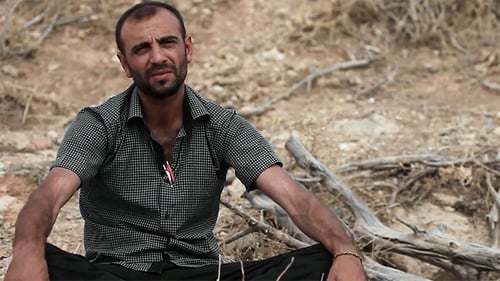
In the 1990s many people in Kurdistan were taken into custody and interrogated under torture; their killers disposed of the bodies by throwing them out of helicopters, or burying them in acid-filled wells. Thousands were murdered/disappeared by paramilitary forces—such as Jitem and Hizbul-Kontra—that were financed and supported by the state, though they have always stuck to the line: “We didn’t do it.” The documentary looks at the case of seven people, including four children, who were disappeared from the town of Kerboran [Dargeçit] in 1995, and tells the story of their families’ tireless search for their bones

Three young Irish women struggle to maintain their spirits while they endure dehumanizing abuse as inmates of a Magdalene Sisters Asylum.
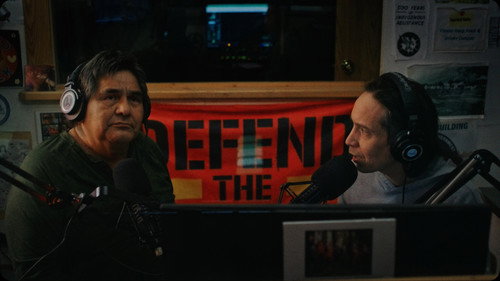
When the Nuxalk trace their vanished ooligan alongside a land claim filed the day smallpox arrived, their radio station becomes courtroom, confessional and conjuring ground, where an older law insists: the fish and the people return together or not at all.
One of the rooms inside the legendary Barba Azul Cabaret has become a shelter for the girls working there: the women's bathroom. Every night La Mami, who's in charge of the bathrooms, offers them the warmth and the advice they need to take on the challenge they face in the dance hall.
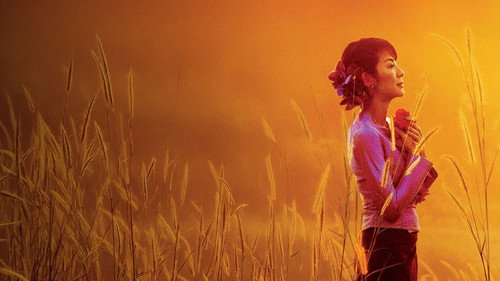
The story of Aung San Suu Kyi as she becomes the core of Burma's democracy movement, and her relationship with her husband, writer Michael Aris.

In a remote village of Malisbong, a grieving widow finds solace in a mannequin she believes to be her deceased husband. As she delves deeper into this illusion, she's forced to confront the painful truth of the Malisbong Massacre.
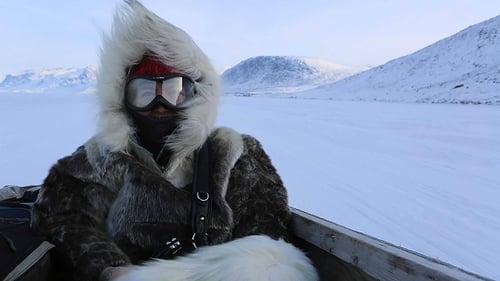
With "sealfies" and social media, a new tech-savvy generation of Inuit is wading into the world of activism, using humour and reason to confront aggressive animal rights vitriol and defend their traditional hunting practices. Director Alethea Arnaquq-Baril joins her fellow Inuit activists as they challenge outdated perceptions of Inuit and present themselves to the world as a modern people in dire need of a sustainable economy.
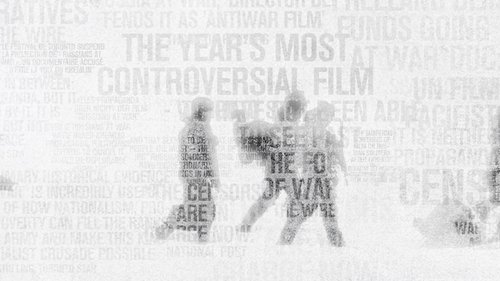
Anastasia Trofimova, a Russian-Canadian filmmaker, gains unprecedented access to follow a Russian Army battalion in Ukraine. Without any official clearance or permits, she earns the trust of foot soldiers and embeds herself over the span of a year with one battalion as it makes its way across Eastern Ukraine. What she discovers is far from the propaganda and labels pushed by the East or West: an army in disarray, soldiers disillusioned and often struggling to understand what they are fighting for.
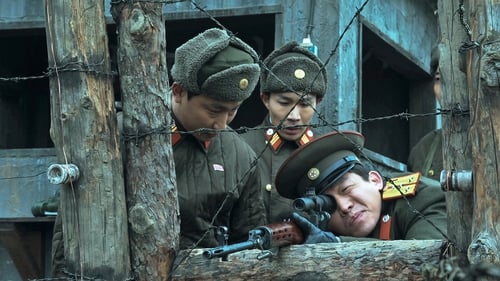
A poor North Korean fisherman finds himself an accidental defector, and is groomed to be a spy by an ambitious South Korean military officer.
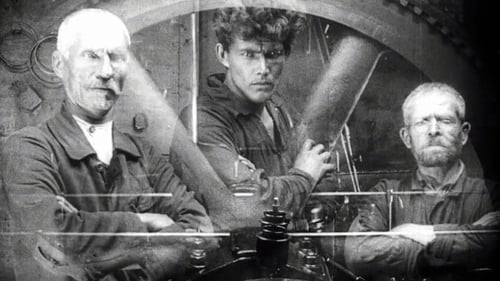
Workers in a factory in pre-revolutionary Russia go on strike and are met by violent suppression.

How the human right to freedom, dignity and inviolability are represented in practice - from the Middle Ages to the present day.
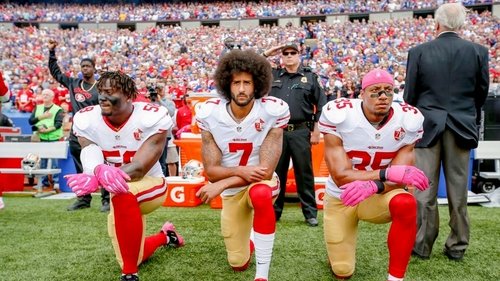
United States, September 1st, 2016. American football player Colin Kaepernick kneels during the national anthem, protesting police brutality against black people. Part of the population regards the gesture as an unacceptable affront to the flag. Later, he loses his place on his team. Today, however, he is considered by many as a true hero.
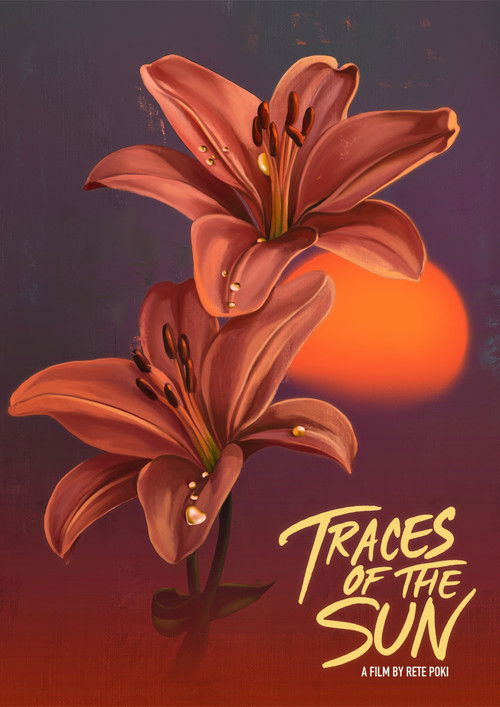
By recounting their experiences with family, friends, lovers and country, a group of strangers examine what it means to be loved as Nigerians and as women. Through these conversations, they unpack cultural biases, shared realities and potential alternatives towards a safer, softer future.
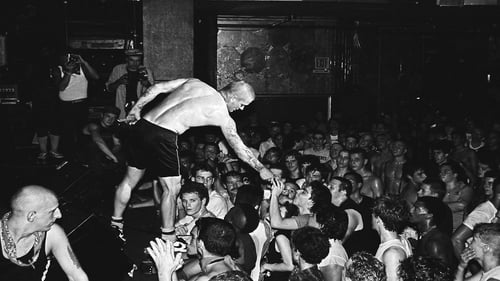
Inspired by Steven Blush's book "American Hardcore: A tribal history" Paul Rachman's feature documentary debut is a chronicle of the underground hardcore punk years from 1979 to 1986. Interviews and rare live footage from artists such as Black Flag, Bad Brains, Minor Threat, SS Decontrol and the Dead Kennedys.
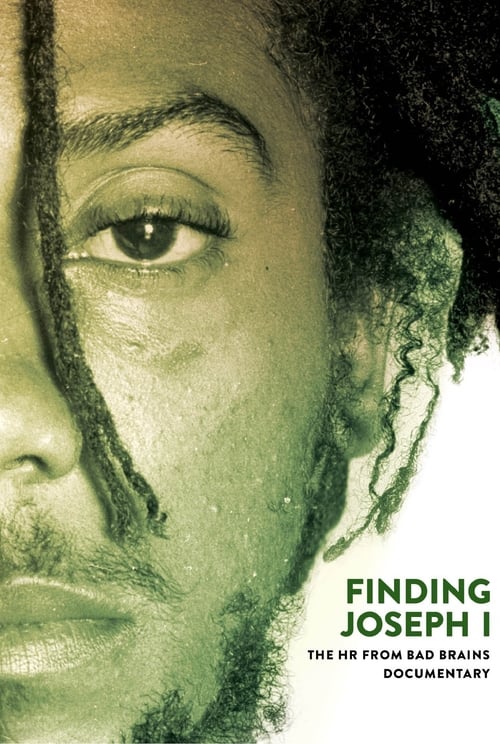
"Finding Joseph I" is a feature documentary chronicling the eccentric life and struggles of punk rock reggae singer, Paul "HR" Hudson, a.k.a. Joseph I, the legendary lead singer from Bad Brains.

Documentary about the legendary nightclub Max's Kansas City and the New York Rock Scene of the 70s.