
Action
Adventure
Animation
Comedy
Crime
Documentary
Drama
Family
Fantasy
History
Horror
Music
Mystery
Romance
Science Fiction
Thriller
War
Western
Found 40 movies, 4 TV shows, and 1 person
Can't find what you're looking for?
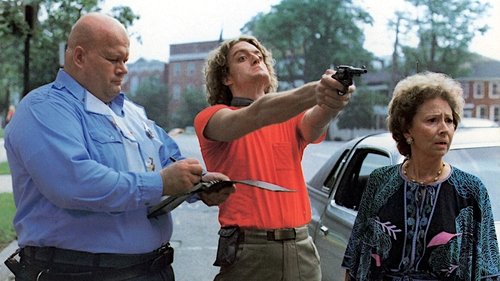
A cult guru urges a shy disciple to make life a movie and be its star.
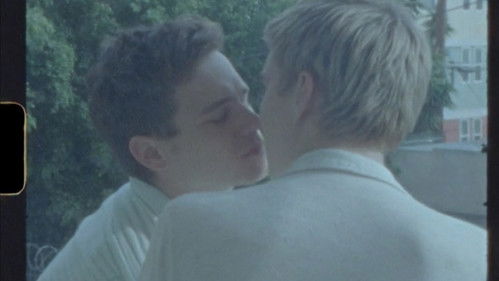
In this home movie collection of gay men, memory serves as an act of hope, power, and above all, resilience.

Remarkable home movies revealing the private story of the Kennedy clan from 1935 through to JFK's swearing-in as President in 1961

While cleaning out their dead fathers study, adult siblings Abbi and Matt must confront their strained relationship with their Dad and each other.
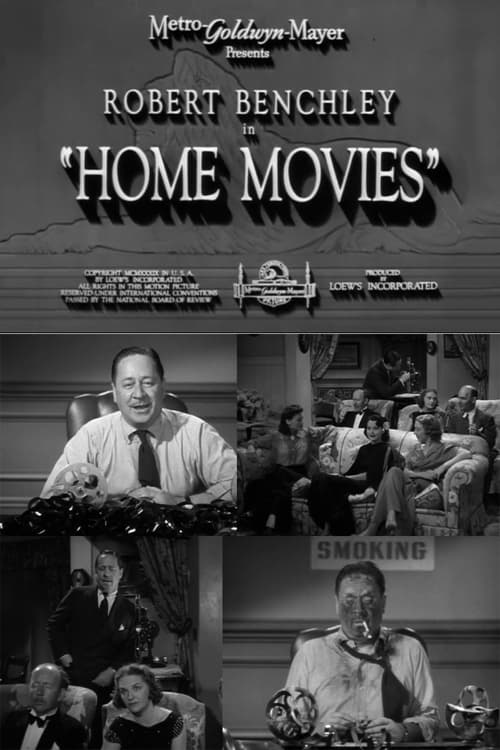
A comedy short staring Robert Benchley. He tries to show us how to make our own movies.
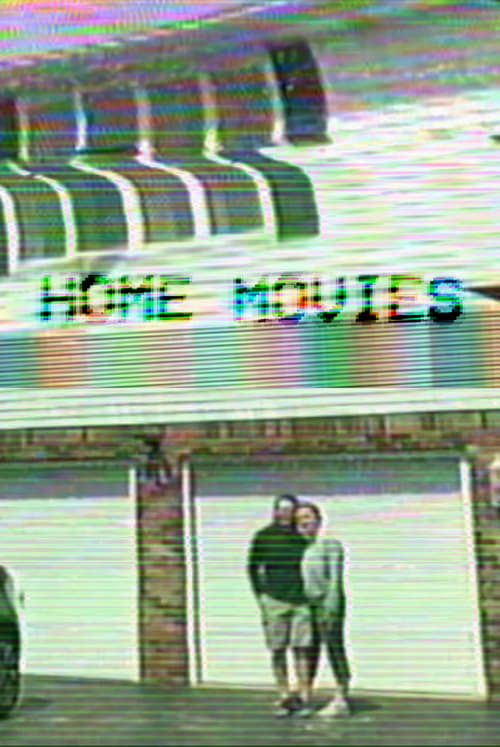
After purchasing their home, a young couple begins documenting their lives.
A 1979 production from BBC2 Playhouse by Denis Cannan
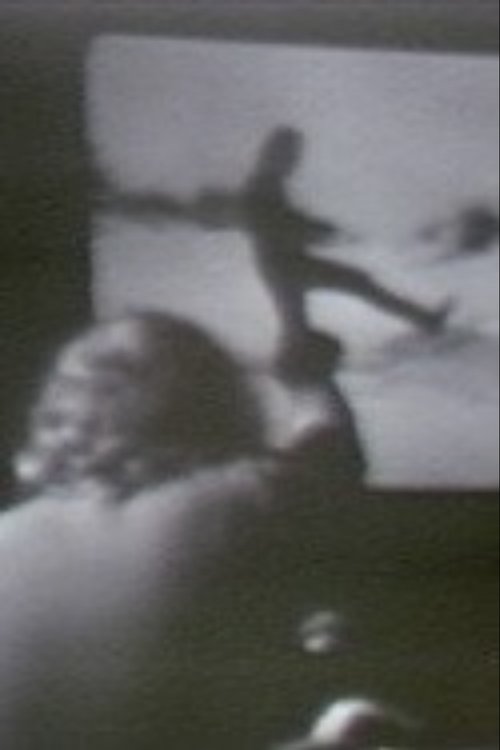
In this powerful "meta-document," Acconci sits in the dark with his back to a screen, onto which are projected slides of his past works, in chronological order from 1969. He describes each piece briefly. At times he turns to one side and speaks to an absent person in a conspiratorial whisper: "They couldn't possibly know these pieces the way you do... you know how I took what was happening with us and transferred it into the work." At other times he stands in front of the slide projections to face the viewer and addresses his art-making strategies, including the process of making this tape: "There's too much action here, my interest is language. Language can over-analyze things, break things down, over-complicate things."
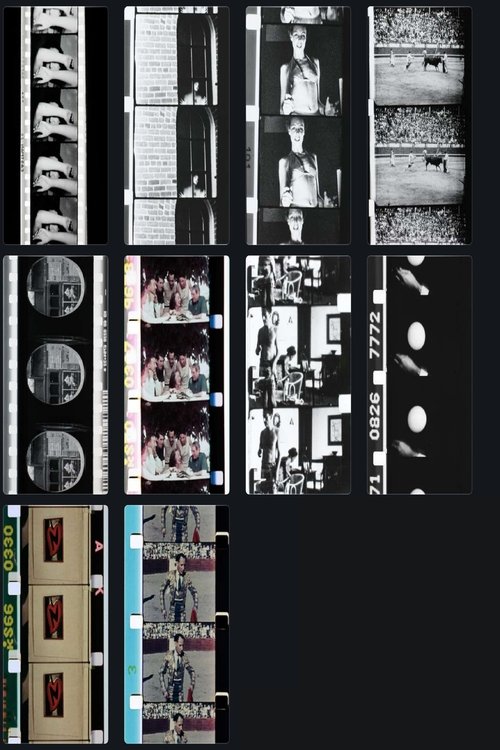
Home Movies of Man Ray and Ady Fidelin from 1938. Presents a simple and intimate portrait of the man behind the artist. Compilation of ten Man Ray films: Ady, Dance, Juliet, Rue Campagne-Première, Corrida, Autoportrait ou Ce qui manque à nous tous, Poison, L’atelier du Val de Grâce, Course landaise, La Garoupe
NYC-Colombian comedian, Lorena Russi, discusses and recreates how her parents originally met hitchhiking.
A compilation of Tony Buba's home movies
The earliest movies were divided between exotic faraway places and cinema's ground zero, the family film in the domestic space. This documentary turns from commerce and industry to consider the intensity, trouble and tenderness of the first and best kind of film: the home movie.
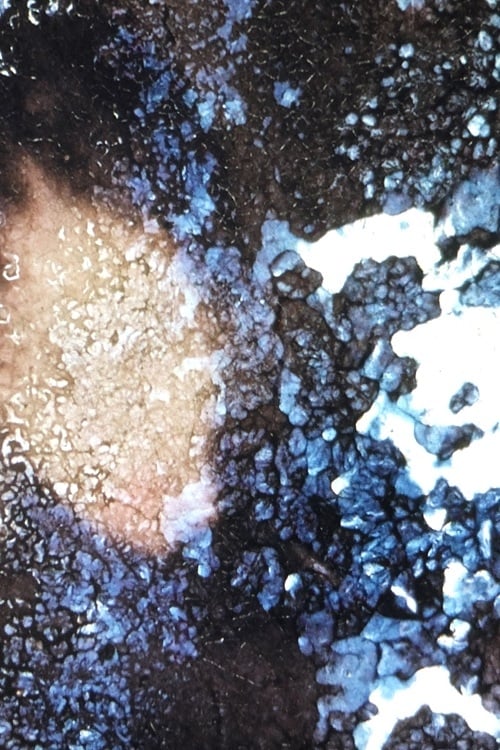
The home movies of the Jarret family are true “orphan films” that were found at a flea market in Pittsburgh, where they were rescued by the Orgone Archive. The collection, much of which was severely water-damaged, spans the years 1958 to 1967 and includes family events and scenes from David Jarret’s career as a firefighter. The family lived on Grove Street in Pittsburgh’s Hill District. The center of Pittsburgh’s jazz scene during its heyday from the 1930s to the 1950s, the Hill has been called the “center for music and night life between New York and Chicago.”
A short film about a boy watching an old home movie at his grandparents house.
A film by Jordan Morris
Children look up at a carp banner blowing in the wind. This footage was shot by an anonymous person and yet it has become my own memory. Grown up, holding an 8mm camera, I look up at a carp banner just like that day.
A sweet reminiscence about a family of four children and their RAF-veteran dad, who knows the timetable of every bus in London, but realizes his large family needs a car. He buys a Peugeot station wagon - license plate GFP831E, and the family sets off for annual holidays exploring every corner of Europe - "adopting local customs but never forgetting who won the war." The narrator is one of the children who, as he ages, sees things he missed as a lad - the car no rocket, dad no speedster. As the years wear on, and the car sits in the driveway, dad keeps it ready for the next great summer holiday.
The Brady Bunch Home Movies was aired on CBS, May 24, 1995. It is hosted by several former cast members and is a collection of clips from Super 8 camera's as well as selections from the television show. Each cast member of the 'Brady Bunch' received a camera from Robert Reed and some of the footage is of their trips abroad.
A selection of home movies featuring Sharon Tate, lensed by her husband. Released as a second disc with the limited edition of Manson Family Movies.
It compiles more than twenty years of passionately recorded “pictures from life” captured on super 8, that Vukica Djilas shot from 1970 to late 1990s.
A staged birthday celebration and a visit to the director’s father’s home. From the interplay of memory and imagination, the film explores how family archives shape fictions of the past.
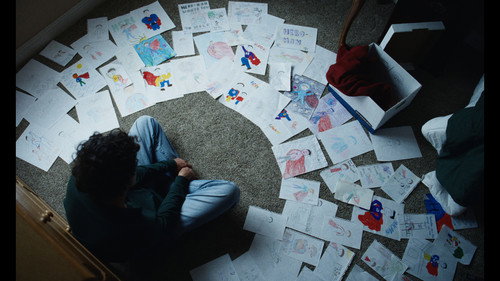
Adrift in grief, Colby relentlessly pursues the publication of his childhood story as a way to hold onto the brother he lost.
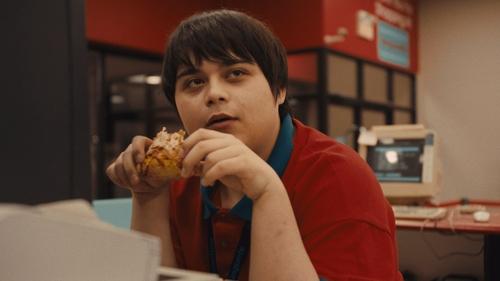
Socially inept 17-year-old cinephile Lawrence Kweller gets a job at a video store, where he forms a complicated friendship with his older female manager.
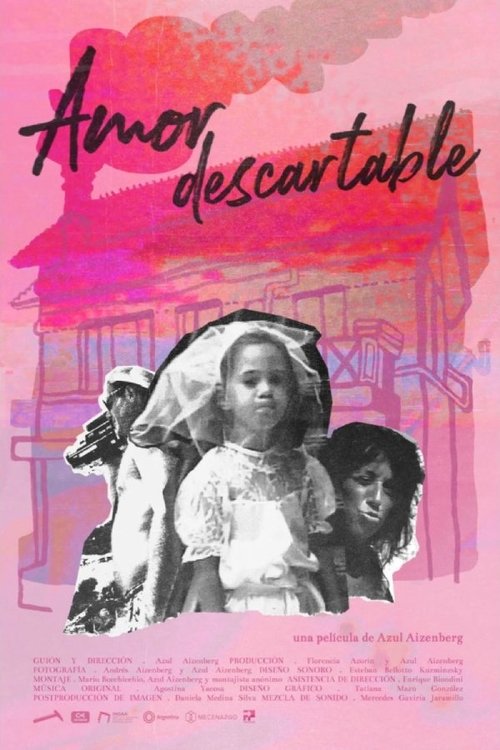
In home-movies shot in the ‘90s by her father, the filmmaker discovers in these inherited images powerful fictions of the Argentinian middle class and the country’s recent history.
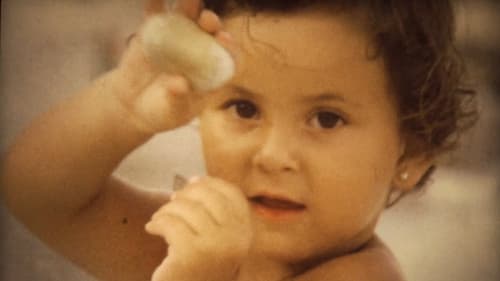
Two generations dialogue through the images they filmed of their children, a reflection of the emotional bond that arises from their involvement with what was shot.

The death of his son causes McElwee, an autobiographical filmmaker, to look back on his life’s work. He eventually turns to his archive of home movies. To what extent did his camera affect their relationship when Adrian was alive? To what extent does it define that relationship now that he is gone? Meanwhile, an effort to adapt McElwee’s first feature, Sherman’s March, into a work of fiction lurches along, giving the filmmaker another perspective from which to meditate on movie making and mortality.
A video camera turns into a looking glass to the past in this lo-fi yet highly ambitious head-turner, following a young man who gets to reconnect with his family’s history through old, strangely immersive home movies.
“After So Long // बरसों बाद” is a visual poetry set in Mumbai (India) and voiced by Simha and their parents to symbolise their connection with each other; a walkabout through time and memories. Directed by Varsha Panikar, the film takes inspiration from vintage-home-movie culture to create a contemplative and nostalgic vignette of an artist’s spiritual journey out of the darkness and into the light.
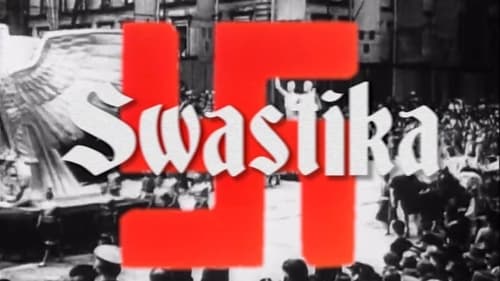
Comprised of footage shot during the Nazi regime, including propaganda, newsreels, broadcasts and even some of Eva Braun's colorized personal home movies, we explore the way in which the Third Reich infiltrated the lives of the German population, from 1933 to 1945.
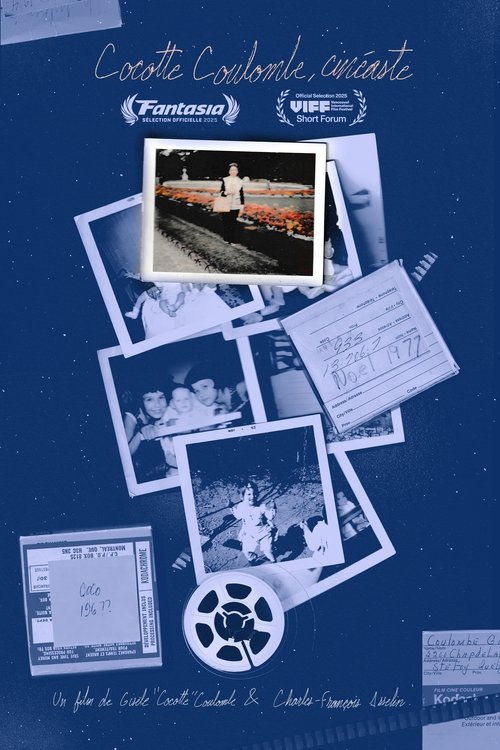
After discovering more than 100 Super 8 reels in his great-aunt's basement, a young filmmaker reflects on the value of these movies and his family's legacy.
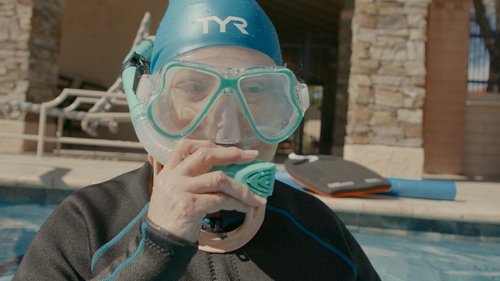
With depth, intimacy, and humor, FLOAT! captures filmmaker Azza Cohen's magnetic grandma’s life-affirming journey learning to swim at 82, inspiring audiences to defy societal expectations of aging and to boldly look forward at every stage.
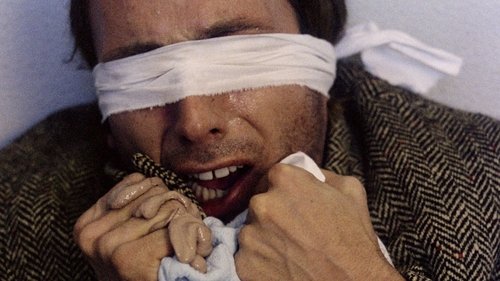
José Sirgado is a low-budget filmmaker whose heroin addiction distorts his perspective of the real world. Although he is a depressed and unstable individual, his mood improves when he receives the mysterious films of Pedro, with whom he shares his passion for cinema.
Memory is a collaboration with musician Noah Lennox (Panda Bear), exploring the relationship between a musician and filmmaker and their personal reflection on memories. From Super 8 home movies and entirely handmade, this film explores familiar memories, the present moment combined with past experiences and how it all seems to evade from our present memory.
A experimental film where childhood home movie footage becomes distorted as memories fade from the mind.
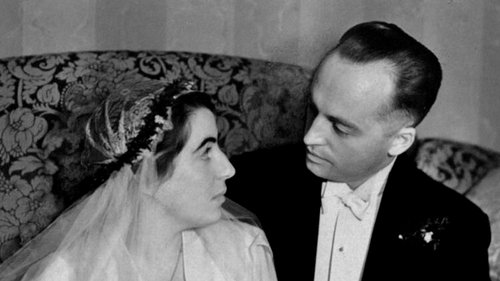
Germany, 1929. Helmut Machemer and Erna Schwalbe fall madly in love and marry in 1932. Everything indicates that a bright future awaits them; but then, in 1933, Adolf Hitler and the Nazi Party rise to power and their lives are suddenly put in danger because of Erna's Jewish ancestry.

Filmmaker Jan Oxenberg narrates her own home videos, commenting on how her views towards lesbianism and femininity have evolved over time.
An home movie documentary about a young man with a camera who tries to recount and reframe a pivotal moment in his childhood: the death of his mother. An intimate and personal story about what remains of that mother-son relationship, now marked by an unbridgeable distance and an absence with which it is necessary to come to terms.
No description available for this movie.
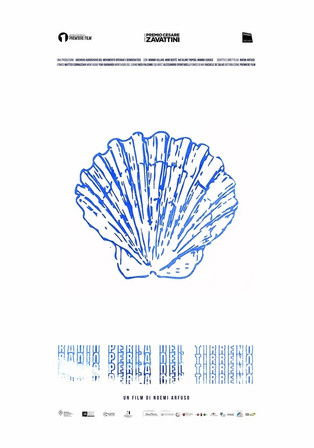
Mimmo Villari is 29 years old in 1975, lives in Calabria, has a dusty guitar in the attic and the sacred fire of music that once burned his stomach is now turning into embers. In that period the first experiences of pirate radio arose in Italy. Mimmo is thrilled by the rumors about it and wastes no time: he builds himself an FM transmitter and thus sets up Radio Perla del Tirreno, the first pirate radio station in Bagnara Calabra. The voices of the radio reflect on politics, philosophy, civic education, creating a discourse that is the portrait of a society and an era.
No description available for this movie.