
Action
Adventure
Animation
Comedy
Crime
Documentary
Drama
Family
Fantasy
History
Horror
Music
Mystery
Romance
Science Fiction
Thriller
War
Western
Found 17 movies, 0 TV shows, and 0 people
Can't find what you're looking for?
Being Hmong Means Being Free highlights the history, culture and identity of the Hmong immigrants who have settled in the United States between 1975 and the early 1990s. The documentary looks at Hmong life in this country as seen through the eyes of the narrator, seventeen year-old Lia Vang.
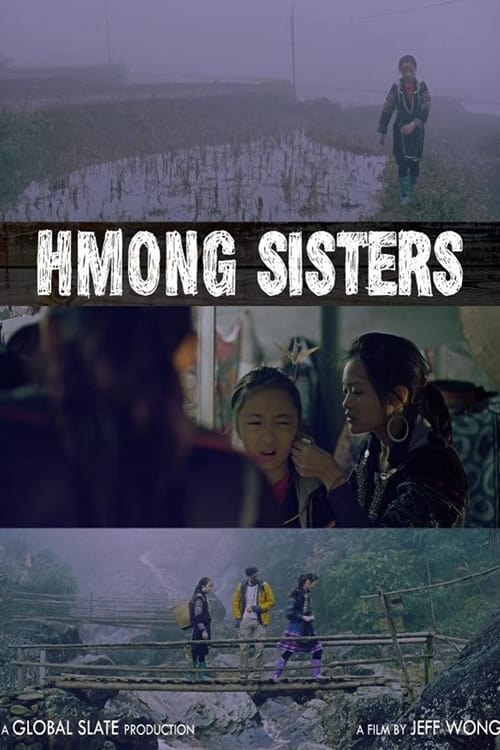
Among the indigenous tribes in the mountains of Vietnam, 13-year old Mu thinks she knows everything her 16-year old sister Paj, a tour guide, knows - until they encounter a sex tourist.
In 1961, four years before the Vietnam War, the CIA funded a Secret War in Laos. The Hmong became CIA's surrogate army, fighting and preventing Communism from consuming the country of Laos. Watch as questions about the Secret War in Laos during the Vietnam War and the circumstances that brought the Hmong to America are explored. —PBS

Related to the Home-land video installation exhibition, this stand alone short film explores the identities, pursuits, and making of Home-land across various Hmong American Women.
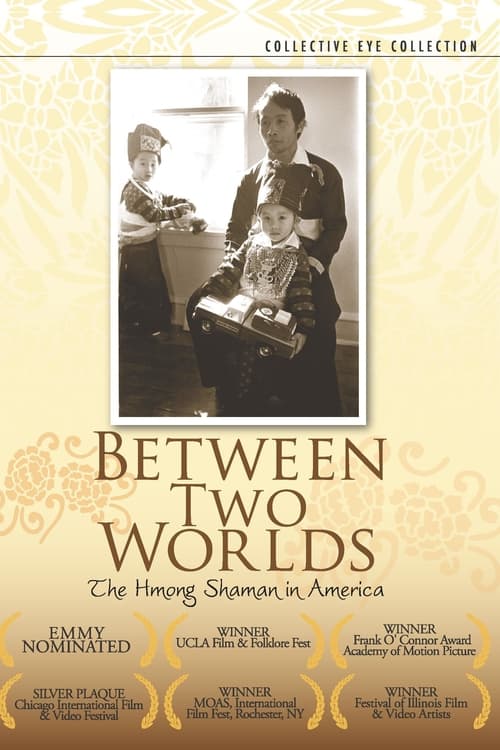
This classic film documents the Hmong refugees who have been transplanted from their agrarian mountain villages in northern Laos to cities in the U.S.
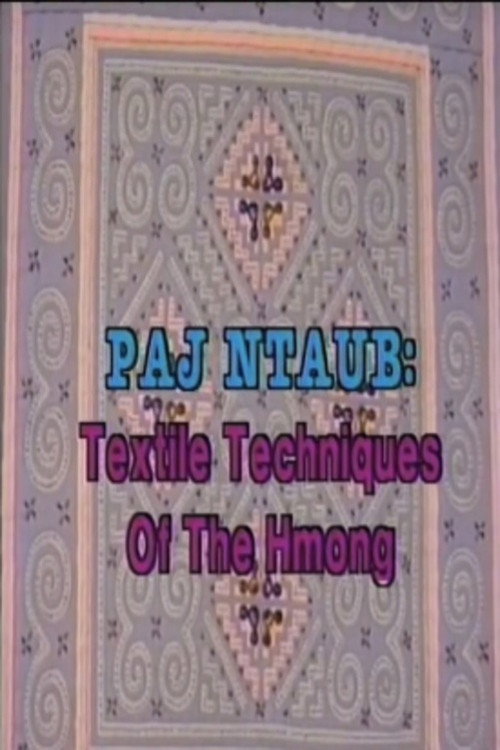
Hmong textile art, Paj ntaub or "flower cloth," consists of textile arts traditionally practiced by Hmong people. The embroidery consists of bold geometric designs often realized in bright, contrasting colors. Different patterns and techniques of production are associated with geographical regions and cultural subdivisions within the global Hmong community. This documentary interweaves the Paj ntaub art form with the history of the Hmong in Southeast Asia and the devastation brought by the secret war on Laos. Through interviews with women from the Hmong community in Rhode Island, we get an insight into the art form of paj ntaub and the experiences of the Hmong community in the United States.
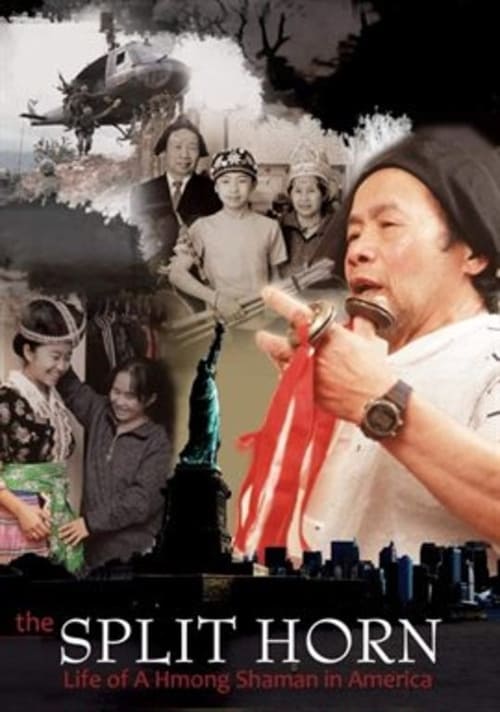
America has become the testing ground for the enduring strength of Hmong culture. THE SPLIT HORN documents the journey of Hmong shaman Paja Thao and his family from the mountains of Laos to the heartland of America: Appleton, Wisconsin. This poignant film shows a shaman's struggle to maintain his ancient traditions as his children embrace American culture. The evocative narrative captures the daily struggle of Paja Thao's family between two worlds.
For centuries Hmong people have lived in the mountains of China and Southeast Asia. They have in more recent history fled Laos as refugees and resettled in the Americas, Australia, and Europe. This documentary was filmed in Chang Khian, a village in the mountains of Northern Thailand. With the traditional, year-long process of transforming the bark of hemp plants into cloth, the complex relationships of men and women are revealed. Women produce the cloth and clothing as the men perform healing ceremonies, settle marriage agreements, and conduct funeral rights. The ready availability of mass-produced, inexpensive cloth combined with the fact that the cultivation of hemp is now illegal has brought the continuation of this traditional practice into question. This film is of great interest to the study of gender and kinship, textiles, traditional crafts, shamanism, and social change.
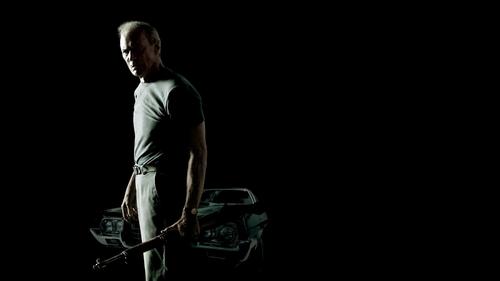
Disgruntled Korean War veteran Walt Kowalski sets out to reform his neighbor, Thao Lor, a Hmong teenager who tried to steal Kowalski's prized possession: a 1972 Gran Torino.
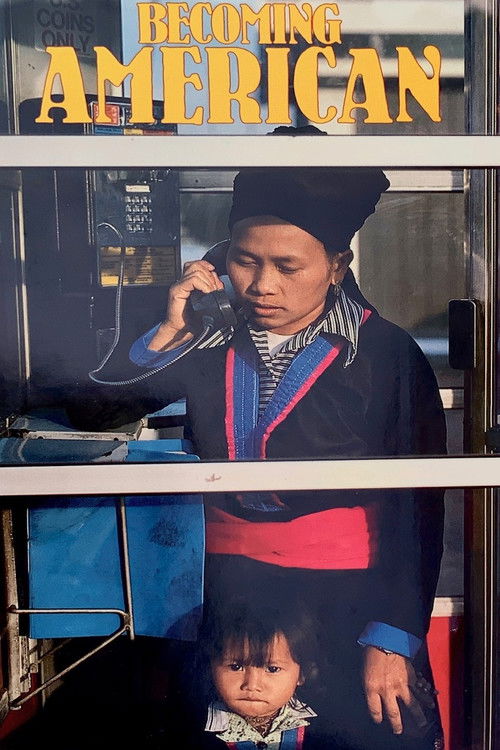
Hang Sou and his family, preliterate tribal farmers, await resettlement in a refugee camp in Thailand after fleeing their war-consumed native Laos. "Becoming American" records their odyssey as they travel to and resettle in the United States. As they face nine months of intense culture shock, prejudice, and gradual adaptation to their new home in Seattle, the family provides a rare insight into refugee resettlement and cultural diversity issues.
A Hmong guide's daily life in the mountains of Sapa, North Vietnam.
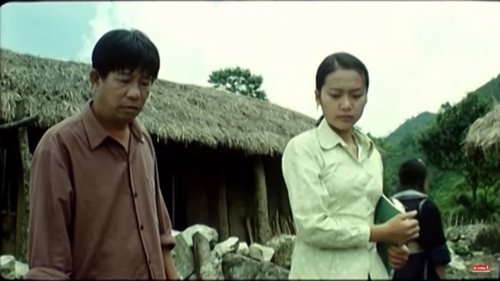
Three teachers run together an elementary school for local Hmong children in a remote mountain village. One day, an incident turns their life upside down, revealing the secrets and feelings they have been hiding for a long time.
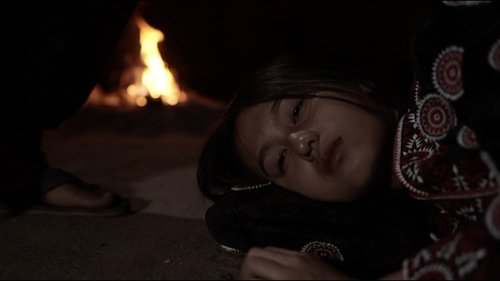
A young woman of Hmong, living with her friend. They are unexpectedly confronted with a challenging situation that involves a longstanding practice within their tribe. The situation presents a difficult ethical and emotional dilemma for them.
A romantic comedy that tells the story of a rascal. Through his new job, Tou meets Mai who recently arrived from Wat Thom Krabok camp. Although Tou's arrogance challenges their relationship at first, they gradually form a close bond with one another.
Follows Olympic gold medal-winning gymnast Suni Lee‘s return to competition.
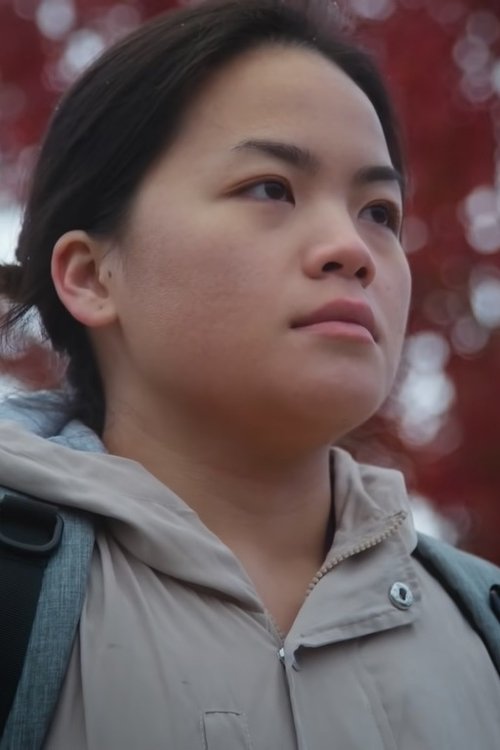
A young Hmong woman wants to live with her boyfriend, but struggles to leave her mother.
A documentary about the atrocities committed against the Hmong people by the Laos government. Shot by Hmong people with cameras provided to them in 2006, this film provides a unique look into one of the worst, and silent, human rights tragedies of the 21st century.